Photo credit: jaydee21/Unsplash.com
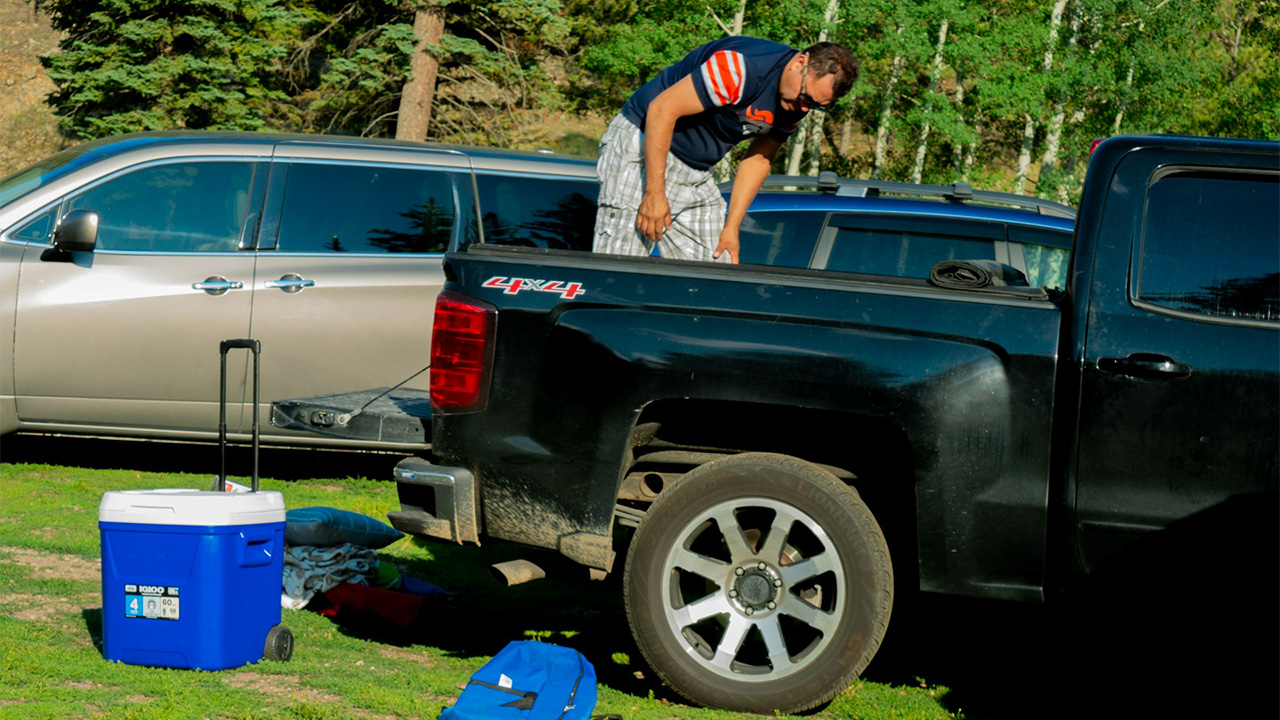
You can learn a lot about a man by looking in the back of his truck. I’m not talking about whether it’s spotless. Most real trucks that get used for outdoor life, property work, hunting, fishing, hauling, and camp runs are going to have some dirt in them. They ought to. A truck bed that never gets dirty usually isn’t doing much. But there’s a big difference between a truck that looks used and a truck that looks like bad decisions have been piling up in it for six straight months.
The problem with a junked-up truck bed isn’t just appearance. It usually points to a bigger issue. A man who keeps the back of his truck full of random clutter tends to be the same guy who never has what actually matters when something goes sideways. He’s hauling around evidence of old intentions, half-finished ideas, and broken plans, but somehow not one clean answer when a real need shows up. These are the signs that tell me your truck bed is full of junk and zero answers.
There’s a Tangle of Ratchet Straps That No One Trusts
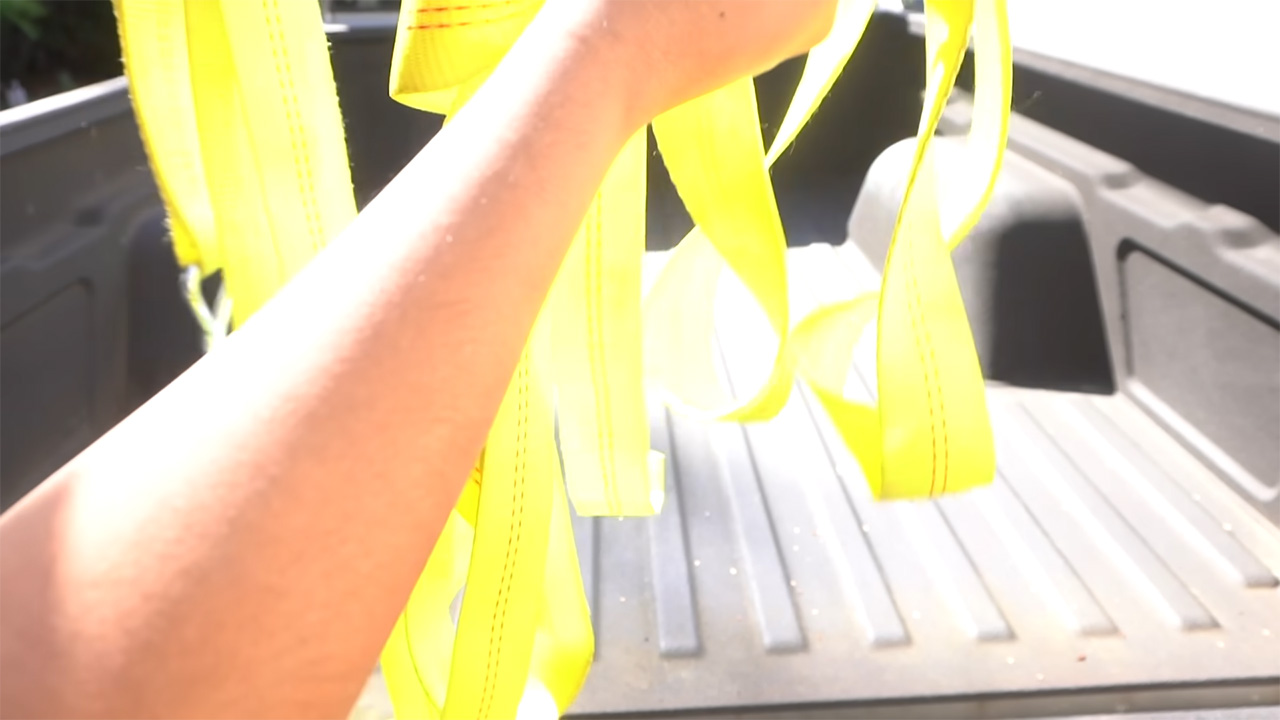
Nothing says “I’m not as ready as I look” like a truck bed full of ratchet straps that have been wadded up, rained on, dragged around, and left to knot themselves into a ball of pure irritation. They’re technically there, which makes a man feel prepared, but the second it’s time to actually secure something, now everybody’s standing around watching him dig through a pile of twisted nylon like he’s defusing a bomb made of bad habits.
A useful truck doesn’t just have gear in it. It has gear you can get to and use without turning a simple job into a ten-minute argument with your own mess. Straps should be rolled, sorted, and in decent shape. A guy whose whole tie-down system looks like it got attacked by raccoons usually has a lot of equipment and not much real readiness. He brought the symbol of a solution, not the solution itself.
Half the Bed Is Taken Up by Stuff He Forgot Was There
You know the type. There’s an old cooler with nothing useful in it, a busted lawn chair, a cracked tote, two buckets of mystery hardware, a ripped tarp, some boards from a project he hasn’t touched in months, and a milk crate full of things he swears he’ll “go through later.” Later never comes. It all just rides around back there like the truck bed became a storage unit for procrastination and weather damage.
That kind of clutter tells me the truck isn’t set up to help him solve anything today. It’s just carrying yesterday around. A truck bed full of leftovers from ten unrelated plans usually means when a real need pops up—rope, gloves, clean straps, dry tools, a usable shovel—he has to dig through six layers of junk first. That’s not readiness. That’s a rolling monument to not putting things where they belong.
The Toolbox Is Full but Somehow Useless
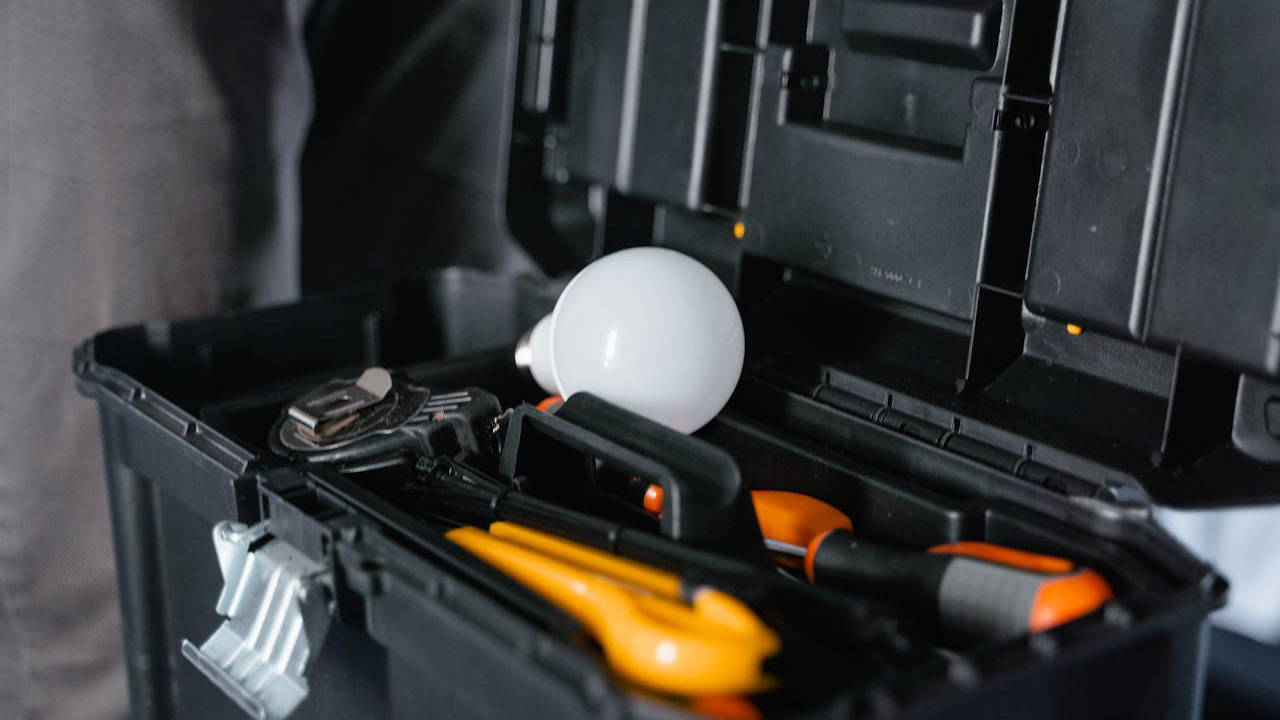
A packed toolbox should inspire confidence. Instead, some men open theirs and reveal a metal graveyard of loose sockets, rusted pliers, dead batteries, old receipts, mismatched screws, cheap utility knives, and three tape measures that all somehow disappeared the moment somebody actually needed to measure something. It looks impressive at a glance because there’s a lot in there. Then the first small repair comes up and nothing helpful turns up cleanly.
That’s one of the biggest tells there is. A truck setup built by real use usually gets simpler over time. You keep the tools that actually solve problems and ditch the rest. The man with a full-but-useless toolbox tends to confuse accumulation with preparedness. He’s got evidence of buying tools, losing tools, borrowing tools, and forgetting tools, but not much proof that he can lay hands on the right one when it matters.
There’s Trash Mixed in With “Important Stuff”

When I see drink bottles, food wrappers, old bait containers, greasy paper towels, empty fast-food bags, and random scraps mixed right in with tools and gear, I already know the whole setup is going to be harder than it needs to be. Trash changes the feel of everything. It makes useful gear harder to find, makes the truck look more chaotic than it is, and gives off the strong impression that no one is running the operation with much discipline.
The bigger issue is that once trash gets mixed into the work zone, everything starts getting treated with the same level of care. Tools get tossed instead of stored. Gear gets buried. Small useful things disappear. A truck bed doesn’t have to be neat like a kitchen counter, but if garbage is living right alongside your work gear, that tells me your standards are low enough that a lot of things are probably getting missed.
The Shovel’s There, but It Looks Like It Quit Years Ago
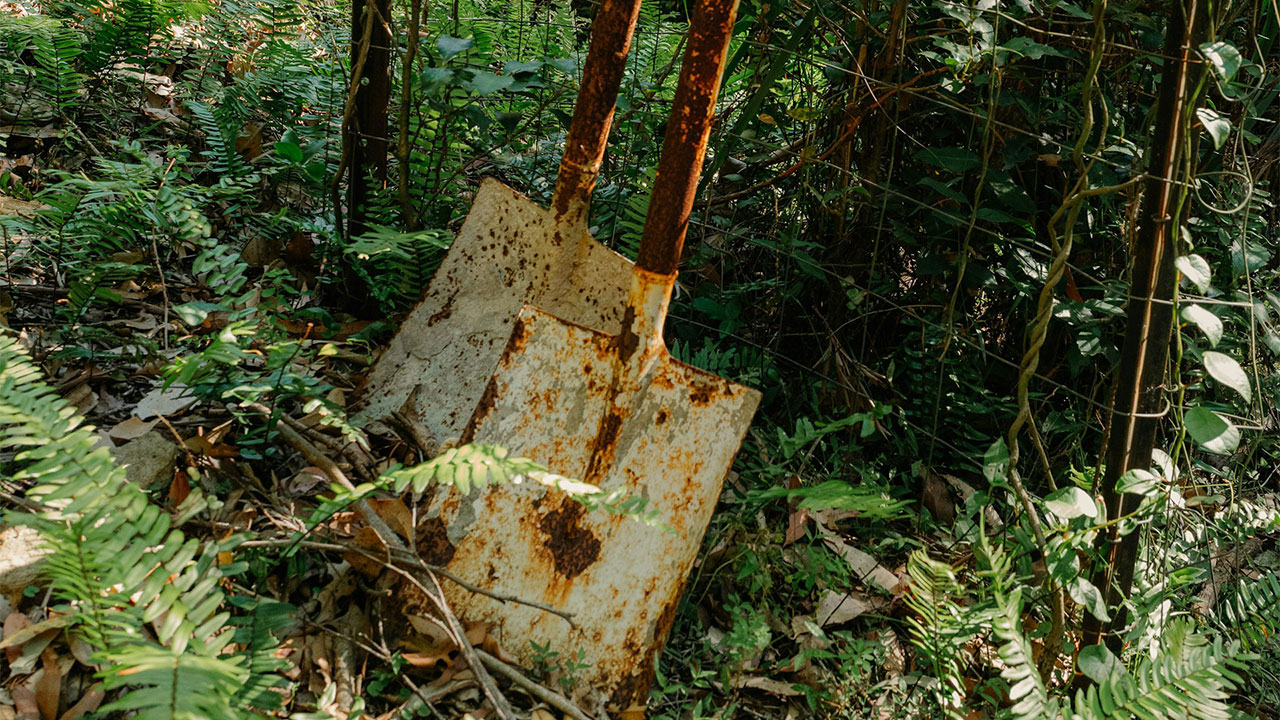
A shovel in a truck bed usually says a man does real things. A shovel with a cracked handle, loose head, bent edge, and dirt from three different seasons still stuck to it says something else entirely. It says he likes the idea of having tools more than the reality of maintaining them. Same goes for rakes, axes, pry bars, and anything else that rides around forever without being checked, cleaned, or replaced when it’s clearly past useful.
That’s a pattern, not a one-off. Men who count on their gear tend to notice when something is drifting from helpful to decorative. The guy with dead tools still taking up space usually doesn’t. So now the truck bed contains “answers” that stop being answers the second a little pressure gets applied. Broken gear doesn’t make you prepared. It just makes you late to realizing you’re not.
He Has Three Tarps and Not One Dry One

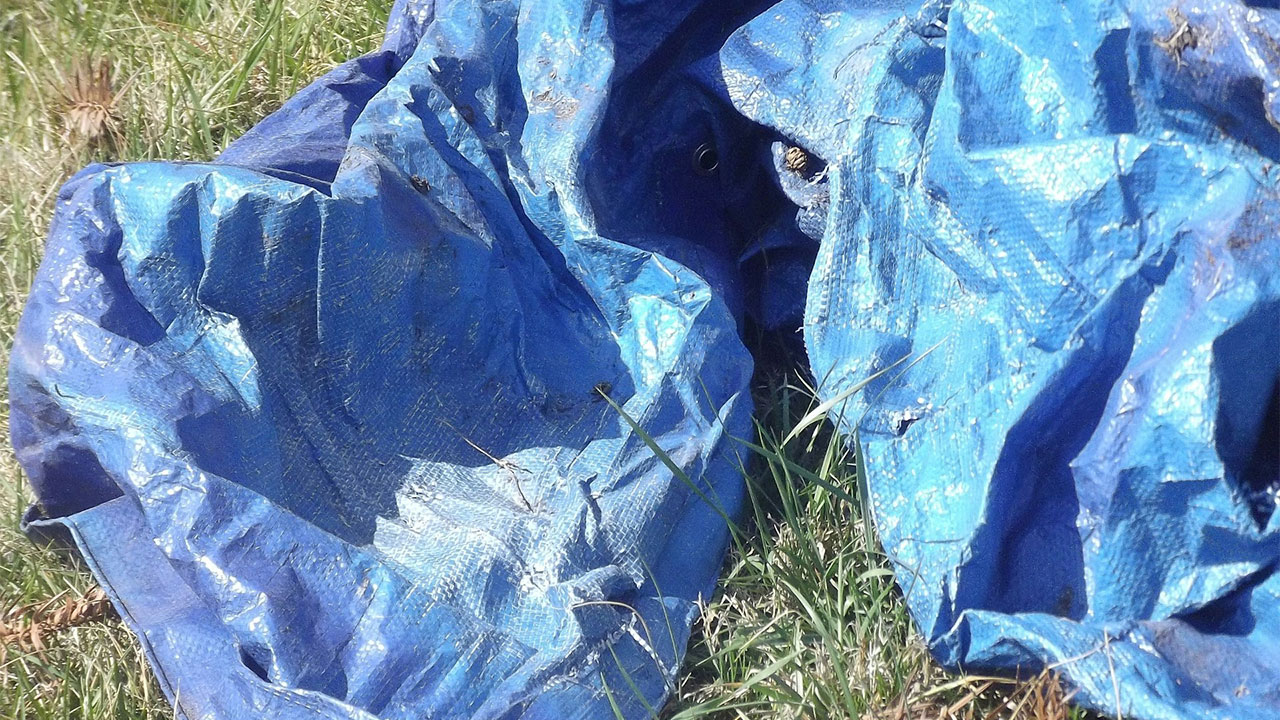
There’s always a tarp back there. Sometimes three. Maybe five. They’re shoved in a corner, half folded, damp, filthy, and full of leaves, dirt, or old job-site memories. Ask him if he’s got a tarp and he’ll say yes immediately, real confident-like. Ask him to hand you one that’s dry, intact, and not tangled up with six bungee cords and half a spiderweb, and now the mood changes.
A tarp can be genuinely useful. Shade, cover, weather protection, ground barrier, emergency fix—it earns its keep. But only if it’s stored in a way that makes it usable. A truck bed full of wet, filthy, half-ruined tarps tells me the man likes having options in theory. In practice, though, he’s just hauling around fabric-shaped guilt and calling it preparedness.
He Has Plenty of Buckets and None of Them Help
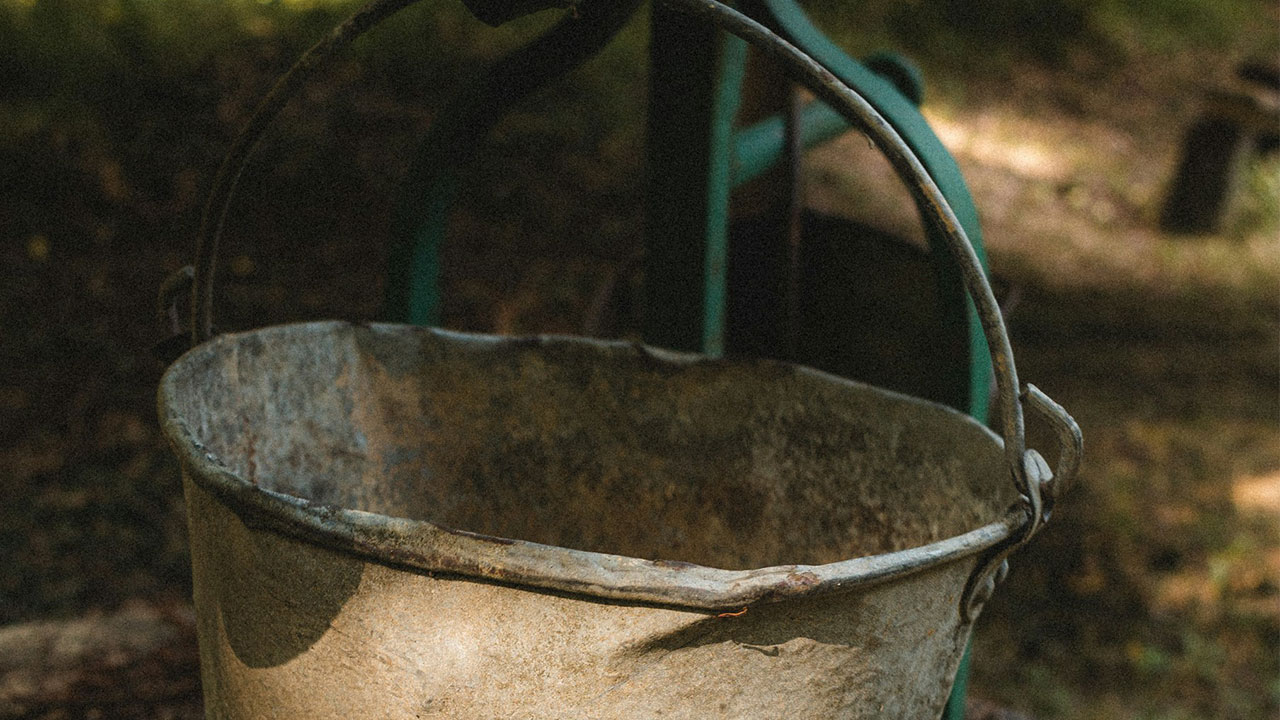
Buckets are one of those truck-bed items that can either mean a man is organized or completely the opposite. A few well-used buckets holding rope, tools, feed, bait gear, or cleanup supplies can make a truck more useful. But then there’s the guy with six random buckets, all containing unrelated junk, dirty water, loose hardware, torn gloves, old zip ties, and things that should’ve been thrown away after the Bush administration.
That’s when a bucket stops being a system and starts being a hiding place. Every random item that didn’t have a real home got tossed in there, and now those buckets are just portable confusion. The man who lives out of mystery buckets always thinks he has what he needs until it’s time to find it fast. Then he starts digging like a raccoon in a feed bin and discovers his whole organization method was basically just “drop it in something round.”
The Bed Cover or Tarping Situation Makes No Sense
If a man has a bed cover, toolbox, cargo net, tarp, or some homemade arrangement of bungees and optimism, it ought to at least point toward a plan. But sometimes you see a setup that looks like every securing idea he’s ever had got partially implemented and then abandoned halfway through. Cover doesn’t latch right, tarp’s tied down on one side, one bungee is doing all the emotional labor, and the whole thing flaps like a warning flag at highway speed.
That kind of setup tells me the truck bed is not a system. It’s a negotiation. Nothing’s really secured, but everything is loosely pretending to be. The trouble with that is the gear inside gets beat up, wet, lost, or scattered, and then the man acts surprised when his “solution” doesn’t hold up to wind, rain, or one decent pothole. If the bed covering setup looks like a yard sale in motion, the truck bed underneath usually isn’t any better.
There’s an Old Gas Can Back There Nobody Wants To Touch
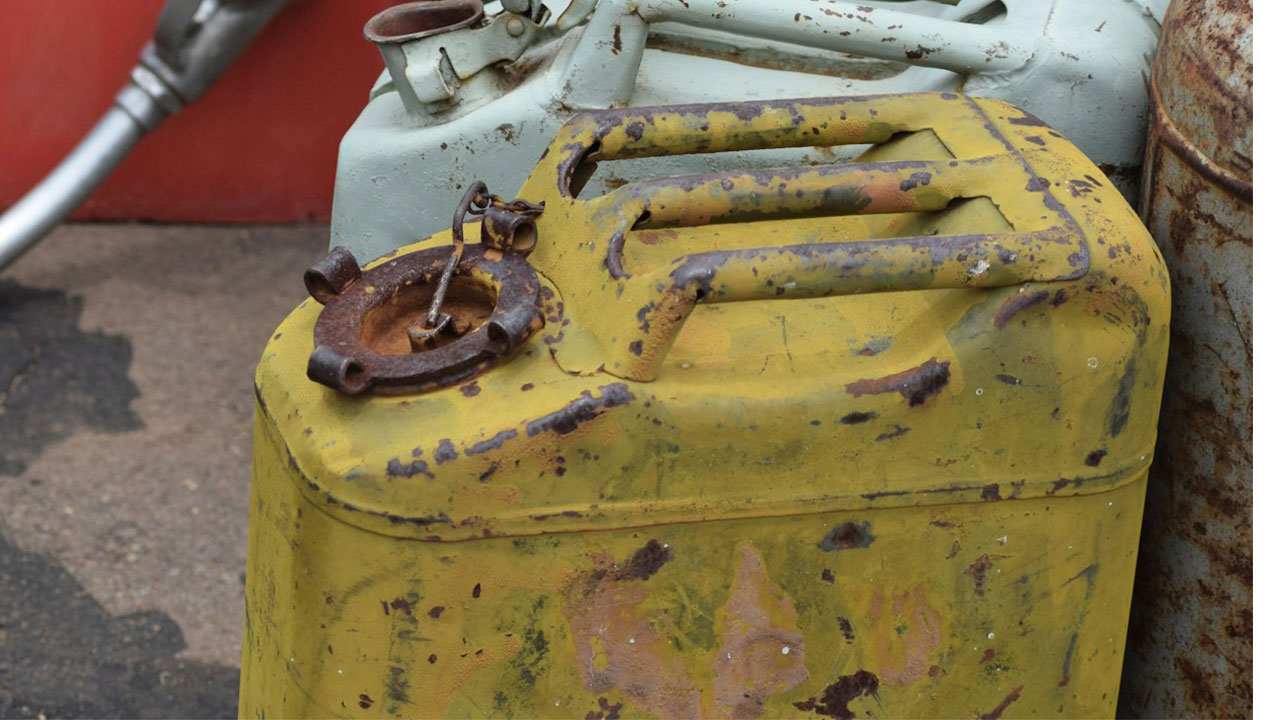
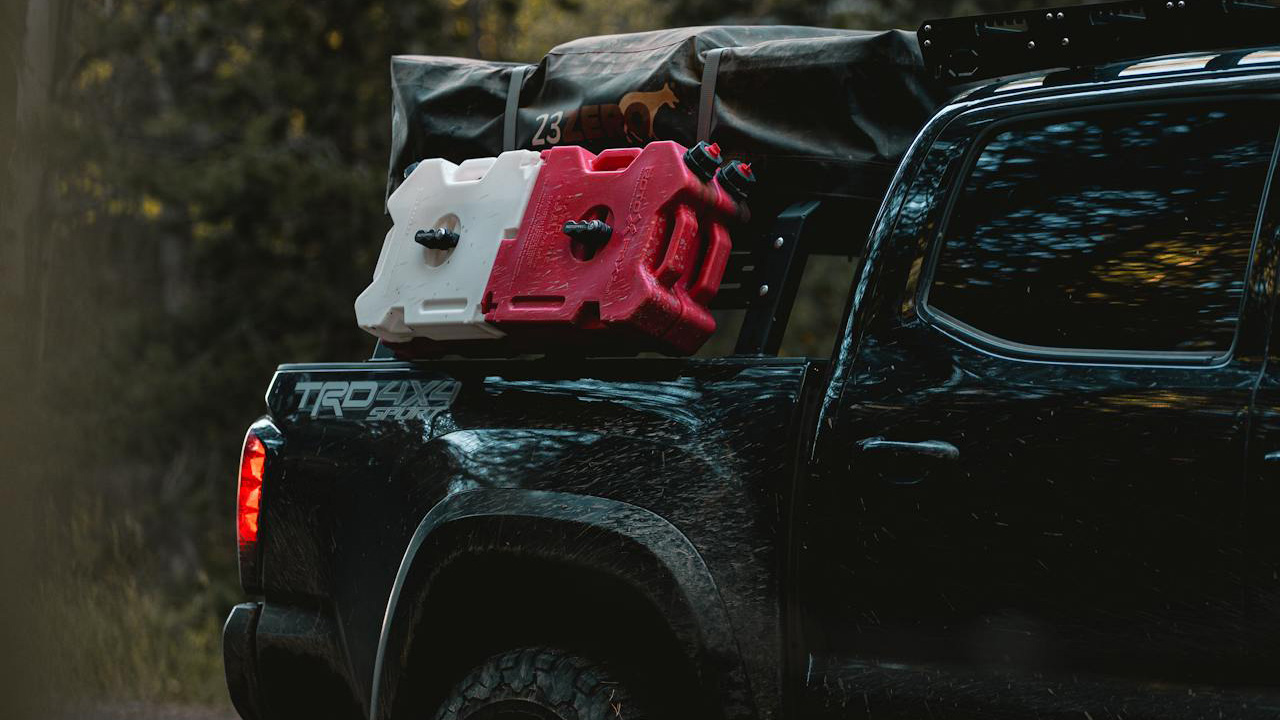
A lonely gas can rolling around the truck bed can mean preparedness if it’s stored right, labeled, sealed, and not older than some of the neighborhood kids. But there’s a special kind of gas can that tells a darker story. Faded, dirty, questionable cap, maybe a little residue around the nozzle, possibly full of who-knows-what from three seasons ago. Nobody wants to move it, nobody wants it tipping over, and nobody feels great about trusting whatever’s inside.
That kind of thing says the truck bed has become a place where “good enough for now” never got revisited. Fuel, oil, chemicals, and anything messy need a little thought or they turn the whole back end of a truck into a sticky hazard zone. A man who keeps mystery fuel riding around indefinitely is usually one spilled can away from making every other item back there worse.
You Can Smell the Problem Before You See It

Sometimes the strongest clue isn’t visual. It’s the smell that hits you when the tailgate drops. Old bait, wet carpet, mildew, spilled fuel, stale food, damp clothes, muddy boots, maybe a little dead-something energy riding under it all. A bad-smelling truck bed is usually more than just unpleasant. It means wet stuff stayed wet, dirty stuff stayed dirty, and nothing got cleared out before it turned from manageable mess into rolling funk.
Once that smell sets in, it usually means half the truck bed has become hostile territory. Clean gear gets dirtier fast. Dry gear takes on moisture. Useful things become nasty enough that nobody wants to touch them unless they have to. Smell is one of those things men tend to ignore longer than they should, but it says a lot. If the truck bed smells like regret and warm pond water, odds are the rest of the setup isn’t exactly sharp either.
The Tailgate Becomes a Dig Site Every Time It Opens
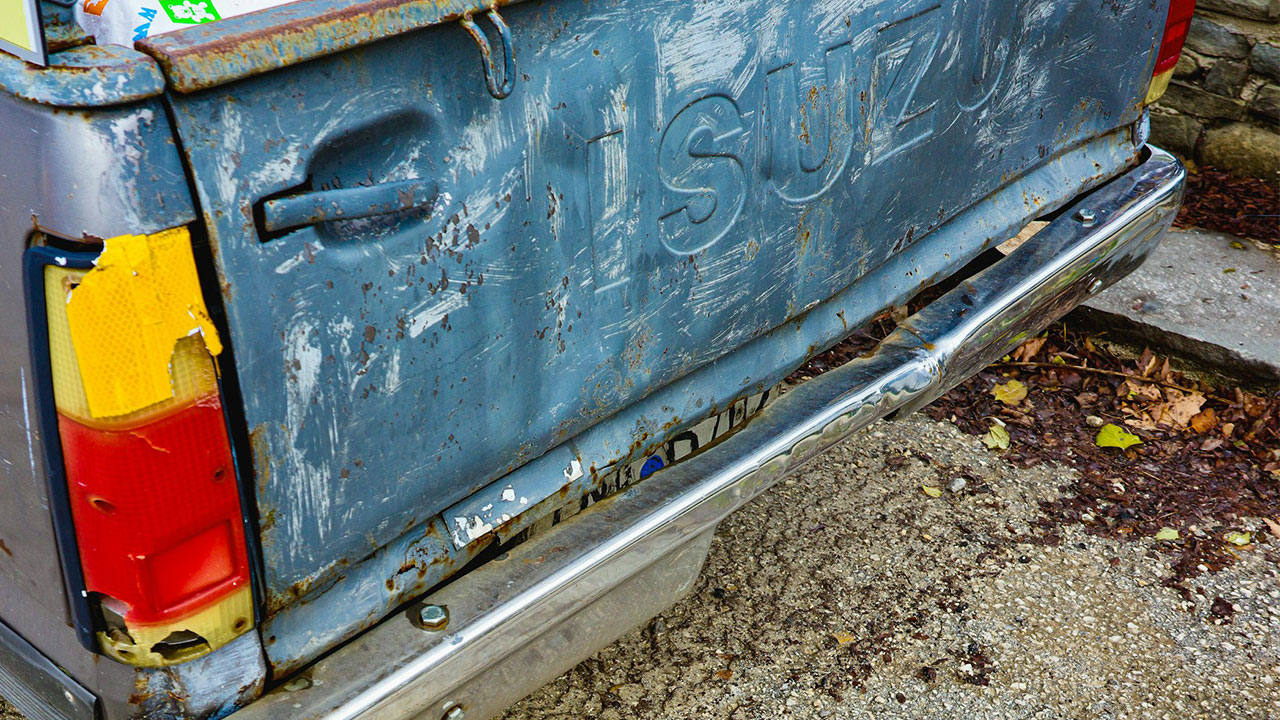
A well-used truck bed should still let a man get to what he needs without excavating the entire back half of his life. But some guys drop the tailgate and immediately start moving one thing to reach another thing to move a third thing they forgot was covering the first thing they needed. Now every simple job starts with rearranging junk, shifting weight, and muttering under your breath while daylight slips away.
That’s a real sign the truck bed has stopped serving the man and started controlling him. Useful setups reduce friction. Bad ones create it. If a shovel, chain, rope, or toolbox can only be reached by moving six unrelated objects and knocking over a bucket of nonsense, then what you’ve got isn’t readiness. It’s clutter with a pickup wrapped around it. A truck bed shouldn’t feel like a scavenger hunt every time real work appears.
The One Useful Thing Is Buried Under Five Dumb Things
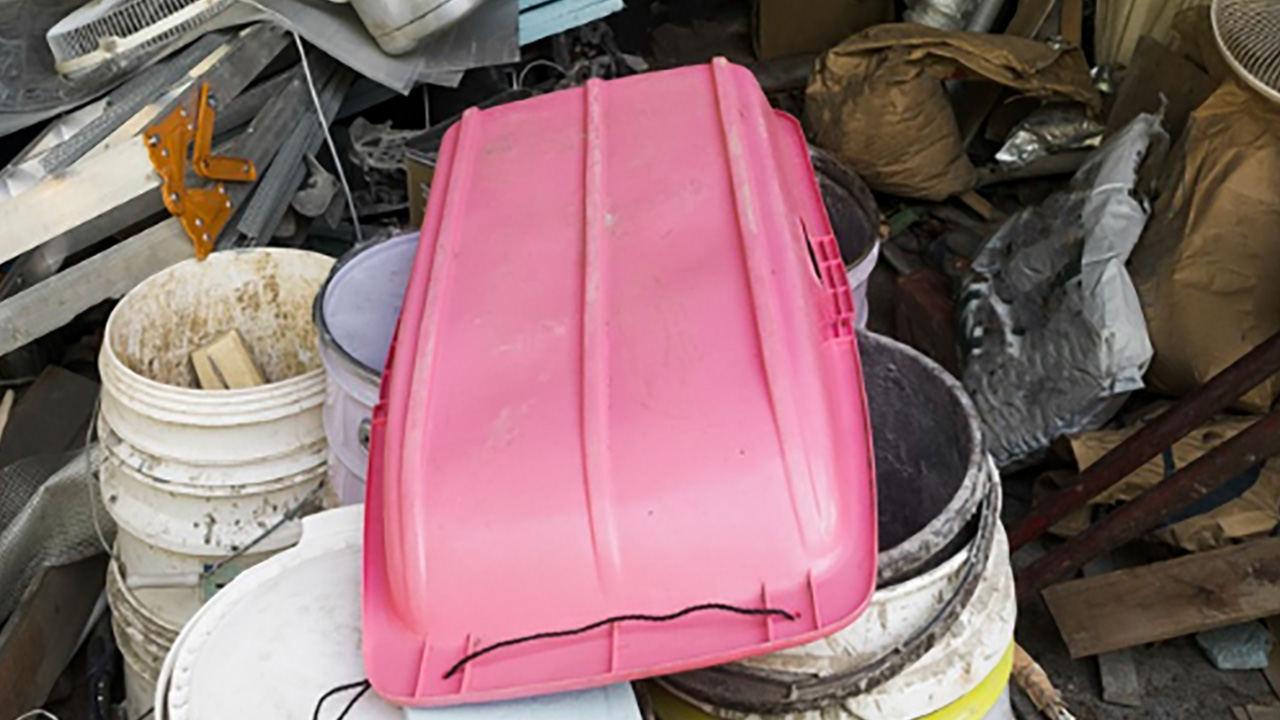
This happens constantly with bad truck-bed setups. He actually does have the gloves, or the chain, or the jack, or the tow strap, or the work light. But to get there, first he has to move a broken fan, a muddy tote, two old feed sacks, a cooler he forgot to unload, and some random piece of scrap metal he might “use someday.” In other words, the right answer exists, but it’s held hostage by a pile of junk that should not still be there.
That’s the difference between owning useful things and being able to use them well. Men who stay ahead of their truck setup know access matters just as much as inventory. It doesn’t help to technically have the right gear if every emergency turns into a spring cleaning project. If the useful item is always buried, then the junk on top is running the show, not the man driving the truck.
Nothing in the Bed Looks Like It’s Been Chosen on Purpose
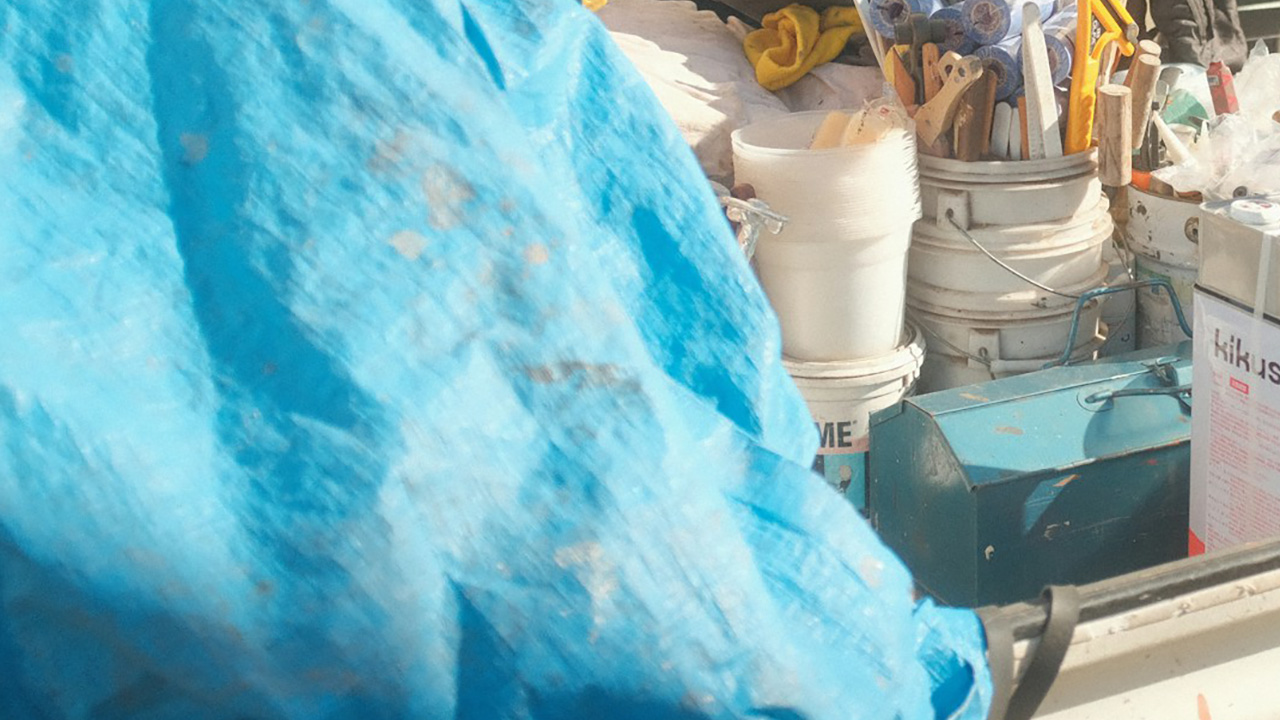
The cleanest sign of all is when the truck bed has no logic whatsoever. No categories, no zones, no thought to what stays, what goes, what should be dry, what should be tied down, or what’s actually there for real work. It’s just a heap of leftovers from land work, fishing, camp trips, old errands, roadside emergencies, and six months of saying “I’ll clean this out later.”
That kind of randomness tells me the truck bed isn’t helping him think ahead. It’s just storing the consequences of never stopping to decide what belongs back there. A useful truck bed usually reflects a man’s real needs. It may not be pretty, but you can tell it’s been shaped by actual use and adjusted as life changes. When nothing looks intentional, I assume the whole setup is more accidental than helpful.
He Gets Defensive the Second Somebody Mentions It

This may be the biggest giveaway of all. You say something simple like, “Man, you ought to clean this bed out,” and suddenly he starts defending every item back there like it’s part of a strategic reserve. He’s got a reason for the busted bucket, the damp tarp, the twisted straps, the old lumber, the dead tool bag, and the cooler full of nothing. According to him, every piece matters. According to reality, he still can’t find a clean pair of gloves when there’s actual work to do.
That defensiveness usually means he knows the setup isn’t serving him well, but he’s gotten used to living around the problem. And that’s really what a junked-up truck bed becomes over time—a problem a man adapts to instead of fixing. The worst part is that a lot of these guys could solve eighty percent of their hassle in half an hour with a trash bag and a little honesty. But until that happens, the bed stays full of junk, and the answers stay strangely hard to find.
Like The Avid Outdoorsman’s content? Subscribe to our newsletter so you never miss an article.
Here’s more from us: