Photo credit: Nina Lishchuk/ShutterStock.com
Camping trips fall apart over the small things more than the big ones. You can have the right tent, a solid sleeping bag, and a great forecast, but if you forget the essentials that keep everything running smoothly, the weekend gets a lot harder than it needs to be.
The things people overlook are usually the things they use constantly—gear that keeps you dry, keeps you fed, or keeps you comfortable when the weather turns. When you’re miles from the truck, those details matter. If you want your trips to stay enjoyable, these are the items you should never leave behind.
Extra tent stakes
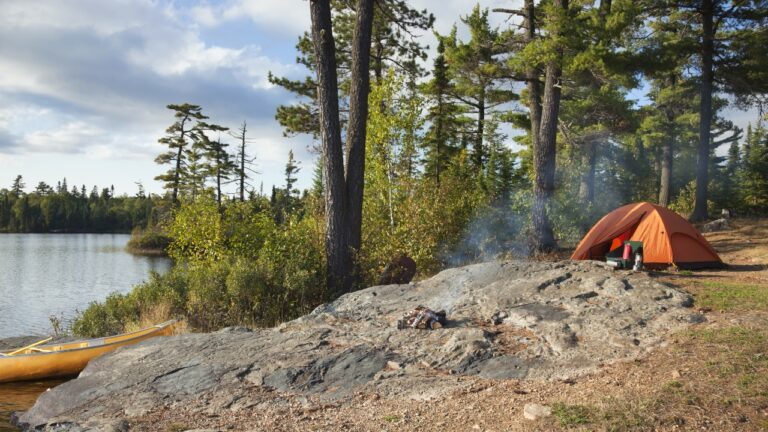
Stakes get bent, lost, or pulled out during a windy night, and that’s when you realize you should’ve packed more. Extra stakes keep your shelter grounded when the soil is loose or when you end up pitching on terrain that wasn’t your first choice.
Most campers assume the ones included with the tent are enough. They rarely are. Having a small bag of backups means you can adjust guy lines, reinforce corners, or secure a tarp without scrambling. It’s an inexpensive insurance policy that saves a lot of frustration when the weather shifts.
A groundsheet for your tent
A tent floor wears out faster than most people expect, and once moisture starts seeping in from below, the rest of the trip gets uncomfortable quick. A groundsheet keeps rocks, roots, and damp soil from chewing through the fabric and helps your tent last far longer.
Campers often forget it because it doesn’t feel like a “must-have,” but you only need one cold night on soggy ground to learn otherwise. Pack one that fits your shelter properly and you’ll sleep warmer, drier, and with a lot less worry when storms roll through.
Headlamps with spare batteries
A headlamp is one of those tools you never think about until you’re stumbling around camp after dark trying to light a stove or walk to the tree line. The problem comes when the batteries die on day two and you don’t have replacements.
Bringing a spare set feels like overkill until you need them. Whether you’re hiking out early, fixing gear in the dark, or navigating around obstacles, a reliable light makes the entire trip safer. It’s one of the easiest pieces of gear to double up on, and one of the most important.
Sleep system extras
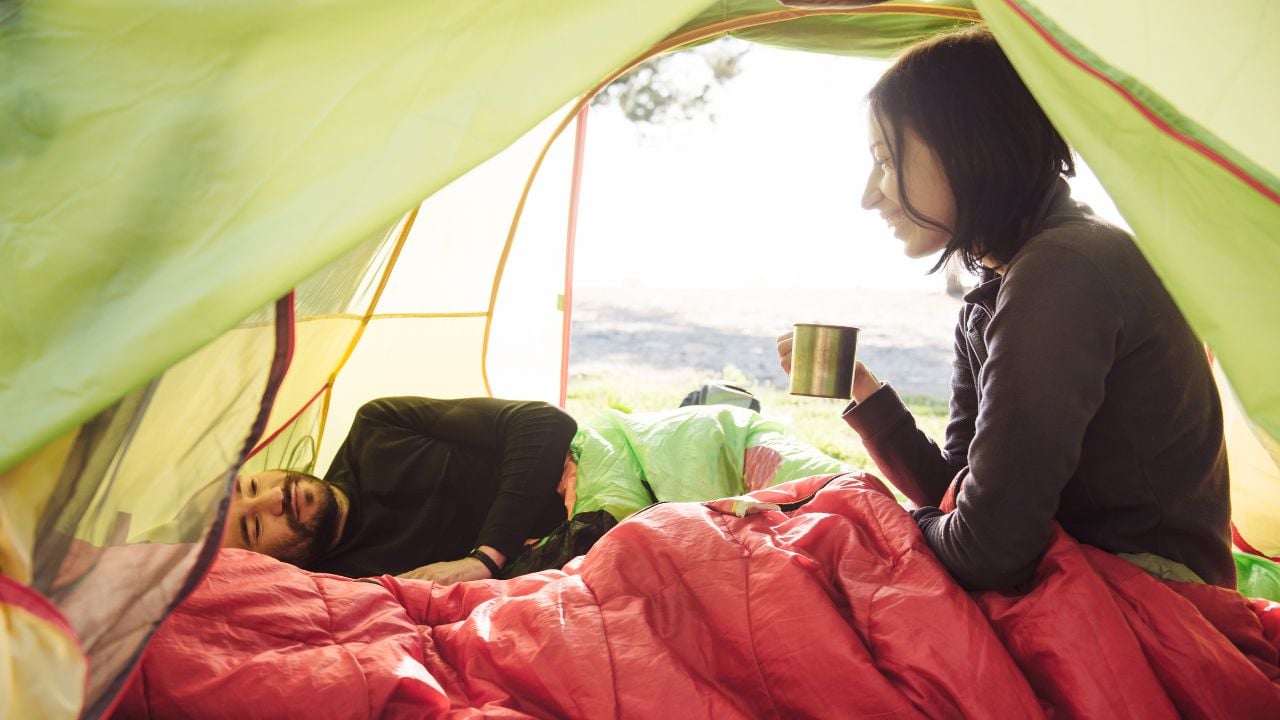
Campers tend to pack a sleeping bag and pad, then forget the small items that make nights comfortable—things like an inflatable pillow or an extra layer to manage temperature swings. When you skip those, you end up waking up cold or with a stiff neck.
A dialed-in sleep system makes long trips manageable. Even a lightweight pillow is a big upgrade after a full day of hiking. Carrying a thin fleece layer for chilly nights keeps you from shivering until sunrise. These details add comfort without adding bulk.
A full repair kit
Gear fails at the worst times. A tent pole cracks, a buckle snaps, or a pack strap tears under load. Without a repair kit, those problems turn into headaches that can cut trips short. With one, you can patch holes, reinforce weak spots, and keep moving.
Duct tape, zip ties, needle and thread, and a small multitool cover most issues. It’s a tiny pouch that solves a long list of problems. Even seasoned campers forget it from time to time, but it’s one of the most valuable things in your pack.
Water treatment backups
Filters clog, pumps break, and batteries die. If you rely on one method for clean water, you’re taking a risk you don’t need to. Carrying purification tablets or a backup squeeze filter keeps you from rationing or cutting your trip short.
Many hikers and campers trust a single system because it always worked in the past. But all it takes is muddy water or a dropped filter to ruin the plan. Redundancy with water treatment is easy to carry and keeps you hydrated wherever you go.
A weatherproof food stash
People remember food but forget to weatherproof it. Once rain hits, packaging falls apart, and soggy meals are hard to deal with. A dry bag or sealed container keeps everything organized and edible.
This also keeps critters out. Even in areas without bears, rodents and raccoons can tear through unprotected packaging. Keeping your meals sealed away keeps your camp cleaner and reduces late-night visits from animals looking for snacks.
Fire starters that work when wet
Matches in a plastic bag aren’t enough when the wind kicks up or rain moves in. A reliable fire starter—like a ferro rod, reliable stormproof matches, or a lighter wrapped in tape—keeps you in control of warmth and cooking.
Many campers forget redundancies here, too. Fire is something you don’t want to gamble with, especially in rough weather. Having tools that function when everything is damp takes pressure off and makes evenings far more enjoyable.
Proper layers for changing conditions
Even in warm seasons, temperatures drop quickly after sunset. Campers often forget an insulating layer or a wind-blocking shell, leaving them stuck shivering around the fire. Proper layers let you adapt without running through your limited clothes.
A fleece or light puffy doesn’t take much space but makes a huge difference. Weather shifts fast in the backcountry, and having the right layers makes the whole experience smoother and far more comfortable.
Camp footwear
After hiking in boots all day, slipping on a pair of camp shoes feels like a luxury. But it’s more than comfort. Having footwear you can wear around camp keeps your socks dry, your boots aired out, and your feet in better shape for the next day.
Campers forget them because they seem unnecessary, but carrying a lightweight pair is worth it. Whether you’re walking to gather water, stepping into a stream, or moving around muddy ground, camp shoes make evening chores easier.
Navigation backups
Phones die faster in the cold or when running GPS all day. When they do, many campers realize they never brought a physical map or compass. Electronics make navigation easy—until they don’t.
Bringing a printed map of your area adds almost no weight, and a small compass ensures you always have a way to orient yourself. You may not need them every trip, but when things get confusing, they turn into essential tools.
Trash bags and storage
A simple trash bag solves more problems than campers expect. It keeps gear dry in the pack, works as a backup poncho, and makes cleanup far easier. Many people forget them because they’re not “gear,” but they pull their weight.
They’re useful for storing dirty clothes, keeping food wrappers organized, and hauling everything out at the end of the trip. It’s one of the lightest, most versatile pieces of camp kit—and one that makes the whole experience smoother when you remember it.
Like The Avid Outdoorsman’s content? Subscribe to our newsletter so you never miss an article.
Here’s more from us: