Photo credit: Gorb Andrii/Shutterstock.com
The first day after infrastructure fails is when most people make the moves they regret later. Not because they’re weak or clueless, but because normal life trains you to assume the system will catch you when something goes sideways. When the system isn’t there—no reliable power, no steady water pressure, no fuel pumps, spotty cell service, stores getting stripped, and emergency response slowed down—your “default plan” stops working fast. Survival experts don’t treat that first day like an action movie. They treat it like a control problem: keep people safe, keep the situation from snowballing, and make decisions that still make sense when you’re tired, cold, and annoyed 12 hours from now.
The biggest shift is mental. You’re not solving everything in a day. You’re setting conditions so your family can function without panic and without getting hurt. That’s why the first day priorities aren’t exciting. They’re about safety, information, resources you can’t easily replace, and habits that prevent mistakes. If you handle the first day well, the second day gets a lot easier. If you handle it badly, you spend the second day putting out fires you started yourself.
Treat safety like the main job, not a side note
The fastest way an infrastructure failure turns into a disaster is injuries inside the home and bad fuel-burning choices. Experts prioritize hazard control immediately because it’s the one category that can kill you while you’re still thinking, “This isn’t that bad.” The moment you realize the outage is widespread, you do a quick safety sweep. Make sure the stove is off, space heaters are off, candles aren’t being used like decorations, and kids aren’t wandering in the dark like it’s a game. Unplug or switch off sensitive electronics and anything with a heating element so a power flicker doesn’t surge and start trouble. You’re not being dramatic. You’re preventing the most common early failures.
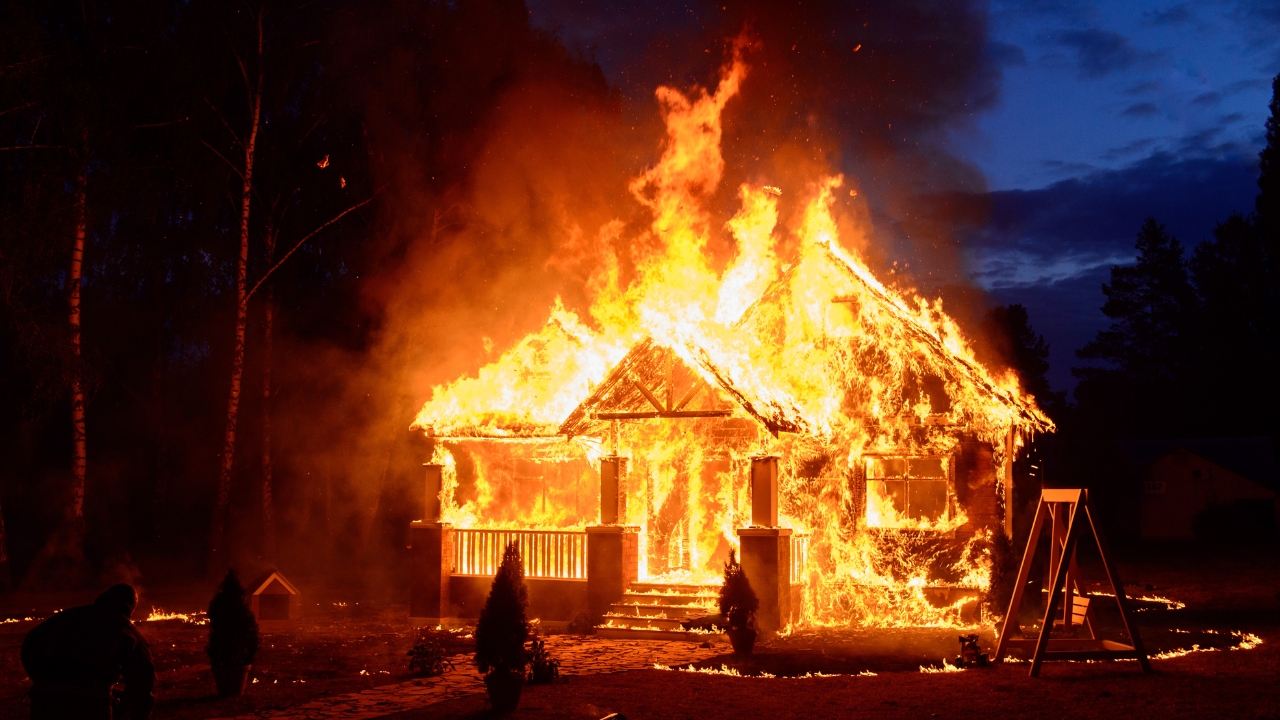
Then you handle the big killers: fire and carbon monoxide. Generators stay outside, far from doors and windows, and not on a porch that traps exhaust. Propane heaters only get used if they’re rated for indoor use and you actually follow the ventilation rules. If you don’t have a safe way to heat, you don’t “make do” with something unsafe. You consolidate into one room, layer up, and manage warmth like adults. The first day isn’t about comfort. It’s about staying alive and avoiding the kind of mistake that ruins your week in a way you can’t fix with extra supplies.
Get a clean read on what’s happening, then stop wasting battery
Experts don’t guess. They get a baseline read and then conserve resources. In the first day, information changes your decisions more than almost anything else. Is it localized or regional? Is it weather-driven? Is it expected to be hours or days? Are there boil-water notices, road closures, warming centers, or evacuation orders? You don’t need constant updates. You need enough to choose a plan. Check utility outage maps and local emergency updates once, then put the phone down. People burn their battery out of anxiety and then get stuck with no communication later when it actually matters.
Communication is part of this, and experts keep it simple. Texts beat calls most of the time. Decide who is the “main phone” that stays charged. Put other devices on low power mode or off. If you have a car charger and a power bank, treat them like fuel, not like convenience. The first day is also when you set household rules: what rooms people use, what lights get used, what’s off-limits, and how you handle doors opening and closing so you’re not dumping heat or inviting chaos. Clear rules prevent dumb arguments and dumb accidents, which is a bigger deal than people admit.
Lock down water early because it’s the easiest thing to misjudge
A lot of infrastructure failures turn into water problems, and not always immediately. City systems can lose pressure. Wells don’t run without power. Pumps fail. Even if water still flows, it may not stay safe. Experts prioritize securing water early because it’s one of the few resources that becomes a crisis fast once you’ve missed your window. Fill containers while you can. Fill a bathtub if you need to. Don’t forget that toilets matter just as much as drinking water for keeping a house livable, especially with kids. A house that can’t flush becomes a sanitation problem quickly, and that problem will wear you down mentally even if you still have food.
This is also when you think about what water you already have stored in the house. A water heater holds a decent amount. Bottled water, clean jugs, and even melted ice can help bridge time. The bigger expert point is this: water isn’t just “find a stream.” It’s storage, cleanliness, and a plan for treatment if the system is compromised. If you have purification tablets, a filter, or a way to boil safely, stage it where you can access it without digging. If you don’t, the first day is still when you decide how you’re going to solve that, not when you’re already behind.
Manage temperature and sleep because tomorrow depends on it
In the first day, people underestimate how much temperature and sleep drive everything else. Cold-soak is real. A house can hold heat for a while, then suddenly you realize the walls and floors are cold and it takes forever to get warm again. Experts prioritize picking a “living zone” early. Close doors, block drafts, keep everyone in one area, and treat the rest of the house like unused space. If it’s hot weather, you do the opposite: shade, airflow, and timing your house openings around cooler parts of the day. The first day is when you prevent heat stress or hypothermia, not when you wait until somebody is miserable and then scramble.
Sleep is the quiet priority that separates households that cope from households that fight. If nobody sleeps, tempers get short, kids melt down, and adults start making emotional calls. Experts prioritize staging light for nighttime, keeping shoes and warm layers accessible, and setting a simple routine so the evening doesn’t turn into chaos. A headlamp on the nightstand beats a flashlight you can’t find. A battery lantern in the main room beats walking around with candles. The goal is to get through that first night without injury and without your family feeling like it’s falling apart.
Protect the food you already have instead of trying to cook everything
Food matters, but experts don’t start by cooking like it’s a tailgate. The first day is about protecting what you have, preventing waste, and not creating extra problems. Keep the freezer and fridge closed as much as possible. Stop letting everyone “check” every 10 minutes. Use coolers strategically if you have them. In cold weather, you can use outdoor temps as a temporary fridge if you do it safely and keep animals in mind. In warm weather, you prioritize eating the most perishable stuff first, but you do it with a plan instead of panic. You’re trying to avoid foodborne illness, because nothing wrecks a household in an outage faster than everyone getting sick.
Experts also think in terms of cooking method and fuel. If your cooking requires burning through propane, charcoal, or generator time, you plan meals around efficiency. Simple, high-calorie food that doesn’t require hours of cooking becomes valuable. That doesn’t mean you eat like you’re camping for fun. It means you preserve fuel and water and keep cleanup manageable. The first day is not the day to make a pile of dirty dishes you can’t wash because your water plan is shaky.
Think security and neighborhood awareness without turning it into paranoia
Most infrastructure failures don’t turn into full-blown chaos, but the first night is when people start doing dumb stuff, and opportunists start testing. Experts prioritize basic security: lock doors and windows, keep a light staged near entry points, and stay aware after dark. If you have exterior motion lights that are battery powered, use them. If you have a dog, recognize that a dog changes the risk equation in a good way. The goal isn’t to be paranoid. The goal is to not be the easiest target on the block.
At the same time, experts lean on community more than people expect. A neighbor with a chainsaw, a neighbor with a generator, a neighbor with medical training—those connections matter more than you realize when systems are down. The first day is when you quietly check in with people you trust, especially older neighbors, without broadcasting what you have. You share information that helps: who needs help, what’s blocked, what you’re hearing from official sources. Neighborhood coordination early prevents a lot of later problems.
The real “most important thing” is preventing a second crisis
If you want the simplest expert summary of the first day, it’s this: the first day is about preventing a second crisis. The outage is the first crisis. The second crisis is the fire you accidentally started, the carbon monoxide exposure from a bad heater setup, the injury from working in the dark, the sanitation mess from ignoring water, the illness from spoiled food, or the panic decision that sends you into traffic jams and empty shelves. Survival experts prioritize control, routines, and risk management because those are what stop the second crisis from happening.
Like The Avid Outdoorsman’s content? Subscribe to our newsletter so you never miss an article.
Here’s more from us: