Photo credit: IAB Studio/Shutterstock.com
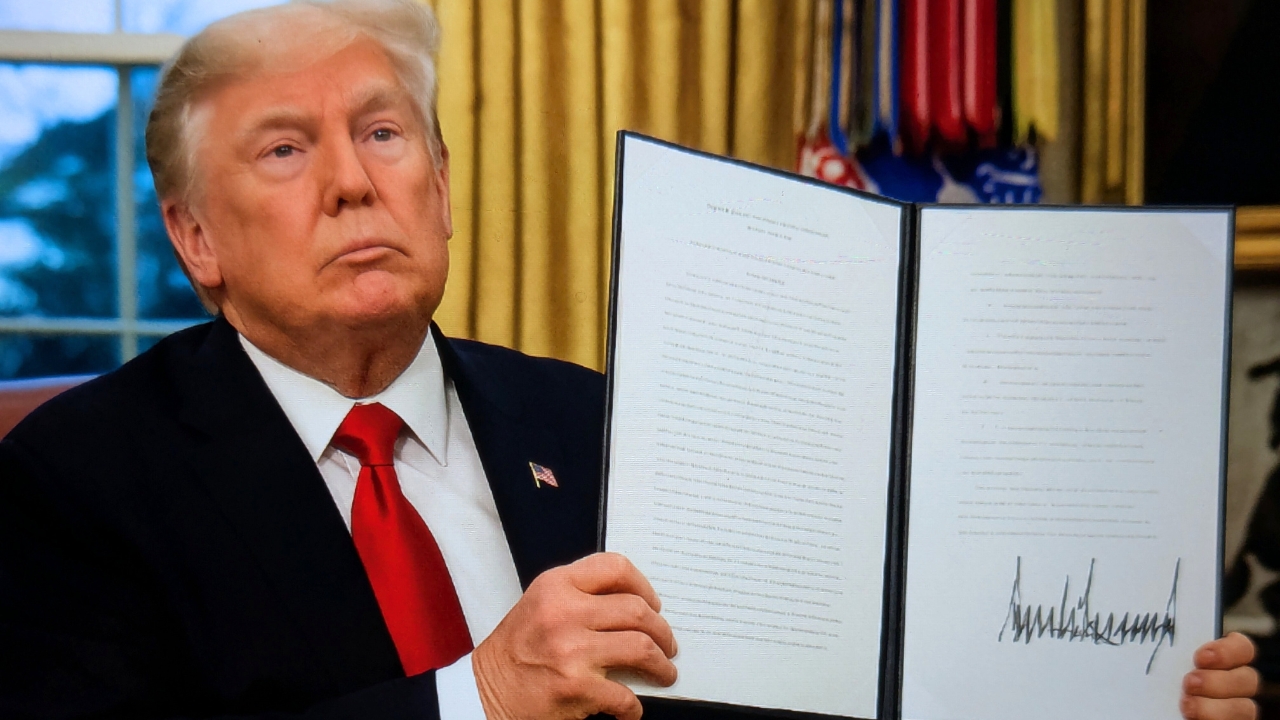
President Donald Trump has signed a new executive order aimed at cracking down on fraud, abuse, and improper payments across federal programs, launching a government-wide task force that the White House says will focus on protecting taxpayer money. The order, signed March 16, creates the “Task Force to Eliminate Fraud” and puts Vice President JD Vance in a leadership role as the administration looks to tighten oversight of how federal funds are distributed and used.
The White House has framed the move as part of a larger effort to go after what it says are hundreds of billions of dollars in waste and improper payments. In its fact sheet, the administration pointed to prior concerns about misuse of public funds and said the task force will focus on fraud, abuse, eligibility issues, vendor oversight, and possible repayment, suspension, and debarment actions where appropriate. The executive order also gives agencies 90 days to submit implementation plans.
The administration’s public rollout tied the order to several states and past fraud cases, including the large Minnesota child nutrition fraud case that has already drawn national attention. Reuters reported that Trump used the launch to broaden that argument nationally, saying the effort would no longer be limited to one state or one scandal. The same report said the administration is now casting the initiative as a nationwide anti-fraud push rather than a narrower response to a single program failure.
That broader framing is part of why the order is drawing so much attention. This is not being pitched as a small internal cleanup measure. It is being presented as a major anti-fraud campaign that could affect social-welfare funding, federal contractors, benefit eligibility, and the way agencies screen payments before money goes out the door. Federal News Network reported the effort fits into a wider White House push this year to tighten payment controls and improve fraud reporting across agencies.
At the same time, the politics around the move are already obvious. Reuters reported that Trump used the rollout to again argue that fraud is especially severe in Democratic-led states, while critics such as Minnesota Gov. Tim Walz have called the initiative politically motivated. That means the new task force is likely to be seen not only as a policy move, but also as part of a larger political messaging campaign heading deeper into 2026.
There is also an important distinction built into the story. The executive order targets fraud and improper payments, but “improper payments” is a broader term that can include administrative mistakes, overpayments, underpayments, and missing documentation, not only proven fraud. A recent GAO testimony highlighted that fraud and improper payments are related but distinct concepts, which matters because some headline language can make every questionable payment sound like confirmed criminal abuse when that is not always the case.
For now, the biggest takeaway is that Trump has formally created a new federal anti-fraud task force and is promising a far more aggressive response to waste and improper payments. Whether that leads to major recoveries, sweeping enforcement actions, or mostly a political fight over benefits and oversight will become clearer once agencies submit their plans and the administration starts showing how it intends to use the new authority. This final sentence is an inference based on the order’s 90-day implementation deadline and the administration’s stated goals.