Photo credit: schame/Shutterstock.com
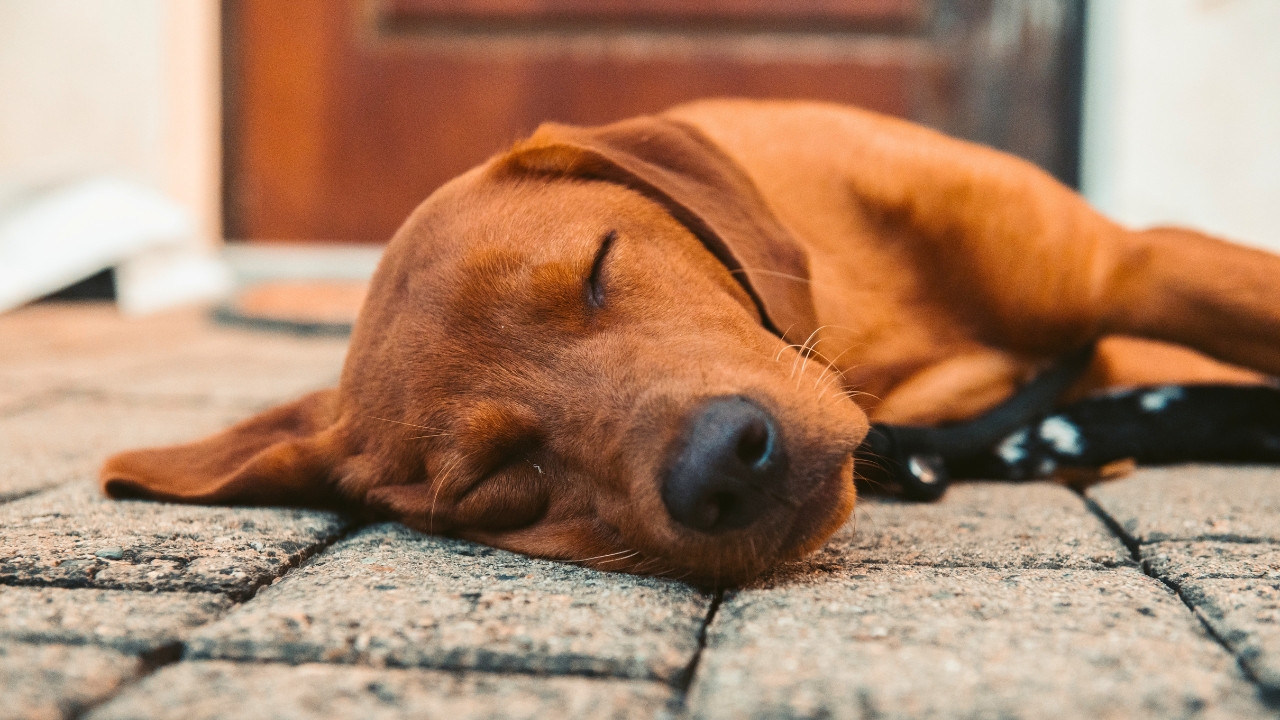
When a dog suddenly gives up the place it has slept in for months or even years, it gets your attention fast. Maybe it stops curling up at the foot of the bed. Maybe it quits using the crate it always liked. Maybe it abandons the couch corner, the rug by the door, or the dog bed you were sure it loved. At first, it can seem random. Dogs switch things up sometimes. But when the change feels sudden and consistent, there is usually a reason behind it.
Most of the time, that reason is not mysterious. Dogs change sleeping spots because something about comfort, temperature, stress, routine, or physical condition has changed. The old spot may no longer feel right, or a new spot may suddenly feel better. The important part is not to panic, but not to ignore it either. Dogs are creatures of habit, and when a habit tied to rest changes out of nowhere, it usually means something about the dog or the environment changed first.
The old spot may have stopped feeling comfortable
One of the simplest explanations is physical comfort. A place your dog used to love may not feel as good anymore. Maybe the bed has flattened out. Maybe the crate pad is worn thin. Maybe the floor in that room stays colder than it used to, or the couch cushion no longer gives the same support. Dogs do not sit around explaining discomfort. They solve it by moving. If the usual sleeping spot has become less comfortable, your dog may quietly abandon it and never look back.
This becomes even more likely with older dogs or dogs carrying a little stiffness. A spot that once felt fine can start feeling too hard, too warm, too cramped, or too difficult to get in and out of. That is why a sleeping change that looks emotional at first can really be physical. Your dog may not be rejecting the place in some dramatic sense. It may simply be choosing the spot that hurts less or supports its body better.
Temperature can change the whole routine
Dogs are a lot more sensitive to temperature than people give them credit for. If your dog suddenly stops sleeping in its usual place, one of the first things to consider is whether that area got warmer, colder, draftier, or stuffier than before. A bed near a vent may become less appealing when the heat or air kicks on more often. A crate in a quiet corner may suddenly feel too warm in summer. A tile floor that seemed uninviting before may start feeling perfect if the dog wants to cool down.
This is one reason dogs often rotate sleeping spots with the seasons. What feels cozy in winter can feel miserable in July. What felt too open in cool weather may become attractive once the house gets stuffy. If the change happened around a weather shift or after you changed something inside the house, that answer is often more likely than people think. Dogs chase comfort with surprising consistency.
Stress can make your dog choose a different place
Sometimes the usual spot still feels physically fine, but the dog no longer feels settled there. Stress can do that. A dog may stop sleeping in its old place because the room feels too noisy, too busy, or too unpredictable. A new baby, visiting family, another pet, construction noise, fireworks, storms, or even a changed household schedule can make a dog rethink where it feels safest. Instead of sleeping where it always has, it may move somewhere quieter, closer to you, or easier to monitor.
This is where context matters. If your dog has also seemed clingier, more restless, more alert, or slower to settle overall, the sleeping change may be part of a bigger emotional shift. The dog is not being difficult. It is trying to find the place that feels most manageable right now. For some dogs, that means hiding away. For others, it means sleeping closer to their person than they used to.
Pain or illness can change sleeping habits fast
A dog that suddenly changes where it sleeps may be doing it because it does not feel right. Pain, nausea, joint issues, skin irritation, digestive trouble, and general illness can all make a dog seek a different place to rest. Sometimes the new spot is cooler. Sometimes it is easier to get into. Sometimes it is closer to you for reassurance. Sometimes it is just different enough that the dog keeps trying things until one feels better.
This is especially worth noticing if the sleeping change came with anything else. Less appetite, slower movement, panting, pacing, reluctance to jump, extra licking, nighttime wandering, or a quieter mood all make the behavior more meaningful. Dogs often show discomfort through routine changes before they show it in obvious ways. A sudden move away from the usual sleeping place can be one of those early clues.
Your dog may be reacting to a change in you
Dogs pay close attention to people, and where they sleep is often tied to what feels closest, safest, or most useful in relation to their person. If you have been stressed, sick, home more often, home less often, or moving differently, your dog may respond by changing where it sleeps. A dog that used to rest across the room may suddenly want to sleep right beside you. Another dog may move to a doorway or hallway where it can better keep tabs on what you are doing.
This can feel odd because nothing changed about the dog’s bed itself. What changed is the meaning of the space around it. If your dog senses a shift in your routine or your condition, it may reposition itself to match. Dogs are extremely good at tracking patterns, and sometimes a new sleeping spot is really just a new strategy for staying connected to whatever feels different in the house.
Another pet may have changed the equation
If you have more than one animal in the house, sleeping changes are not always about comfort alone. They can also be social. A new pet, a maturing pet, or even a subtle shift in the relationship between animals can make one dog stop using a place it used to sleep without issue. The old spot may now feel crowded, exposed, or claimed. Even if you never see open conflict, dogs can change where they rest based on tension, competition, or just wanting more space.
This is easy to miss because the dog may not act upset during the day. But rest is vulnerable, and dogs are often picky about where they fully let their guard down. If another animal has started lingering near the old bed, passing too close, or disrupting that area, your dog may simply decide sleeping somewhere else is easier than dealing with it.
Age can make dogs change long-standing habits
Older dogs often stop sleeping in their usual places for reasons that make perfect sense once you think about them. Arthritis can make climbing onto furniture harder. Vision or hearing changes can make them prefer a more central or familiar spot. Cognitive changes can make them more restless or more likely to drift away from established routines. A dog that slept in one place for years may suddenly start choosing the hallway, the bathroom floor, or a bed closer to your room simply because aging changed what feels manageable.
That does not always mean something is badly wrong. Aging dogs adjust. They seek warmth differently, support differently, and reassurance differently than they used to. But a new sleeping habit in an older dog is still worth paying attention to, especially if it comes with pacing at night, confusion, more clinginess, or signs of discomfort getting up and down.
Sometimes the new spot simply works better
Not every sleeping change is a warning sign. Sometimes your dog has just found a better setup. Maybe the sun hits a different part of the floor now. Maybe the house is quieter in another room. Maybe you moved furniture and accidentally created the perfect sleeping corner. Dogs do not care about the emotional value we attach to their “usual spot.” If a new place feels better, they may switch with zero concern about what you think that means.
The bigger question is whether the dog otherwise seems normal. If your dog is eating well, moving normally, relaxing deeply, and acting like itself, the new sleeping spot may not be a problem at all. It may simply be an upgrade in the dog’s mind. Dogs are practical that way.
When the change deserves a closer look
The sleeping change becomes more important when it is sudden, persistent, and paired with something else. If your dog seems restless, uncomfortable, clingy, withdrawn, confused, or physically off in any way, do not brush it aside as a quirky mood. A change in where a dog sleeps can be one of the clearest early signs that something is different, especially if the old spot had been part of a steady routine for a long time.
The key is to look at the full picture. Check the sleeping area itself. Think about temperature, noise, comfort, and household changes. Then think about the dog’s body and behavior. Dogs usually have a reason for changing something as basic as where they rest. The behavior is not random nearly as often as people think.
What your dog is really telling you
When your dog suddenly stops sleeping in its usual spot, it is usually telling you that the old setup no longer feels like the best option. That could mean discomfort. It could mean stress. It could mean a change in temperature, routine, social dynamics, or physical condition. Sometimes it means nothing more than the dog found a better place. Sometimes it is the first small signal that something bigger changed.
Either way, it is worth noticing. Sleep is one of the most basic parts of a dog’s daily life, and dogs do not usually abandon a trusted routine without a reason. The smartest response is not to overreact. It is to pay attention, look at what changed, and read the new sleeping spot as information instead of random behavior. A lot of the time, your dog is making perfect sense. You just have to look at the change the way the dog does.
Like The Avid Outdoorsman’s content? Subscribe to our newsletter so you never miss an article.
Here’s more from us: