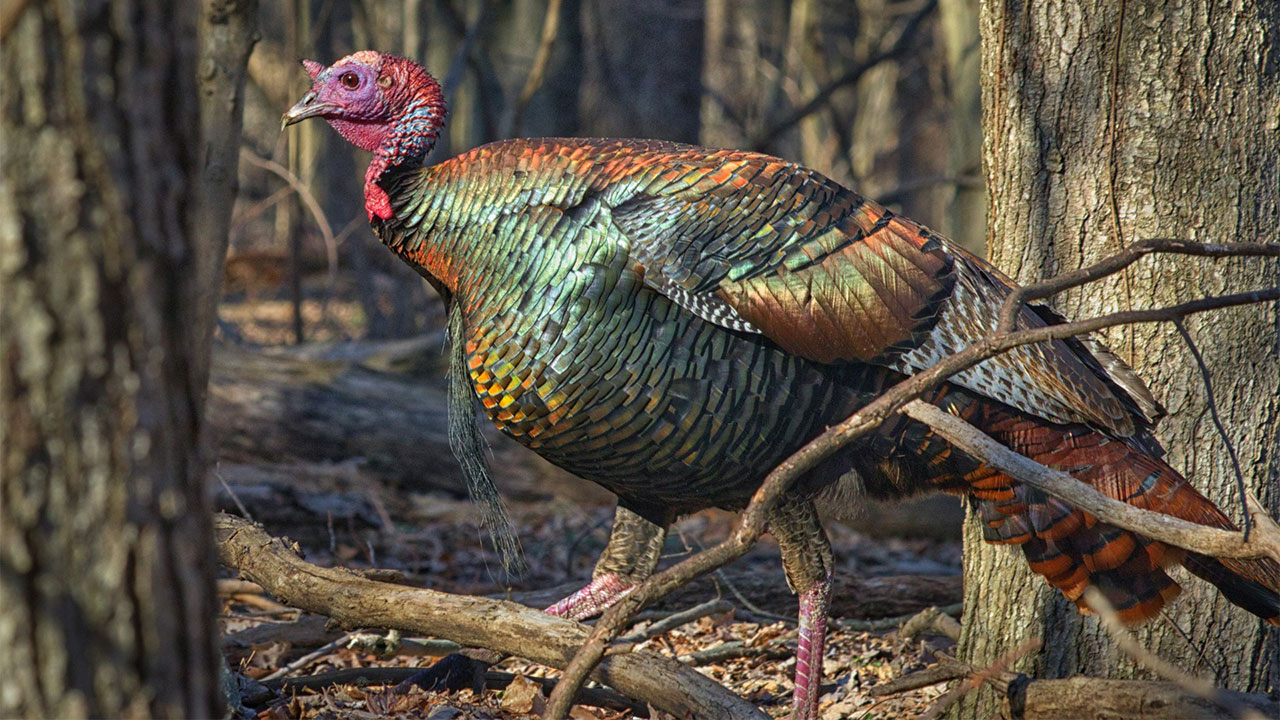
Photo credit: George Karelitsky/Unsplash.com
Turkey hunting can make a person hear what he wants to hear.
A little rustle in the leaves sounds like a bird slipping in. A distant gobble gets your heart up. A call from across the ridge can make you start building the whole scene in your mind before you ever see a feather. That is part of what makes turkey hunting so addictive, but it is also what makes it dangerous when people stop thinking like humans and start thinking only like hunters.
This story came up in a Reddit thread where hunters were sharing their strangest and scariest moments in the woods. One hunter described a turkey hunt that started like a normal public-land setup and turned into a lesson in how easy it is for two people to work each other without realizing it.
He was out on public land, calling turkeys. Somewhere off in the distance, another sound answered back. In the moment, it seemed like the kind of thing every turkey hunter hopes for. You call. Something responds. You adjust, wait, call again, and try to read what that “bird” is doing.
So that is what he did.
The back-and-forth kept going. He would call, and the sound would come back. It was enough to keep him interested and enough to make him think he might be pulling a tom closer. If you have ever turkey hunted, you know how quickly that can lock you in. You start thinking about terrain, cover, the next setup, where the bird might hang up, and how to close the distance without getting busted.
The problem was that the “turkey” on the other end was doing the same thing.
Eventually, the hunter realized he had not been calling to a gobbler at all. He had been calling back and forth with another hunter. Worse, both of them had been moving and reacting like they were working a bird.
That is one of those moments that feels funny later only because nothing bad happened. In real time, it is the kind of realization that makes your stomach drop.
Turkey hunting is already one of the hunting styles where identification matters more than excitement. You are dealing with camo, calls, movement, thick brush, decoys, and hunters trying very hard to sound like the animal they are hunting. That combination can get sketchy fast when somebody gets too eager or assumes a sound equals a target.
That is why the story hits a nerve. These two hunters were not just hearing each other in passing. They were interacting. Each one thought the other might be a bird. Each one was responding in a way designed to bring the “bird” closer. On public land, where you may not know who else is around, that can turn into a bad situation if either person rushes, stalks sound, or points a gun toward movement without positive identification.
And turkey hunting has a bad habit of tempting people into exactly that.
A gobble gets close, and suddenly a man wants to shift a few yards. A yelp sounds right, and he wants to peek over the rise. Something moves behind brush, and he starts thinking beard, fan, and shot opportunity before his eyes have truly confirmed what is there. That is where accidents come from.
This hunter got the warning without the tragedy. He realized the “bird” was another person before anything terrible happened.
Still, imagine that awkward moment. You have been calling like you are talking to a tom, maybe repositioning, maybe getting excited, and then reality snaps into place: the thing answering you has a gun too. Not only that, he may have been thinking the same thing about you.
That changes the entire hunt.
The woods do not feel quite as empty after that. The call in your vest suddenly feels less harmless. Every answer makes you wonder whether it came from feathers or from another guy tucked against a tree, wearing camo, trying to do the same thing you are.
It is also the kind of story that reminds hunters why stalking turkeys on public land is risky. Calling from a setup is one thing. Closing distance on a gobble can be part of the game, but doing it without knowing who or what is ahead can put you right in another hunter’s lap. And if that other hunter is doing the same thing, you now have two armed people moving toward each other in camo, both listening for a bird that may not exist.
That is a bad recipe.
The safest turkey hunters tend to be patient, boring, and stubborn about identification. They do not shoot at sound. They do not shoot at movement. They do not shoot at a fan without knowing what is behind it. They do not assume every call belongs to a bird. They expect other hunters to be out there, especially on public ground.
This story shows why.
Nothing dramatic had to happen for it to be scary. No shot fired. No confrontation. No shouting match at the truck. Just the realization that two hunters had been working each other like turkeys, and both had gotten close enough to understand how easily the day could have turned ugly.
Commenters in the thread understood exactly why the story felt unsettling.
A lot of hunters said turkey season creates some of the strangest and riskiest interactions in the woods because everyone is hidden, everyone is making animal sounds, and everyone is listening hard for a response. Public land only adds to that because you usually do not know how many people are in the area or where they set up.
Several commenters talked about the importance of never stalking a call unless you are absolutely sure what made it. A turkey call can come from a bird, but it can also come from a hunter with a box call, slate call, diaphragm call, or phone app. On pressured ground, that “hot bird” could easily be another person trying to pull in the same imaginary gobbler.
Others brought up decoy safety. A few hunters said they are careful about where they place decoys on public land because they do not want another hunter seeing a fan or body shape before he sees the person sitting behind it. The same idea applies to calling: anything meant to fool a turkey can also fool a person who is not being careful enough.
Some commenters shared similar stories of hearing calls, moving toward them, and realizing later they were dealing with another hunter. Most of those stories ended with embarrassment and relief, but the tone underneath them was serious. Everyone knew how thin the line can be between a funny campfire story and a game warden report.
There were also comments about communication. If another hunter is close, sometimes the smartest move is to speak up in a normal human voice. That can feel like ruining the hunt, but it is better than letting two armed people keep creeping toward each other through brush. A “Hey, hunter over here” may spook a turkey, but it also keeps everyone clear on what is happening.
The bigger lesson was simple: public-land turkey hunting requires a cooler head than people admit. Excitement is part of it, but so is restraint. If a sound answers your call, do not let hope outrun common sense. Make sure the bird is actually a bird before you start chasing it.