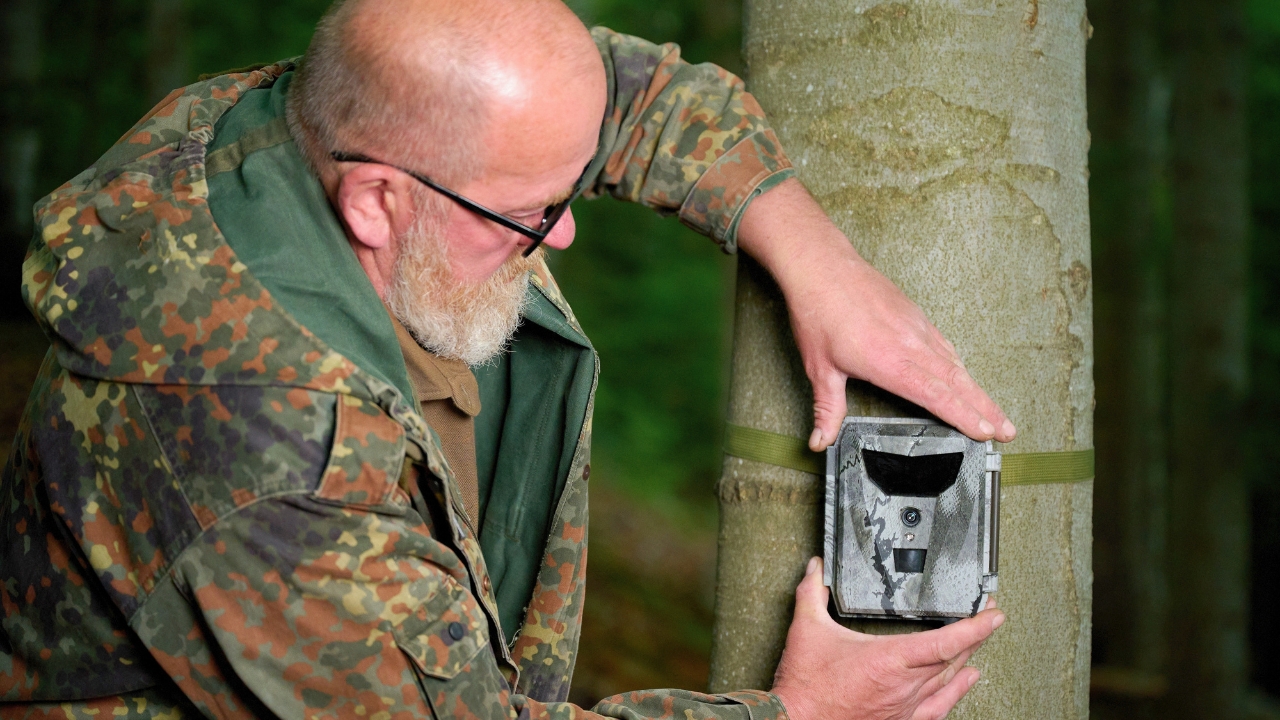
Photo credit: dr.D/Shutterstock.com
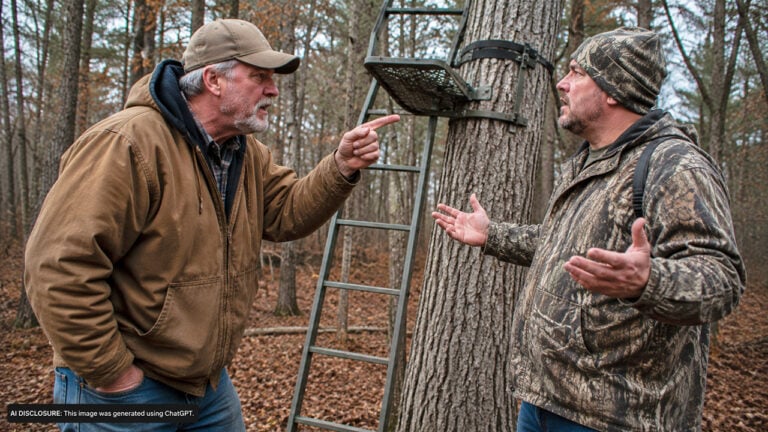
A landowner on Reddit said he went out to check his property and found that trespassers had hit him again. In the post, he explained that two of his trail cameras were gone, and one of them had been taken in a way that felt especially deliberate. According to him, the strap had been cut in half and left hanging next to the tree. That detail made the whole thing feel less like a quick grab and more like somebody taking their time, doing exactly what they wanted, and leaving a little evidence behind to show they had been there. He added that this was not the first time trespassers had shown up on the property, which is why he posted asking how to catch them or at least scare them off for good.
The post itself was short, but it carried that tired, fed-up tone people get when a problem has already gone past being surprising. He was not reacting like someone shocked by a one-off theft. He sounded like someone who had already dealt with enough of this to know it was turning into a pattern. The missing cameras mattered, sure, but the bigger issue was what they represented. Somebody was coming onto his land, moving around enough to find the cameras, taking them down, and apparently feeling comfortable enough to do it more than once.
The replies immediately turned practical. One of the first suggestions was to go after the problem like a baited setup: put cameras in the obvious places, then hang hidden ones higher up, pointed down at the first set, so anyone messing with the visible gear gets caught by the second layer. Other commenters suggested lock boxes, python cables, and cellular cams that send photos offsite before a thief can take the unit. A few people said the real trick is not trying to make cameras impossible to steal, but making sure the person stealing them never realizes how many lenses are actually watching.
Some replies got more aggressive in tone, but even there the core idea was the same: catch them in the act, get evidence, and involve law enforcement or the game warden with something stronger than a suspicion. One commenter said to set out an obvious “decoy” camera and then hide others nearby where thieves would never think to look. Another suggested placing cams where vehicles enter and exit instead of focusing only on where game moves, because if you get a plate number, the whole thing changes. The thread read like a bunch of people who had either dealt with the same mess or had at least spent enough time around rural property to know that once somebody gets comfortable trespassing, they usually do not stop on their own.
What gave the story a little more edge is that the original poster was not just asking how to identify the thief. He wanted to “catch/scare the shit out of them,” which tells you where his head was. He sounded less interested in replacing the cameras than in making the next trespasser realize this property was no longer easy pickings. The cut strap hanging beside the tree had clearly gotten under his skin. It was not just theft. It felt like somebody leaving a little insult behind.
That is probably why the thread landed with so many hunters and landowners. It is one thing to lose a camera to weather, a dead battery, or even a random grab. It is another thing to know somebody crossed onto your land, found what you put up, cut it loose, and walked out with it while leaving the damaged strap behind. That detail turns a missing trail cam into something more personal. By the time the poster asked for advice, it was obvious he no longer saw this as a nuisance. He saw it as someone getting bold on ground that was supposed to be his.