Photo credit: jfwalker/Shutterstock.com
You can have a great rifle, shotgun, or carbine—but if the optic doesn’t match how the gun is meant to be used, you’ll feel it every time you shoot. It might be too heavy, too much magnification, too little eye relief, or a poor field of view. Some optics make the whole platform slower, bulkier, or flat-out clumsier. It doesn’t mean the scope is bad. It just means it doesn’t belong on that gun. Here are the setups that too many folks mess up by bolting on the wrong glass.
Ruger 10/22 with a giant scope
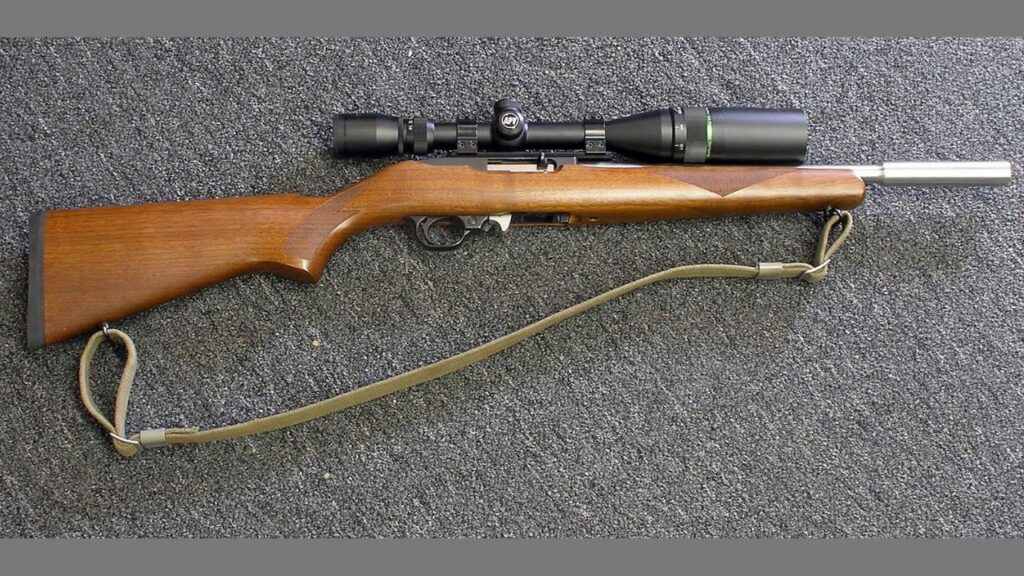
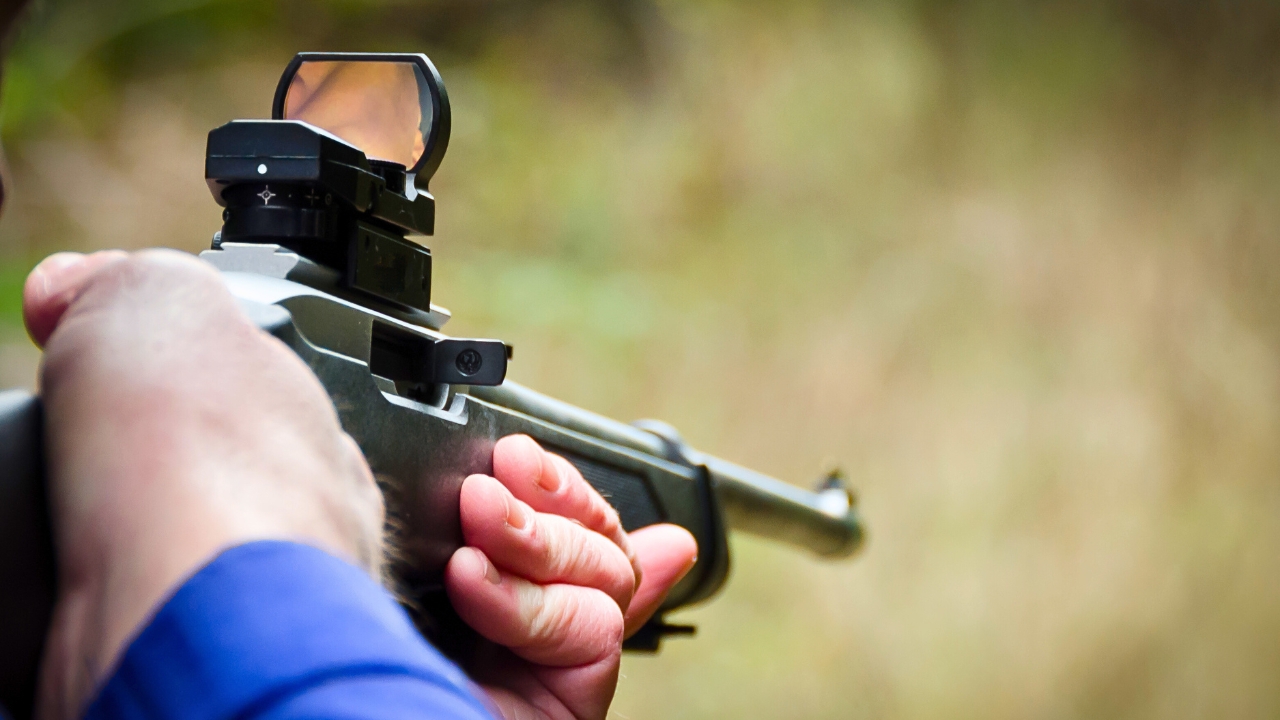
The Ruger 10/22 is a lightweight rimfire rifle made for quick shots and fun plinking. But some folks drop a big 4-16×50 scope on it, and that extra bulk turns a handy rifle into a clunky mess. You’re adding unnecessary weight, slowing down target acquisition, and making offhand shots harder than they need to be.
The 10/22 shines with a small 2-7x rimfire scope or even a red dot. That keeps things light and fast, which is the whole point of the rifle. If you want to stretch out past 100 yards, sure, add some magnification. But if you’re shooting steel at 50 or knocking down squirrels in the woods, a massive optic only gets in the way. It makes a great gun feel sluggish and top-heavy.
Marlin 1895 with a high-power variable scope
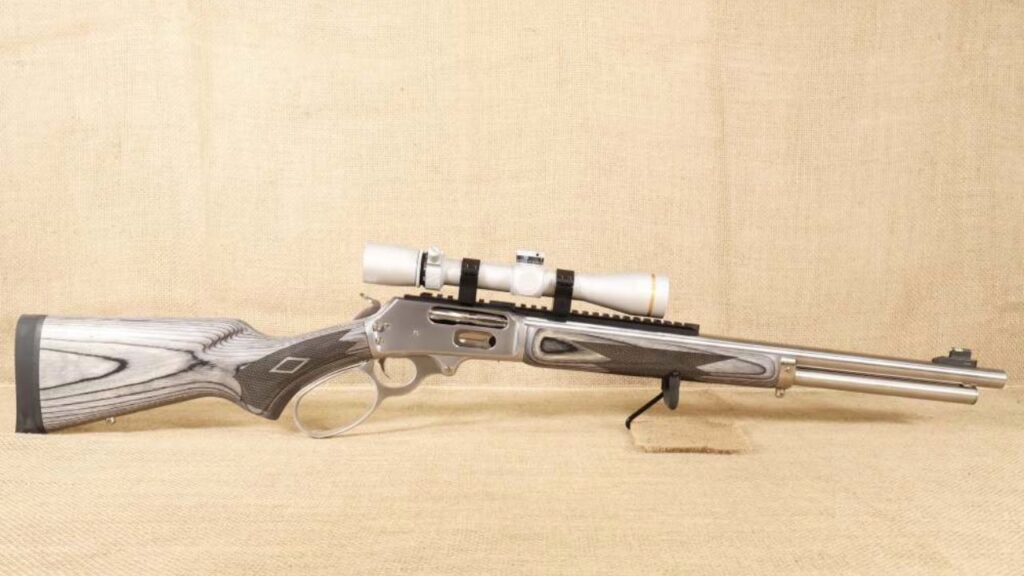
The Marlin 1895 in .45-70 is built for quick shots at close to moderate ranges. Slapping a 3-18x or something with a big objective on top turns it into something it was never meant to be. That kind of scope ruins the rifle’s balance, slows you down in the timber, and makes quick follow-ups harder.
This rifle is best paired with a scout scope, low-power variable, or even a red dot. Keep it light, keep it close, and let the rifle work the way it wants to. Adding a heavy, high-magnification optic doesn’t give you more range—the cartridge is still what it is. All it does is make a fast, powerful brush gun feel like a slow, awkward setup.
Mossberg 500 with a cheap red dot
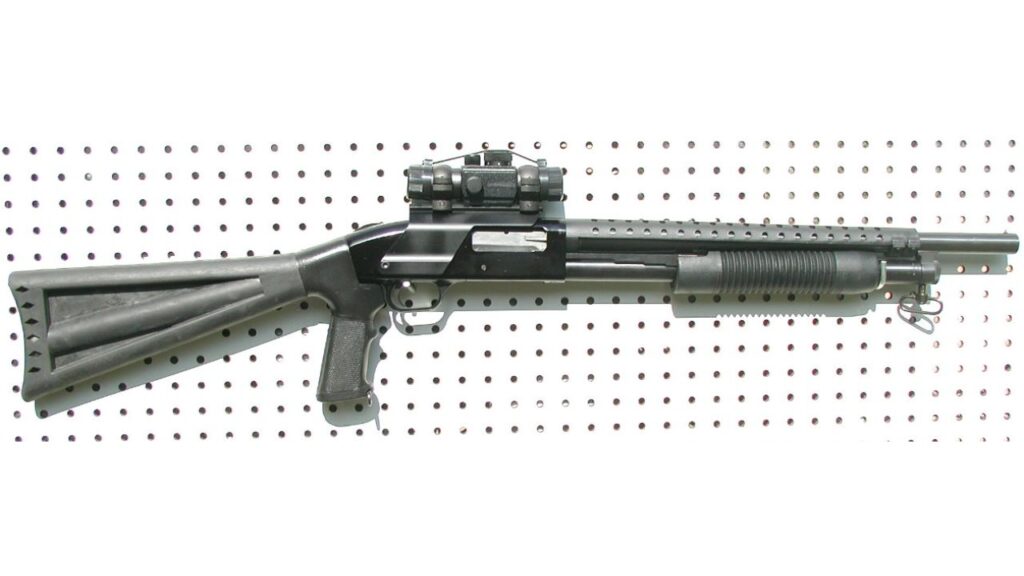
A Mossberg 500 is a rock-solid pump gun, and plenty of people mount red dots on them for turkey, deer, or home defense. But the trouble starts when you slap on the cheapest red dot you can find. Some of these budget optics don’t hold zero, wash out in bright light, or have unreliable battery life.
Instead of making your shotgun faster, it slows you down with inconsistent performance. If you’re using it for hunting or home defense, you can’t afford that kind of uncertainty. If you want a red dot on a pump gun, pick one that’s built to handle recoil and stay visible in full sun. The wrong red dot won’t break the bank, but it might break your trust the first time you really need it.
AR-15 with a hunting scope

An AR-15 in 5.56 is light, fast, and made for quick target transitions. But sometimes you see folks running a big 3-9x hunting scope with a giant objective and long eye relief. That setup slows down everything that makes the AR shine. You lose peripheral vision, you fumble with eye alignment, and you give up speed.
It doesn’t mean hunting scopes are bad—they’re just not meant for that platform. A red dot, LPVO, or even a prism scope keeps the rifle balanced and lets you shoot faster. Once you drop that big hunting scope on top, the AR handles like a fence post and feels all wrong in the hand. The optic changes how you shoot—and in this case, not for the better.
Savage Axis with a red dot

The Savage Axis is a budget-friendly bolt-action that’s capable of solid accuracy. But every now and then, someone mounts a red dot on it thinking it’ll make it a quick woods gun. It doesn’t. You end up losing out on the rifle’s real potential, which is making clean hits from 100 to 300 yards.
Red dots shine at close range, but most bolt guns don’t cycle fast enough to take full advantage of that speed. Meanwhile, your field of view and precision are limited. A decent 3-9x or even a fixed 4x gives you way more versatility. It doesn’t need to be fancy. It just needs to match the rifle’s strengths. A red dot on an Axis might look cool, but it leaves accuracy on the table.
Henry .22 lever-action with an LPVO
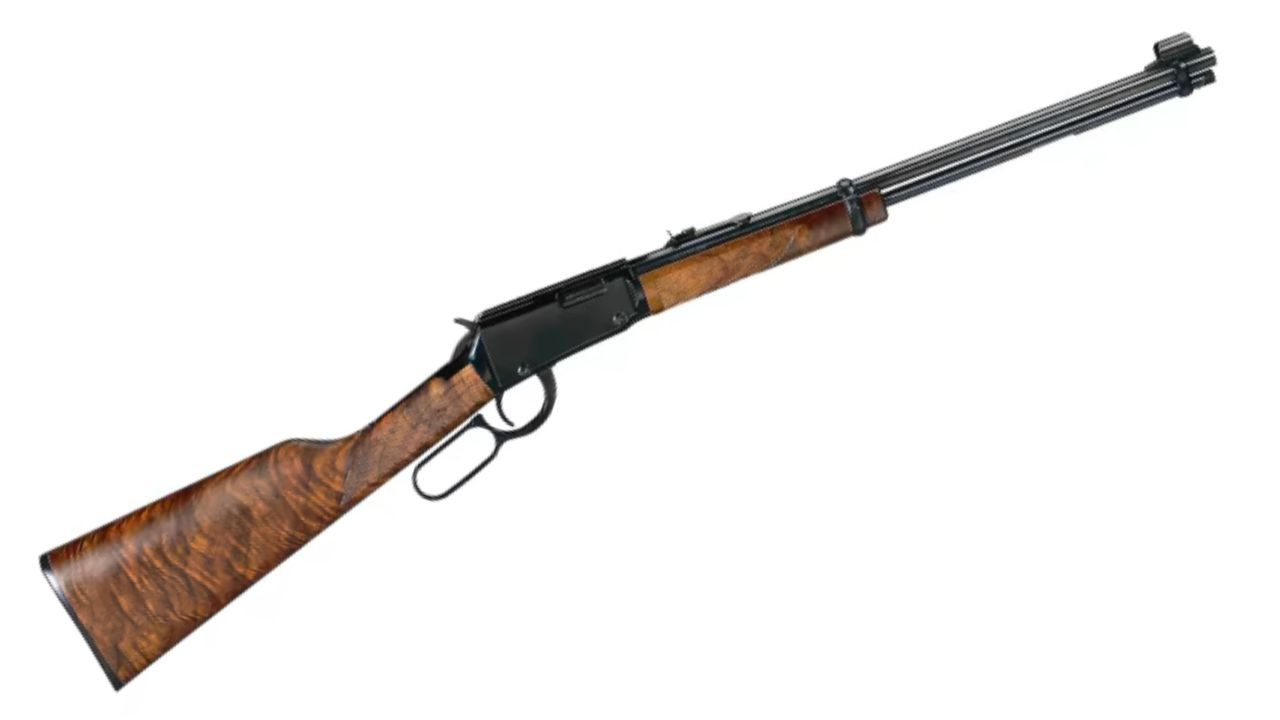
A .22 lever gun is one of the most fun rifles to shoot, but it’s meant for plinking, small game, and fast shots at close range. Mounting a low-power variable optic (like a 1-6x or 1-8x) seems tempting, but it adds weight and bulk without really helping.
The rifle becomes front-heavy, and you lose that quick pointing ability. If you’re squirrel hunting or ringing steel, a little 2-7x or a fixed power rimfire scope does the job better. Even a peep sight or red dot is more in line with how these rifles are used. LPVOs make sense on ARs and battle rifles. On a Henry .22, they make it feel like it’s wearing boots in a bathtub.
Remington 7600 with a long-range tactical scope

The 7600 pump-action rifle is built for fast follow-up shots in thick woods. You don’t need a massive tactical scope with target turrets and a giant sunshade. That kind of setup throws off the rifle’s balance and turns it into something it was never meant to be.
You’re not dialing shots at 600 yards with this gun. You’re taking quick shots at deer in cover. Keep it simple. A 1-4x, 2-7x, or even a fixed 4x gives you better handling and the kind of sight picture this rifle thrives with. A long-range scope doesn’t make your 7600 a sniper rifle. It just makes it slow and awkward.
AK-47 with a high-mount variable scope

AKs aren’t precision rifles. They’re reliable, quick, and meant for mid-range work. Mounting a 3-9x scope on a high side rail or dust cover mount often throws off the cheek weld and makes the gun harder to shoot well.
The scope ends up too high, too heavy, and way more than you need for how an AK operates. Accuracy doesn’t really improve with the magnification because the rifle isn’t built for it. You end up with slower follow-ups, poor ergonomics, and a rifle that feels clumsy in the hand. Stick to a red dot or low-mount prism optic that lets you shoot fast and keep your face where it belongs.
Ruger American Predator with a giant objective bell

The American Predator is a lightweight bolt-action rifle designed for practical accuracy. Mounting a scope with a 56mm objective sounds good for light transmission, but it raises the line of sight, forces high rings, and ruins your cheek weld.
It also adds front-end weight that throws off the rifle’s handling. Unless you’re hunting only from a bench or blind, you’ll feel the drag in the field. A 40mm or 44mm objective keeps everything in balance. You still get plenty of brightness, and you don’t need to fight your scope for eye alignment every time you shoulder the rifle.
Scout rifle with a standard eye relief scope
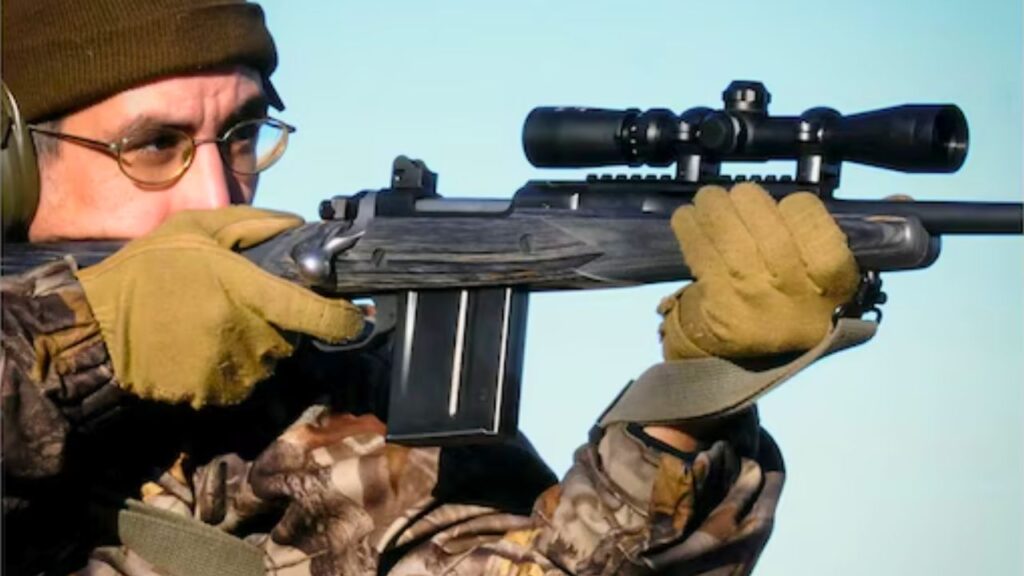
Scout rifles are built to run forward-mounted optics with long eye relief. If you try to run a standard scope in a traditional rear-mount position, you defeat the whole purpose. You lose situational awareness, disrupt the rifle’s balance, and the eye box becomes unforgiving.
The scout concept is about speed and flexibility. It works best with a low-power, long-eye-relief scope or even a red dot. When you mount a big rear glass, you slow down target acquisition, especially in field conditions. It might look like a traditional rifle, but it doesn’t work like one. Using the wrong optic strips away everything the platform was designed to do well.
*This article was developed with AI-powered tools and has been carefully reviewed by our editors.