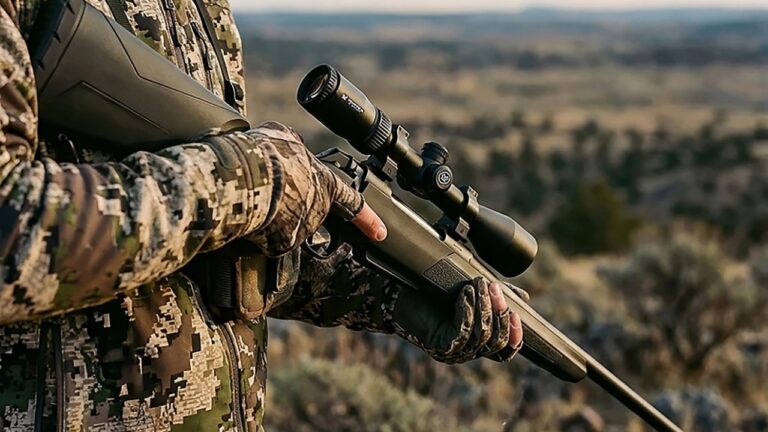
Photo credit: William T Smith/Shutterstock.com
A deer rifle can feel “dead on” in a couple slow shots off bags, then start throwing groups all over the place once you shoot a realistic string, bump it around in a truck, or hunt through wet weather. Most of the time, it’s not that the rifle is “bad.” It’s that the setup is sensitive: thin barrels heat fast, plastic stocks flex, action screws walk, scope mounts loosen, or the rifle just isn’t bedded well enough to hold point of impact after normal use.
Remington 700 ADL synthetic (factory tupperware stock)

A lot of 700 ADL rifles will shoot fine at first, then accuracy starts drifting once you put real hunting use on them. The usual culprit is the factory synthetic stock. It can flex under sling tension or when you load a bipod, and that changes how the action sits and how the barrel is pressured. You’ll see it as groups that open up or a point-of-impact shift that seems to come and go.
Another thing that gets people is loose screws over time. If your action screws aren’t torqued consistently, the rifle can feel like it “lost its zero” between range trips. The fix is usually boring: torque screws properly, verify scope base screws, and consider a stiffer stock or bedding if you want it to stay consistent season after season.
Savage Axis (factory stock setups)

The Axis has put a lot of deer in freezers, but it can be a rifle that looks accurate for two shots and then starts getting inconsistent when you shoot longer strings. A big reason is the light barrel and flexible stock combination. Heat builds fast, and the stock can change pressure on the barrel if you rest it differently shot to shot. That’s where you get the “it was grouping, then it wasn’t” experience.
It also doesn’t help that plenty of Axis rifles live hard lives—bounced behind a seat, carried without much maintenance, and rarely checked for screw torque. If you want the Axis to stay consistent, you have to treat it like a real tool: confirm action screw torque, use a stable rest that doesn’t push on the barrel, and don’t judge it off two cold shots.
Ruger American (standard hunting models with the factory stock)

Ruger Americans often shoot surprisingly well, but some setups lose consistency faster than you expect once you shoot more than a couple rounds or change how the rifle is supported. The light barrel warms up quickly, and the factory stock can flex enough to change your barrel clearance. If the fore-end is contacting the barrel sometimes and not others, accuracy turns into a moving target.
The other issue is “set and forget” scope mounting. A budget rifle deserves good rings and proper screw torque just like any other. If you’re seeing random fliers or a wandering zero, check base screws, ring screws, and action screws before you blame the barrel. With a little attention, many Ruger Americans stay solid—but they don’t always forgive sloppy setup.
Mossberg Patriot

The Patriot can be a perfectly usable deer rifle, but it’s also known for being sensitive to the little stuff that people ignore. The factory stock and bedding surfaces aren’t always consistent, and that can show up as groups that open up after the first couple shots or a rifle that shifts point of impact after travel. You’ll hear guys say, “It was good last year,” then it’s suddenly printing elsewhere.
A lot of that is stock pressure and screw torque, not some mysterious barrel issue. If you own one, your best move is to shoot it the way you hunt—cold bore and then a couple follow-up shots—and see if it holds. If it doesn’t, go straight to checking screws, scope mount quality, and whether the barrel is truly free-floated.
Thompson/Center Compass

The Compass is another rifle that can shoot great for the money, but some of them lose consistency quickly if you don’t set them up carefully. The stock can flex, and the action bedding isn’t always the most confidence-inspiring when you start putting real pressure on the rifle. If you shoot off a hard rest one day and a soft bag the next, your impact can move more than you’d expect.
The other thing is barrel heat. A thin sporter barrel can go from “tight enough” to “why is this opening up” fast, especially if you’re excited and ripping rounds. The Compass can still be a good deer rifle, but you’ll get the best results if you confirm torque, use decent rings, and test for consistency across different rests and realistic shot pacing.
Winchester XPR (lighter sporter configurations)

The XPR can be very accurate, but in its lighter hunting setups it can also show accuracy “fade” when the barrel heats or when the rifle gets knocked around. Thin barrels don’t give you much room for error, and if the stock fit and barrel channel clearance aren’t perfect, you can see pressure changes that widen groups fast. Most hunters don’t notice this until they shoot more than two or three rounds in a row.
Another common factor is scope mounting shortcuts. Lightweight rifles get carried a lot, and a little mount looseness turns into a wandering zero by mid-season. If you’re running an XPR and it suddenly feels less consistent than it used to, don’t start chasing ammo first. Check the mechanical basics, then test the rifle cold-to-warm and see what it’s really doing.
Remington 700 Mountain Rifle

Mountain rifles are great to carry, but the tradeoff is they often lose group quality fast once you heat the barrel or shoot from positions that add pressure. That thin barrel warms quickly and can walk shots. You might not see it in a two-shot “looks good” group, but you’ll see it in a 5-shot string or when you shoot, reload, and shoot again without letting it cool.
The other issue is that many of these rifles were bought to be light, not to be fired a lot at the range. That means stocks and bedding aren’t always set up to handle repeated heat cycles and pressure changes. If you run a mountain-style 700, zero it, confirm cold bore, and then learn exactly how many shots you can take before you need to slow down and let it settle.
Kimber Montana (ultralight hunting rifles)
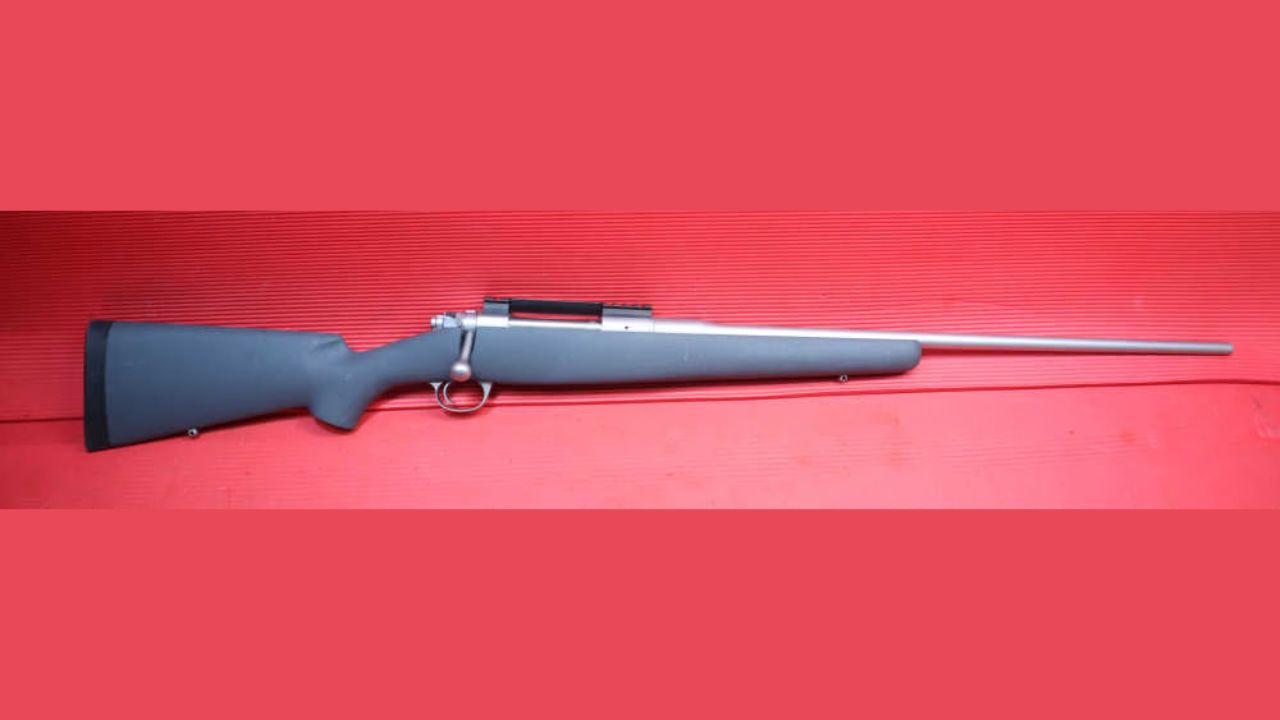
Kimber Montanas can be excellent, but they’re also a classic example of a rifle that demands good fundamentals and realistic expectations. They’re light, and light rifles are less forgiving. Small changes in grip, shoulder pressure, and rest position can change your point of impact. Many shooters interpret that as the rifle “losing accuracy,” when it’s really the system being sensitive.
Heat is another factor. A light barrel and light rifle can go south quickly if you shoot fast. If you own one, you need a consistent shooting method and you need to test it like a hunter: cold bore, a follow-up shot, then stop. If you want it to behave like a heavier range rifle in long strings, you’re going to be disappointed.
Ruger Hawkeye Ultralight

Ruger’s ultralight hunting rifles can be great field guns, but they can also show group expansion quickly when you shoot more than a couple rounds. Again, barrel heat and stock pressure are the main reasons. When everything is light, it doesn’t take much to change how the rifle reacts. Even switching between a bipod, a bag, and a hard rest can change the feel and the results.
A lot of hunters buy these rifles for steep terrain and then try to evaluate them like a bench gun. That’s where the frustration starts. The smart approach is to test it under the same conditions you’ll hunt with, then accept the reality: your rifle is built to carry and make the first shot count. If you want long strings, go heavier.
Weatherby Mark V Ultra Lightweight

Ultra-lightweight rifles are awesome until you want them to behave like a heavier gun. The Mark V Ultra Lightweight can be extremely effective, but it can also show accuracy “fade” fast if you shoot too quickly or if your shooting position changes. The rifle’s light weight makes recoil management more important, and inconsistent shoulder pressure can move impacts more than people expect.
Another thing is how quickly you can warm that barrel. A couple shots and you’re already in a different heat state than your cold-bore zero. If you’re evaluating one, don’t run 10 rounds and decide it’s inaccurate. Confirm cold bore, then shoot a couple paced shots and watch for any walking. It’s a hunting rifle design choice, not always a defect.
Savage 110 Lightweight Storm

The Savage 110 platform is capable, but the lightweight variants can show the same issues as other light rifles: fast heating barrels and setups that don’t love being shot quickly. If you’ve got a lightweight 110, you might see great first-shot accuracy and then a rapid widening of groups once you keep sending rounds.
It doesn’t help that some lightweight hunting stocks flex under pressure. If you’re using a sling and pulling into it hard, you can change how the rifle sits and how the barrel clears the channel. The fix is usually simple: confirm your rest method, confirm your torque values, and shoot it like a hunting rifle. If you want it to stay tight in longer strings, slow down and let it cool.
Browning X-Bolt

X-Bolts are generally good rifles, but the lighter hunting models can still get “quirky” in the way they respond to heat and pressure changes—especially if you’re not consistent in how you support the fore-end. A thin barrel warms up fast, and a small pressure difference at the rest can turn a tight group into a wide one. People often don’t notice until they start practicing more seriously.
Another thing to watch is the scope mounting system. If you’re swapping optics or using rings that aren’t properly fitted, you can chase your tail. The rifle gets blamed, but the culprit is loose or shifting mount hardware. If your X-Bolt feels like it “lost accuracy,” lock down the mounts, verify screws, and test it with paced shots before you assume the barrel went bad.
Marlin X7

You still see Marlin X7 rifles around, and some of them shoot very well. The issue is consistency over time. On an older budget bolt gun, little things matter more: stock stability, bedding surfaces, and screw torque. If the rifle has been in and out of trucks and closets for years, it may not hold the same point of impact without a little maintenance and attention.
Another common issue is scope and ring quality. Many of these rifles were set up with whatever was cheap at the time, and years later people are surprised when accuracy seems to “fade.” The rifle might be fine. The setup might not be. If you’ve got an X7, treat it like a project: confirm mounts, check screws, test multiple loads, and see if the issue is repeatable or just random.
Rossi RB22 / RB17

Every year you’ll see someone trying to stretch an ultra-budget bolt gun into deer rifle territory. Even when caliber is appropriate, the problem tends to be consistency. The stocks and bedding are often not stiff enough to keep everything stable, and the rifles can be more sensitive to rest pressure and screw torque than people expect. That shows up as “it grouped last trip, now it won’t.”
If you’re going to hunt with a budget bolt gun, you’ve got to be strict about proving it first. Verify scope mounting, run multiple range sessions, and confirm it holds zero after travel. Some can be made to work, but you’re starting with less margin. When accuracy falls off quickly, it’s often the whole setup shifting rather than the rifle suddenly “going bad.”
Remington 742 / 7400

Older semi-auto deer rifles like the 742/7400 family can be perfectly serviceable, but they’re also known for accuracy that can degrade with wear, heat, and maintenance issues. Semi-autos introduce more variables: moving parts, changing lockup feel over time, and sensitivity to ammo. If the rifle is older and has seen a lot of use, you can get a gradual loss of consistency that shows up as bigger groups and occasional feeding quirks.
A lot of hunters also don’t clean or inspect these rifles the way they should, because they “worked last season.” If you’re running one, keep it maintained and be realistic. Confirm your zero more often than you would with a bolt gun, and don’t judge it off one good group. The question is whether it stays consistent over time and across realistic hunting conditions.
Lightweight AR-pattern deer rifles
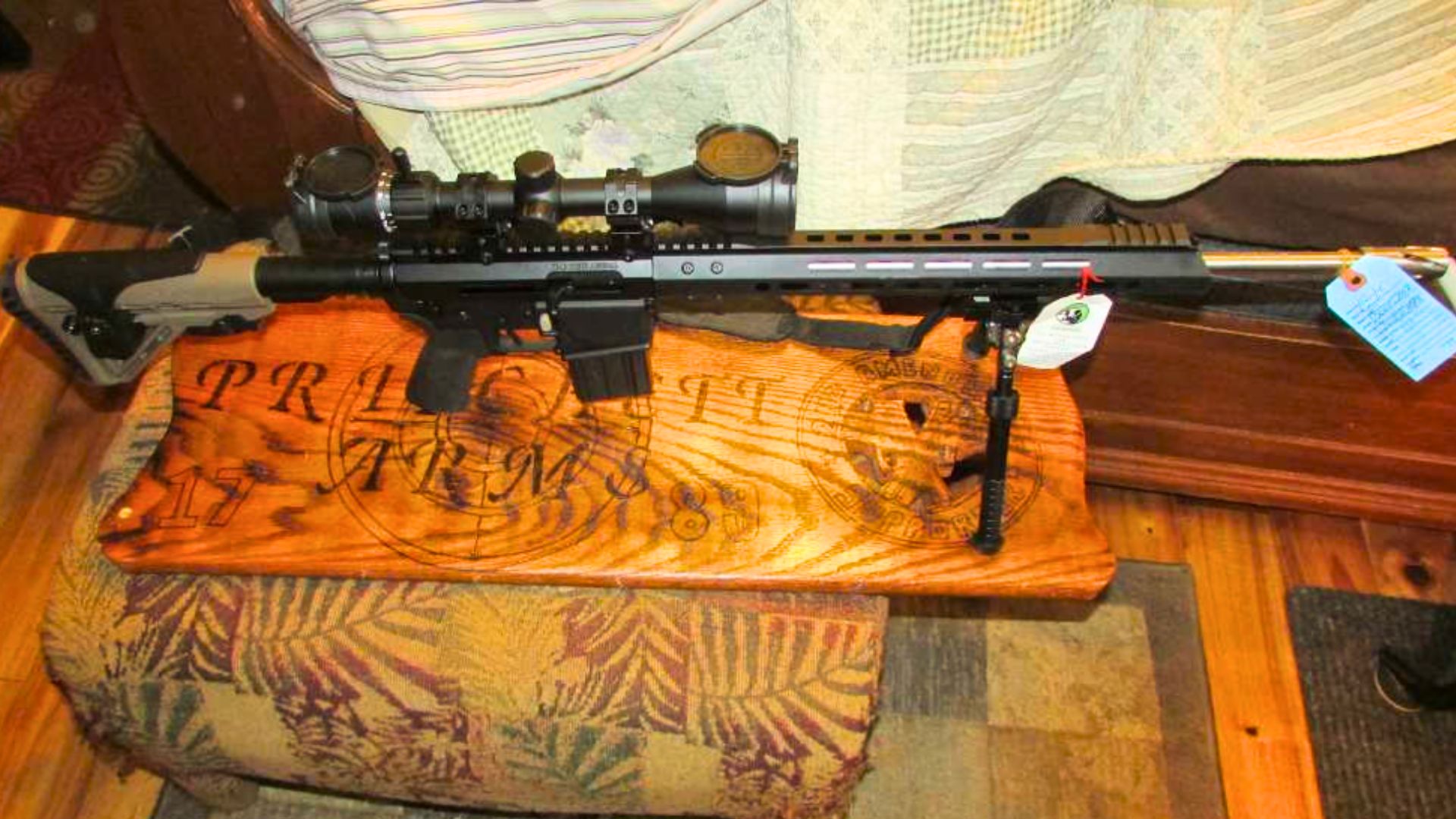
ARs can be excellent deer rifles in legal calibers, but a lightweight build that’s thrown together with bargain parts can lose accuracy quickly for reasons that have nothing to do with the barrel’s raw potential. Loose handguards, shifting optics mounts, inconsistent torque, and even gas system issues can all show up as “my groups got bad.” And because ARs are modular, people start swapping parts instead of diagnosing the actual problem.
If your AR “lost accuracy,” start with the boring checks: optic mount, barrel nut torque (if applicable), handguard contact, and consistent ammo. A lightweight AR that’s set up properly can be very consistent. A loose or poorly assembled one can feel like it changes personality every range trip.
Like The Avid Outdoorsman’s content? Subscribe to our newsletter so you never miss an article.
Here’s more from us: