Photo credit: Savage Arms
Some calibers are naturally more forgiving than others, but then there are the ones that keep you spinning turrets or holding over on every shot past 200 yards. High drop rates can come from low velocity, poor ballistic coefficients, or bullet designs that just weren’t made for long stretches of open country. If you’ve hunted with any of these, you know the drill—more range math, less confidence. These are the calibers that’ll have you adjusting for drop every time you stretch the distance.
.45-70 Government
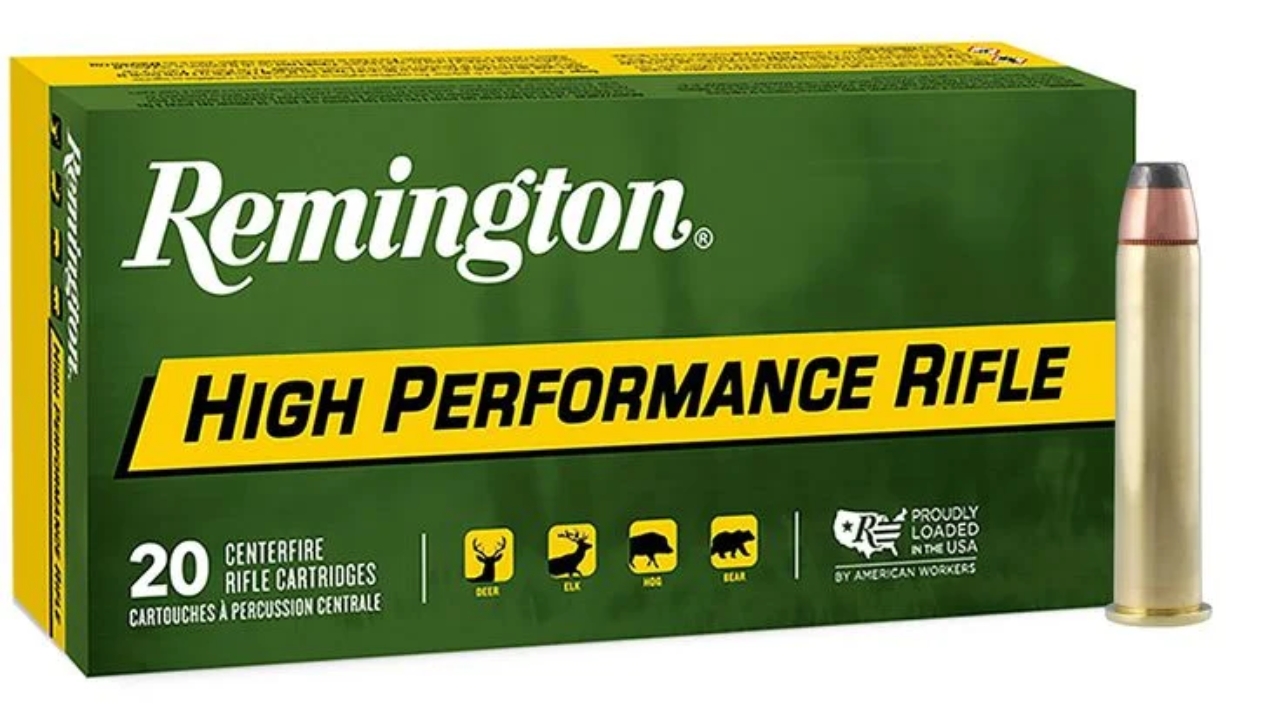
The .45-70 has a long hunting history, but flat-shooting it is not. Once you’re past 150 yards, the bullet starts dropping fast, often by feet rather than inches. Even with modern loads, you can expect a significant holdover at longer ranges. It’s built for power up close, not reaching across fields without adjustment.
If you use it where it shines—thick timber, brush, or tight mountain gaps—it’s a hammer. But step into open country, and you’ll find yourself compensating for drop more than you’d like. This one demands a laser rangefinder and plenty of practice.
.30-30 Winchester

The .30-30 has likely taken more deer than any other caliber in North America, but it’s not a long-range choice. Out of a lever-action, its bullets carry modest velocity, and past 200 yards, you’ll see noticeable drop that needs to be accounted for.
Inside 150 yards, it’s a reliable performer, which is why it’s still popular in the woods. But take it into open prairie or over bean fields, and you’ll find yourself cranking elevation or holding high on every shot. It’s a classic example of a cartridge built for the hunt style, not the distance.
.450 Bushmaster
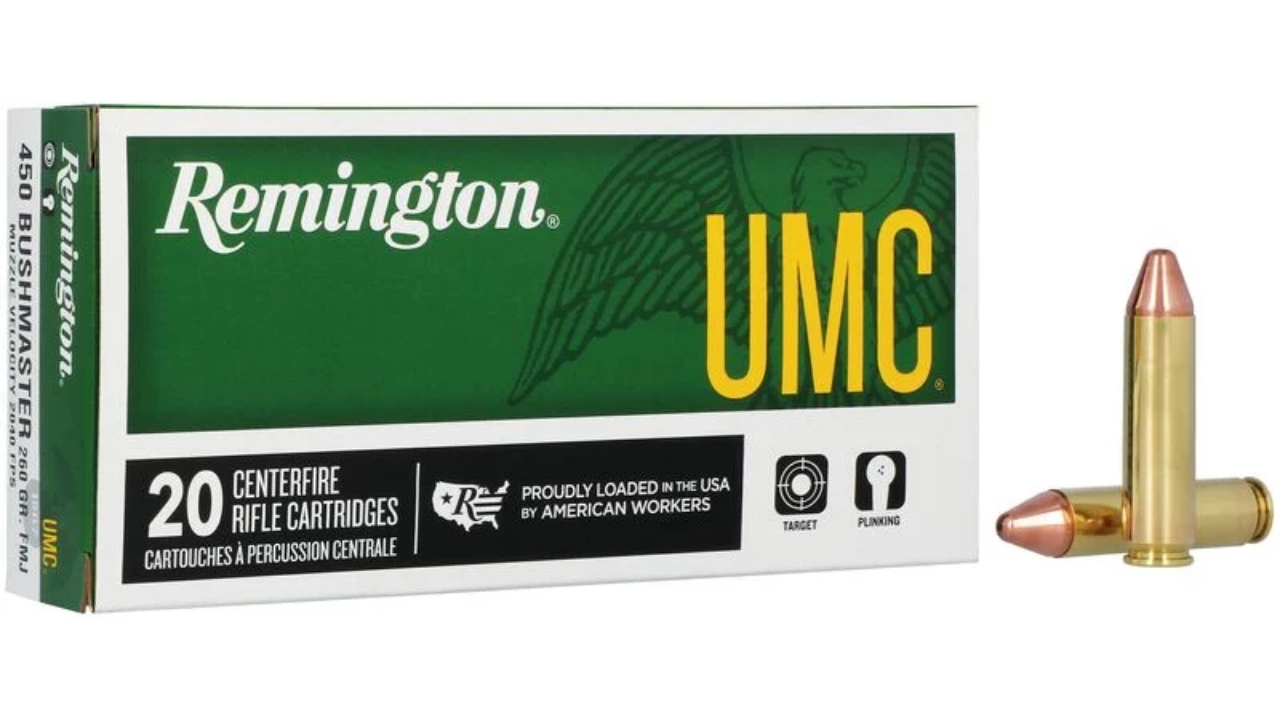
The .450 Bushmaster delivers big-game stopping power but at the cost of flat trajectory. By 200 yards, you’re already looking at serious drop, and 250 can feel like lobbing artillery. It’s legal for straight-wall hunting zones, which is why it’s caught on, but you need to know its limits.
If you zero at 100 yards, you’re in the sweet spot for most hunting scenarios. Anything past that means more guesswork and careful range estimation. It’s a great close-range thumper, but you’ll always be dialing or aiming high beyond its comfort zone.
.300 Blackout
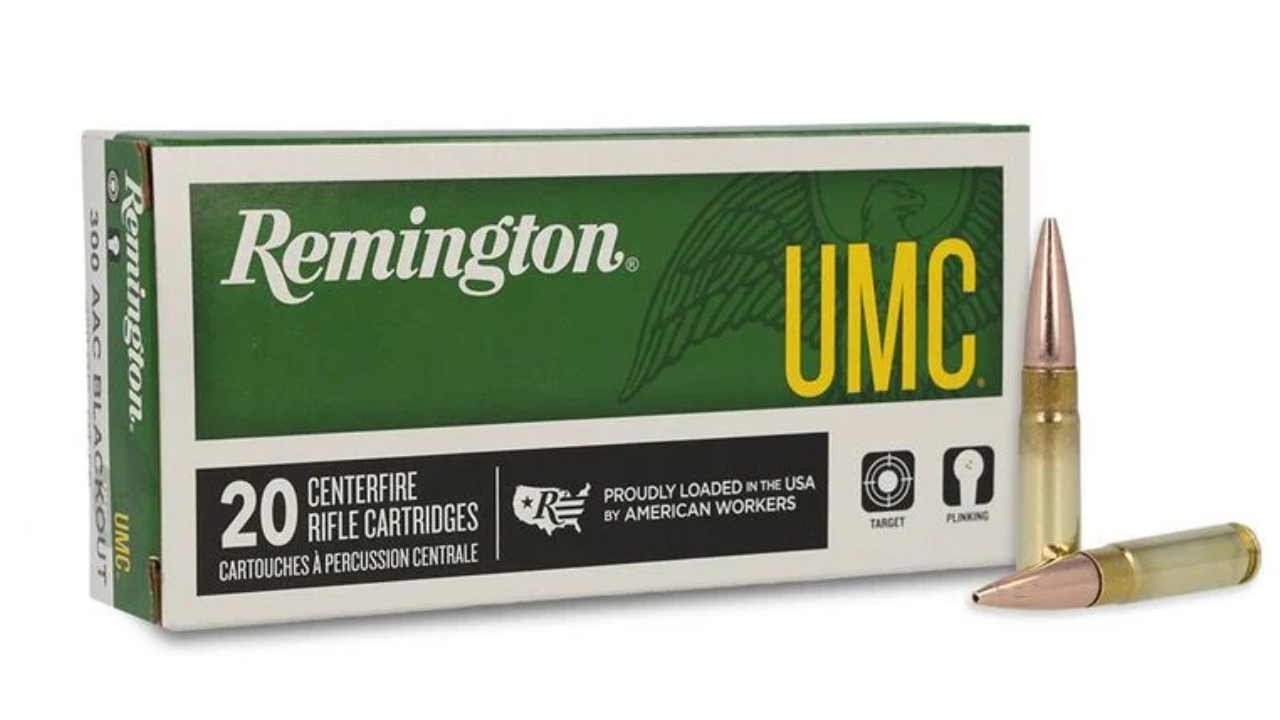
The .300 Blackout was designed for short barrels and subsonic work, not for stretching shots across a canyon. Even supersonic loads lose speed quickly, and subsonic rounds drop like a rock past 100 yards. It’s accurate within its intended envelope, but drop is unavoidable at range.
If you’re hunting hogs in thick brush or working within 150 yards, it’s perfectly suited. Step outside that range, and every shot becomes a calculation. The ballistic arc on subs is steep enough to make long-range precision a real challenge without constant adjustments.
.35 Remington

The .35 Remington is a woods cartridge with a solid reputation for putting deer and black bear on the ground. But it’s slow by today’s standards, and the drop becomes dramatic past 150–200 yards. Even experienced shooters find themselves compensating heavily at longer ranges.
For short-range hunts in thick cover, it’s a dependable round. But on open ridges or in agricultural country, it’ll make you wish for something flatter-shooting. Its energy stays strong up close, but its trajectory isn’t forgiving if you misjudge distance.
7.62x39mm

The 7.62x39mm is famous for being cheap and reliable in rifles like the SKS and AK, but it’s no long-range performer. With its modest velocity and average ballistic coefficient, bullet drop past 200 yards is significant. Even quality hunting loads don’t change the equation much.
Inside 150 yards, it’s practical for deer and hogs. Beyond that, you’ll find the holdovers growing fast. It’s a close- to mid-range round that works well within its limits, but there’s no hiding its drop once you step past that comfort zone.
.44 Magnum (Carbine)

The .44 Magnum out of a rifle is a potent short-range hunting option, but ballistics past 125 yards are rough. Heavy bullets moving at handgun velocities will always have a rainbow arc, and you’ll need to know your drops cold to push it further.
It’s excellent in thick timber where shots are quick and close. But if you want to take advantage of longer shooting lanes, you’ll be holding over a lot more than with most centerfire rifle cartridges. It’s one of those rounds best kept inside its natural range.
.450 Marlin

The .450 Marlin was built for serious big-game power, but like the .45-70, it pays for it in drop. Its heavy bullets shed speed quickly, making anything past 200 yards a rangefinder’s game. While it carries plenty of punch, its trajectory means you can’t get sloppy on range estimation.
Use it where you can get closer to your target, and it’ll drop animals fast. Push it out in open country without proper adjustment, and you’re likely to miss low—sometimes by a lot more than you’d expect.
.375 Winchester
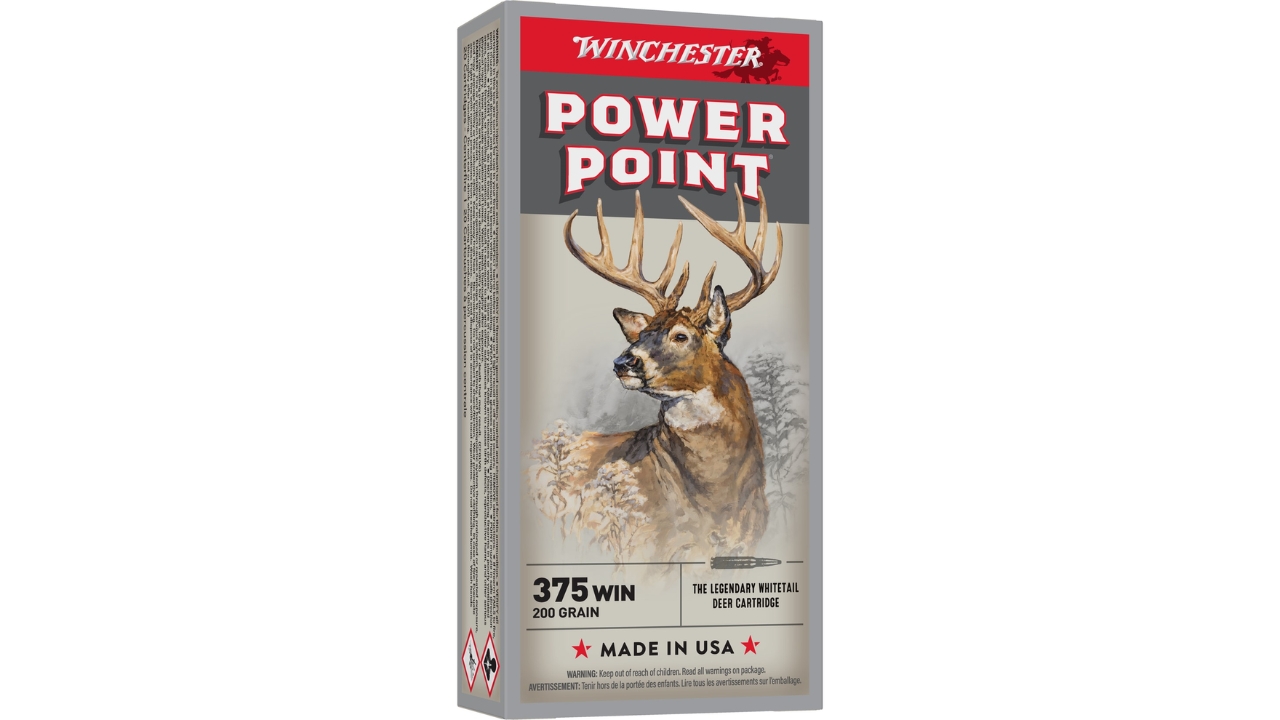
The .375 Winchester has a niche following for lever-action fans, but it’s no flat-shooting performer. It was made for dense cover hunts where you can get within 100–150 yards, not for cross-canyon shots. By 200 yards, drop becomes significant, and bullet choice matters even more.
It’s a hard hitter inside its range and works well on medium- to large-sized game. But if you’re the type who likes to stretch a shot, it’s going to leave you spinning dials or watching rounds hit dirt before the target.
.30 Carbine

The .30 Carbine was never meant to be a long-range rifle round, and it shows in its trajectory. Past 150 yards, drop comes fast, and wind drift doesn’t do you any favors either. While it’s fun to shoot and has some hunting applications, it’s not the best choice for longer shots.
Inside its effective range, it’s accurate and plenty capable for smaller game. Step outside that comfort zone, and you’ll spend more time compensating for drop than actually lining up clean shots.
*This article was developed with AI-powered tools and has been carefully reviewed by our editors.