Photo credit: Just dance/Shutterstock.com
Every new hunter goes through a phase of worrying about the wrong details. It’s understandable — hunting comes with pressure, money investment, and a lot of loud opinions. The problem is that obsessing over small or low-impact details often steals focus from the things that actually influence success. Experienced hunters usually recognize these obsessions because they had them once too, then watched them fade once real seasons piled up.
Camouflage patterns matter far less than movement and positioning
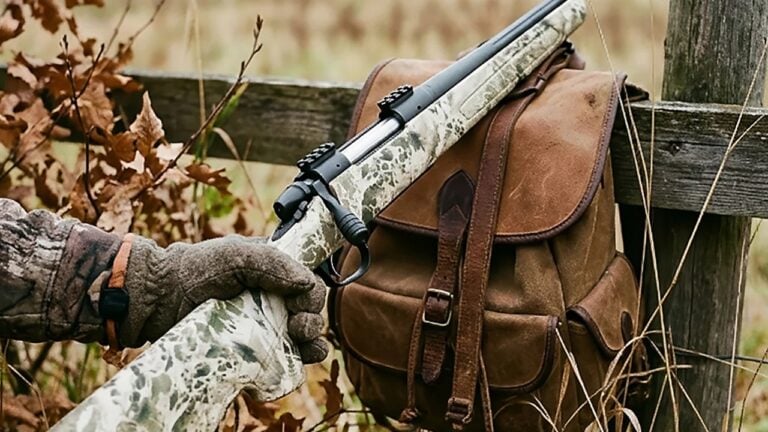
New hunters often believe the right camo pattern will make or break a hunt, when in reality poor movement and bad positioning undo any pattern instantly. Animals don’t see camo the way humans do. They notice motion, silhouettes, and contrast. A hunter who shifts at the wrong moment or sits skylined on a ridge will get picked off no matter how expensive the pattern is. Plenty of animals have been taken by hunters wearing mismatched gear or neutral colors simply because they stayed still, stayed broken up by cover, and timed movement correctly. Camo is a tool, not a shield, and it ranks far below behavior in importance.
Perfect rifle groups don’t equal field success
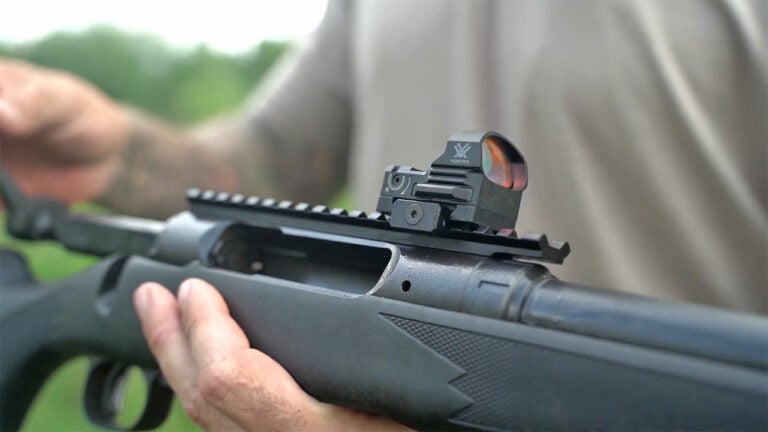
New hunters can get consumed by group size at the range, assuming tighter groups automatically translate to better hunting performance. What matters far more is cold-bore impact and shooting from realistic positions. A rifle that shoots tiny groups from a bench but hasn’t been fired kneeling, sitting, or off a pack is an unknown in the field. This is where simple support tools make a bigger difference than chasing another half-inch of group size. Something like the Primos Trigger Stick Gen 3, available at Bass Pro, helps new hunters stabilize real-world shots far more effectively than endless bench shooting. The obsession with perfection often delays learning what actually works under pressure.
Scent elimination products get more attention than access routes
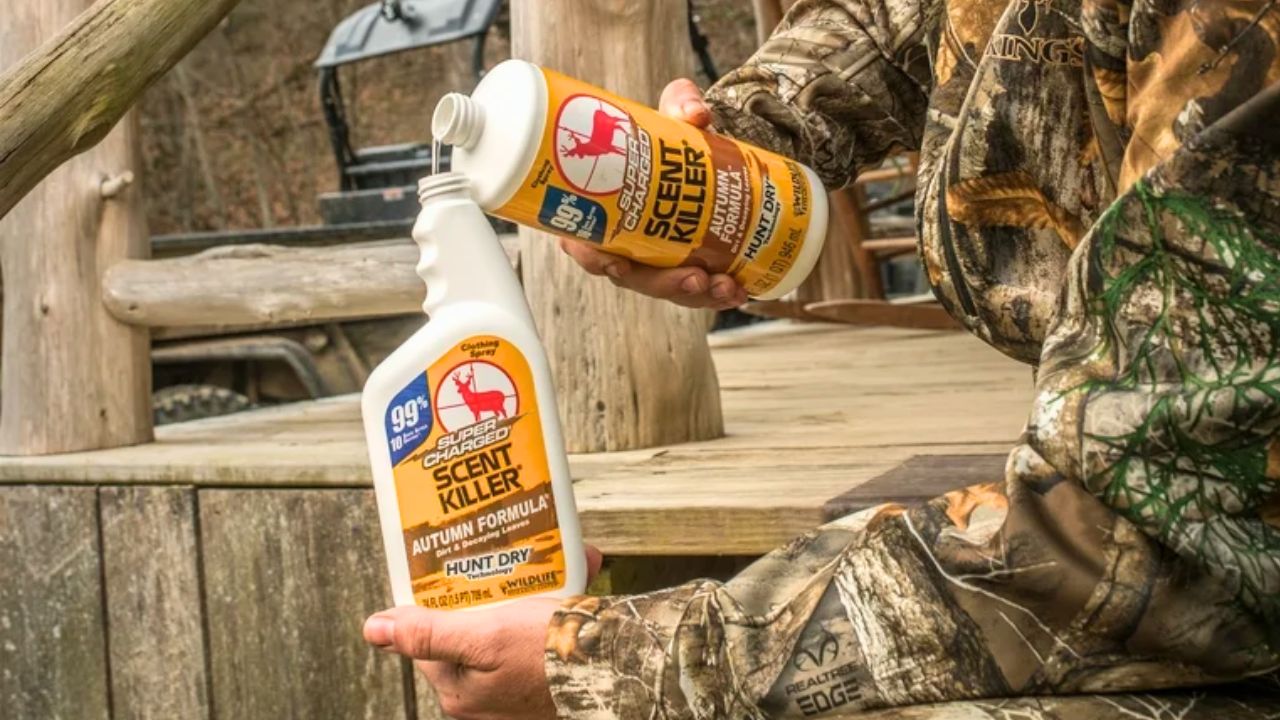
New hunters often spend more time spraying gear than planning how they enter and exit an area. While scent control has value, repeated human traffic through the same paths teaches animals where danger lives faster than any stray odor on clothing. Experienced hunters worry less about being “scent free” and more about limiting how often they’re present at all. Access discipline beats bottle discipline every time, but it’s less exciting to talk about and harder to commit to.
Gear redundancy replaces confidence early on
It’s common for new hunters to overpack because uncertainty feels safer when covered by equipment. Extra tools, backups for backups, and “just in case” items pile up quickly. Over time, most hunters realize that carrying less and knowing how to use it well is more effective than hauling gear they never deploy. Confidence doesn’t come from owning everything — it comes from familiarity with a small, reliable kit that’s been used enough to trust.
Experience slowly rewrites priorities
As seasons stack up, most hunters stop obsessing over the small stuff because the woods teach hard lessons quickly. Animals don’t reward perfectionism; they reward patience, discipline, and consistency. The weird early fixations fade, replaced by quieter habits that don’t get talked about much but show up in results. That shift doesn’t happen overnight, but once it does, it’s hard to go back.
Like The Avid Outdoorsman’s content? Subscribe to our newsletter so you never miss an article.
Here’s more from us: