Photo credit: WHO_TEE_WHO/YouTube
A lot of hunters hear “flat shooting” and immediately think magnums, long barrels, muzzle blast, and shots way past what most deer hunters ever take. But at normal deer ranges—call it inside 300 yards, and often well inside that—you do not need a cannon to get a forgiving trajectory. Plenty of standard and near-standard rifle calibers stay flatter than people expect when you sight them in well and pair them with the right bullet weight. That matters more than most campfire talk admits, because a cartridge that lets you hold a little more confidently across real-world distances can make field shooting easier without dragging you into heavier recoil or a rifle you hate carrying.
The trick is keeping your expectations practical. “Flat” at normal deer ranges is not the same thing as laser-like at 500. It means a cartridge gives you useful margin on holdover when the shot is 140 yards instead of 90, or 240 instead of 180, and you do not have time to do math in your head. These are the calibers that often surprise people by doing that better than their reputation suggests.
.243 Winchester

The .243 Winchester still gets underestimated because too many people file it away as a “starter” cartridge and stop thinking any harder than that. In real deer-country use, it can be flatter than a lot of hunters remember, especially with common 90- to 100-grain deer bullets. With a sensible zero, it gives you a very forgiving arc across the kind of distances where most whitetails and mule deer are actually shot. You are not dealing with some rainbow path here. You are dealing with a cartridge that stays easy to place if you do your part.
A big reason it feels so useful is that mild recoil helps you shoot it well. That matters more than raw speed alone. A cartridge can look great on paper and still do you no favors if you flinch or rush the shot. The .243 keeps enough speed to stay flat at ordinary hunting distances, and it does it in a package most shooters handle comfortably.
6mm Creedmoor

The 6mm Creedmoor has a way of making people think it is a niche target round first and a hunting round second, but that sells it short. In the field, it carries the same family trait that made it popular on the range: efficient bullets moving at useful speed without a lot of wasted motion. At deer distances, that often translates into a trajectory that feels easy to manage. You do not need to stretch the shot way out to notice it, either. Even across ordinary bean-field or cutover distances, the cartridge tends to hold a fairly forgiving line.
Part of the reason is that it pushes lighter 6mm bullets fast while still letting you use modern bullet shapes that carry themselves well. That is a strong combination when you want practical flatness without punishing recoil. If you want a cartridge that feels modern but still makes sense in real deer woods and field edges, this one earns a long look.
.250 Savage

The .250 Savage does not always get brought up in modern flat-shooting talk, which is exactly why it fits here. Long before people started obsessing over the latest efficient short-action round, this cartridge already had a reputation for moving light bullets fast enough to make deer-range shooting pretty straightforward. In its classic loading styles, it is not some long-range wonder, but inside ordinary hunting distances it often shoots flatter than people expect from an older, softer-spoken round.
What keeps it interesting is how honest it feels. It does not beat you up, it does not need a heavy rifle to feel manageable, and it handles deer work better than many folks assume when shots stay sensible. Hunters who know it tend to appreciate that it gives you a fairly easy trajectory without dragging you into excess recoil. It is one of those old cartridges that still reminds you smart design does not go out of style.
.257 Roberts

The .257 Roberts is another cartridge that proves you do not need a flashy label to get useful trajectory. In the deer woods, it has long been appreciated for mild recoil, clean handling, and a surprisingly easy arc with the right hunting loads. At common deer distances, it often feels flatter than its age and reputation suggest. That is part of why older hunters still speak well of it. The cartridge has a way of making ordinary field shots feel uncomplicated when the rifle is sighted in correctly.
A lot of that comes down to balance. The .257 Roberts gives you enough speed to keep things forgiving without crossing into the blast and fuss of cartridges that demand more from both rifle and shooter. It is not a speed freak’s round, and that is part of its appeal. For the hunter who values smooth shooting and practical field performance, it still makes a strong case.
.25-06 Remington

The .25-06 Remington is one of the easiest entries on this list because it has been quietly doing flat-shooting deer work for a long time. Necking the .30-06 case down to .25 caliber gave hunters a cartridge that pushes lighter bullets fast enough to flatten the curve in a way that shows up quickly in the field. Inside normal deer ranges, it can feel almost effortless. That does not mean you stop thinking about distance, but it does mean the cartridge gives you more room than many standard rounds when range estimates are not perfect.
What makes the .25-06 especially appealing is that it gets there without feeling like a magnum in the shoulder. Recoil is still manageable for most hunters, and the cartridge has enough reach and authority to stay useful well past the distances where most deer are actually taken. If you want practical speed without unnecessary punishment, it is still one of the cleanest answers.
6.5 Creedmoor

The 6.5 Creedmoor gets talked about so much that many hunters have started underrating what it actually does well. One of those things is giving you a surprisingly forgiving trajectory at deer ranges with very little drama. It is not the fastest cartridge on this list, but it does not need to be. The combination of moderate velocity and sleek 6.5 bullets helps it carry itself well enough that normal field shots stay pretty easy to manage when the rifle is zeroed sensibly.
What often surprises people is how little recoil you deal with compared to how polished the cartridge feels in the field. That matters because practical flatness is partly about confidence. If you can shoot a round calmly, watch your hit, and avoid getting rattled by the rifle, you tend to make better use of the trajectory you have. The 6.5 Creedmoor is not magic, but for ordinary deer hunting it stays flatter and easier than skeptics often claim.
.260 Remington

The .260 Remington has long lived in the shadow of newer 6.5s, but it still deserves respect as a deer cartridge that shoots flatter than many hunters remember. Built on the .308-sized case and firing 6.5 bullets, it delivers a useful blend of moderate recoil and efficient downrange behavior. At ordinary deer distances, that makes for a trajectory that is often more forgiving than people expect from a cartridge that never got the same marketing push as the Creedmoor crowd favorites.
What keeps the .260 appealing is that it does not need much explanation once you shoot it. The rifle stays manageable, the cartridge tends to feel well balanced, and the 6.5 bullet selection gives it an easy path to practical performance. If you are the kind of hunter who values real-world usefulness more than trendiness, the .260 Remington still makes a lot of sense as a flat, steady deer round.
6.5×55 Swedish

The 6.5×55 Swedish has been taking game cleanly for a very long time, and one reason it still earns respect is how well it carries itself with sensible bullet weights. It is not a speed demon by modern standards, but it has enough case capacity and enough bullet efficiency to stay flatter than many hunters expect inside normal deer ranges. When you pair that with the mild, easy recoil the cartridge is known for, it becomes a round that feels far more modern in the field than its age suggests.
That is part of why people who use it tend to stay loyal to it. The cartridge gives you calm, predictable shooting, and the 6.5 bullet profile helps it keep a useful line across ordinary hunting distances. You are not buying this one for bragging rights. You are buying it because it does honest work, and the trajectory ends up being more helpful than the old-school label leads people to believe.
7mm-08 Remington

The 7mm-08 Remington is one of the smartest deer cartridges around, and its practical trajectory is a big reason why. Built on the .308 case necked down to 7mm, it gives you a very efficient setup: manageable recoil, useful velocity, and bullet weights that carry well without getting clumsy at closer woods distances. In real hunting conditions, that often means it shoots flatter than people expect from a cartridge that gets described more for balance than for speed.
That balance is exactly why it works so well. You get enough velocity to stay forgiving out to normal deer distances, but not so much recoil that the rifle becomes a chore to shoot. The cartridge tends to reward good field shooting habits rather than punish them. If you want a round that can handle woods, fields, and longer edge-of-property shots without feeling specialized, the 7mm-08 remains one of the most sensible choices on the rack.
.270 Winchester
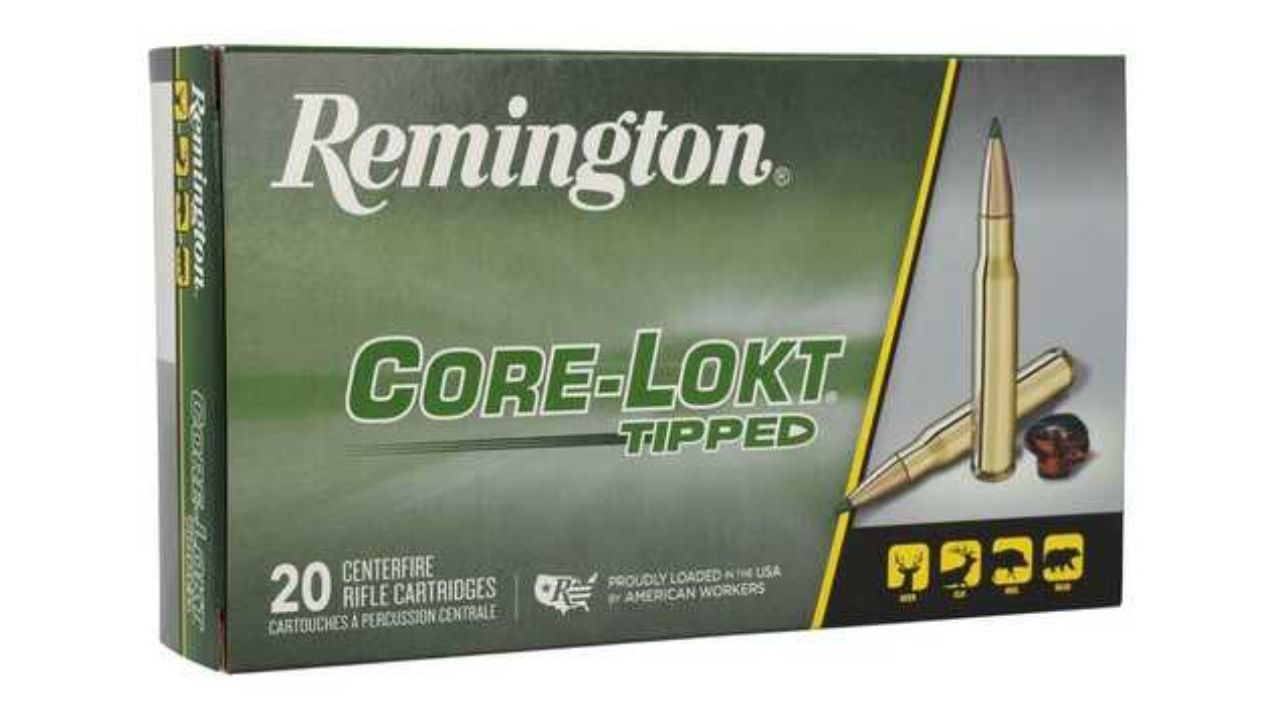
The .270 Winchester is famous enough that some people almost stop seeing it clearly. Because it has been around forever, folks sometimes treat it like old background noise instead of recognizing what it still does exceptionally well. At deer ranges, the .270 shoots flatter than many newer “hot” cartridges people get excited about, especially with common 130-grain hunting loads. You sight one in right, and ordinary field shots become very straightforward. That is one reason the cartridge never really left serious deer camps.
A lot of hunters know the .270 as a classic open-country round, but it is not only a Western cartridge. It works so well at normal deer distances because it gives you a clean, forgiving path without ridiculous recoil. The rifle still feels shootable, the hold stays uncomplicated, and you do not need to overthink it. That kind of practical performance is why the .270 remains a favorite long after trendier rounds came and went.
.280 Remington

The .280 Remington has always had a loyal crowd because it offers a lot of what hunters like in a .270 or 7mm cartridge while somehow staying less talked about than either. With the right deer bullets, it brings enough speed and enough bullet shape to give you a very useful trajectory across common hunting distances. It is not a trick cartridge. It is a solid, capable round that often shoots flatter than hunters expect simply because they have not spent much time around it.
What helps the .280 stand out is how well it balances reach and shootability. You get a flatter feel than many standard rounds, but you are still working with recoil that most experienced deer hunters can manage without trouble. In the field, that often means the cartridge feels easy to trust. It is one of those rounds that tends to win people over quietly, because once they hunt with it, the numbers stop being abstract.
.280 Ackley Improved

The .280 Ackley Improved has a reputation for wringing extra performance out of a practical hunting setup, and that reputation is deserved. It takes the already capable .280 idea and gives it a little more speed, which helps flatten the trajectory without forcing you into a full magnum personality. At deer ranges, that can make it feel very forgiving, especially when you are using modern hunting bullets that already carry well on their own. It is one of those cartridges that often feels smoother in practice than people expect from the performance it puts up.
A big part of the appeal is that it gives you that flatter shooting feel while still living in a rifle most hunters can manage comfortably. You are getting reach and a clean trajectory, but not at the cost of turning the gun into something harsh or annoying. If you want a serious hunting round that stays practical, this one earns its following the honest way.
7×57 Mauser

The 7×57 Mauser is another old cartridge that gets overlooked in flat-shooting conversations simply because it is old enough that many hunters have never spent time with one. That is a mistake. With sensible deer loads, the 7×57 has a cleaner trajectory than its age suggests, especially inside the normal distances where most shots happen. It is not built around modern velocity obsession, but it does enough with moderate recoil and efficient 7mm bullets to stay very usable in the field.
That is what makes it such a quietly satisfying cartridge. You get a round that is easy on the shoulder, easy to shoot well, and more forgiving on hold than people often assume. It has been doing deer-sized game work for generations because it works, not because it needs defending in internet arguments. If you want an old cartridge that still feels practical, the 7×57 remains one of the smarter choices.
.308 Winchester

The .308 Winchester is not usually the first name people toss out when they start bragging about flat trajectories, but at normal deer ranges it often shoots flatter than its reputation suggests. That is especially true with lighter deer bullets in the 150-grain class, where the cartridge gives you enough speed to keep the arc more forgiving than many hunters assume. Because it is such a common, versatile round, people sometimes focus on its all-around nature and forget that it handles ordinary field distances quite well.
That matters because most deer hunters are not dialing turrets or stretching shots into the next zip code. They want a cartridge that keeps point of aim straightforward across common ranges, and the .308 does that better than it gets credit for. Add in the wide ammo availability and broad rifle selection, and you end up with a round that may not sound flashy but keeps solving real hunting problems without much fuss.
.30-06 Springfield

The .30-06 gets called many things—versatile, proven, everywhere—but “flat” is not always the first word people use. That is partly because the cartridge wears so many hats that people think of it as a generalist before they think about trajectory. But with lighter deer-weight bullets, especially in the 150-grain range, the .30-06 shoots flatter than a lot of hunters give it credit for at the distances where most deer are taken. It is not trying to be a speed-only cartridge, yet it still gives you a very workable hold across common hunting shots.
That is one of the reasons it refuses to fade. You can use it for a lot more than deer, but it still handles deer-range shooting with a clean, confident feel when you set it up right. You are getting practical flatness, broad ammunition choices, and the kind of field track record that makes trusting it easy.
.300 Savage

The .300 Savage is easy to overlook now, but it still deserves mention because it delivers a more efficient deer-range trajectory than many shooters expect from an older short-action cartridge. It was designed to chase near-.30-06 performance in a more compact package, and while it does not fully equal that, it does enough to stay surprisingly capable at normal hunting distances. With sensible deer bullets, it often feels cleaner and less droopy in the field than its age and modest reputation would make you think.
What keeps it interesting is that it offers a lot of practical field usefulness without feeling oversized or demanding. You are not carrying a hard-kicking rifle, and you are not giving up much across the distances where a lot of whitetails are actually shot. For hunters who appreciate older cartridges that still make real-world sense, the .300 Savage remains a smarter deer round than it often gets credit for.
Like The Avid Outdoorsman’s content? Subscribe to our newsletter so you never miss an article.
Here’s more from us: