Photo credit: www.kaboompics.com/Youtube
The gun owner went to the range expecting a normal day.
That is how most lessons sneak up on people. You are not out there trying to create a story. You are not planning to test every worst-case scenario. You are just shooting, practicing, getting reps in, and expecting the gun to work the way it worked the last time.
Then something goes wrong.
In a Reddit thread, gun owners were talking about accidental discharges, negligent discharges, and firearm malfunctions. One story centered on a pistol malfunction at the range that turned into the kind of reminder people tend to remember better than any lecture.
Range malfunctions can be annoying, but they are also useful if you handle them correctly. A failure to feed, failure to eject, light strike, double feed, stovepipe, dead trigger, squib, or odd recoil impulse can tell you something about the gun, the ammo, the magazine, or the shooter’s habits. The problem is that a lot of people get too casual when something interrupts the normal rhythm.
They want to fix it fast.
That is where mistakes happen.
A pistol that stops working is not suddenly safe just because it stopped firing. It may still have a live round in the chamber. It may have a round partially fed. It may have a spent case jammed against live ammo. It may have a bullet lodged in the barrel. It may have the trigger in a weird condition. If a shooter gets impatient and starts yanking, tapping, racking, or pointing the gun around while trying to diagnose it, the malfunction can become more dangerous than the shooting itself.
That is the lesson at the center of stories like this.
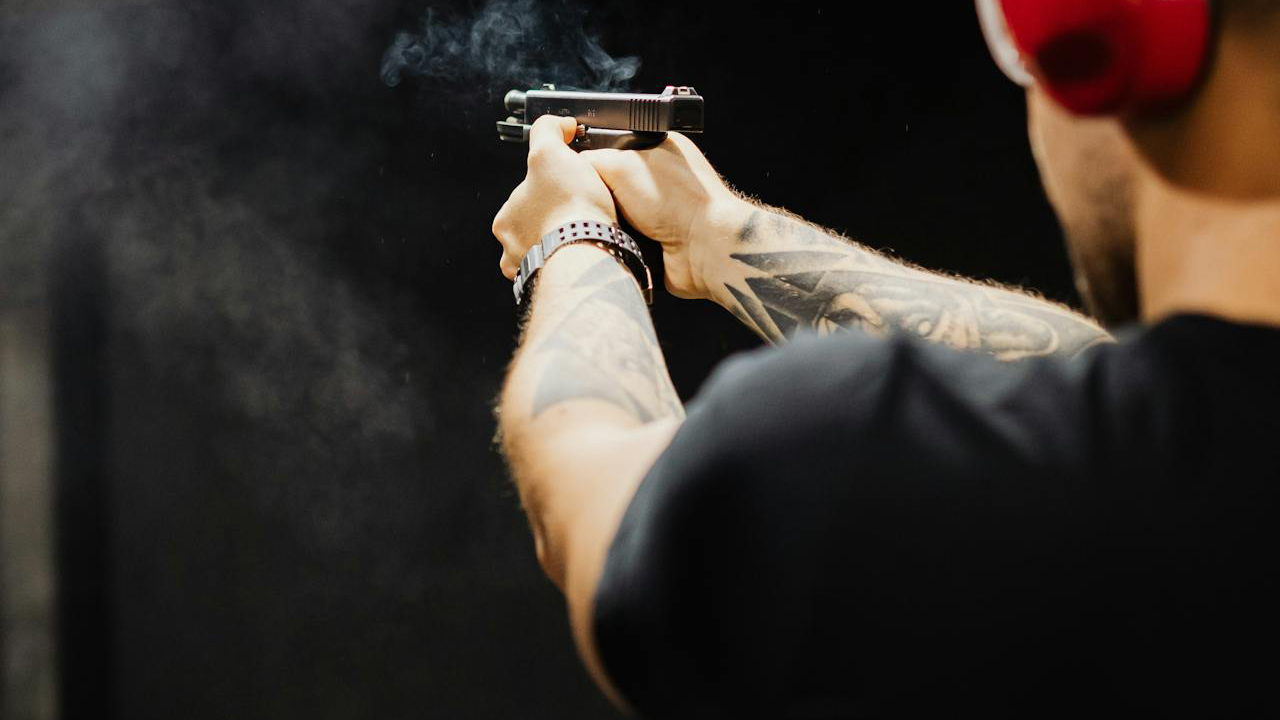
The safe response is boring, and boring is good. Keep the muzzle pointed downrange. Finger off the trigger. Stop shooting. Breathe for a second. Look at what the gun is doing. If the shot sounded weak, felt strange, or made smoke without normal recoil, stop immediately and check the bore. If the slide is locked up or the gun is jammed badly, do not force it while sweeping everyone around you.
A bad round or malfunction is not the time to get embarrassed and rush.
That is especially true for carry guns. A pistol used for concealed carry needs to be more than comfortable and easy to hide. It needs to run with the ammo and magazines you actually trust. If it chokes at the range, that is not something to wave away with, “It’s probably fine.” Maybe it was one bad round. Maybe it was limp-wristing. Maybe the magazine is bad. Maybe the gun needs cleaning, lubrication, break-in, or repair.
But you need to know.
A range malfunction gives you a chance to find the weak point before you are depending on the gun somewhere else. That is why serious shooters do not treat malfunctions as only frustrating. They pay attention. Which magazine was in the gun? Which ammo? What round in the string? What did it feel like? Did it repeat? Did it happen with one shooter or everyone? Did it happen after a certain number of rounds?
That kind of detail matters because “my gun jammed once” does not teach much. Knowing why it happened might.
The story also speaks to the way shooters build confidence. It is easy to trust a pistol because the brand has a good reputation or because other people online love it. It is easy to trust ammo because the box is expensive. It is easy to trust a magazine because it came with the gun. But the range is where all of that has to prove itself together.
Gun, ammo, magazine, grip, and maintenance all meet on the firing line.
When something goes wrong, the shooter gets a choice. He can shrug it off and keep doing what he was doing, or he can treat it like the gun just handed him information. The smarter shooter takes the information.
That does not mean panicking over one malfunction. Mechanical objects fail sometimes. Ammo can be flawed. Magazines wear. A shooter can induce a stoppage with a weak grip or sloppy handling. But it does mean a malfunction deserves attention, especially if the gun is carried for defense.
The people in the thread understood that. These were not campfire stories about guns being spooky. They were reminders that firearms are machines, and machines need safe handling when they fail.
For the shooter in this kind of situation, the embarrassment fades. The lesson is what stays. Keep the muzzle safe. Slow down. Do not fight the gun while pointing it anywhere careless. Check for a squib if anything feels off. Track the ammo and magazine. And do not trust a defensive setup until it has worked enough times under normal practice to earn that trust.
A malfunction at the range is inconvenient.
A malfunction in real life is something else entirely.
Commenters in the thread mostly used the malfunction stories to reinforce the same safety habits.
Several people said the first rule during any malfunction is muzzle discipline. The gun stays pointed in a safe direction while the shooter figures out what happened. A jammed gun is still a gun, and it may still contain a live round.
Others focused on not rushing. A lot of bad handling happens because someone feels embarrassed at the range and wants to clear the problem quickly. Commenters said it is better to stop, ask for help if needed, and solve it safely than to fumble around while people are standing nearby.
Squibs came up repeatedly because they are one of the most dangerous failures to miss. If a shot sounds weak, feels strange, or does not recoil normally, stop shooting and check the barrel. Do not just rack in another round and continue.
A few commenters also talked about tracking magazines and ammo. If the same magazine keeps causing problems, mark it and remove it from carry use. If a certain ammo load does not run well in the gun, stop trusting it for defense until the issue is understood.
The main advice was simple: malfunctions are part of shooting, but careless malfunction handling should not be. The range is the place to learn what can go wrong while there is time, space, and help nearby.