Photo credit: G Squared Tactical/YouTube
Some guns look like smart buys until you actually own them. The price seems right, the idea sounds useful, or the gun has just enough reputation to make you ignore the little warning signs. Then range time, hunting season, or daily carry starts telling the truth.
That is when owners wish they had skipped the whole thing. Not because every gun here is useless, but because the ownership experience often feels worse than the idea that sold it.
FN 503

The FN 503 should have landed better than it did. A slim 9mm from FN sounds like a serious carry pistol, and the clean shape makes it easy to picture as a daily carry gun. The problem is that it showed up in a market that had already moved past low-capacity single-stack pistols.
Once owners compare it to higher-capacity micro-compacts, the 503 starts feeling dated fast. It is not a terrible pistol, but it does not give you enough reasons to choose it over better-supported options. A lot of buyers probably wish they had skipped it and gone straight to something with more capacity, better aftermarket support, and stronger staying power.
Mossberg MC1sc

The Mossberg MC1sc got attention because Mossberg was getting back into the handgun world. It was slim, simple, and compatible with Glock 43-pattern magazines, which gave it a practical hook. For a first attempt in a crowded carry market, it looked interesting enough.
The issue is that “interesting enough” fades quickly. The pistol never built the kind of reputation or support that makes owners feel locked into a strong platform. Once you handle newer carry guns with more capacity, better holster support, and a more established track record, the MC1sc can feel like a detour. It works for some people, but many would have been better off skipping it.
Ruger LCP II in .22 LR

The Ruger LCP II in .22 LR sounds like a great little trainer. Same pocket-size feel, cheap ammo, light recoil, and an easy way to practice without burning through .380. On paper, it makes a lot of sense.
Then rimfire reality shows up. Small .22 pistols can be ammo-sensitive, and when a tiny training pistol starts choking, the whole point gets frustrating. It is fun when it runs, but buyers expecting a carefree practice tool may wish they had skipped it and bought a larger, more reliable rimfire pistol instead. A training gun should build confidence, not make every range trip feel like ammo testing.
Beretta PX4 Subcompact
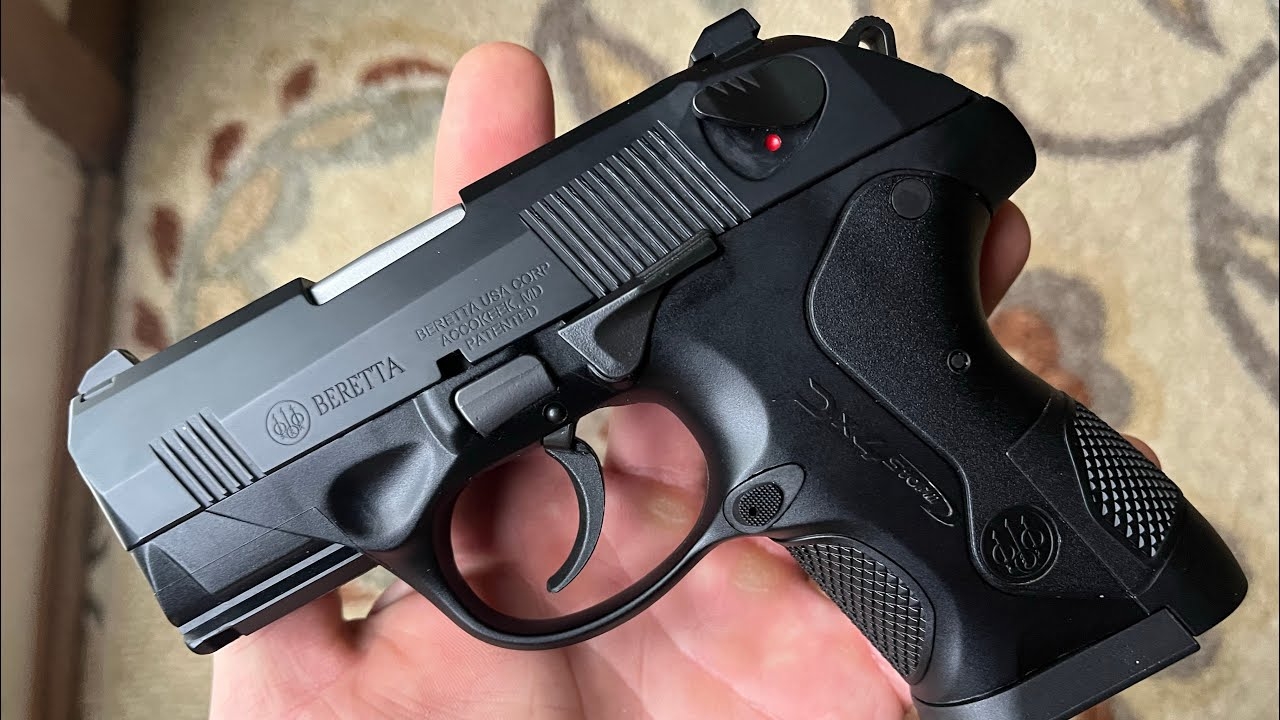
The Beretta PX4 Subcompact sounds promising because the larger PX4 pistols are genuinely underrated. The full-size and compact models have a smooth-shooting reputation, and that makes buyers expect the little version to carry the same charm.
The disappointment comes when they realize it does not feel like the best PX4s. It is chunky, not as graceful, and it lacks the rotating barrel system that helps define the larger models. It may be reliable, but it does not feel as special as people hope. Owners who wanted a compact version of the PX4 magic often wish they had skipped it and bought the Compact instead.
Winchester Wildcat
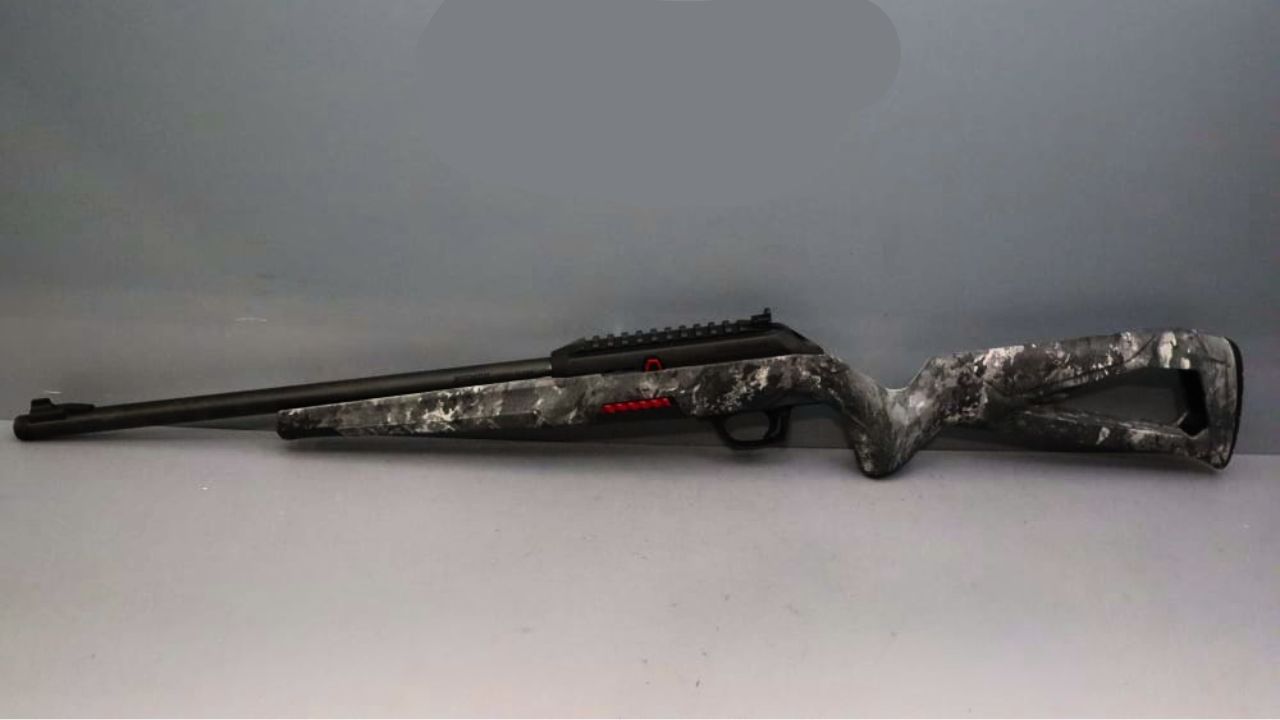
The Winchester Wildcat has clever features that make it sound like a modern answer to the basic .22 rifle. It is lightweight, easy to clean, and uses common 10/22-pattern magazines. For a casual plinker, that sounds pretty smart.
But the rifle can feel too plastic and forgettable once the novelty fades. It may work fine, but it does not give many owners the same attachment they get from older rimfires or more solid-feeling .22s. A rimfire rifle should be one of the easiest guns to love. If it feels more like a clever appliance than a keeper, skipping it starts to make sense.
EAA Girsan MC28

The Girsan MC28 attracts buyers because it looks familiar, costs less than many bigger-name pistols, and seems like a practical striker-fired 9mm. At first glance, it feels like a way to get the general shape and function of a proven duty pistol without paying premium money.
The problem is that cheaper alternatives still have to compete with a crowded market. Trigger feel, finish, holster support, magazine availability, and brand confidence all matter after the sale. Some owners may like theirs, but plenty of shooters would be better off saving a little more for a pistol with stronger support. A cheaper gun stops feeling cheap once you start replacing it.
Savage 64F
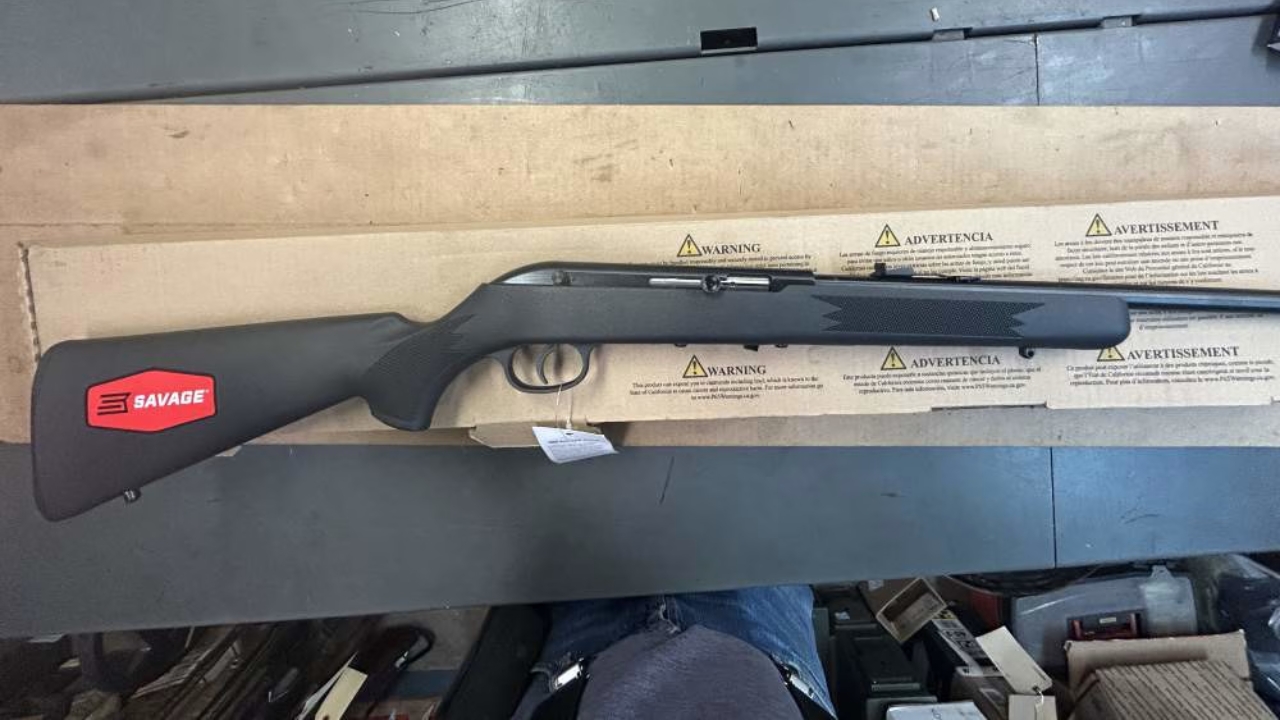
The Savage 64F is tempting because it is one of the easiest ways to buy a semi-auto .22 rifle without spending much. For a new shooter, kid’s rifle, or casual plinker, the price can make it hard to ignore.
Then the cheap feel starts getting louder. The magazine system is not as smooth as many owners want, the stock feels basic, and the overall rifle does not inspire much pride. It can be useful, but a .22 is supposed to be fun enough that you keep reaching for it. If a rifle makes you wish you had bought a better rimfire after two range trips, it was probably worth skipping.
Taurus TH9

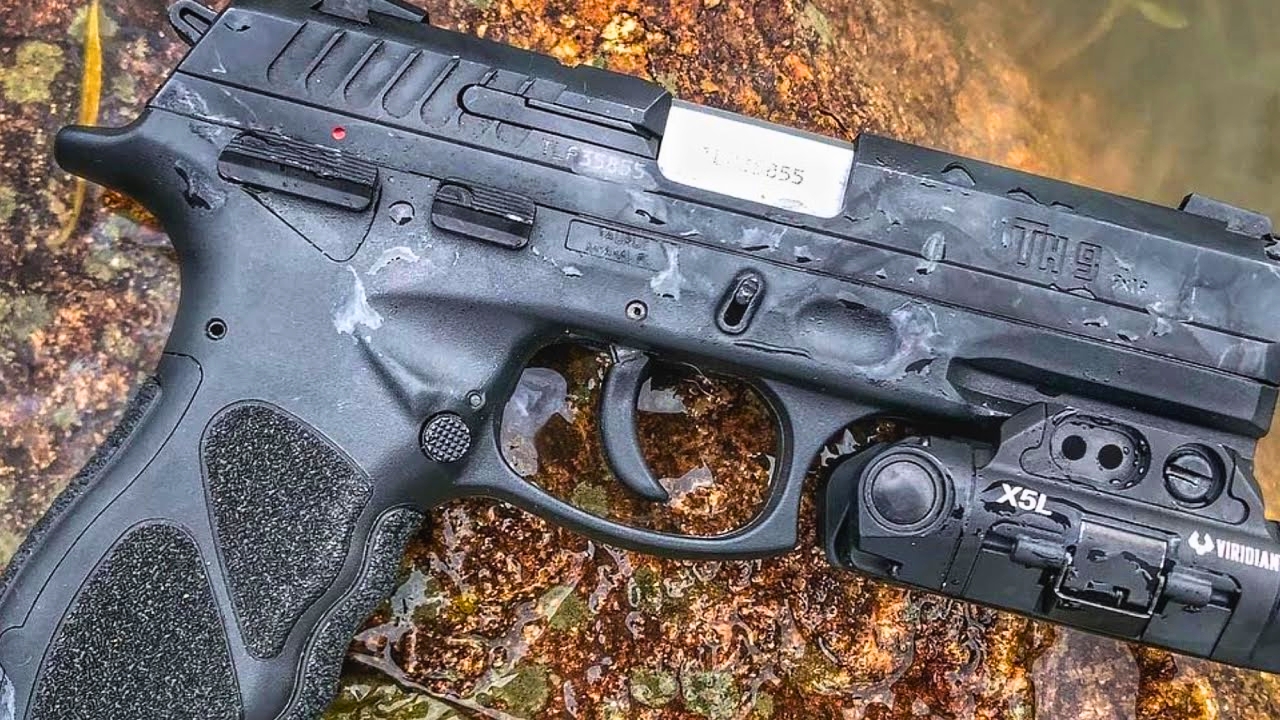
The Taurus TH9 gives buyers a hammer-fired 9mm at a friendly price, and that is a real hook in a striker-fired world. Traditional controls, decent capacity, and a low price make it look like a smart bargain.
The longer you own it, the more it can feel like a compromise. The trigger, finish, control feel, and overall refinement do not always stack up well against better hammer-fired pistols or even stronger budget striker guns. It may run fine, but it rarely feels like the gun you brag about keeping. Buyers who wanted a serious DA/SA pistol often wish they had skipped it and bought a used Beretta, CZ, or SIG instead.
Charles Daly Honcho

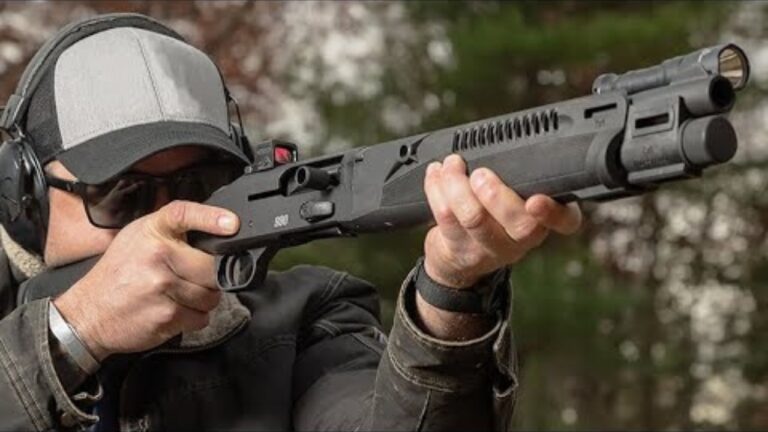
The Charles Daly Honcho looks tough before you shoot it. A compact 12-gauge firearm with that aggressive, short setup has instant appeal if you want something intimidating and easy to store. It seems like a lot of power in a small package.
Then recoil control, aiming, and follow-up shots become the real conversation. Without a proper stock, the gun takes more work than many buyers expect. It is memorable, but memorable does not mean practical. Most owners would probably be better served by a normal pump shotgun that shoulders cleanly and runs naturally. The Honcho is the kind of gun that sells on looks and disappoints in use.
Smith & Wesson Bodyguard 380

The Bodyguard 380 makes sense if all you care about is deep concealment. It is small, light, and easy to carry when bigger pistols feel impossible. That convenience is what pulls buyers in.
The regret usually starts during practice. The long trigger, tiny grip, small sight picture, and limited shootability make it hard to enjoy. Pocket guns are always compromises, but some compromises feel worse the more you train. A lot of owners eventually realize they would rather carry something slightly larger that they can actually shoot well. Convenience alone does not make a handgun satisfying.
CZ 600 Alpha

The CZ 600 Alpha has a respected name behind it, which raises expectations. Buyers who loved older CZ rifles expected that same old-world feel in a modern working rifle. On the rack, the Alpha looks practical, simple, and ready for field use.
The trouble is that it does not always feel like the CZ people had in mind. It is more modern, more synthetic, and less charming than the older 527, 550, or 557 rifles many shooters still miss. It may shoot and hunt fine, but owners who bought it expecting classic CZ character may wish they had skipped it and hunted down an older model.
Kimber R7 Mako

The Kimber R7 Mako tried to stand out in the micro-compact market, especially with the optics-focused versions. The enclosed-emitter setup sounded smart, and Kimber clearly wanted to offer something different from the usual tiny 9mm crowd.
Different was not enough. The grip feel, styling, and overall market position never clicked with everyone. In a category filled with Shield Plus, P365, Hellcat, Glock 43X, and others, a pistol has to make a strong case for itself. The Mako felt like a gun some buyers wanted to like more than they actually did. That is classic skip-it territory.
Mossberg Patriot Synthetic

The Mossberg Patriot Synthetic can be accurate enough for normal hunting, and that keeps it from being an easy throwaway. The price is fair, the chamberings are useful, and plenty of hunters have taken game with one.
Still, the ownership feel can disappoint fast. The stock feels hollow, the action is not especially smooth, and the finish does not give you much pride of ownership. If you only need a tool, it can work. But if you want a rifle that feels good every time you take it out, the Patriot often leaves you wishing you had spent more or bought used.
Stoeger STR-9

The Stoeger STR-9 is not awful. That is almost the problem. It is a decent, familiar-looking striker-fired 9mm in a world full of very good striker-fired 9mms. At the counter, the price can make it seem like a practical choice.
After ownership, it can feel forgettable. Holster support, aftermarket parts, magazine availability, trigger feel, and brand confidence all matter in a defensive pistol. The STR-9 does not always give buyers a clear reason to pick it over better-established options. A gun can work and still be one you wish you had skipped because nothing about it makes you want to stay with the platform.
Henry AR-7 Survival Rifle
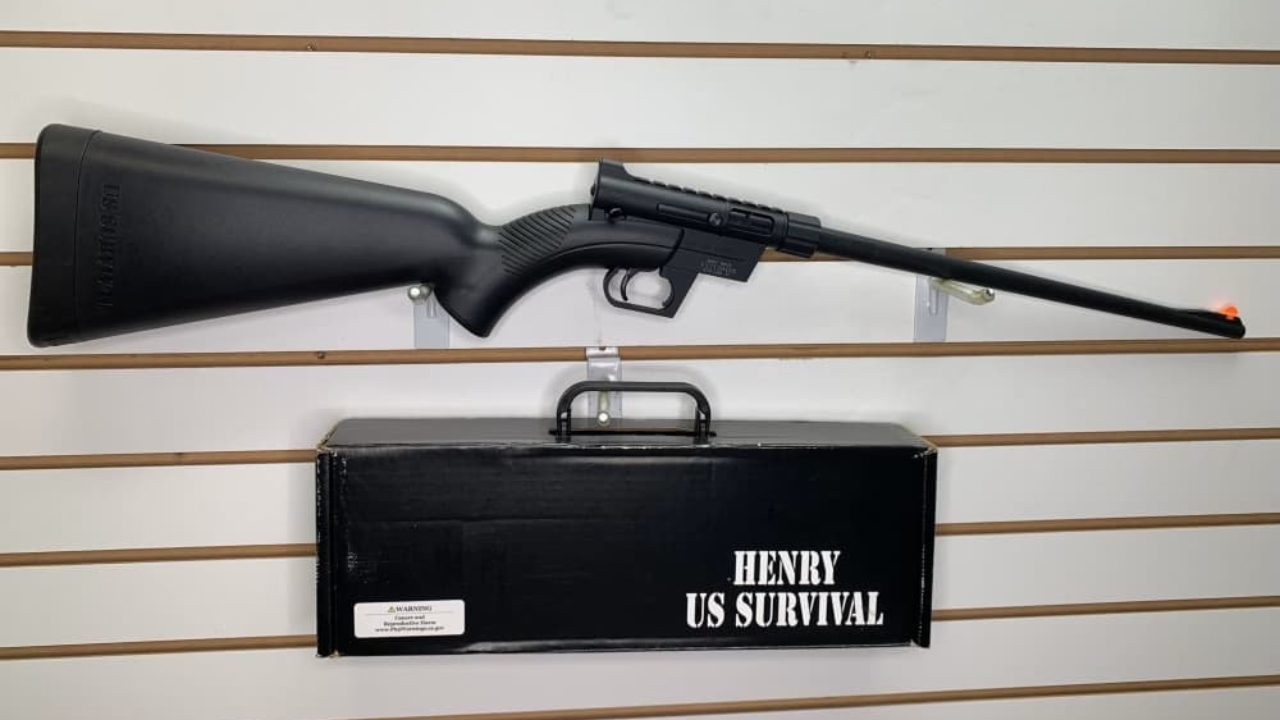
The Henry AR-7 Survival Rifle has one of the best ideas in the rimfire world. A takedown .22 that stores in its own stock sounds perfect for camping, boating, emergency kits, and anyone who likes compact gear.
The shooting experience is less convincing. The stock is bulky, the handling is odd, and the whole design prioritizes storage over comfort. If you want a clever packable rifle, it has a lane. If you want a .22 you actually enjoy shooting often, there are much better choices. A lot of buyers probably wish they had skipped the survival gimmick and bought a normal rimfire.
Like The Avid Outdoorsman’s content? Subscribe to our newsletter so you never miss an article.
Here’s more from us: