Photo credit: Elliott Delp/YouTube
Some guns get judged before most people ever shoot them. A bad photo, a weird spec sheet, a cheap price, an unfamiliar brand, or one loud forum opinion can turn into “common knowledge” fast. Then real owners start putting rounds through them and the story changes.
The internet is good at spotting junk, but it is also good at repeating lazy takes. These are the guns that proved the online crowd was too quick, too snobby, or too confident for its own good.
Canik TP9SF

The Canik TP9SF got dismissed early by shooters who saw the price and import name and assumed it was another budget pistol pretending to be serious. A lot of people were not ready to believe a lower-cost striker-fired gun could compete with the bigger names.
Then owners started shooting them. The trigger was better than expected, reliability was better than critics wanted to admit, and the pistol gave buyers a lot for the money. It did not need to be perfect to prove the internet wrong. It just had to run well and shoot better than its price tag suggested.
Taurus TX22
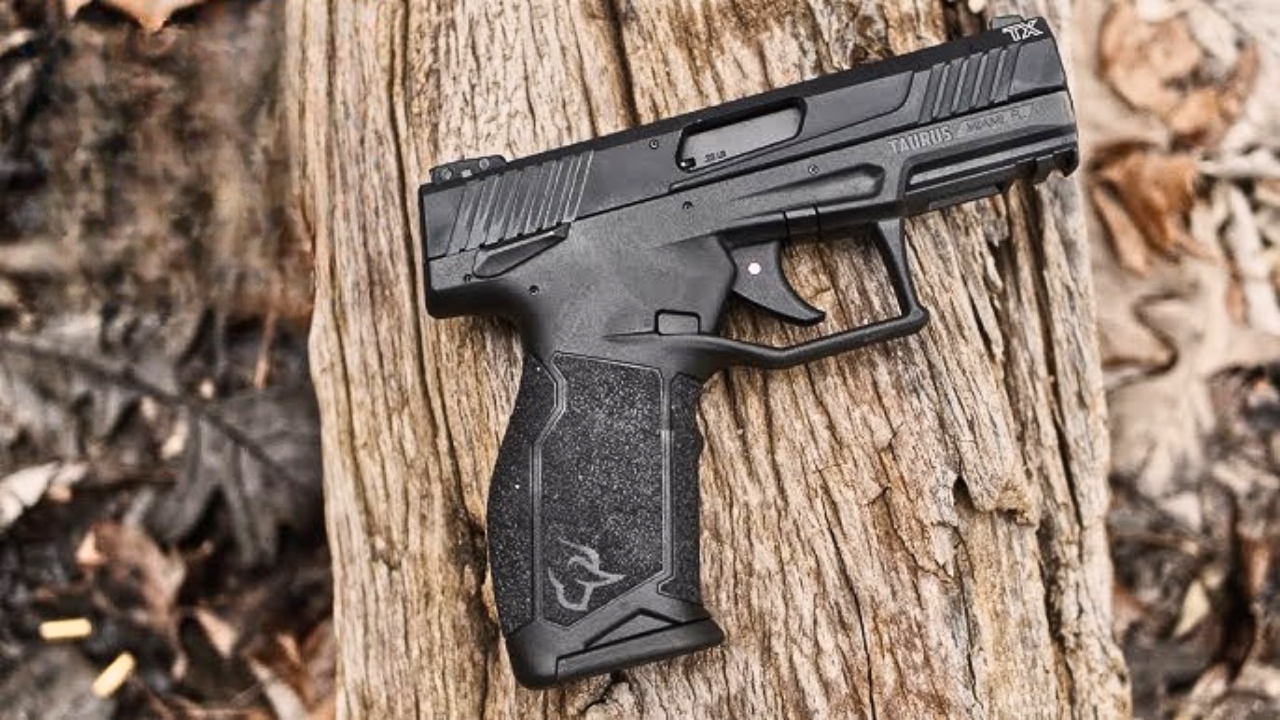
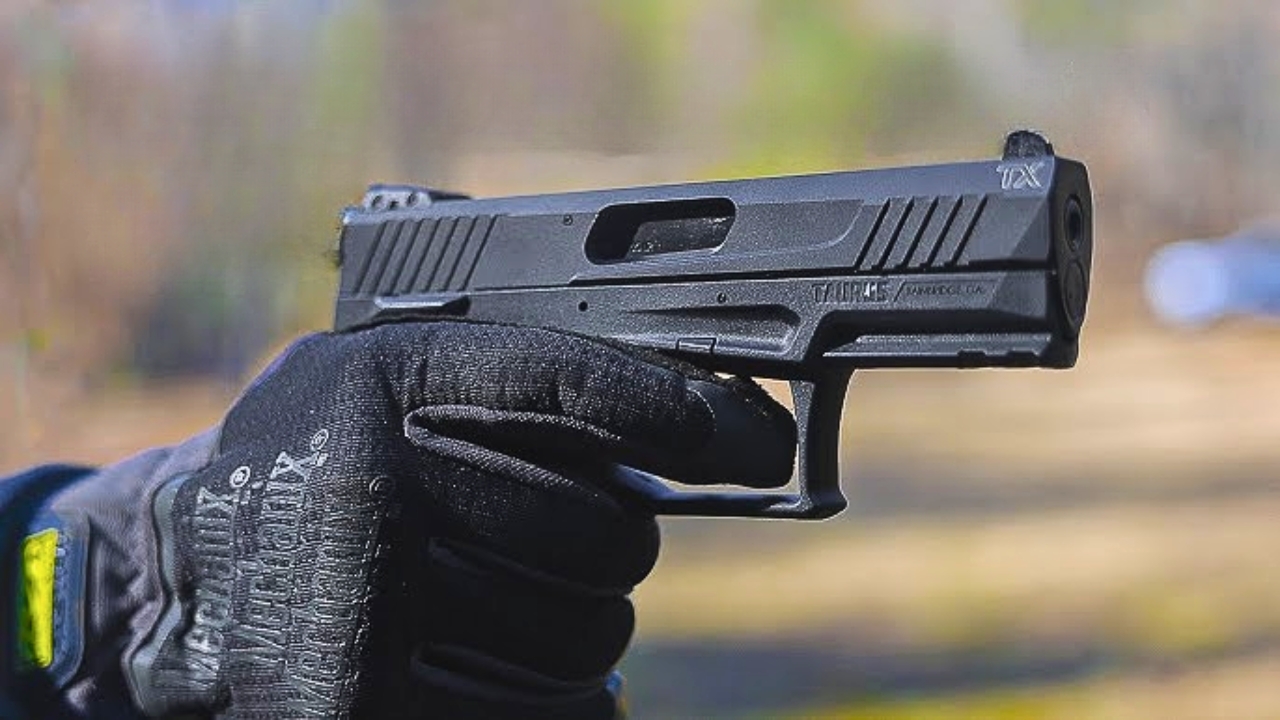
The Taurus TX22 had to fight the Taurus reputation before anyone gave it a fair chance. Plenty of shooters assumed it would be another cheap rimfire with spotty reliability and forgettable quality. That was the easy online take.
Range time changed that fast. The TX22 turned out to be one of the more enjoyable modern .22 pistols, with good capacity, a solid trigger, and better reliability than many expected. It became a reminder that even brands with uneven histories can get one right. A fun .22 pistol does not need prestige. It needs to run, and the TX22 usually does.
Ruger American Rifle

The Ruger American Rifle looked too plain for some people to respect. The stock felt basic, the styling was boring, and the price made rifle snobs assume it was just another disposable budget gun. Online comments were quick to point out everything it was not.
Then hunters started shooting them. A lot of Ruger Americans delivered solid accuracy, practical triggers, and dependable field performance without expensive upgrades. It may never feel like an old walnut-stocked classic, but it proved the main point. A hunting rifle that shoots well and survives the season does not need to impress anyone on the internet.
Smith & Wesson SD9VE
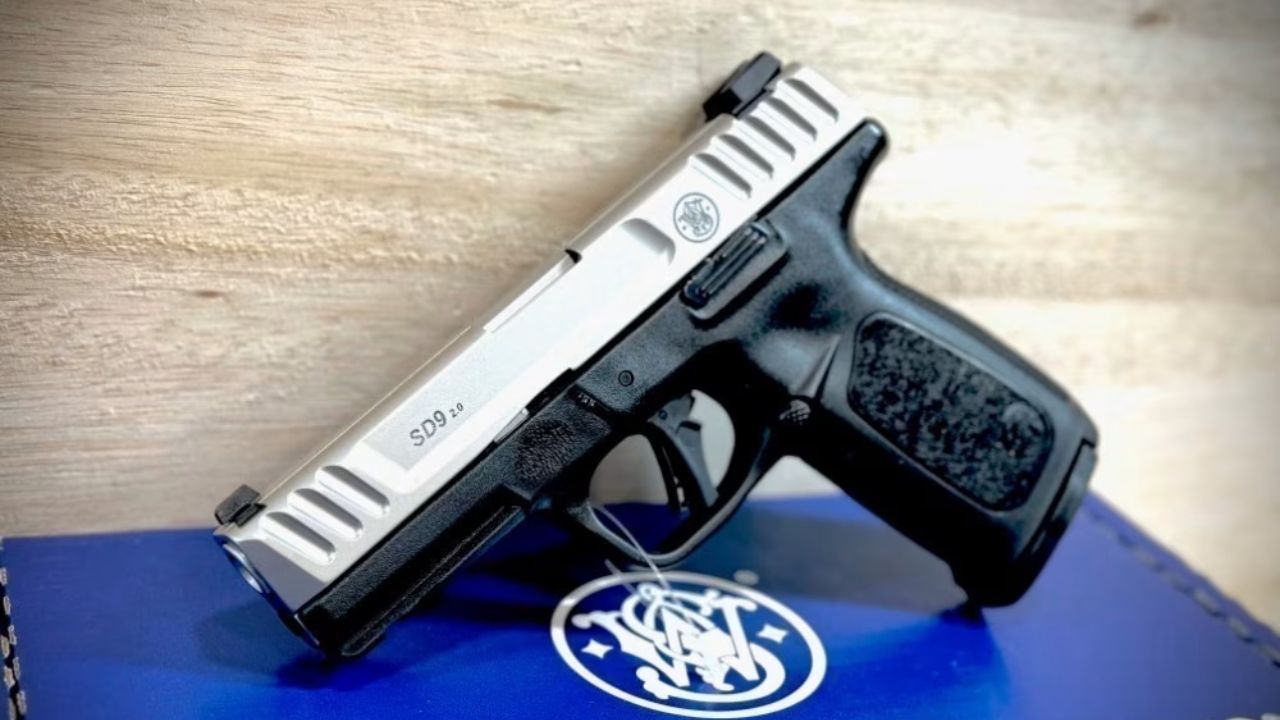
The Smith & Wesson SD9VE got hammered online for its trigger, and some of that criticism was fair. The pull was heavy, long, and not exactly fun for shooters used to cleaner striker-fired pistols. People wrote it off as a bargain pistol with too many compromises.
But a lot of owners found out it was still a dependable, affordable 9mm that did the basic job. It was not refined, but it ran, carried real capacity, and gave budget buyers something better than many cheap alternatives. The internet wanted it to be awful. In reality, it was often just plain, rough, and useful.
Savage Axis

The Savage Axis has been mocked for its cheap stock, basic finish, and entry-level feel. A lot of shooters judged it by how it looked and handled at the counter, which did not do it many favors. It feels like a budget rifle because it is one.
Then the groups started making critics uncomfortable. Plenty of Axis rifles shoot better than their price suggests, especially once owners find ammo they like. No, it does not feel like a premium rifle. But it proved that ugly, cheap, and accurate can still beat pretty and inconsistent. The target does not care about internet pride.
Rock Island Armory 1911
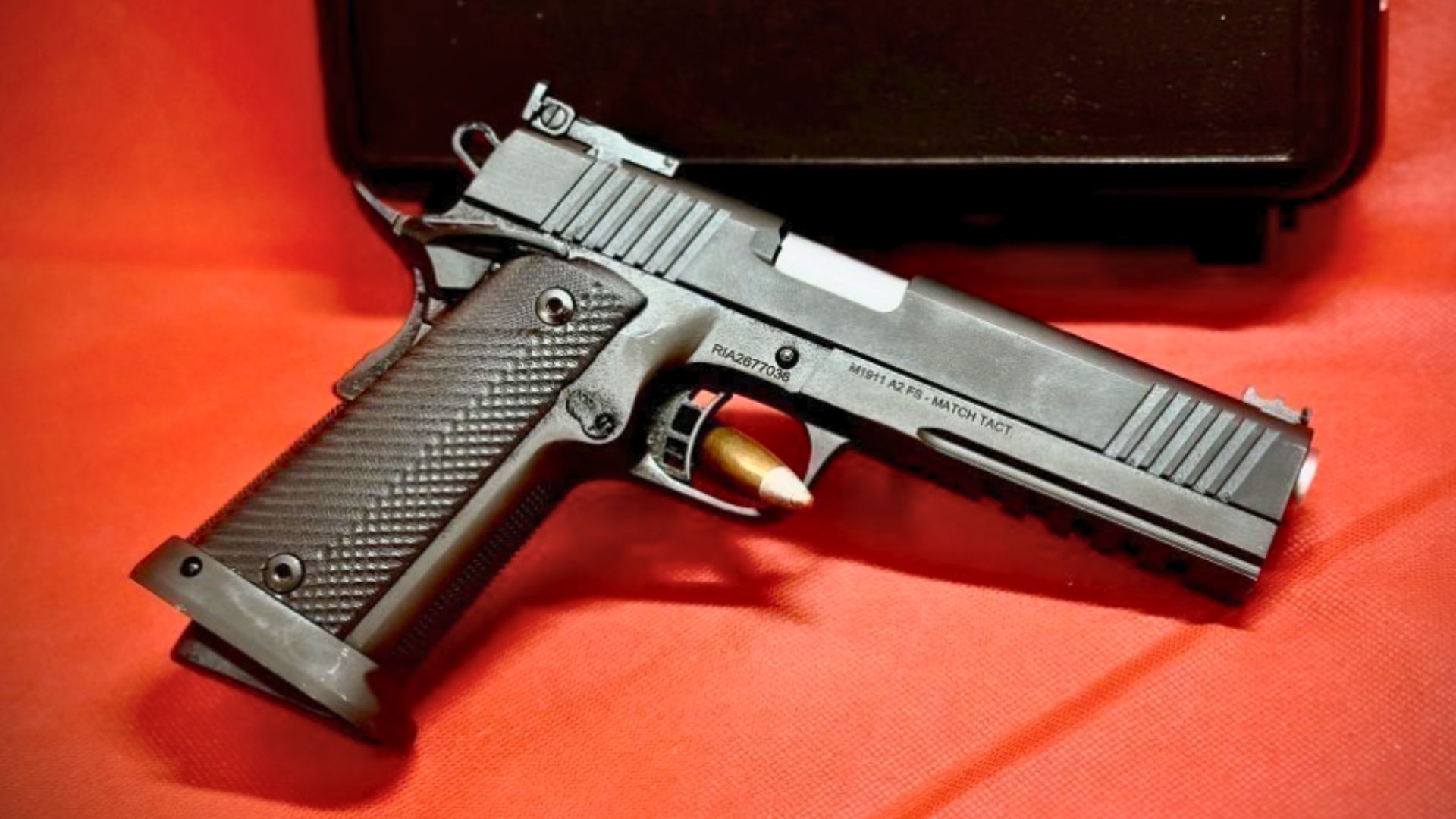
Rock Island 1911s were easy for snobs to dismiss. They were affordable, imported, plainly finished, and lacked the prestige that 1911 buyers often chase. Online, that made them an easy target for people who thought low price automatically meant low value.
But many owners got solid, shootable 1911s that ran well and delivered the classic feel without custom-gun money. They are not hand-fitted showpieces, and nobody should pretend they are. Still, they proved the internet wrong by being honest working 1911s for people who wanted to shoot more than brag.
Mossberg Patriot

The Mossberg Patriot does not get much respect from rifle snobs. The stock can feel hollow, the action is not buttery, and the whole rifle sits in that affordable hunting category where people expect compromises. Online critics often treat it like a throwaway deer rifle.
In real use, plenty of Patriots have done exactly what hunters needed. They shoot well enough, come in useful chamberings, and do not cost so much that owners are afraid to use them. It is not a luxury rifle, but it was never trying to be. It proved that a plain hunting rifle can still earn freezer duty.
Glock 42
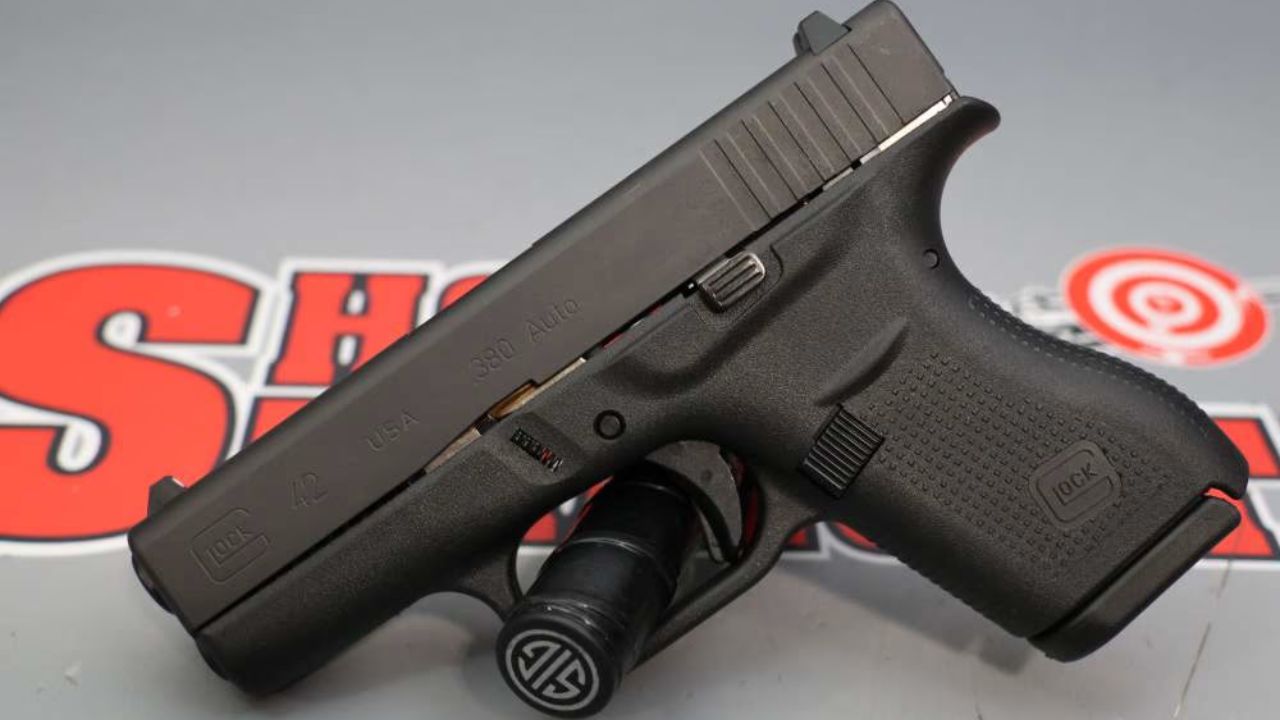
The Glock 42 got criticized hard when it came out because many shooters wanted a slim 9mm Glock instead. A .380 from Glock felt underwhelming to people who judged it strictly by caliber and capacity. The internet reaction was not exactly gentle.
But the G42 found its people. It is soft-shooting for its size, easy to carry, and more pleasant to practice with than many tiny pocket pistols. It may not be the most powerful choice, but it proved useful for recoil-sensitive shooters, deep concealment, and anyone who wanted a small pistol they would actually shoot.
Ruger LCR

The Ruger LCR looked strange when it first hit the market. A polymer-framed revolver with an unusual profile was not what traditional wheel-gun fans wanted to see. A lot of people mocked the looks before they paid attention to the trigger.
Then shooters realized Ruger had built a very practical carry revolver. The trigger was surprisingly good, the weight made carry easy, and the design handled daily use better than the early jokes suggested. It did not replace every classic snubnose, but it proved it belonged. Sometimes ugly works.
CZ P-10 C

The CZ P-10 C got dismissed by some shooters as another late Glock copy. By the time it arrived, the striker-fired market was crowded, and a lot of people assumed CZ was just chasing a trend instead of adding anything meaningful.
Then people shot it. The grip, trigger, and recoil control made it clear the pistol had more going for it than the copycat label. It did not need to reinvent the category. It just needed to be good. The P-10 C proved the internet wrong by showing that a familiar formula can still be executed well.
Bersa Thunder 380

The Bersa Thunder 380 has always been easy to underestimate. It is affordable, chambered in .380 ACP, and often compared to more famous pistols with better reputations. Online, that usually means people call it a cheap substitute and move on.
But owners have known for years that the Thunder can be accurate, comfortable, and surprisingly enjoyable. It is not the smallest .380, but that extra size makes it easier to shoot. It may not impress status-driven buyers, but it proved that inexpensive does not always mean disposable.
PSA Dagger

The PSA Dagger got plenty of skepticism because it was a budget Glock-style pistol from a company better known for affordable ARs. Online critics expected shortcuts, rough edges, and a gun that would only appeal to people shopping by price.
Instead, the Dagger became a legitimate option for buyers who wanted Glock-pattern familiarity without Glock pricing. It has had its growing pains, but the basic value is hard to ignore. It takes common-pattern parts, feels decent, and gives owners a lot of pistol for the money. The internet expected a joke. It turned into a real budget contender.
Weatherby Vanguard
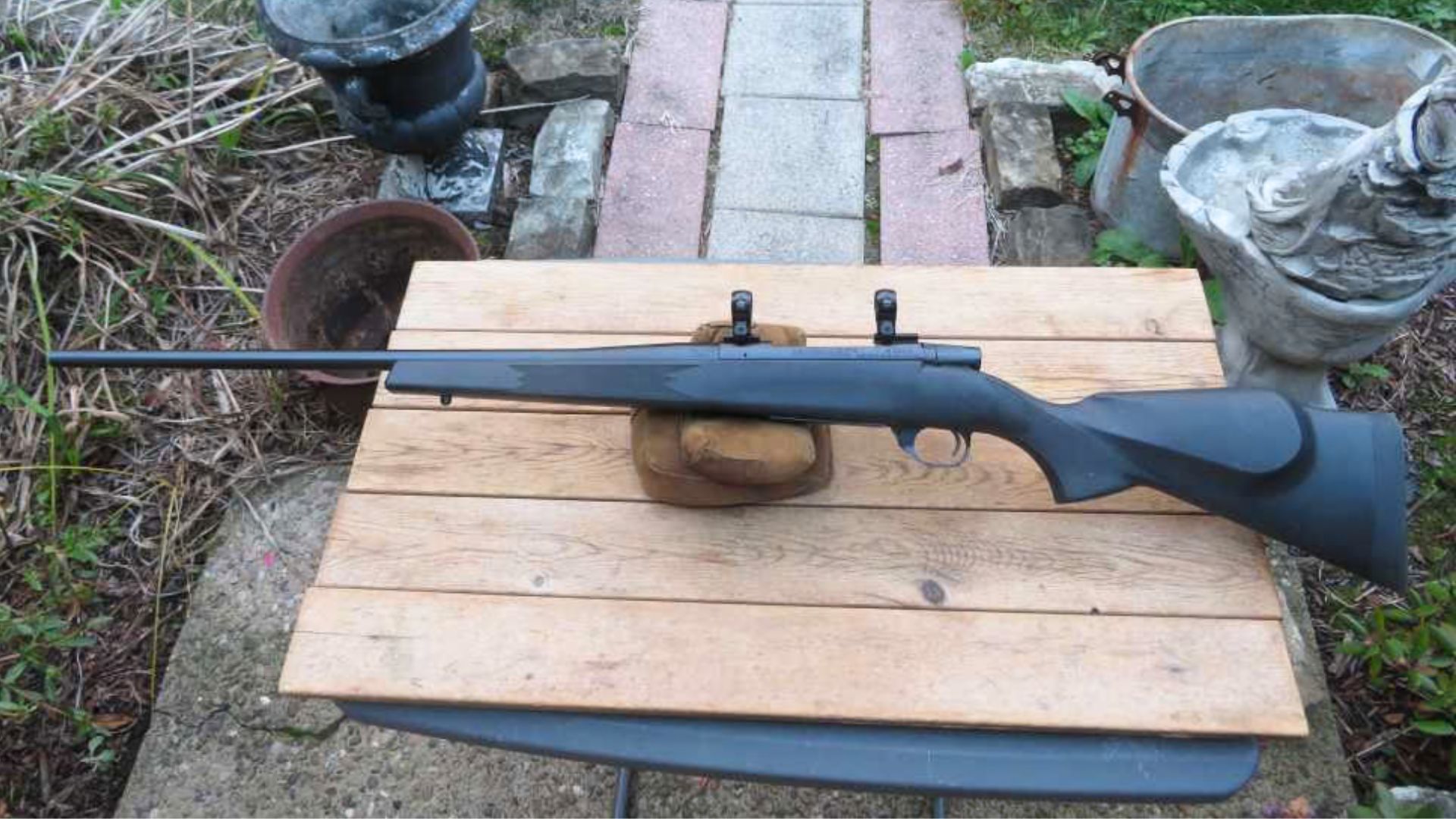
The Weatherby Vanguard has always lived in the shadow of the Mark V. Because it was the cheaper Weatherby, some shooters treated it like the compromise model and assumed it could not be anything special. That was a mistake.
The Vanguard has embarrassed more expensive rifles for years. It is sturdy, accurate, and far more practical than its lower status suggests. It may not have the flash of Weatherby’s flagship rifle, but a hunting rifle earns respect by putting bullets where they belong. The Vanguard did that often enough to make the critics look lazy.
Stoeger M3000

The Stoeger M3000 got dismissed by shotgun buyers who thought a budget inertia gun had to be second-rate. It did not have the Benelli name, the premium finish, or the same polished feel, so the internet treated it like the poor man’s substitute.
Then hunters started using them hard. The M3000 proved itself as a practical waterfowl and field shotgun for people who wanted inertia operation without spending premium money. It is not as refined as a Benelli, but that was never the point. It proved that a shotgun can be affordable, a little rough, and still very useful.
Hi-Point Carbine

The Hi-Point Carbine might be one of the best examples of the internet being too smug. People laughed at the looks, the brand, and the price. It became easy to make jokes before anyone talked about how the thing actually performed.
Then owners kept reporting that the carbines worked. They are ugly, heavy for what they are, and not fancy in any sense. But they tend to be reliable, affordable, and surprisingly fun. Nobody is calling them high-end firearms. They proved the internet wrong by being cheap guns that actually did the job better than the jokes suggested.
Like The Avid Outdoorsman’s content? Subscribe to our newsletter so you never miss an article.
Here’s more from us: