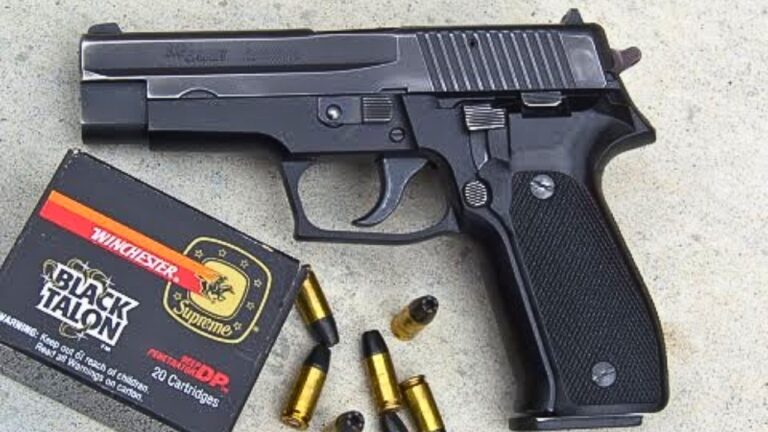
Photo credit: goldgunpawn/GunBroker
When people talk about a handgun “getting the job done,” they usually mean one thing: it runs when it matters. Not when it’s clean on a bench with match ammo, but when it’s been carried, linty, sweaty, banged around in a truck console, and fed whatever you could actually find. Real reliability isn’t a vibe. It’s boring consistency across bad grips, mixed magazines, cheap range loads, and long stretches between deep cleanings.
No pistol is magical, and any machine can choke. But some designs have earned their reputations the hard way—through service use, hard training cycles, and years of being carried by people who don’t have time for cute quirks. If you want handguns that keep working when other guns start acting up, these models are a good place to start.
Glock 19 (Gen5)

The Glock 19 (Gen5) is the definition of a pistol that keeps running when conditions aren’t ideal. It’s tolerant of mixed ammo, it doesn’t demand a fragile maintenance routine, and it stays predictable even when your grip is sloppy and your hands are cold. The Gen5 updates also tightened up little things that matter in real use, like consistent controls and a solid barrel setup.
Where it really shines is the “everyday abuse” category. You can carry it, sweat on it, shoot it dirty, and still expect it to cycle. It’s also easy to get good magazines and replacement parts for, which matters when you actually train. If you want one pistol that’s hard to knock off its stride, this is it.
Glock 17 (Gen5)

The Glock 17 (Gen5) earns its reputation by being simple, roomy, and steady. The longer grip and full-size slide give you control, and the system tends to feed and eject with a lot of forgiveness. It’s the kind of pistol that keeps working even when shooters start getting tired and sloppy late in a long range day.
The other advantage is logistics. Magazines are everywhere, parts are everywhere, and the gun doesn’t need pampering to stay dependable. You can run it with basic 115-grain ball, hotter duty loads, and a lot in between. If you’re the type who wants a full-size pistol that doesn’t get finicky when life gets messy, the G17 is a safe bet.
Smith & Wesson M&P9 2.0 (Full Size)

The M&P9 2.0 Full Size is one of those pistols that quietly keeps proving itself. The 2.0 changes gave it a better grip texture and a more solid feel under recoil, and the platform has been run hard enough by a lot of agencies and shooters to earn real credibility. It’s a work pistol, not a display piece.
In practical terms, it’s a gun you can shoot a lot without chasing weird problems. It tends to run well with common ammo, it tolerates a bit of dirt and dryness, and it gives you good control when you’re moving fast. If you want something that feels a little more “locked in” in the hand than some striker guns, but still stays reliable, the M&P9 2.0 belongs here.
SIG Sauer P320 (Full Size)
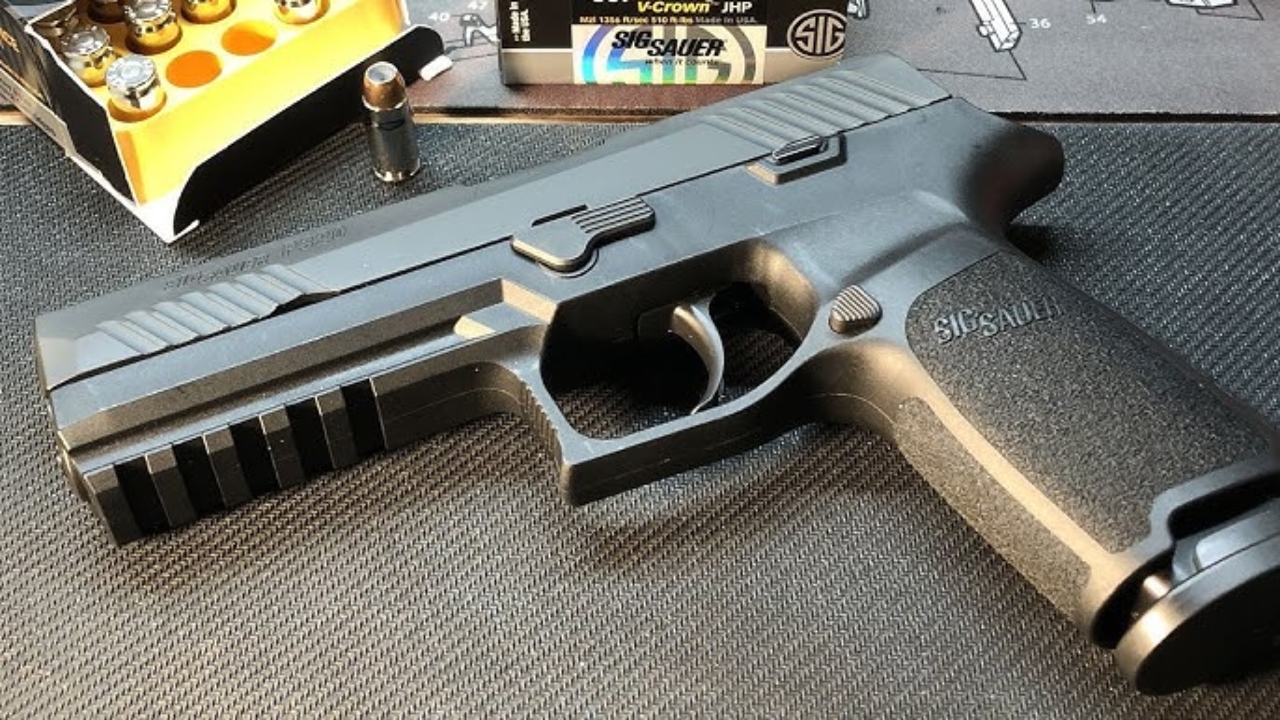
The SIG Sauer P320 Full Size has seen enough serious use to belong in any reliability conversation, especially when you’re talking about a modern duty-style pistol. The modular design gets a lot of attention, but the real story is that the core system feeds and cycles consistently when it’s set up correctly and you use good mags.
The P320’s reliability reputation comes from repetition—big round counts and boring performance. It runs common 9mm loads well and holds up to training schedules that would shake apart weaker designs. It’s also easy to fit to your hand, which helps you keep a consistent grip when you’re tired. If your goal is a modern, service-grade pistol that’s been proven in hard use, the P320 is worth taking seriously.
SIG Sauer P226 (9mm)

The SIG Sauer P226 in 9mm is an old-school service pistol that keeps showing up for a reason. It’s heavy enough to feel stable, the slide-to-frame fit stays solid, and the gun tends to run smoothly even when it’s a little dirty. The system is forgiving, and that matters when people are actually training, not babying a safe queen.
Where the P226 shines is in consistency under stress. The weight and balance help you keep the gun flat, and the gun’s feeding and extraction are generally boring in the best way. It also tends to handle a wide spread of ammo without acting picky. If you want a pistol with a long reputation for getting through hard cycles without drama, the P226 still deserves respect.
Beretta 92FS

The Beretta 92FS is one of the classic “keeps running” pistols, and the open-top slide design is part of why. It has a long history of service use, and it’s known for feeding reliability with common 9mm ammo. When you keep it reasonably lubricated and use quality magazines, it’s a stubbornly dependable gun.
The other advantage is how it behaves when things get rough. The 92FS has a smooth recoil impulse, and the full-size frame gives you a lot to hold onto. That helps you keep the gun cycling correctly when you’re shooting fast or one-handed. It’s not the smallest carry gun and it isn’t trendy, but if you want a pistol that’s been proven through decades of hard use, the 92FS is still a strong answer.
CZ 75B
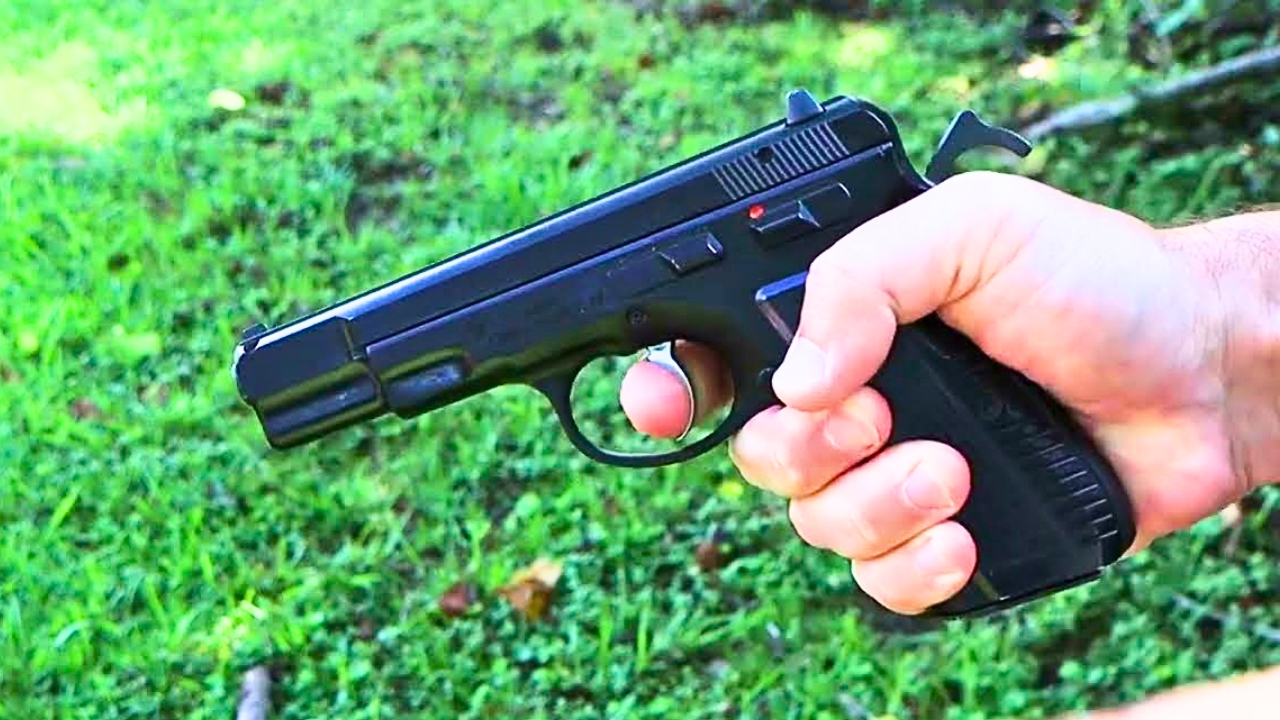
The CZ 75B is the kind of pistol that wins people over after they actually shoot it, then keeps them loyal because it doesn’t turn temperamental. The design has been around forever, and it has a reputation for running reliably with a wide range of 9mm ammunition. The steel frame also gives it a steady, controllable feel.
In real-world training, the CZ tends to keep chugging along. The slide rides low, the gun tracks flat, and the feeding is usually smooth as long as you use decent mags. It’s also a pistol you can shoot accurately without fighting it, which matters when you’re tired and your fundamentals start slipping. If you want a proven, durable handgun that doesn’t need constant attention, the 75B belongs on the list.
Heckler & Koch VP9

The HK VP9 earned its place by being a modern striker pistol that’s genuinely built for high round counts. HK is known for durability, and the VP9 carries that reputation into a gun that’s easy to shoot well and hard to shake into problems. It runs common ammo well, and the platform tends to stay consistent as it gets dirty.
The big thing with the VP9 is how manageable it is in real training. The grip shape helps you lock in control, and the recoil impulse stays predictable when you’re shooting fast. That helps prevent user-induced issues that can show up when shooters get sloppy. If you want a 9mm that feels refined but still built like a tool, the VP9 is a dependable choice.
Heckler & Koch P30

The HK P30 is one of those pistols that feels like it was designed to survive hard use on purpose. It has a strong track record as a duty gun, and it’s known for being durable, reliable, and tolerant of long training schedules. It’s not a flashy range toy—it’s a serious piece of equipment.
What matters in the field is consistency. The P30’s ergonomics help you keep a solid grip even when your hands are wet or cold, and the gun tends to cycle without fuss when you’re shooting under pressure. With good magazines and normal maintenance, it’s a pistol that keeps doing its job. If you want a handgun that feels overbuilt in the right way, the P30 is worth the weight.
Ruger GP100 (.357 Magnum)

When you want “it will fire no matter what,” a good revolver still has a place, and the Ruger GP100 in .357 Magnum is one of the toughest. It’s built stout, it handles heavy loads well, and it isn’t bothered by the ammo sensitivities that can trip up some semi-autos. If you pull the trigger and the cylinder turns, it goes.
The GP100 also holds up to real use. It’s not delicate, and it’s forgiving when you’re dealing with grit, sweat, and weather. You do need to understand revolver realities—like keeping the gun clean around the cylinder and ejector rod—but the design has a reputation for durability that’s earned. If you want a backcountry-capable handgun that’s hard to break, the GP100 is a classic.
Ruger SP101 (.357 Magnum)

The Ruger SP101 is the smaller, carry-friendly version of that same Ruger toughness. In .357 Magnum (or loaded with .38 Special), it gives you a revolver that’s simple to run and difficult to knock out of service. It’s a practical choice when you want a gun that can live in rough conditions and still be ready.
The SP101’s real strength is that it doesn’t ask for much. It’s not ammo-sensitive, it doesn’t care about limp-wristing, and it doesn’t depend on magazine springs or feed geometry. You still have to do your part with reloads and trigger control, but the gun itself is dependable in the way revolvers are known for. For a rugged little revolver that can take a beating, the SP101 keeps earning trust.
Smith & Wesson Model 686 (.357 Magnum)

The Smith & Wesson Model 686 has been a “serious work” revolver for decades for good reasons. It’s strong, it’s accurate, and it handles full-power .357 Magnum loads without feeling like it’s coming apart. When people want a revolver they can actually shoot well, the 686 keeps showing up.
In terms of reliability, the 686 offers that revolver advantage: no feeding cycle to interrupt, no magazines to fail, and no slide to short-stroke. You still need to keep it reasonably clean and avoid debris under the extractor star, but it’s a system that works when life gets rough. If you want a revolver that balances shootability with durability, the 686 is one of the smartest choices out there.
Colt Python (.357 Magnum)
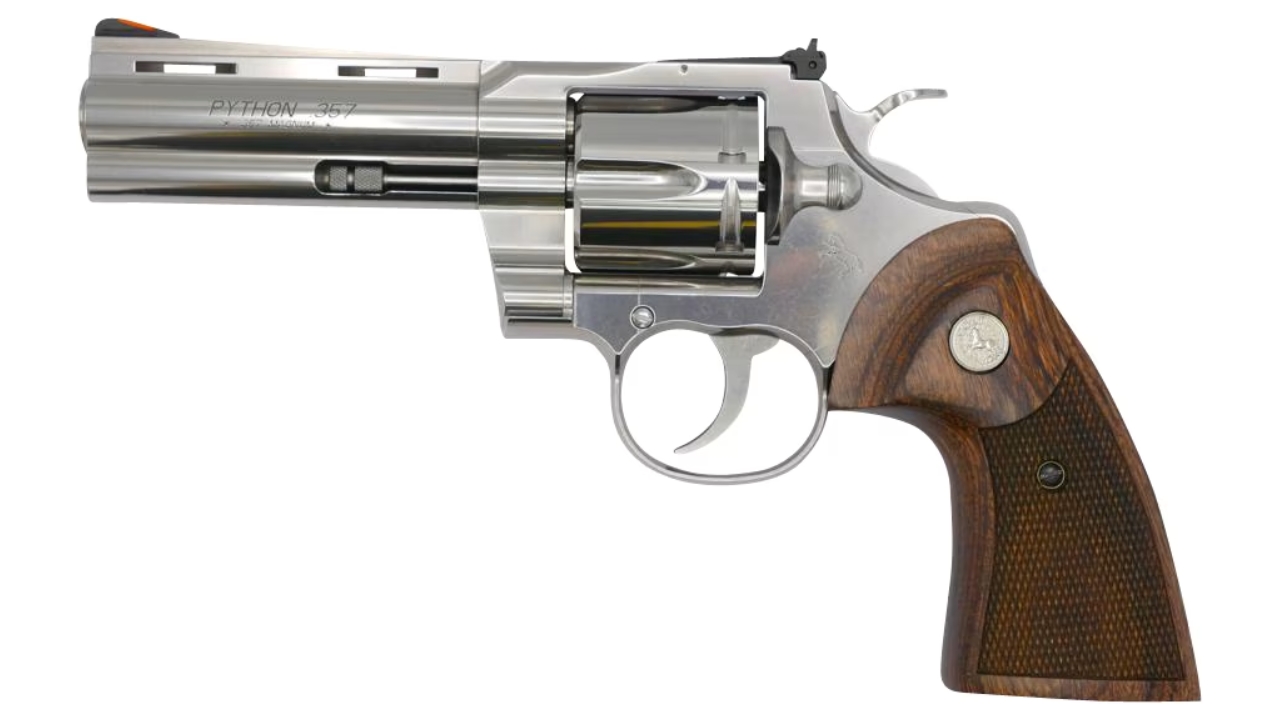
The Colt Python is famous for looks and trigger feel, but it also has a long history as a serious revolver when it’s in good shape. It’s smooth, it’s accurate, and when it’s maintained properly, it runs with the same basic dependability you expect from a quality wheelgun.
The honest truth is that Pythons are often treated like collectibles now, and that changes how people use them. But as a working revolver, it still offers a strong frame, a usable sight picture, and the kind of shootability that helps you place shots under stress. Like any revolver, it needs clean timing and proper care, but “reliable” doesn’t always mean “ugly.” The Python can do real work.
Walther PDP (Full Size)

The Walther PDP (Full Size) is modern, capable, and more durable than a lot of people give it credit for because they focus on ergonomics and triggers first. The PDP is built to be shot a lot. It cycles reliably with common 9mm loads, and it stays controllable when you’re pushing speed.
What makes it a practical “keeps going” handgun is how well it supports the shooter. The grip and controls help you run the gun cleanly, and that reduces the little user errors that can make other pistols feel unreliable. With quality magazines and normal maintenance, the PDP tends to behave like a serious duty-size pistol should. If you want a modern striker gun that’s easy to run hard without surprises, the PDP deserves respect.
Springfield Armory XD-M Elite 9mm

The Springfield Armory XD-M Elite has been run hard by plenty of shooters who care about volume and reliability. It’s a polymer striker pistol with good capacity and a reputation for feeding common ammo well. When you keep it lubed and use good mags, it’s the kind of gun that usually just cycles.
The XD-M’s advantage is that it’s built around practicality. The grip is secure, recoil stays manageable, and the pistol tends to keep running through long strings without getting finicky. Some people overlook it because it isn’t the most fashionable choice, but reliability doesn’t care about trends. If you want a high-capacity 9mm that’s generally tolerant of real-world training abuse, the XD-M Elite is a legitimate option.
Ruger Mark IV (Standard / Target)

If you’ve ever watched centerfire pistols start choking during a rough day, you’ve also seen the value of a rimfire that just runs for training, small game, and camp use. The Ruger Mark IV isn’t a defensive pistol, but it’s one of the most dependable .22 LR platforms out there when you want a handgun that keeps working and keeps you shooting.
The Mark IV’s real gift is consistency and ease of maintenance. The takedown is straightforward, which means you actually clean it, and a clean rimfire is a reliable rimfire. With decent ammo and good magazines, it will run through long sessions without constant fuss. If you want a handgun that keeps the lights on for practice and utility when other guns are being temperamental, the Mark IV is hard to beat.
Like The Avid Outdoorsman’s content? Subscribe to our newsletter so you never miss an article.
Here’s more from us: