Photo credit: WHO_TEE_WHO/YouTube
Some cartridges look great on paper. You read the numbers, compare the charts, and think they should perform better in the field than they actually do. Hunters try them hoping for cleaner hits, longer reach, or better terminal behavior, only to learn that real animals don’t react the way ballistics tables imply.
Some rounds never deliver the energy you expect. Others drop faster than they should or lack the consistency needed when a buck steps out at last light. These are the cartridges that seemed promising until you carried them long enough to see their limits firsthand.
.243 WSSM
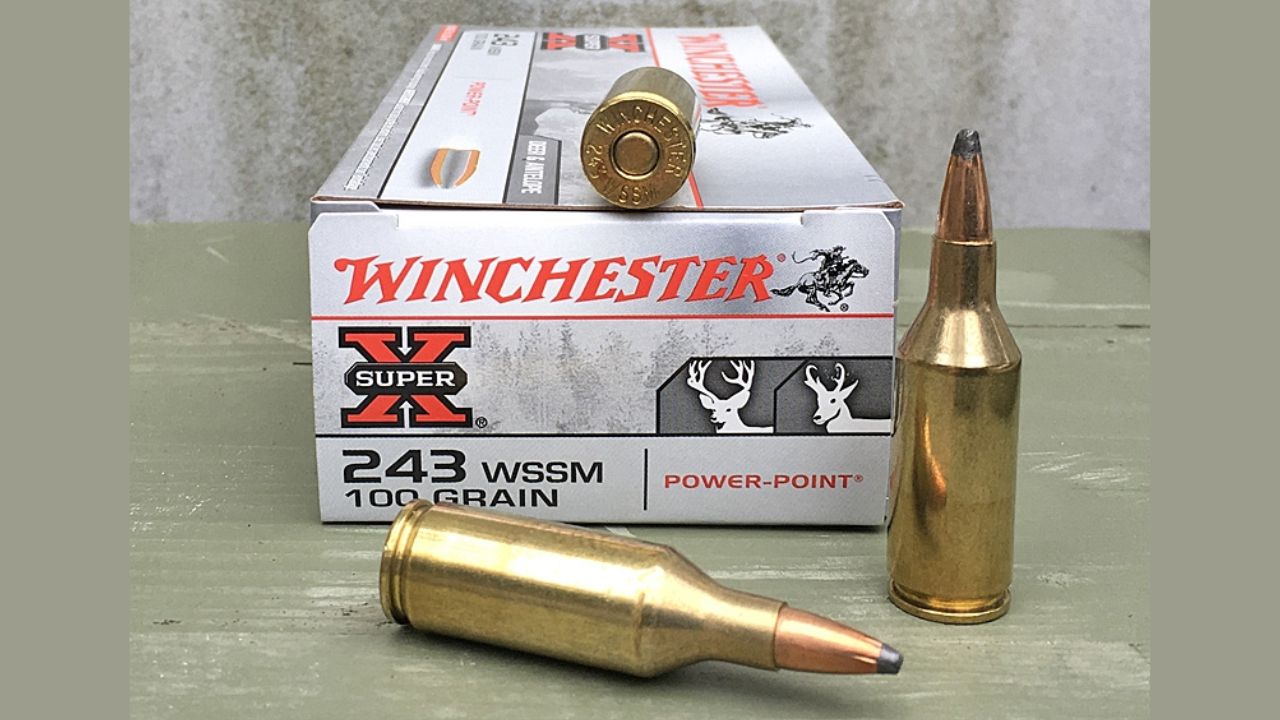
You want the .243 WSSM to work. Its speed looks impressive, and the compact case design suggests a round that should offer flat trajectories in a lightweight rifle. But in real hunts, it often falls short of expectations. The cartridge is hard on barrels, and many rifles chambered for it never shoot with the consistency you’d hope for. Bullet performance also varies more than most hunters prefer. When shots stretch out, impacts don’t always produce the quick, decisive results you expect. It’s a round you root for, but the field results tell a different story.
.25-06 Remington
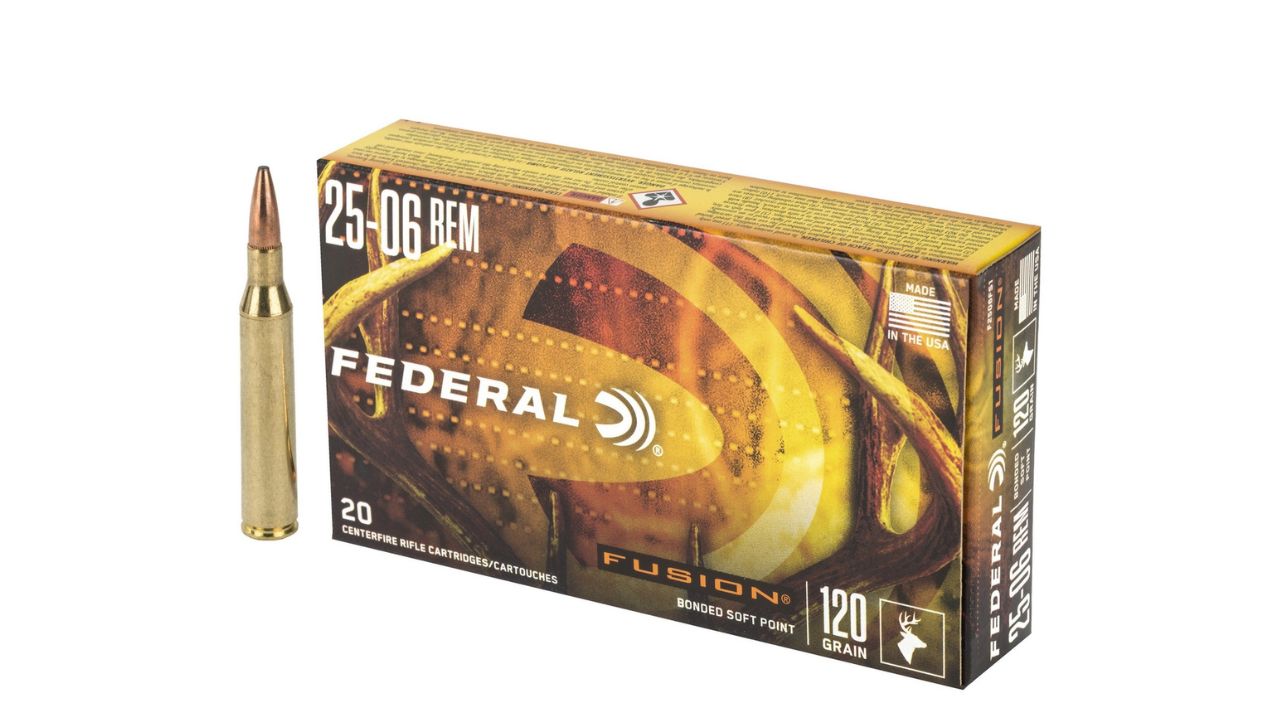
The .25-06 seems like one of those perfect middle-ground options—fast, accurate, and light on recoil. But hunters often learn it doesn’t deliver the same authority on deer-sized game as slightly larger calibers. Many bullets designed for this speed sometimes pencil through without creating the kind of internal disruption you want. The cartridge also loses steam faster than its velocity suggests, especially when using lighter projectiles. Even though it shoots beautifully on the range, the terminal effect can feel underwhelming in the field. It’s a cartridge people hope will hit harder than it usually does.
.260 Remington
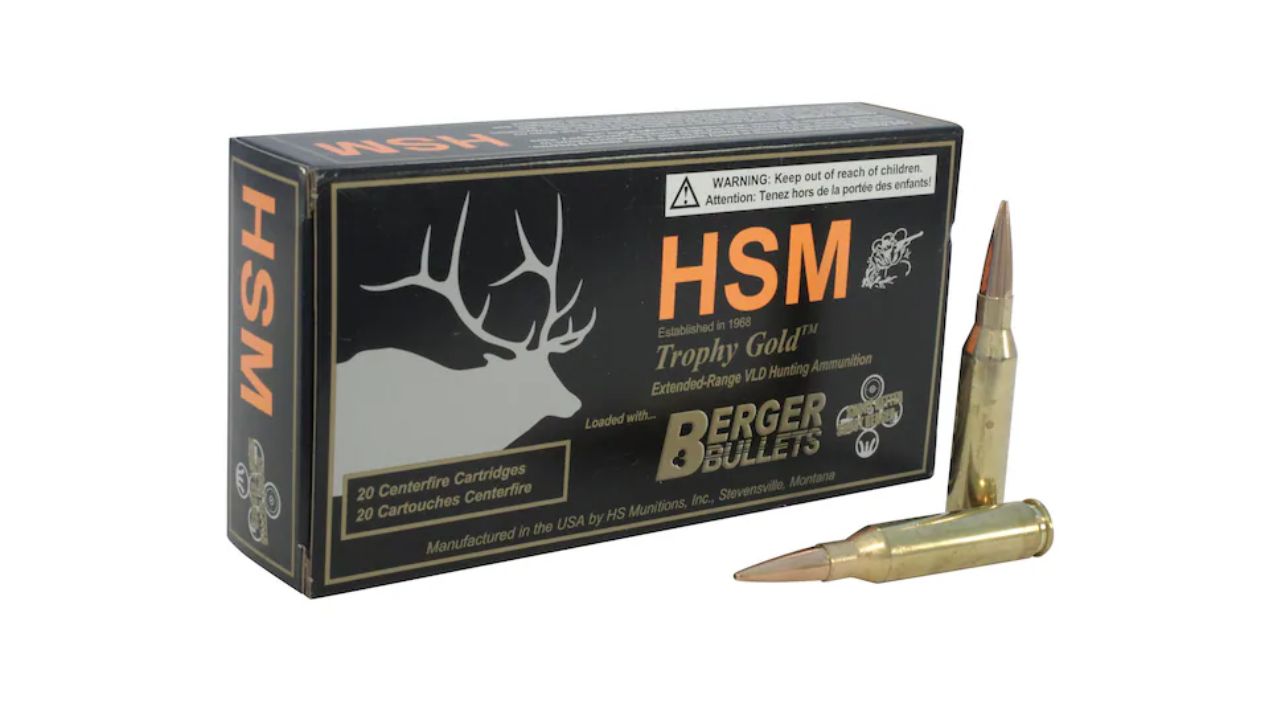
The .260 Remington looks great on the spec sheet, offering efficiency and a strong reputation for accuracy. But in the deer woods, plenty of hunters find it doesn’t carry as much real-world punch as newer 6.5 options. The limited factory ammo selection doesn’t help, and not all loads expand reliably at extended ranges. Even when you place the shot well, deer often run farther than expected. It’s not that the .260 can’t work—only that many hunters hoped it would act more decisively. The mild recoil doesn’t always translate into the terminal performance you want.
.338 Federal
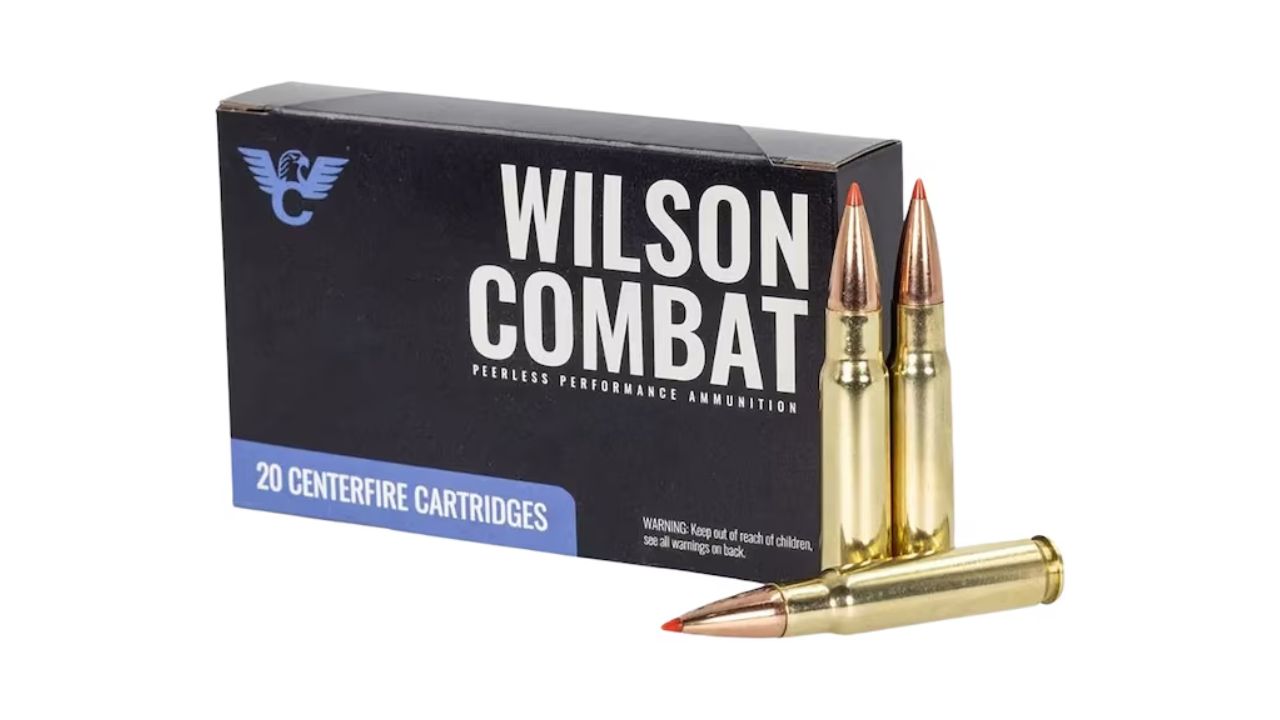
On paper, the .338 Federal seems ideal for short-action rifles and thick-cover shots. You expect it to hammer medium game with authority. But many hunters find that the cartridge behaves inconsistently. The velocity is lower than it looks at first glance, and the bullets, though heavy, sometimes fail to expand as reliably as intended at longer distances. Even inside typical timber ranges, the trajectory feels surprisingly arched. It should perform like a powerhouse, but too often it leaves hunters wishing it carried more certainty. It’s a cartridge that promises more than it consistently delivers.
.22-250 Remington (for deer)

Many hunters try the .22-250 for deer because it shoots so cleanly on the range. The accuracy is excellent, and recoil almost disappears. But even with modern bullets, the round doesn’t always deliver the penetration or energy needed for reliable kills. Impacts can be unpredictable on quartering shots or when bone comes into play. Deer hit well sometimes travel farther than expected, and tracking becomes more complicated. You want to believe precision can make up for power, but real hunts show limitations quickly. It’s a fantastic varmint round that rarely shines on deer.
.30 Carbine

The .30 Carbine has a nostalgic appeal, and its handling makes you want to trust it in the woods. But on deer-sized game, it simply doesn’t offer the performance hunters hope for. The bullet selection is limited, and even the best expanding loads struggle to create meaningful internal damage. Penetration is inconsistent, and deer often run farther than expected after a good hit. Shots that look clean sometimes end in long tracking jobs. It’s a cartridge you want to root for because of history and convenience, but the real-world results rarely support that optimism.
.44 Magnum (from carbines)

A .44 Magnum fired from a rifle should feel like a major step up from handgun performance. And in some cases, it does. But many hunters find the round doesn’t carry the energy or penetration needed on bigger deer, especially at distance. The bullet design plays a huge role, and not all loads behave well when pushed faster from a carbine barrel. Accuracy also varies wildly from rifle to rifle. While it works at close range, the cartridge often leaves hunters feeling like it should deliver more authority than it does. Reliability isn’t always guaranteed.
.300 Blackout
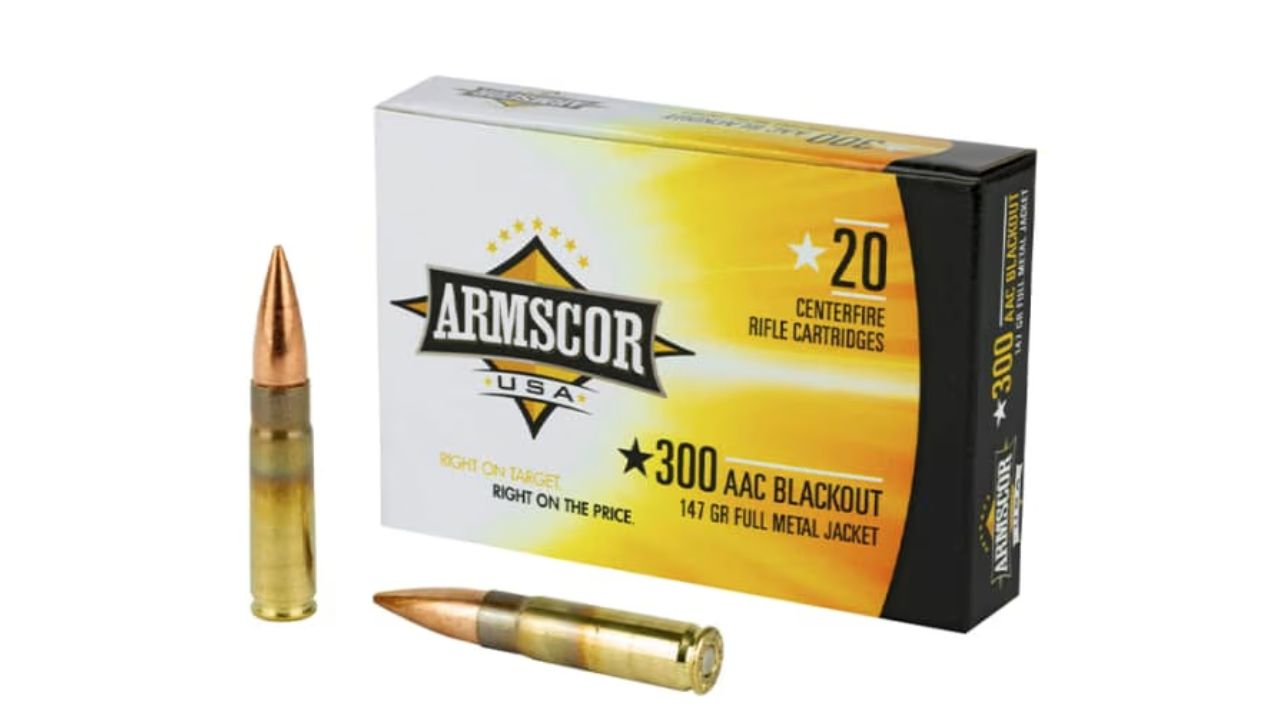
Hunters pick the .300 Blackout hoping for impressive performance from a compact rifle, and the marketing often fuels those expectations. In reality, the cartridge struggles to deliver the terminal effect many people want. Subsonics rarely expand well on deer, and supers sometimes hit with less energy than anticipated. Its effective range is limited, and even well-placed shots don’t always anchor game quickly. It’s a fun round to shoot and ideal for certain setups, but many hunters learn the hard way that it’s not the powerhouse they were hoping to carry.
.270 WSM

The .270 WSM seems like it should be a significant upgrade over the classic .270 Win. The velocity is higher, and the trajectory looks promising. But many hunters find that rifles chambered in the round are finicky. Barrel life is short, accuracy varies, and the recoil is sharper than expected for the size. In the field, bullet performance can be inconsistent because of the velocity extremes. Some shots hit beautifully while others don’t produce the internal damage you anticipate. It’s a cartridge that shines on paper more often than it shines on deer.
.35 Remington

Plenty of hunters pick up a .35 Rem expecting big-bore punch from a mild package. While it works in tight cover, it disappoints when shots stretch or angles get complicated. Expansion is unpredictable with some factory loads, and the round runs out of steam quickly. Even inside 100 yards, it doesn’t always produce the instant reaction hunters expect from a bullet of that diameter. It’s a cartridge with history and charm, but many hunters walk away wishing it carried more authority into the target.
.300 Savage

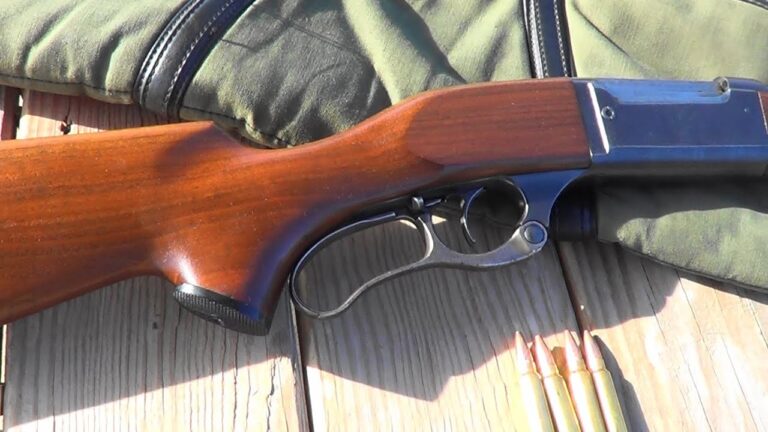
The .300 Savage looks like a capable middle-ground option, and its reputation keeps it alive. But when used in modern contexts, it often feels underwhelming. Velocity is modest, and many bullets designed for the round don’t offer reliable expansion on today’s deer breeds or distances. Hunters frequently report deer traveling farther after solid hits compared to similar cartridges. While it’s soft-shooting and pleasant to carry, the real performance doesn’t match the hope many hunters have when trying it for the first time.
7mm-08 Remington (with light bullets)
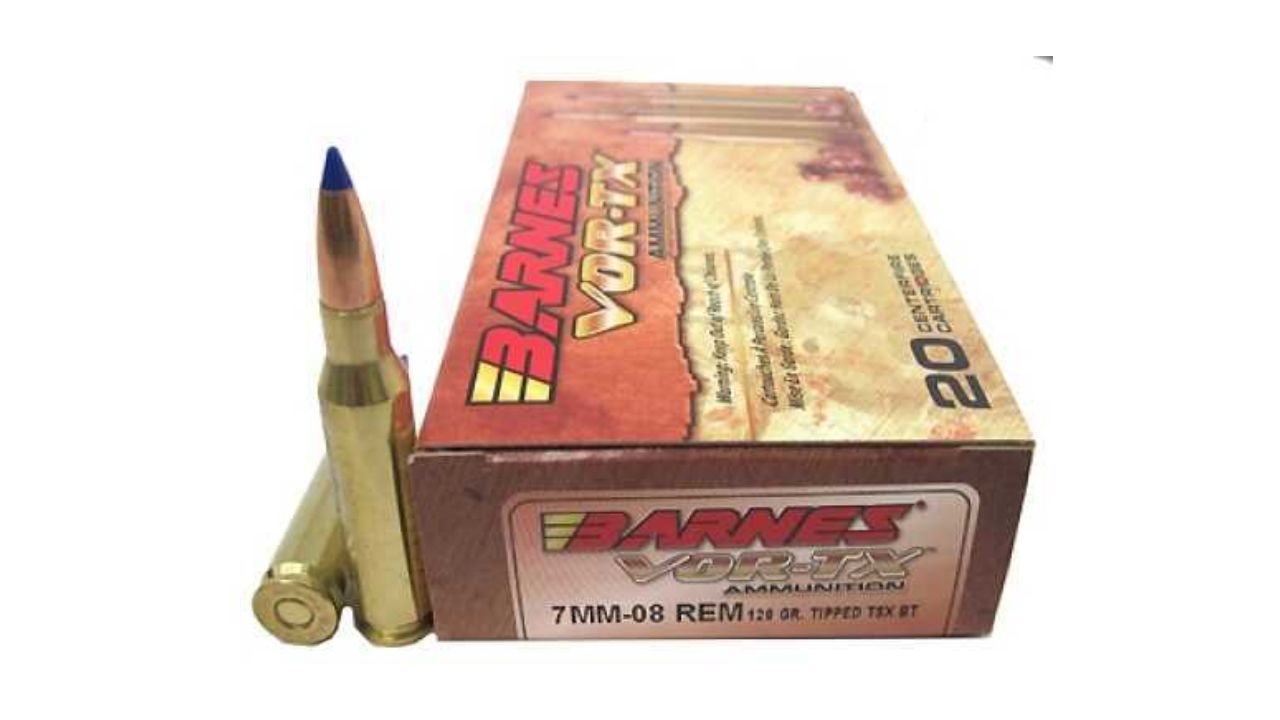
The 7mm-08 is an excellent cartridge, but many hunters choose lighter bullets expecting them to behave like fast, flat options. In practice, those loads often underperform. Expansion can occur too quickly, leading to shallow wound channels, and the bullet may fail to anchor deer cleanly on quartering shots. Hunters who expect rapid drops sometimes experience the opposite. The cartridge shines with heavier options, but the lighter loads give a misleading impression. It’s not that the round is bad—only that many hoped those lighter bullets would work better than they do.
.280 Remington
The .280 Remington has a reputation for balance, but that doesn’t always carry over into field performance. Many factory rifles never shoot it to its potential, and the ammo selection isn’t as strong as hunters want. On deer, results vary depending on bullet choice, and not all loads produce the decisive impact you’d expect from the numbers. Even with good hits, deer often run farther than anticipated. Hunters appreciate the cartridge intellectually but sometimes walk away feeling like it simply doesn’t deliver the authority they hoped it would.
.350 Legend (for longer ranges)

Inside 150 yards, the .350 Legend is an effective round. Beyond that, many hunters quickly learn its limits. The bullet shape and velocity work against you past those ranges, leading to rapid drop and lackluster terminal performance. Shots that look promising on paper lose effectiveness when real animals are involved. Hunters who try pushing it to moderate distances often end up disappointed. It’s great within its window, but that window is much narrower than many expect when they first buy in.
.257 Weatherby Magnum

The .257 Weatherby seems like it should be a dream for deer—fast, flat, and famous for accuracy. But the extreme speed creates issues. Many bullets blow apart on impact or expand too violently, leading to inconsistent penetration. Shots placed slightly off-center can result in unpredictable outcomes, leaving hunters frustrated. The cartridge hits hard, but it doesn’t always hit the right way. You hope for clean, decisive results every time, yet the high velocity introduces variables that often disappoint hunters who expect more reliability.
Like The Avid Outdoorsman’s content? Subscribe to our newsletter so you never miss an article.
Here’s more from us: