
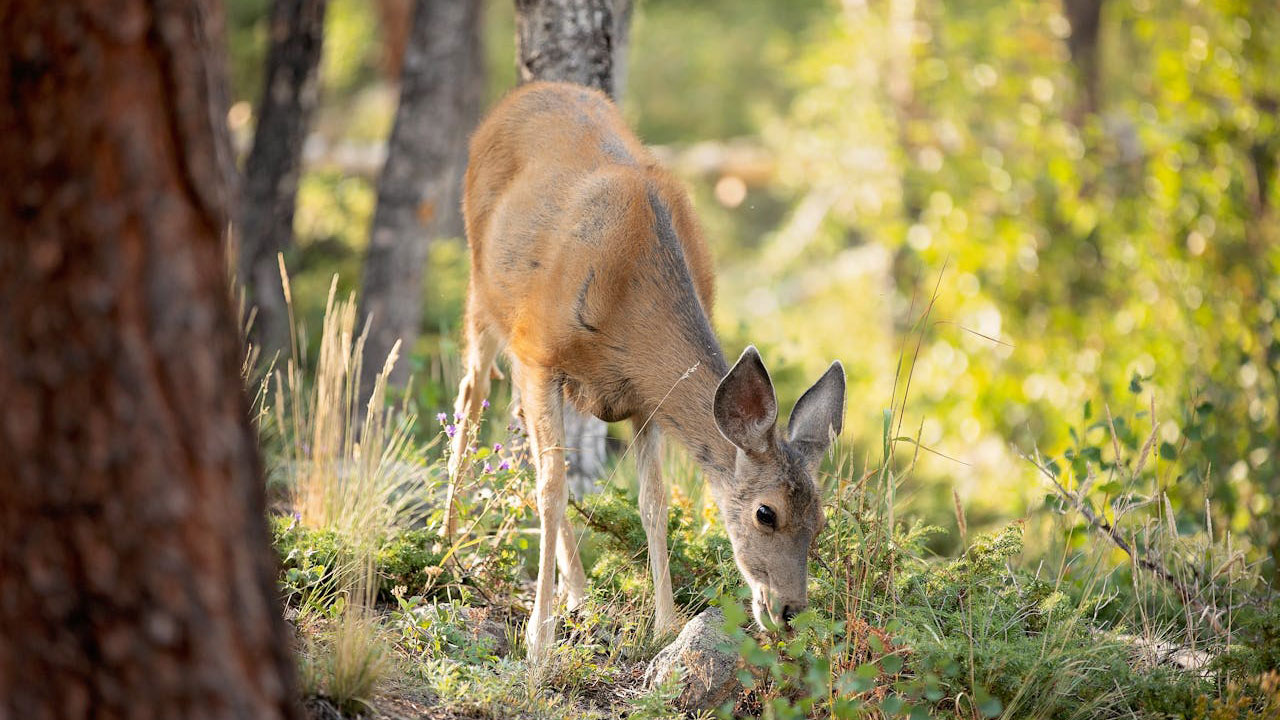
Photo credit: Sherry Baze/Pexels.com
A deer crossing a property line after the shot is one of those hunting problems that gets real serious real fast. It does not matter how clean the shot felt, how good the blood looks, or how sure you are that the animal is going down within sight. The second that deer steps onto posted ground, you are no longer dealing with only shot placement and recovery. Now you are dealing with trespassing, landowner rights, and a situation that can turn ugly in a hurry if you handle it wrong. A lot of hunters get themselves in trouble here because adrenaline takes over and they start thinking about the animal before they think about the boundary. I get it. Nobody wants to lose a deer, especially after putting in the scouting, stand time, and work it took to get that chance. But if you make the wrong move once the deer crosses, you can turn a hard hunt into a blown relationship, a game warden call, or a trespassing charge you never saw coming.
The property line still matters after the shot
One of the biggest mistakes hunters make is acting like the shot gives them some kind of automatic right to continue the recovery wherever the deer goes. In some places, the rules around retrieval are more forgiving than in others, but that is not something you want to guess about while standing there with blood on the ground and emotions running high. Posted land is posted land, and the fact that a wounded deer crossed onto it does not magically erase that. Even when a hunter feels morally right trying to recover the animal, the legal side may not line up the way he expects. That is why the first thing to get straight is simple: a property line is not a suggestion, and recovery does not start with stepping over it because you think you have a good reason. It starts with slowing down, figuring out exactly where that deer went, and treating that line with the same respect you would want somebody to show on your own ground.
Slow down and mark everything before you make contact
Before you call anybody, walk anywhere, or talk yourself into doing something dumb, lock down every detail you can from your side of the fence. Mark the last blood. Mark the last place you saw the deer. Take a screenshot of your map with the property lines visible. Drop a pin on your phone if you use an app for hunting or navigation. If you have a hunting partner, have him stay put and keep eyes on the last known direction of travel while you think through the next move. This is not wasted time. It gives you something solid to work from when you explain the situation to a landowner, a lease holder, or a game warden if it gets to that point. It also keeps you from making the classic mistake of charging ahead based on a rough guess and then realizing later you were not even following the right line. A calm, organized hunter looks a whole lot better than one who comes stumbling onto somebody else’s property acting desperate and half out of breath.
Ask permission like a grown man and not like somebody demanding access
If you know who owns the land, reach out before your boots touch the other side. Call if you can. Knock if it makes sense and it is safe to do so. Keep your tone straight, keep your story simple, and do not come in hot acting like recovery gives you a pass. Tell them you shot a deer legally, it crossed onto their property, and you are asking for permission to recover it. That approach matters more than a lot of hunters want to admit. A landowner may still say no, but plenty of them are much more willing to work with somebody who shows respect from the start. What usually blows these situations up is attitude. Hunters start talking like they are owed something, or they assume the landowner is being unreasonable before the conversation even starts. If the answer is yes, great. Ask whether they want to go with you, whether they want you to park in a certain place, and whether they want firearms left behind during the recovery. If the answer is no, keep your mouth shut, stay polite, and do not turn a bad moment into a worse one.
If you cannot get permission, do not make the situation uglier
This is the part a lot of hunters hate, because sometimes the right move still feels terrible. If the landowner says no, or you cannot make contact, barging in anyway is how you take a frustrating situation and make it a legal one. That does not mean you are out of options, but it does mean your options need to stay clean. In many places, that is the point where it makes sense to contact a game warden and explain exactly what happened. A warden may be able to tell you what the law allows in your area, make contact with the landowner, or at least help you avoid a mistake that follows you longer than one lost deer. It may also mean accepting that the recovery is not going to happen the way you wanted. That is brutal, and no serious hunter takes that lightly, but there is a big difference between losing a deer and earning yourself a trespassing problem on top of it. One is a hard day in the woods. The other can affect where you hunt, who trusts you, and how your name gets talked about locally.
The best fix happens before season ever opens
A lot of these messes can be softened long before there is a buck on the ground. If you hunt anywhere near a boundary, you ought to know exactly who owns the neighboring property, where the corners are, and what kind of relationship exists there before opening day ever gets here. That does not mean becoming best friends with everybody around you, but it does mean doing the basic legwork. Introduce yourself. Learn the lines. Ask about access policies before you need a favor under pressure. Some hunters wait until they need to recover an animal to make first contact, and that is about the worst possible time to introduce yourself. Good relationships do not guarantee a yes, but they sure improve your odds. They also help you make smarter stand placements and shot decisions when a deer is moving toward a line. Sometimes the right choice is passing a shot that feels tempting because you already know what the recovery headache could look like. That is not weakness. That is hunting with enough sense to think past the trigger pull.
A tough recovery call says a lot about the kind of hunter you are
Anybody can talk about ethics when the deer drops in sight on the same side of the fence. The real test comes when the situation gets messy and the easy thing is not the right thing. A wounded deer on posted land puts pressure on every weak spot a hunter has, including impatience, ego, and the urge to justify whatever he already wants to do. That is why these moments matter. They show whether you are the kind of hunter who respects the land, respects other people’s rights, and handles hard situations without acting entitled. Losing an animal hurts. Nobody who cares about hunting is going to pretend otherwise. But there is still a right way to carry yourself when it happens. Stay calm, know where the line is, ask permission the right way, and let the law and the landowner’s rights be part of the equation whether you like the answer or not. That is not just about avoiding trouble. It is about not becoming the kind of hunter everybody else gets tired of dealing with.
Like The Avid Outdoorsman’s content? Subscribe to our newsletter so you never miss an article.
Here’s more from us:


