Photo credit: SportsmanGunCentre/YouTube
You know how glowing online reviews can make a rifle look like a sure thing: photos, a few perfect groups, and a handful of enthusiastic comments. Then you shoulder it in real weather, with real boots and a cold wind, and the whole illusion collapses. Some rifles perform great in a controlled review — a clean bench, one load, ideal conditions — and that’s what reviewers show you. Hunters live in the messy middle: mud, sweat, cold optics, and magazines that don’t want to seat. The rifles below are the ones a lot of hunters bought because of internet praise and ended up regretting. They taught lessons about over-hype, poor early production runs, and why you shouldn’t trust a squeaky demo gun as proof it’ll behave in camp. Read these and remember: real reliability shows up at dawn, not in a staged video.
Ruger Precision Rifle
The Ruger Precision Rifle made a big splash online by promising chassis-style accuracy at a reasonable price. The reviews loved its adjustability and long-range potential, and a lot of shooters bought in expecting a plug-and-play bench monster. What many hunters discovered in the field, though, was that the RPR can demand as much attention as a custom rifle. If you mount optics loosely, torque the action unevenly, or change handguards, the stock-to-action interface can shift point of impact. The long, thin barrels on many chamberings aren’t as forgiving when you hunt from improvised rests or shoulder the rifle on a steep hillside, and the weight and length that make it a precision tool make it awkward to carry all day. For the long-range crowd it’s brilliant, but for a hunter wanting a rifle they can sling, settle into a stick, and trust on a cold morning, the RPR often teaches the hard lesson that accuracy and usability are not the same thing.
Bergara B-14 Ridge (mid-tier runs)

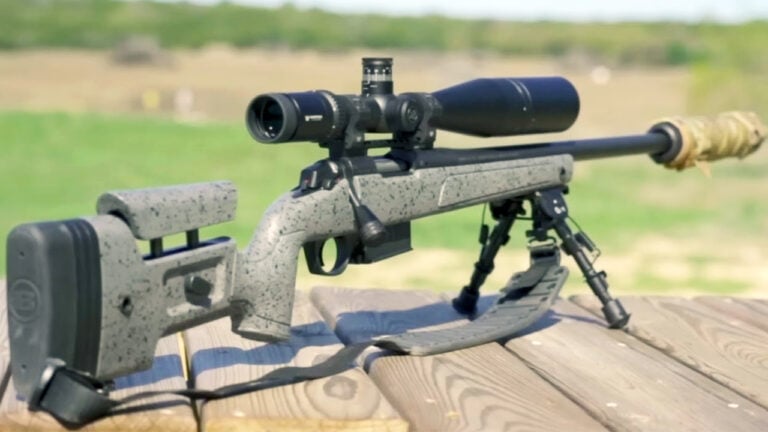
Bergara’s barrels earned them a fast-growing reputation, and that spilled into glowing copy for the B-14 Ridge series. Reviewers praised the barrel and expected the rest of the rifle to follow. The reality for some hunters was that bedding, trigger adjustment, and stock fit didn’t match the barrel’s potential in certain production batches. You can get a B-14 that shoots spectacularly, but you can also get one that fights you with torque-sensitive stocks, paper-thin recoil pads, or triggers that need polishing. Hunters who bought them because “Bergara = bench accuracy” learned the painful lesson of component mismatch: a great barrel can only do so much if the platform under it lets the harmonics wander. In short, it’s a rifle that rewards careful inspection and sometimes minor gunsmithing before you trust it on a hunt.
Tikka T3x Lite (certain trims)
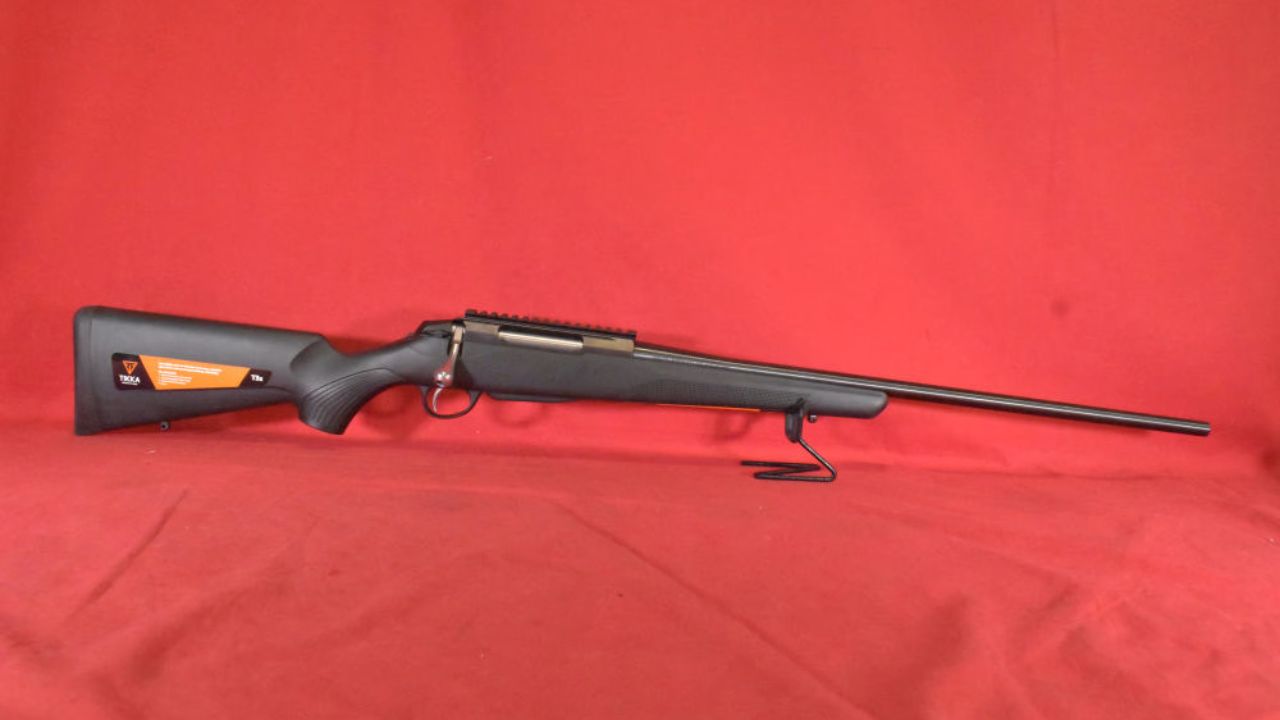
Tikka earned a fanbase by building smooth actions that usually shoot well out of the box. When the T3x Lite appeared online as a featherweight dream for mountain hunters, reviewers were quick to crown it. But carry comfort came with tradeoffs some reviewers underplayed: thin barrels that heat and shift POI, stocks that flex under pressure, and shorter sight radiuses that magnify tiny errors in mounts or rings. When you’re glassing and stalking at dawn, those issues show up as vertical stringing or flyers after a handful of rounds. The T3x line is excellent when you match load, contour, and duty, but some Lite trims teach a hard lesson: saving ounces can mean sacrificing consistent follow-up shots and predictable harmonics when conditions aren’t perfect.
Browning X-Bolt (certain modular trims)

The Browning X-Bolt carried a big reputation online for modern features and out-of-the-box accuracy. Many reviewers lauded the adjustable features and fast lock time. Hunters who actually used certain modular trims discovered quirks that reviewers glossed over: some factory stocks don’t bed the action optimally, and the adjustable features introduce variables you have to tame with torque discipline. In a blind, where you need the scope to hold after a tree grabs your sling, those little shifts add up to missed opportunities. It’s not that the X-Bolt is bad — far from it — but some configurations require careful setup and a test battery of loads to prove their mettle. The online gush often skipped that nuance, and buyers learned to respect the rifle only after a fair amount of tuning.
Weatherby Mark V Backcountry (titanium trims)
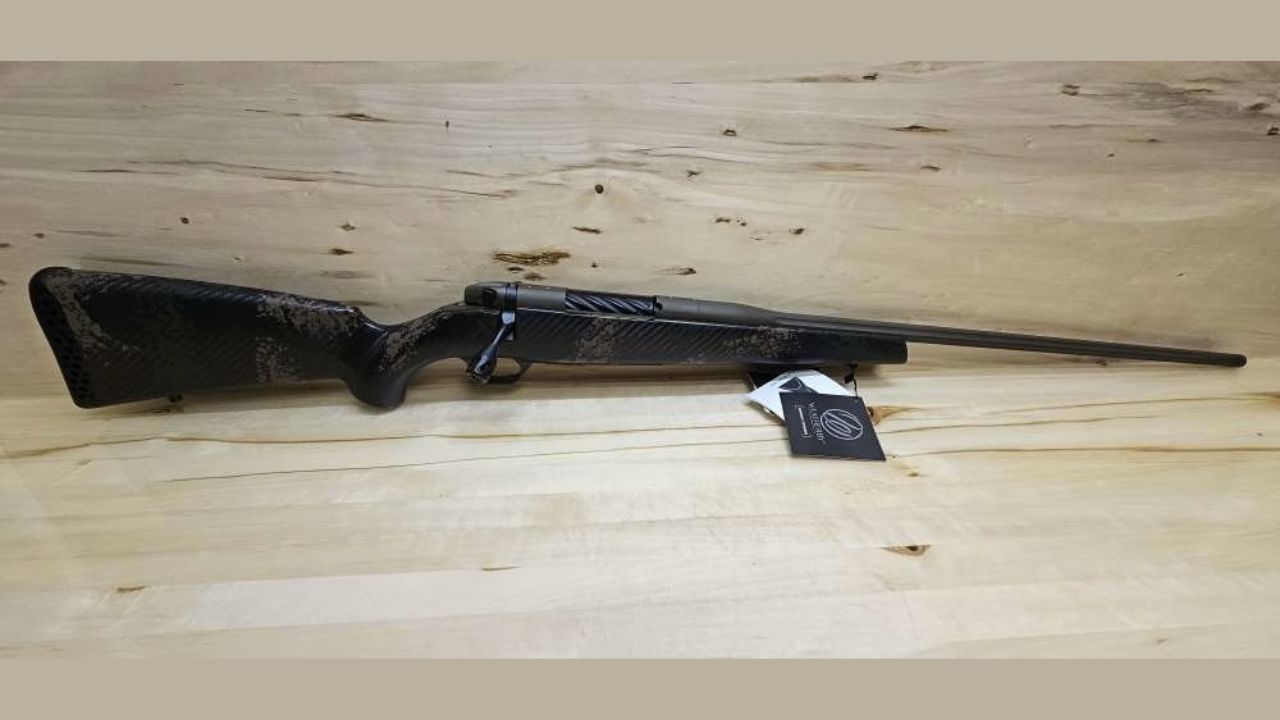
Weatherby’s Backcountry models promised mirror-like finishes with titanium components and low carry weight, and the videos showed mountain hunters smiling. What the hype rarely emphasized was how the thin receivers and exotic metallurgy change how a rifle behaves under recoil and when optics shift. The titanium and skinny barrels save pounds, but they also make the rifle more sensitive to mounting point, cheek weld, and even scope torque. Some hunters found groups opened after a few rounds or that recoil impulses felt sharper than expected, which affects follow-up shots more than a heavier steel gun would. The Mark V Backcountry is a stellar tool for precisely outfitted mountain operations, but it’s also an example of how spec-sheet heroics can hide field inconveniences that reviewers often ignore.
Ruger No. 1 (light sporter configurations)

Single-shot elegance meets sporter weight in some Ruger No. 1 variants reviewers loved for carryability. The problem shows up when you need repeatable impact from odd positions: slender sporter barrels and slim forends are sensitive to how you support them. Online praise often focused on looks and weight, not on how minute pressure changes from a glove or a sling will alter point of impact. Hunters who bought these for quick mountain stalks learned that a graceful No. 1 can be tediously fussy on a rest, and that its lightweight contour makes consistent hold more important than with a full-contour hunting barrel. It’s a beautiful rifle to hunt with, but it teaches patience: if you want bench-level groups, be prepared to rebuild the setup.
Anschütz-style target conversions (when repurposed for hunting)
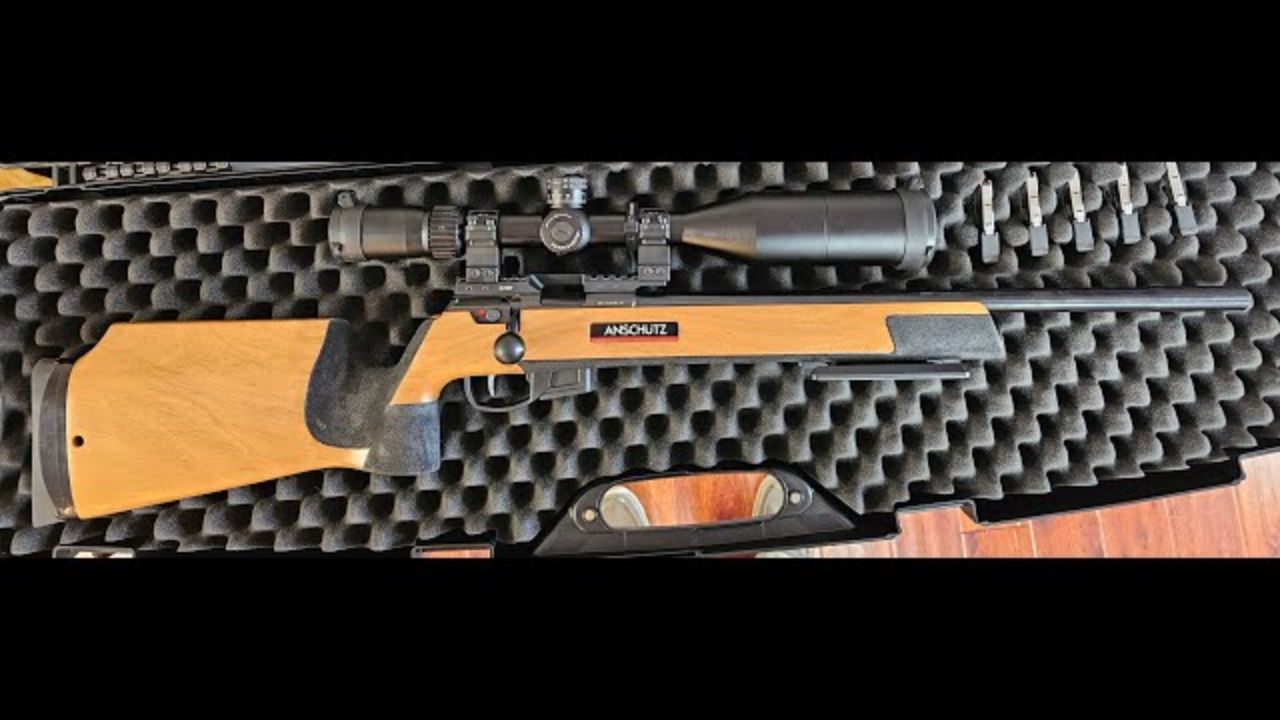
Anschütz actions and barrels get rave reviews for match accuracy, and it’s tempting to buy one and convert it for a hunt. The online praise focuses on bench performance, which is legitimate; those barrels and actions are superb. But in the field, those rifles demand exacting load development, extremely tight torque settings, and careful handling of throat fouling. A target-grade barrel that prints one-hole groups on the range can be unforgiving in the cold or after a long hike when the fouling or scope torque creeps. Hunters who converted an Anschütz-inspired package because of internet miracles sometimes discovered that rifle setups so tuned for the bench don’t forgive a rushed shot at dusk. It’s a luxury tool that needs discipline, and reviewers rarely stress that enough.
CZ 600 Varmint (certain sporter variants)

When CZ expanded into sporter and varmint lines, a lot of online coverage praised the action and barrel combo. The CZ 600 varmint platform looks like a great do-it-all rifle, but when trimmed to light, fluted-barrel sporter specs it can be surprisingly picky. The slender contour harmonics are sensitive to seating depth, and the polymer or minimalist stocks used on some trims don’t control barrel contact consistently. Hunters expecting a “tack driver” right from the box sometimes found themselves chasing a sweet load while their buddies’ heavier rigs shot steadier with standard hunting ammo. The CZ 600 can be excellent — but the internet’s broad endorsements gloss over the setup time you may need to get reliable field performance.
Ruger Precision Rimfire (when used as a “trainer”)
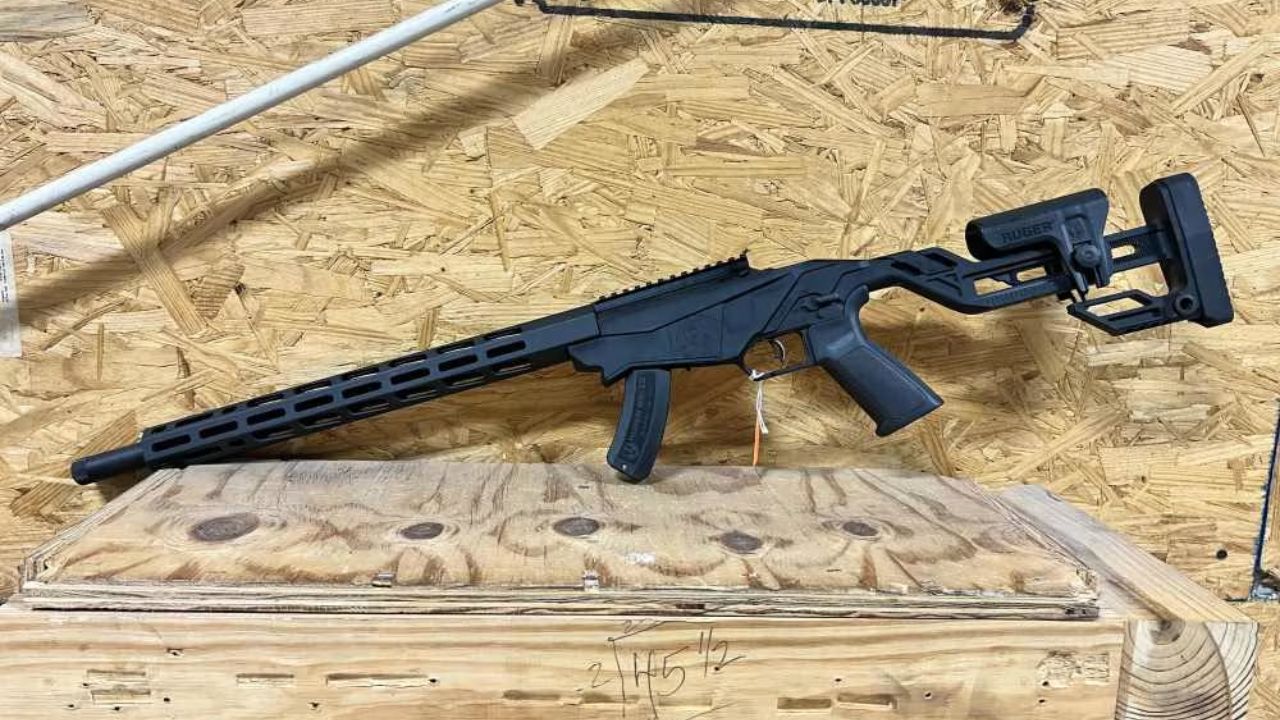
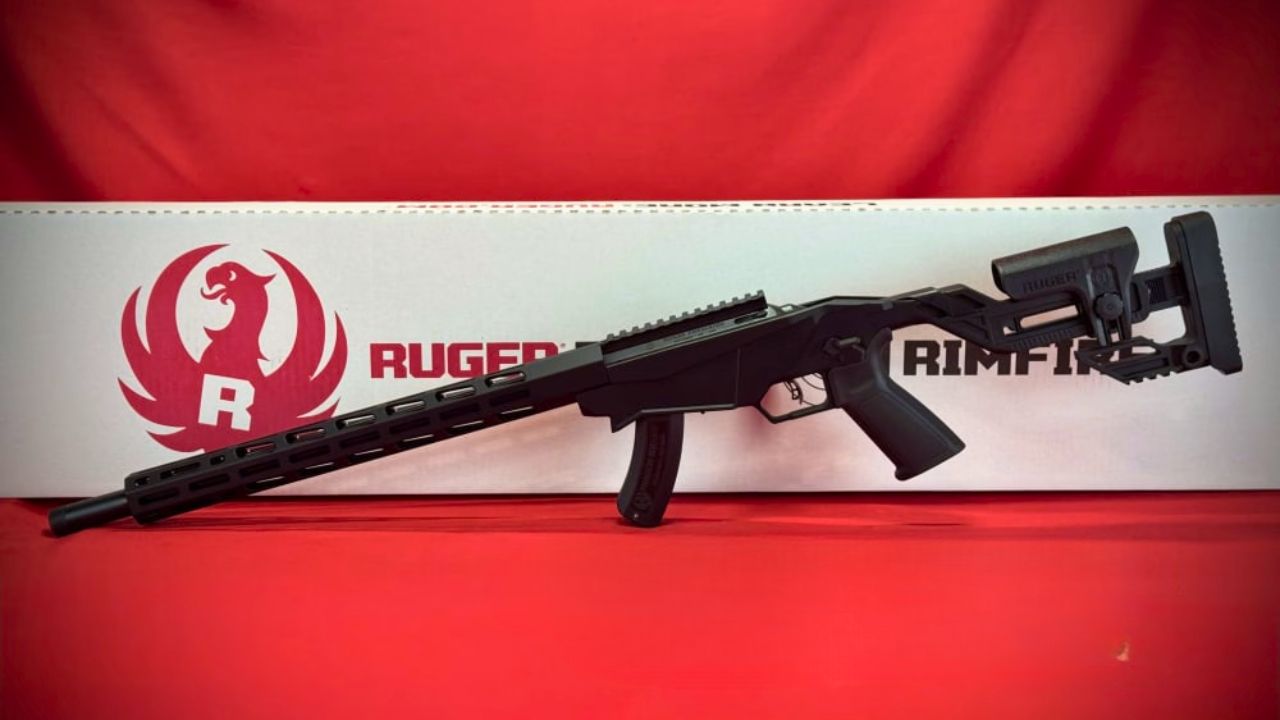
The idea of a precision rimfire as a trainer sells well online: cheap ammo, repeatable follow-ups, and the same ergonomics as centerfire rigs. The Ruger Precision Rimfire draws praise for that reason, but in practice, many hunters found it finicky with ammo and sensitive to cleanliness. Reviews that showed tidy 50-yard groups sometimes didn’t reveal how picky these rifles are about brands and seating depth, and how a rimfire’s fouling can quickly change point of impact. When hunters bought one expecting a carefree training tool and then tried to run several sessions without meticulous care, the rifle turned into a troubleshooting exercise. It’s a great trainer if you accept its nuisance factors; it’s not a plug-and-play substitute for a solid centerfire practice rifle.
Steyr Mannlicher Scout (sporter/short variants)

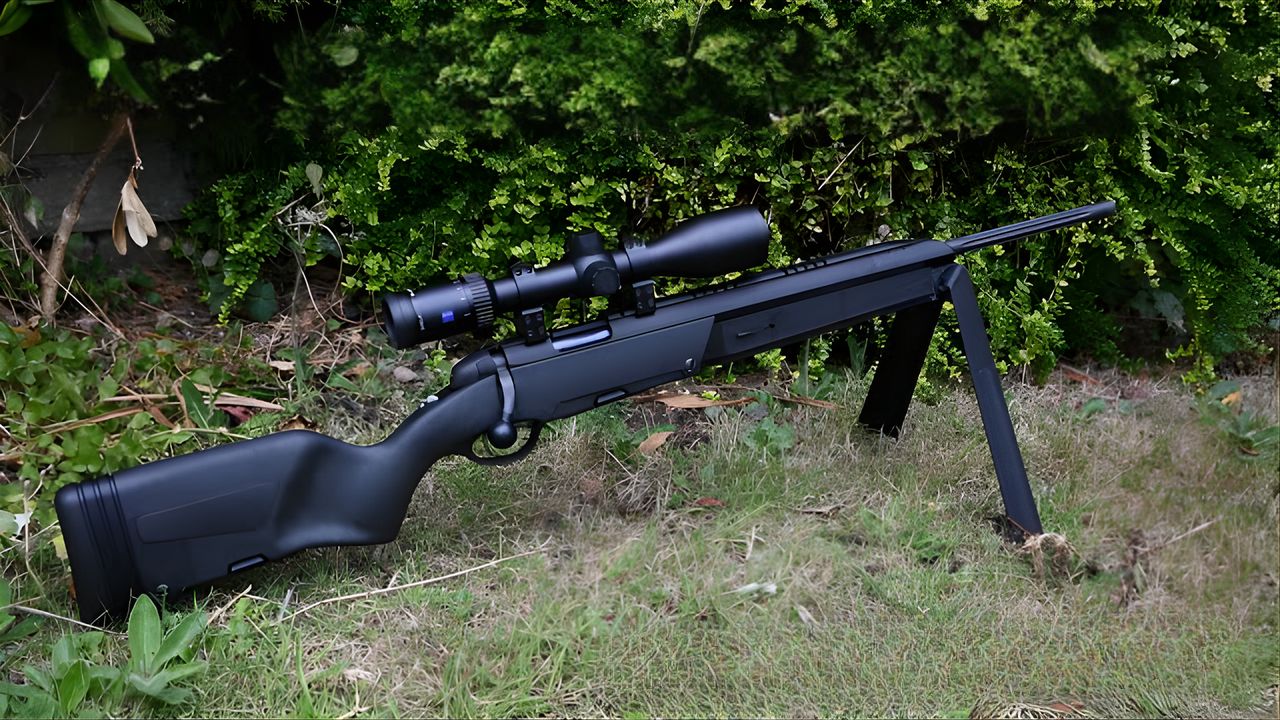
The Scout-style concepts Steyr revived attracted attention and praise online for their compactness and handling. The shorter barrels and compact stocks looked perfect for brush and stalking. Hunters who trusted the reviews discovered that the reduced sight-radius, quick-handling geometry, and some short-contour barrels magnify small setup errors. In close country that’s fine, but when you need a repeatable 100–200 yard game shot, those short configurations can be less forgiving than reviewers implied. A tidy, compact rifle that’s joyful to carry can still cost you accuracy at range if you expect it to perform like a full-sized hunting rig. The Steyr Scout variants proved that light, handy rifles teach a lesson about realistic expectations — especially when reviews only show glowing thumbnails and not real-world shots at dusk.
*This article was developed with AI-powered tools and has been carefully reviewed by our editors.