Photo credit: ArtistGNDphotography/istock.com
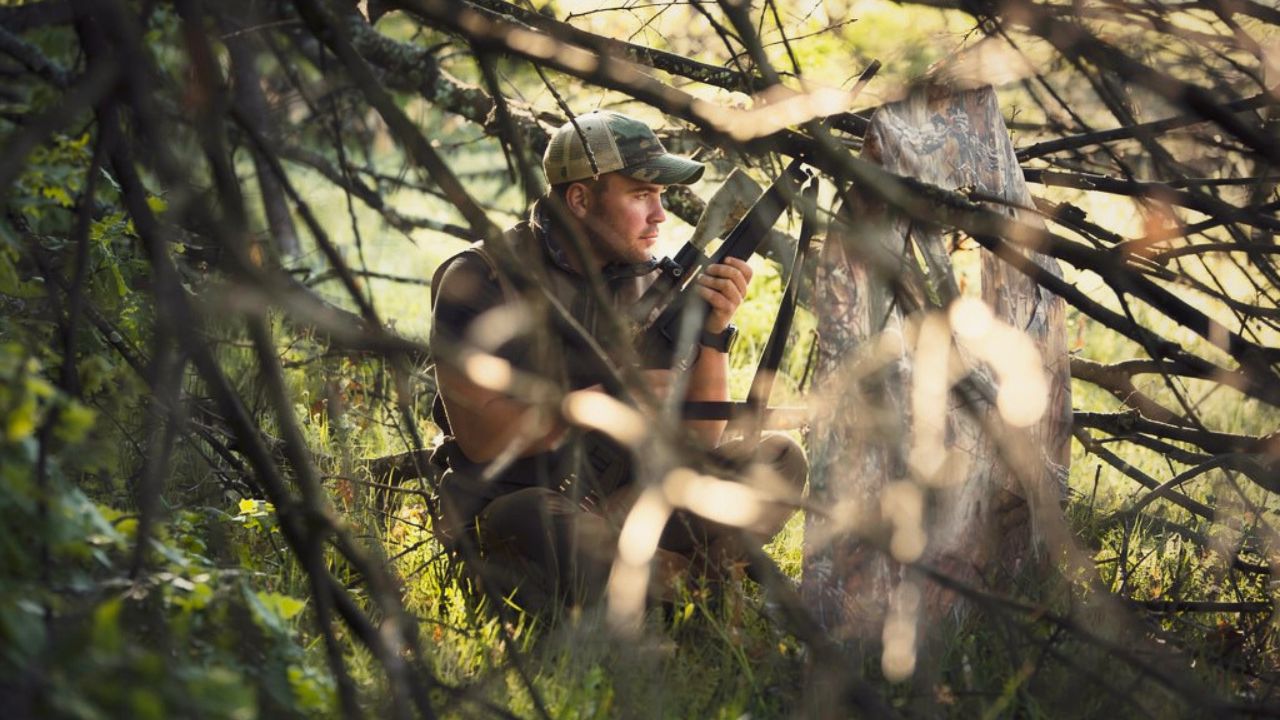
It does not take much for a good setup to stop feeling right. You get into an area with a plan, the wind is workable, the entry went clean, and then you realize someone else has decided to slide in way closer than you expected without ever saying a word. That changes the whole hunt fast. At that point, the issue is not only whether the other hunter was rude. The bigger issue is that the setup is no longer what it was five minutes earlier. Pressure shifts. Movement changes. Safe shooting space gets tighter. A lot of hunters make this worse by reacting like the only thing at stake is pride. They start thinking about who was there first, who is more justified, or who ought to back down. But once someone sets up too close, the real question is not who feels more right. It is what keeps the situation safe, workable, and from turning into a bigger mess than it needs to be.
The first thing to understand is that not every close setup means the same thing. Sometimes the other hunter truly did not know you were there. On public ground, shared leases, and even family properties, people can come in from different directions and have no clue they are stepping into somebody else’s plan until they are already there. Other times, though, a hunter knows exactly what he is doing and simply figures you will adjust around him. Those are not the same situation, and treating them the same usually makes things worse. If you assume bad intent too fast, you can escalate a misunderstanding. If you assume innocence when someone clearly keeps doing this kind of thing, you can talk yourself into tolerating behavior that is never going to improve on its own. That is why the best move is usually to slow down just enough to read the moment honestly before you decide what comes next.
First decide whether the hunt is still clean enough to continue
A lot of hunters skip this part because they are too busy being aggravated. But it is the most important question in the whole situation. Once someone is set up too close, is the hunt still clean enough to keep going the way you intended? If you are no longer comfortable with where that hunter is, how he may move, or what the area would look like if game showed up, then the situation has already crossed into something bigger than simple annoyance. The same thing goes if the overlap changes how the area hunts. If the other hunter is now likely to push movement, crowd your route, or add enough scent and disturbance that the setup has lost what made it good, then staying there out of stubbornness usually does not accomplish much.
That is the part people hate, because backing out can feel like surrendering something. But a lot of hunts get ruined because somebody stayed for the wrong reason. He stayed because he did not want to give up the spot, not because the setup still made sense. The hunters who handle this best know the difference. They understand that once another person is too close, the original hunt may already be gone. Sometimes the smart move is to adjust, leave, and save yourself from sitting in a compromised setup just to prove you could.
If you need to address it, keep it plain and calm
If the situation calls for speaking up, the worst thing you can do is come in hot. That almost always turns a fixable situation into a personal standoff. You do not need a speech, and you definitely do not need a woods argument. What you need is enough clarity that the other person understands the problem. A simple, direct statement about where you are set up and how close the current setup is usually does more good than trying to make a whole case out of it. Most reasonable hunters will understand once the overlap is made obvious in plain terms.
If they do not, that tells you something too. It tells you you are not dealing with someone who simply misread the situation. You are dealing with someone who is comfortable pushing into another person’s space and seeing what happens. Once you know that, the smartest response is usually not to out-stubborn him. It is to make your next decision with clear eyes. Some hunters are not worth trying to reason with in the field. They are worth understanding quickly so you can stop expecting better judgment from them than they actually have.
Do not let the moment turn into a contest
This is where a lot of hunters hurt themselves. They start making decisions based on ego instead of the hunt. They stay put longer than they should, move in ways they should not, or start trying to “win” the area by sheer persistence. That rarely ends well. Even if the other hunter backs out, you may already have a blown setup, extra pressure, and a sour morning that did not need to go that way. A crowded, tense hunt is not something you usually rescue by adding more tension to it. Most of the time, you just end up making a bad overlap last longer than it should.
The hunters who keep their seasons cleaner are usually the ones who refuse to let one moment decide their whole tone. They do not make the field their courtroom. They do not assume every close setup has to become a showdown. They take the information for what it is. If the overlap was accidental, they handle it clearly and move on. If it was deliberate, they remember that too and plan accordingly. Either way, they stay more focused on protecting their hunt than on defending their pride.
The best response usually comes from clarity, not emotion
When someone sets up too close without asking, the right move is usually the one that keeps you thinking clearly the longest. Figure out whether the situation still makes sense. Speak plainly if you need to. Do not force a compromised hunt just because backing out feels unfair. And do not confuse standing your ground with making the smart call. Those are not always the same thing.
That is really what this comes down to. A close setup does not automatically have to turn into a big problem, but it often will if you let irritation make the decisions. The hunters who deal with this well tend to understand one thing early: once another hunter is too close, the original plan is already gone. From there, the job is not to salvage your pride. It is to make the next move in a way that keeps the situation from getting dumber than it already is.
Like The Avid Outdoorsman’s content? Subscribe to our newsletter so you never miss an article.
Here’s more from us: