
Photo credit: By The editor 540, CC BY-SA 4.0, via Wikimedia Commons
If you’re looking for a knife that can take a beating and still be worth carrying, you need more than a flashy design or a big name. A hard-use knife needs to hold up under pressure—whether you’re batoning through wood, digging out a stuck casing, or gutting a deer at dusk. American-made doesn’t always mean high quality, but there are certain features and materials that separate the ones worth owning from the ones that’ll quit when you need them most.
Proven Steel That Doesn’t Fold Under Pressure
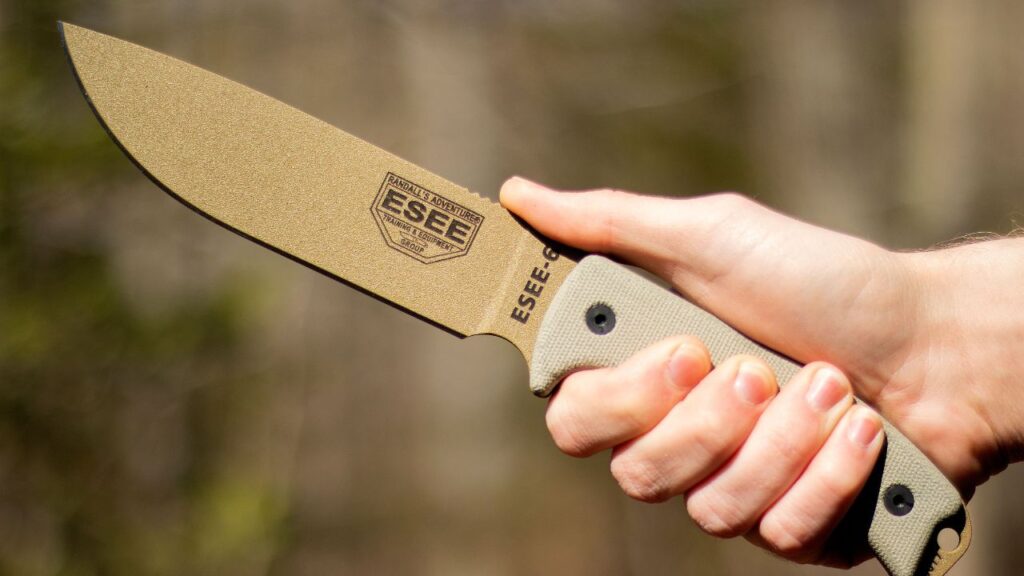
Don’t get caught up in marketing jargon—look for steels that have already proven themselves. Options like CPM-3V, S35VN, and 1095 Cro-Van are known for their balance of edge retention, toughness, and ease of maintenance. If you’re working outside or on the move, that matters. You want steel that sharpens back up fast and won’t chip if it hits bone or rock. A USA-made blade is only as good as the steel it’s cut from, so don’t compromise here.
Heat Treatment That’s Done Right
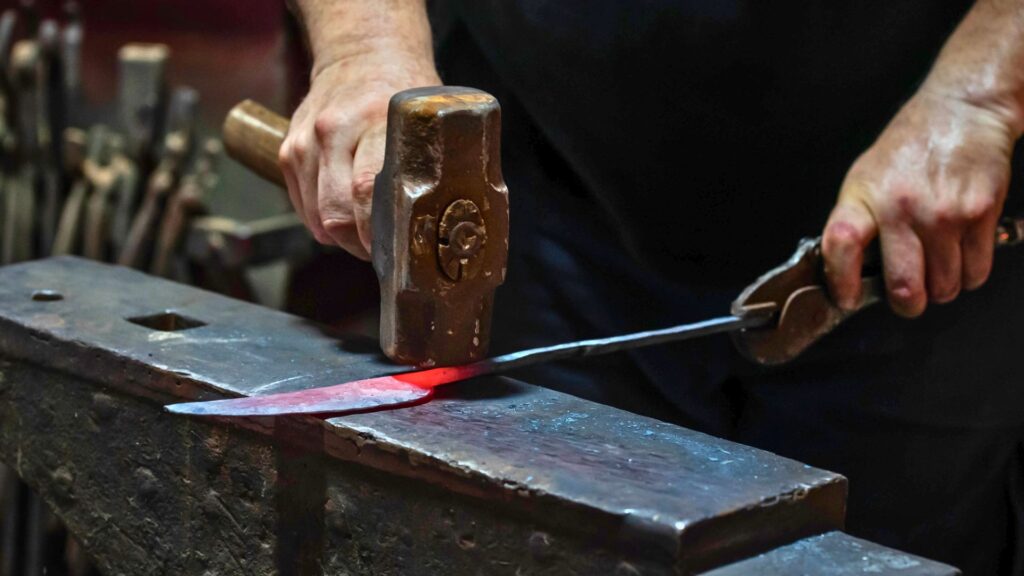
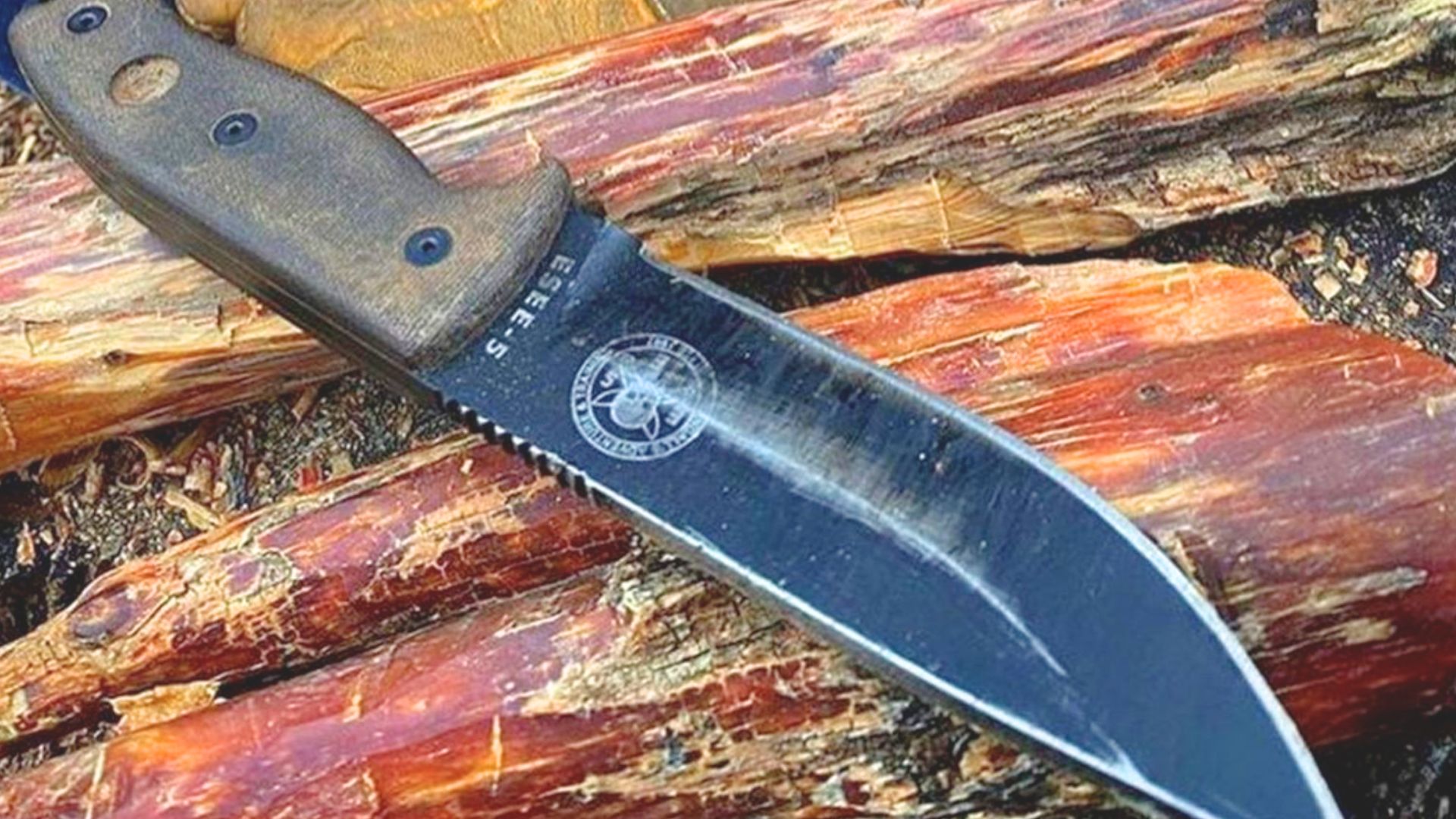
Even good steel can fail if the heat treat is sloppy. A solid heat treat brings out the steel’s best qualities—too soft and the edge rolls, too hard and it chips. Companies like Buck, ESEE, and Bradford take this seriously and consistently nail the sweet spot. It’s one of those details that’s easy to overlook but makes a major difference once you’re actually putting that knife to work in the field.
Full-Tang for Real Strength

If you’re buying a fixed blade, full-tang construction isn’t optional—it’s the baseline. That means the steel runs all the way through the handle, giving it better strength under torque, impact, or lateral force. Stick tangs and half-tangs can fail when you’re prying, chopping, or hammering. A full-tang blade might weigh a bit more, but the tradeoff in durability is always worth it.
Grip That Doesn’t Slip When It Matters
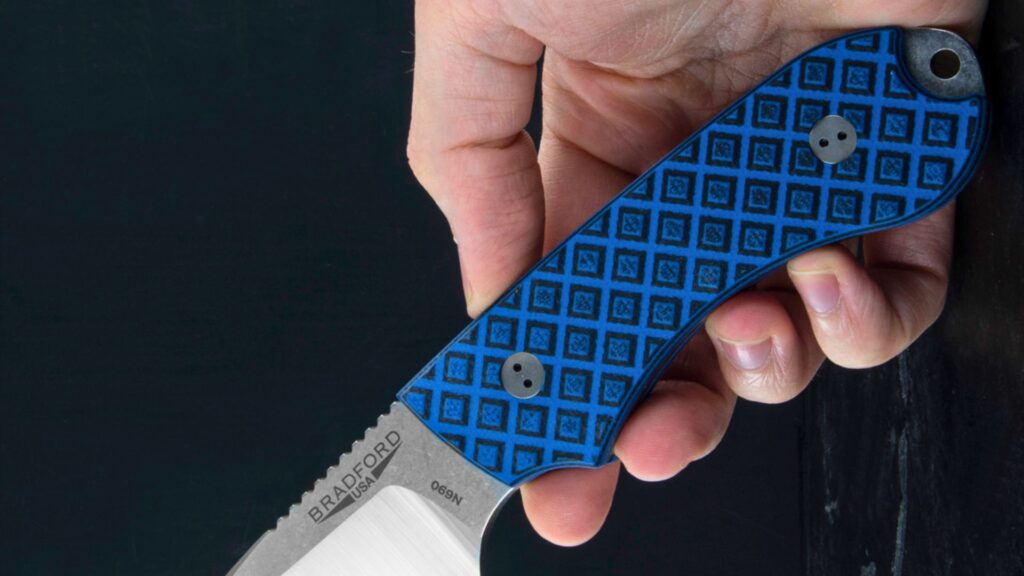
A hard-use knife should feel locked in your hand—even if it’s wet, bloody, or muddy. Look for scales made from G10, micarta, or well-textured rubber. These materials give you a grip that won’t shift or slide when you’re in the thick of it. Avoid polished wood or slick synthetics on anything you plan to put through serious use. The grip should make you feel in control, even when conditions don’t.
Sheath That’s Built to Be Worn, Not Tossed
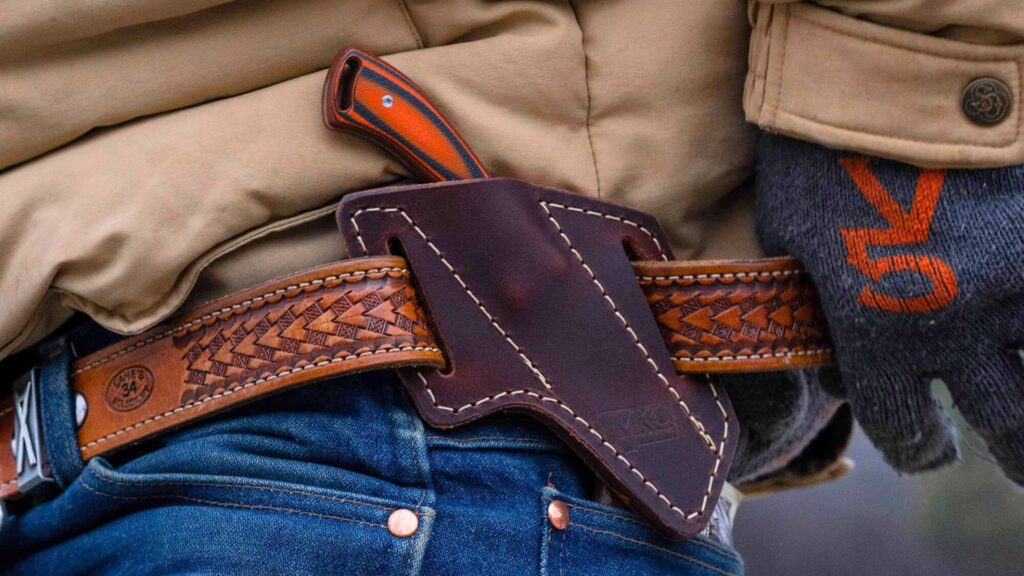
Too many knives come with throwaway sheaths. If you’re going to carry it, the sheath needs to be comfortable, secure, and easy to draw from. Look for molded Kydex or well-stitched leather from companies that actually test their gear. Adjustable retention, solid belt clips, and lashing options are all things that make a difference once you’re out in the woods or crawling through brush.
A Tip That Can Take the Hit
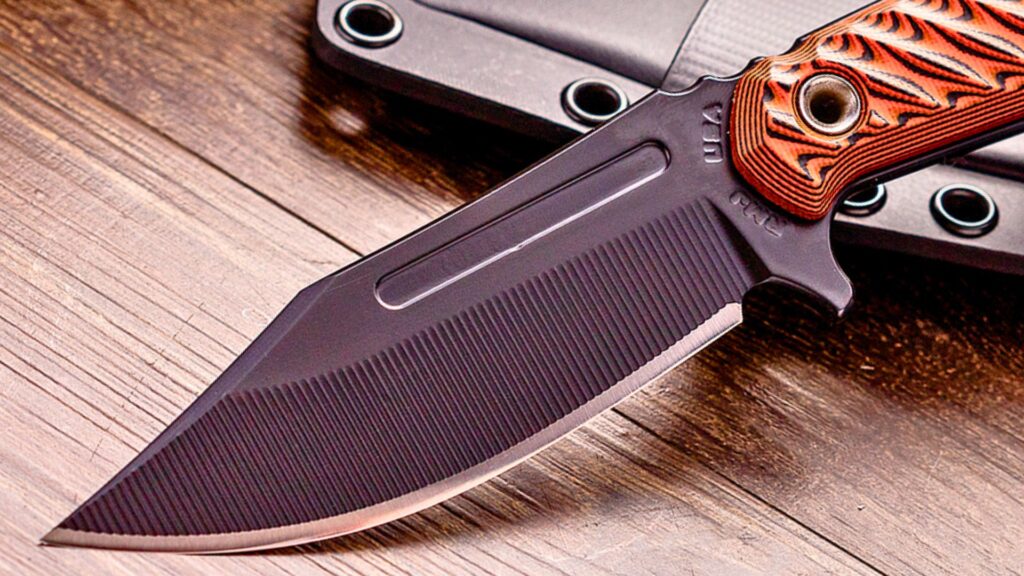
The tip is often the first thing to snap on a knife that’s all looks and no spine. Go with a blade shape that keeps some steel behind the tip—drop points, spear points, and clip points with enough meat at the end tend to hold up better. You’ll feel it when you dig or pry. A weak tip limits what you can safely do with the knife, and that’s not what you want when it’s the only tool you’ve got on hand.
Thickness That Matches the Job
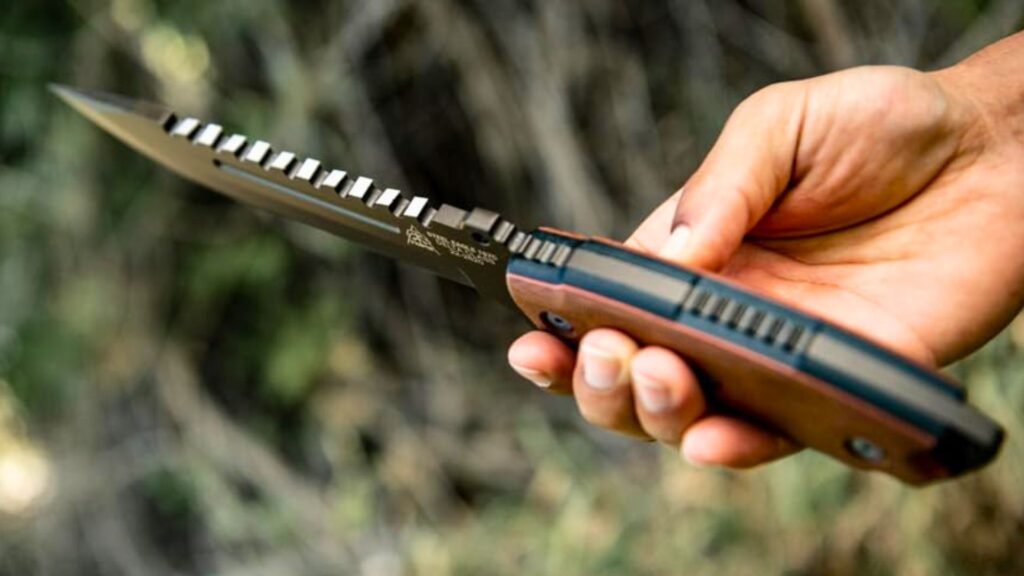
You don’t need a quarter-inch slab of steel for most hard-use tasks, but you also don’t want a dainty slicer pretending to be a survival blade. Something in the .125 to .1875 inch range usually hits the sweet spot. That gives you the strength to baton and pry without sacrificing too much cutting performance. If the knife looks cool but feels like a crowbar, it’s going to disappoint in real-life work.
A Blade Grind That Works, Not Wears Out
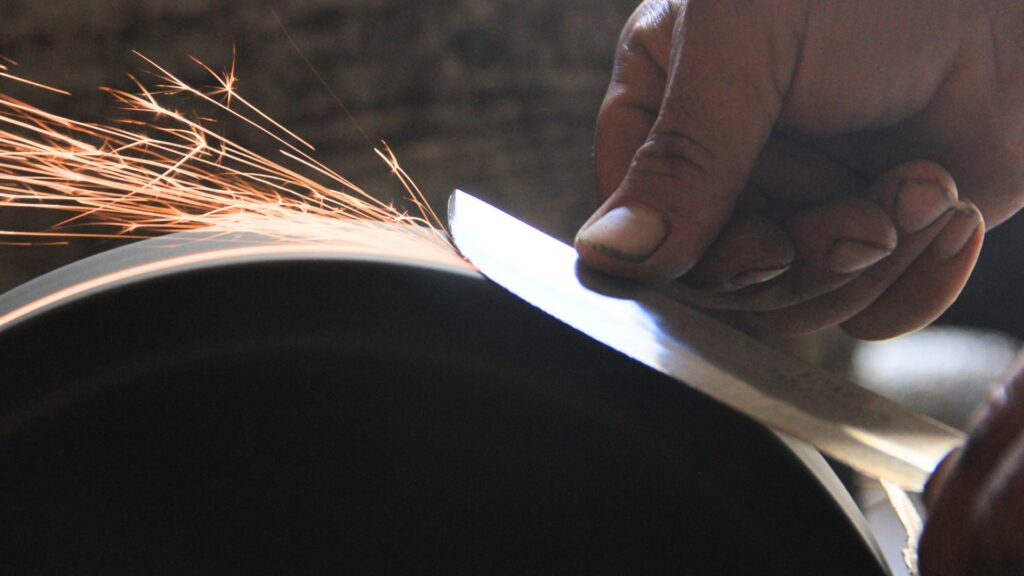
The grind affects how the blade slices, chops, and resharpens. Flat grinds give you a good mix of strength and cutting power. Scandi grinds are great for woodworking, and convex grinds shine in durability. Hollow grinds might slice well, but they tend to be thinner and less forgiving under stress. Pay attention here—a bad grind can ruin otherwise good steel.
Handle Geometry That Actually Fits
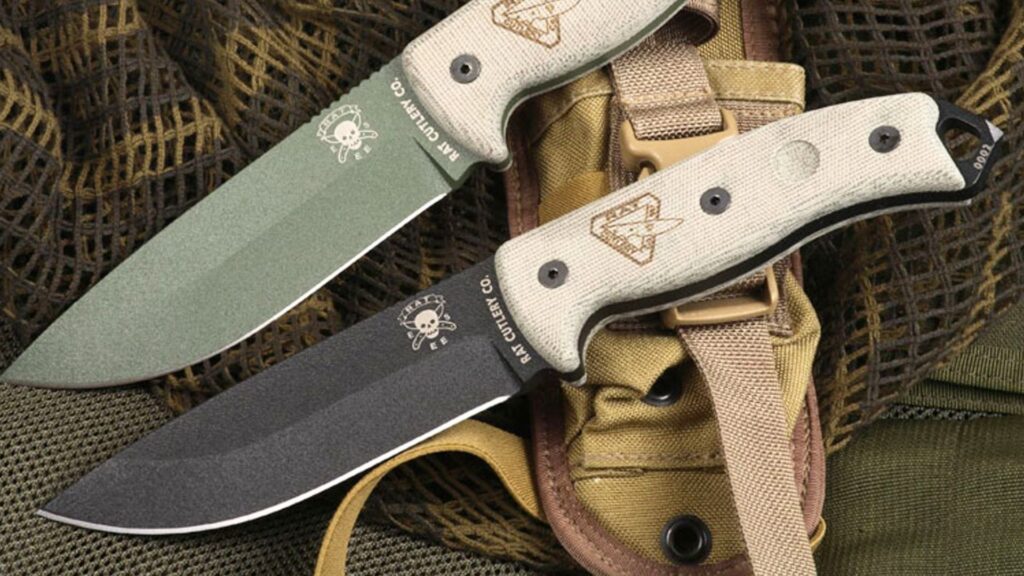
A hard-use knife needs a handle that fits your hand without hot spots. If you’re going to use it for hours—or even minutes under pressure—comfort matters. Look for neutral shapes that give you multiple grip options and enough length for leverage. Too many “tactical” knives have angular, oversized handles that look aggressive but feel awful. You need control and comfort, not gimmicks.
Locking Mechanism That Won’t Fail (For Folders)
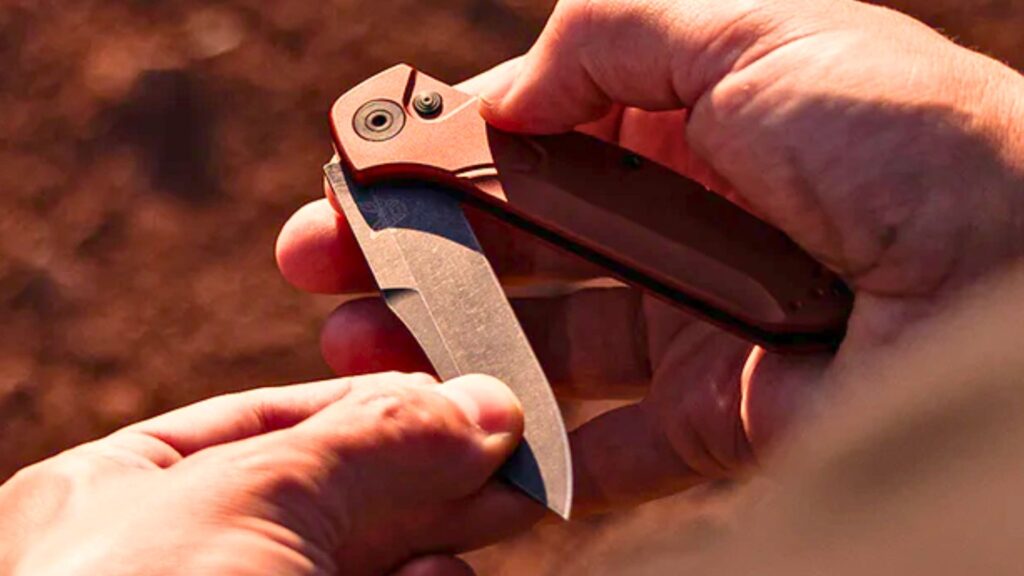
If you’re running a folding knife, the lock is your safety net. Liner locks, frame locks, and Tri-Ad locks can all work—but they need to be done right. You don’t want any play in the blade or question marks about whether it’s going to stay open under pressure. Hard-use folders need to feel rock solid when they’re deployed. If it feels sketchy, it probably is.
Built By a Company That Still Stands Behind It
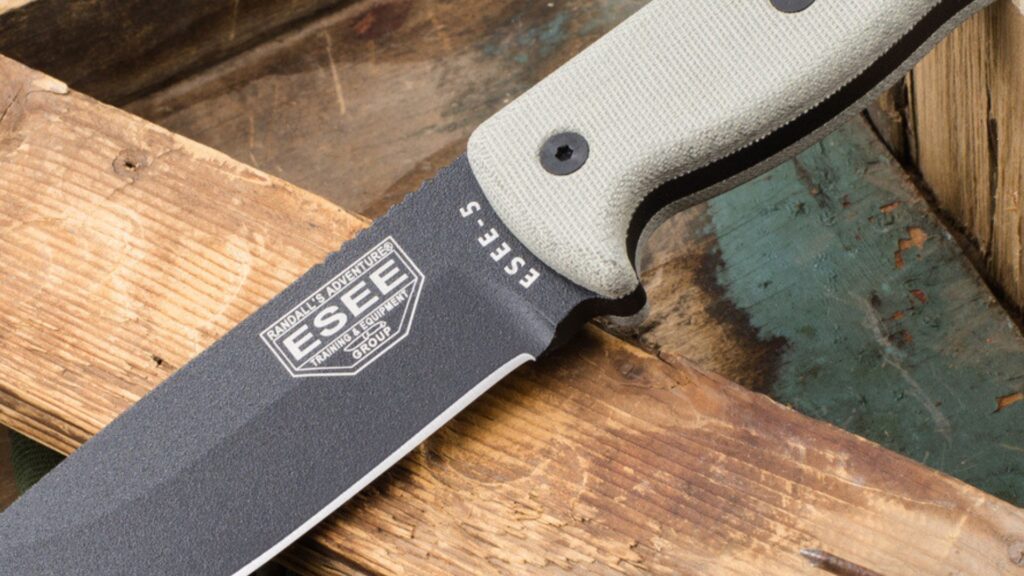
There are still American brands that back what they build—like ESEE with their lifetime warranty, or Buck with their customer service that actually answers the phone. If you’re going to drop serious money on a USA-made hard-use knife, it better come from a company that stands behind its gear. Look up warranty policies before you buy. A good knife should last years, not fail the first time you press it into service.
Field-Tested by the Right People
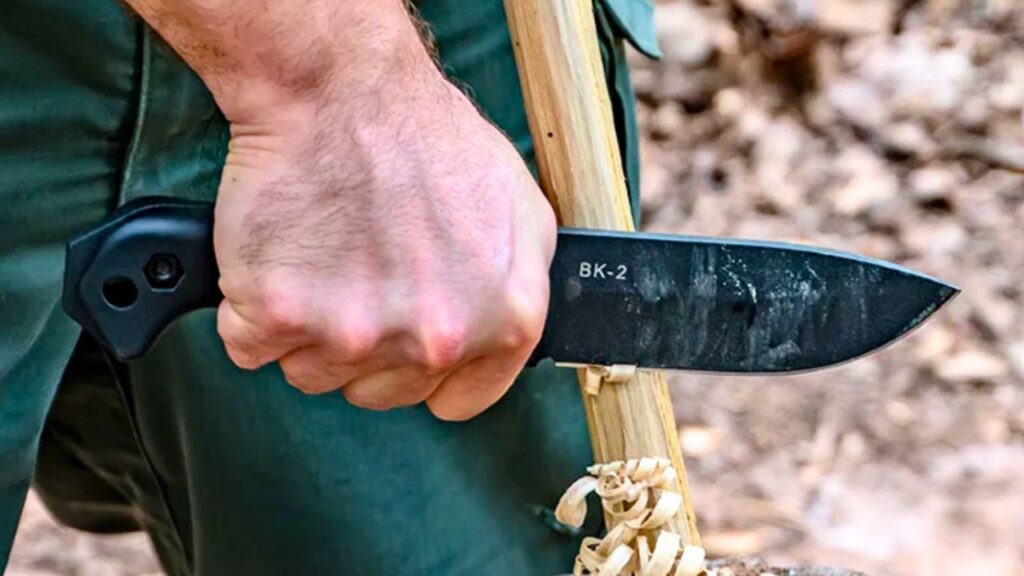
Plenty of knives claim to be “hard-use,” but you need to ask: tested by who? If it’s not being carried by guides, military personnel, ranchers, or people who work outdoors year-round, it probably hasn’t been through much. A good knife earns its reputation in the field, not in marketing copy. Check what real users are saying—the guys actually depending on it when they’re hours from backup or a cell signal.
*This article was developed with AI-powered tools and has been carefully reviewed by our editors.


