Photo credit: Roman Kosolapov/Shutterstock.com
When you toss a rifle behind the seat, bounce down a logging road, and finally step out to take a shot—there’s a certain kind of rifle that leaves you scratching your head. It was zeroed tight when you left the house. Now it’s high and left, or worse, nowhere near paper. If you’ve done enough backcountry days or ranch rounds, you’ve seen it happen. Some rifles don’t take travel well. It’s not always the optic. It’s the action fit, the stock, the rings, or a mix of everything. These are the ones that go from reliable to unpredictable after one trip across washboard roads and cattle guards.
Savage Axis II

The Savage Axis II is a great budget performer for cold-bore accuracy, but it’s got a known weak spot when it comes to handling rough rides. The factory plastic stock flexes and doesn’t always return to the same place after impact. It’s pressure-fit instead of bedded, and even minor shifting can throw off your zero.
If your rings weren’t torqued right or the base gets nudged, this rifle can drift without warning. Guys often blame the scope, but it’s usually the combination of a thin stock and loose contact. After a bumpy ride, your group may end up a few inches off center, and you won’t notice until it counts.
Ruger American Predator

The Predator shoots well when everything’s stable, but the rifle doesn’t always return to zero after a rough trip in the truck. The stock on early models had some flex, and without aluminum bedding, even a little shift at the lug can nudge your point of impact.
It doesn’t take much—a quick bump against the seat frame or a hard landing in the toolbox can loosen things up. Throw in a scope that wasn’t mounted with quality hardware, and the whole system starts to wander. If you’re hauling it daily, rechecking zero becomes part of the routine.
Remington 770
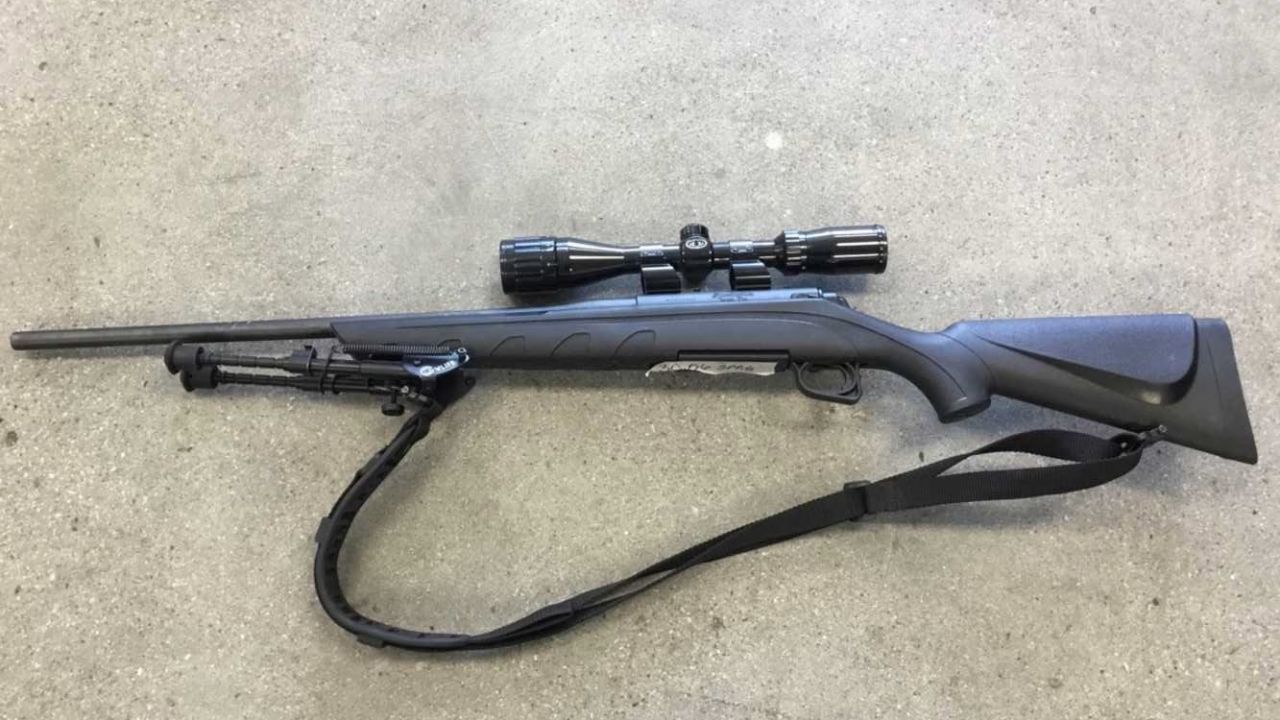
The 770 has earned a rough reputation, and for good reason. It’s one of those rifles that feels like it was built with too much plastic and not enough attention to repeatability. After one good bump, the action can settle into a slightly different spot in the stock.
The scope mounts aren’t the strongest either. They can shift from vibration alone, especially if they were never bedded right to begin with. Whether it’s a bump in the truck or getting tossed in the back seat, this one has a habit of changing where it hits without much warning.
Mossberg Patriot

The Patriot often comes with a good barrel and decent out-of-the-box groups, but the stock doesn’t hold everything tight enough for hard knocks. A truck ride over rough ground can shift the action or cause contact points to start interfering with the barrel.
Most of them aren’t bedded, and the synthetic stock can get torqued from pressure in a gun case or bouncing around loose in the cab. Even a little side force from gear pushing up against it can push your zero an inch or more. If it rides hard, it needs rechecking.
Winchester XPR

Winchester’s XPR has a solid action and trigger, but the stock is its weak link when it comes to holding zero after travel. It’s not uncommon for the fore-end to flex and put pressure on the barrel after getting jostled in the back of a truck.
That pressure causes groups to shift, especially with lighter barrels. Add in factory scope mounts that aren’t torqued properly or lack thread locker, and you’ve got a rifle that can sneak off zero without warning. It’ll shoot fine—until it doesn’t—and the fix is often stiffer bedding or a stock upgrade.
Thompson/Center Compass

The Compass punches above its price tag when things are still and controlled, but it doesn’t handle impact well. The barrel isn’t free-floated as consistently as it should be, and the factory stock can warp under minor pressure. Ride it hard and expect shift.
Even tossing it onto a four-wheeler rack or jamming it under a seat can tweak things enough to make your zero wander. Add in a lightweight scope with cheap rings and you’ve got a recipe for confusion at the range. It’s fine for slow hunts—but don’t trust it after a ride.
Remington Model Seven
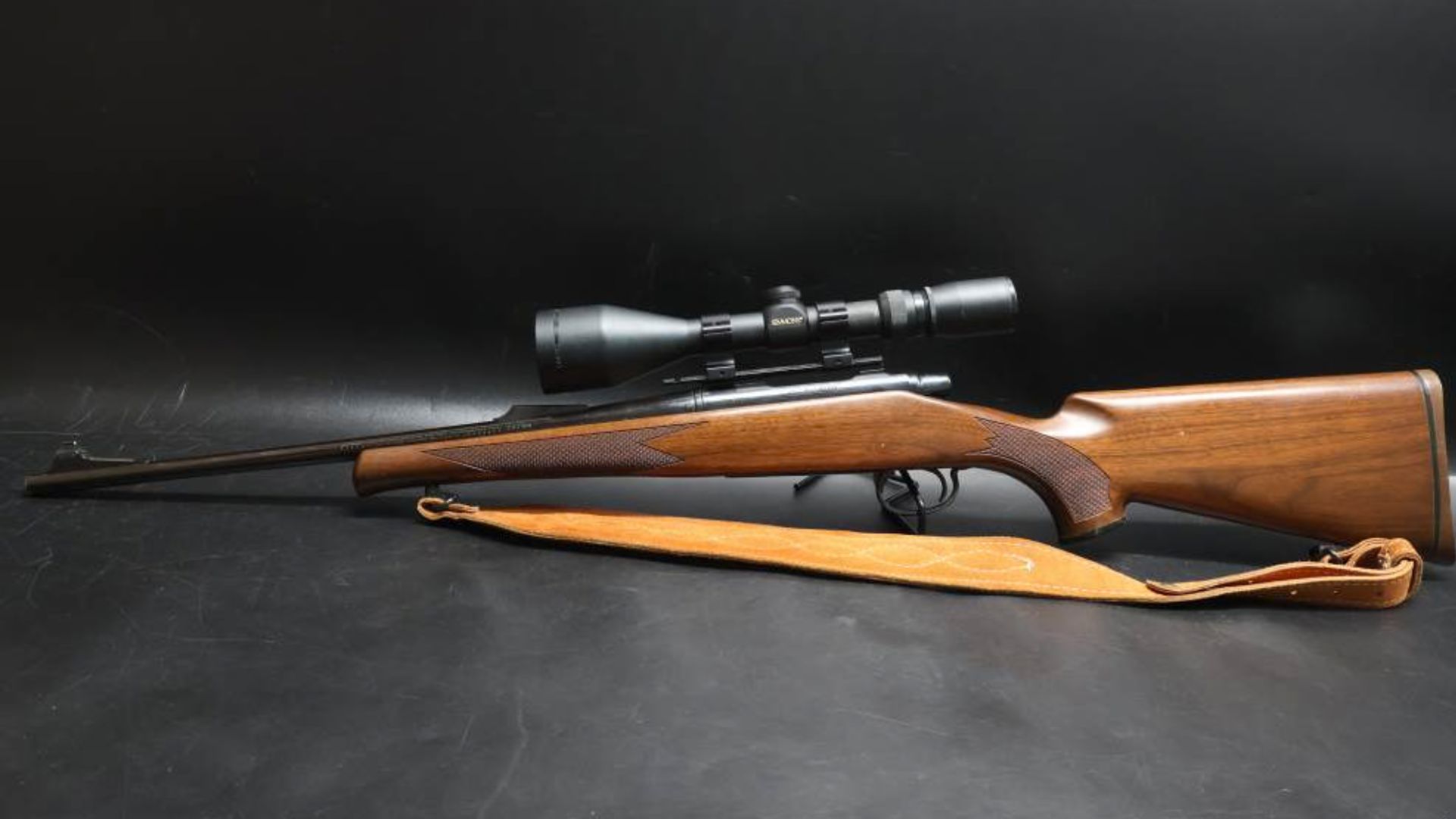
The Model Seven is compact and handy, but that short length makes it more prone to shock if it gets bounced around. The factory stocks, especially on older models, don’t always hold the action tight. A good jolt can cause subtle movement and throw things off.
Many owners have found themselves second-guessing their zero after nothing more than a drive to camp. It shoots well when stable, but it doesn’t always return to center if it’s rattled against a tool box or hits the floorboard hard. If you’re going to haul one, reinforce the mount and check it often.
Marlin XL7
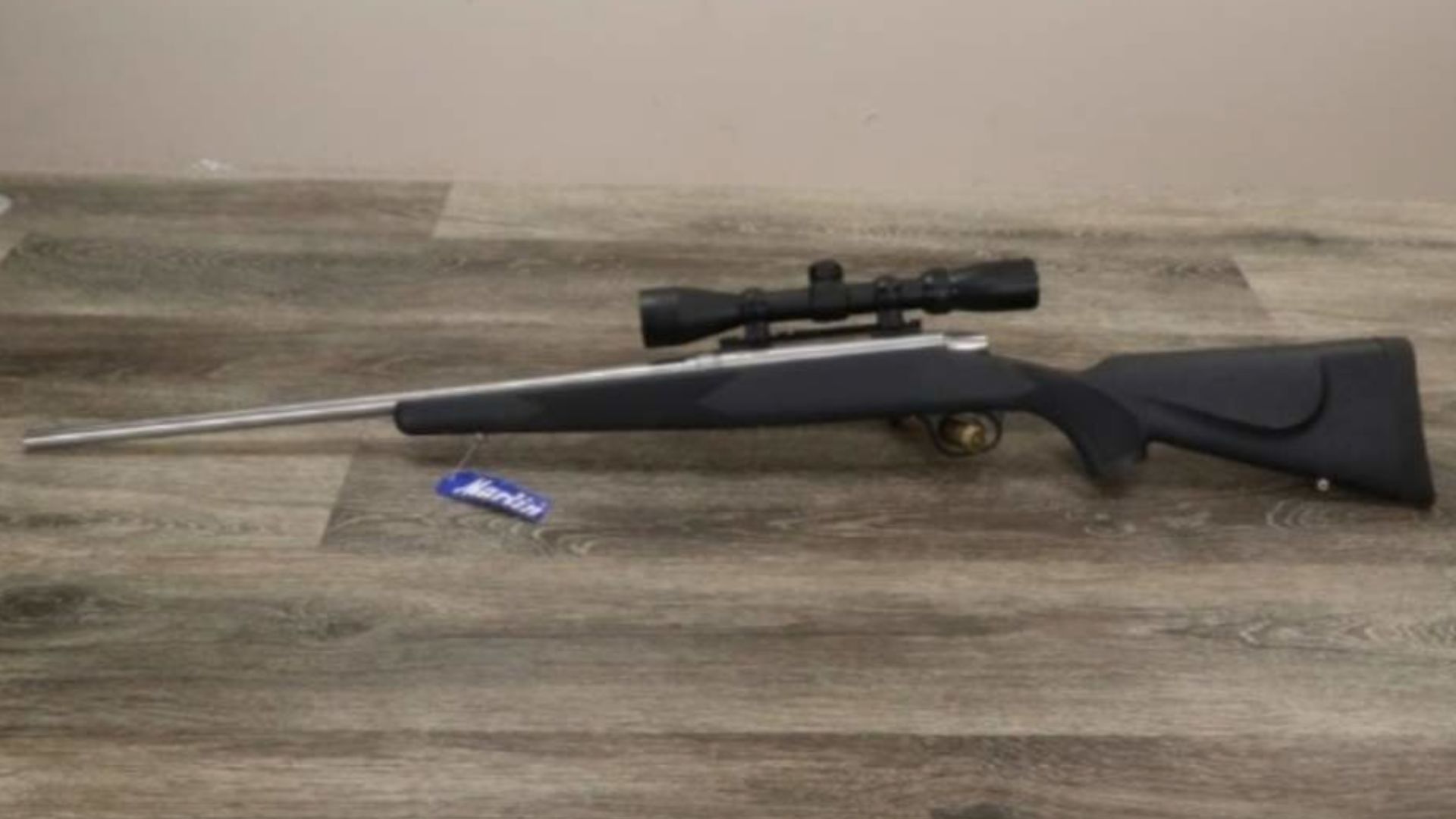
The XL7 earned praise for being a surprisingly accurate rifle for the money, but it doesn’t always hold zero if it’s been rattled around. It uses a synthetic stock that lacks rigidity, and it isn’t bedded. That means the action can shift slightly under impact.
The barrel is also light enough to be sensitive to pressure. If something leans against it during a ride, or the rifle gets wedged under gear, those small forces can translate to noticeable zero drift. It’s not a dealbreaker, but it’s something to watch if your rifle travels hard.
Weatherby Vanguard Synthetic

The Vanguard Synthetic models shoot well from the bench, but they don’t always hold zero if you’re bouncing down trails with one across the back seat. The stock isn’t glass bedded, and the action can shift ever so slightly in the recoil lug area if it takes a hit.
Add in a heavy optic with mediocre rings, and the setup can get nudged out of alignment. It’s not something every shooter sees, but if you’ve got one that suddenly prints high right after a bumpy ride, it’s worth checking the mount screws and the stock fit.
CVA Cascade

CVA’s Cascade rifles are well-priced and shoot better than expected. But after a rough truck ride, they can show some point-of-impact drift. The polymer stock isn’t rock-solid, and if the rifle takes a hit or shifts hard in a soft case, the barrel can end up touching the channel.
That little bit of contact or flex throws off the harmonics, and groups start walking. If your optic isn’t locked down with good hardware, the problem doubles. It’s a solid hunting rifle, but it likes to be treated a little more carefully than the average ranch gun.
Rossi R95

The Rossi R95 lever-action rides easy and feels nostalgic, but it wasn’t built for precision under rough handling. There’s no bedding, and the wood can swell or shift a little if it’s leaned against metal or gear for long stretches. That’s enough to pull your POI away from where it was.
It doesn’t help that many riders stash lever guns under seats or in soft cases with no real padding. The rear sight or scope can get bumped, and with no real tension from bedding or mounts, things move. It’s a truck gun—but not a tank.
Remington 783

The 783 has a heavier barrel than some of its competitors, but that doesn’t mean it holds zero better after being jostled. The stock is flimsy and has been known to allow the action to shift, especially after a hard knock or pressure from uneven surfaces.
Even a soft case can press unevenly on the fore-end during transport. Add some bouncing down a washboard road, and your zero may not land where you left it. It’s another one that performs fine at the range, but needs extra care when it’s bouncing around in the truck.
Like The Avid Outdoorsman’s content? Be sure to follow us.
Here’s more from us:
The worst deer rifles money can buy
Sidearms That Belong in the Safe — Not Your Belt
*This article was developed with AI-powered tools and has been carefully reviewed by our editors.