Photo credit: GUN MAN/YouTube
When you’re cold, tired, and trying to make a clean shot, the “best” caliber on paper can turn into the worst one in your hands. Recoil feels sharper when your body is tense. Fine motor control gets worse when your fingers are numb. And if you’re breathing hard, a cartridge that’s easy to manage starts looking a whole lot smarter than one that only sounds impressive at the gun counter.
The calibers that stay easy to shoot well usually have the same strengths: manageable recoil, decent ammo availability, and predictable performance without asking you to be perfect. They don’t beat you up, they don’t make you dread practice, and they let you focus on sight picture and trigger press instead of bracing for impact. That’s what keeps hits honest when conditions aren’t.
.22 Long Rifle
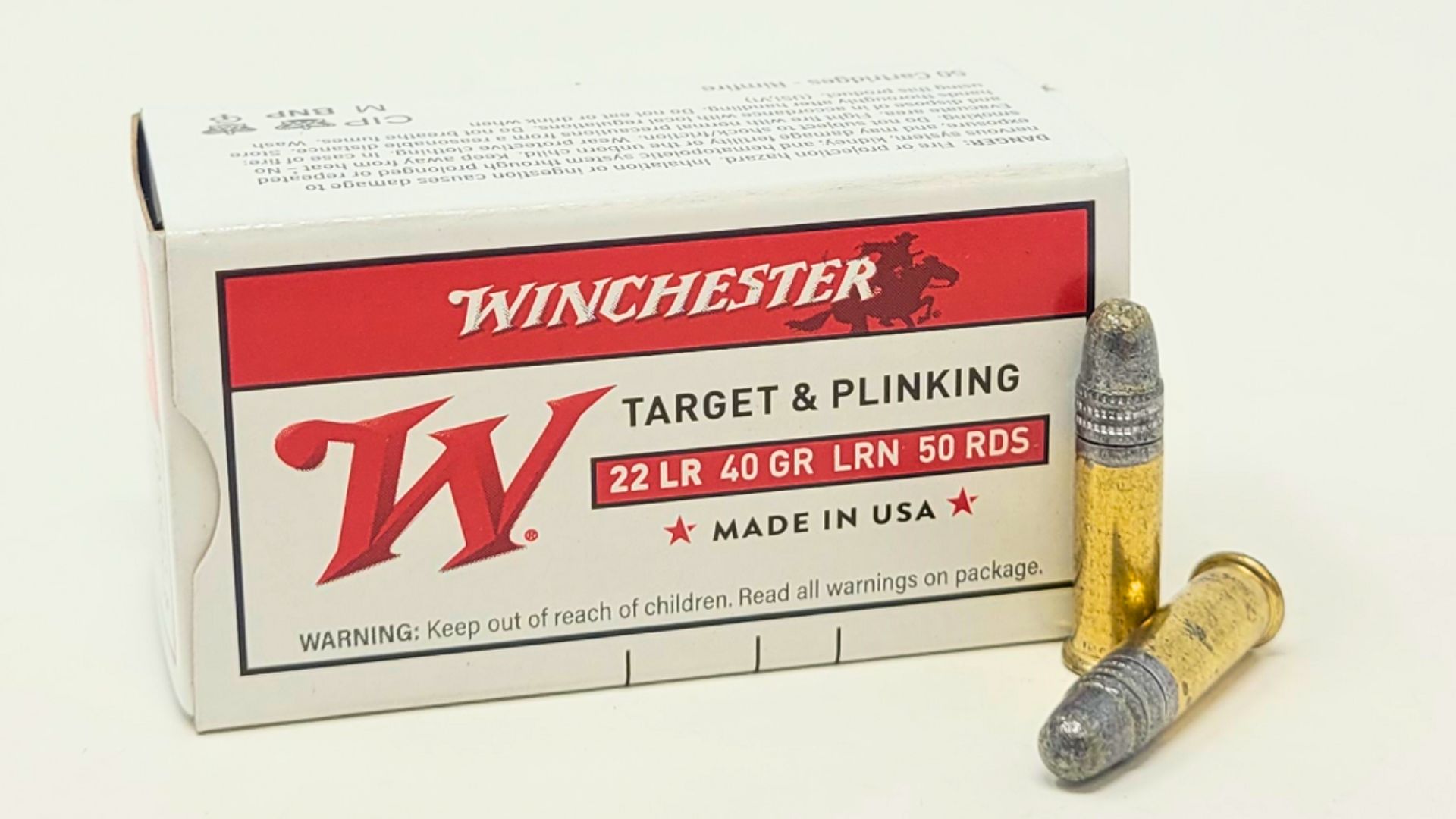
The .22 LR is the easiest caliber on this list to shoot well, and that’s exactly why it belongs here. Recoil is almost nonexistent, noise is mild, and the lack of blast lets you stay focused on sights and trigger instead of flinching. When your hands are cold and your body is worn down, that matters.
You still have to be honest about its role. .22 LR is outstanding for practice, small game, and skill building, but it’s not a magic answer for every job. What it does better than almost anything else is let you keep fundamentals clean under less-than-perfect conditions. If you can’t shoot a .22 well when you’re tired, the problem usually isn’t the cartridge. That’s why it stays one of the best tools for keeping your trigger press honest.
.223 Remington / 5.56 NATO

The .223/5.56 family is easy to shoot well because recoil is light, the rifles chambered for it are usually handy, and follow-up shots come fast without much drama. When you’re cold, tired, or wearing bulky clothes, low recoil helps you stay focused on the target instead of recovering from every shot.
It also works because the cartridge is familiar. Ammunition is common, rifle setups are everywhere, and most shooters can get a lot of range time with it. That translates into confidence, and confidence matters when you’re not at your best. In practical terms, a mild rifle caliber you actually train with beats a harder-kicking round that makes you hesitate. The .223 doesn’t ask much from your shoulder, and that’s a big reason it stays easy to shoot well.
.243 Winchester

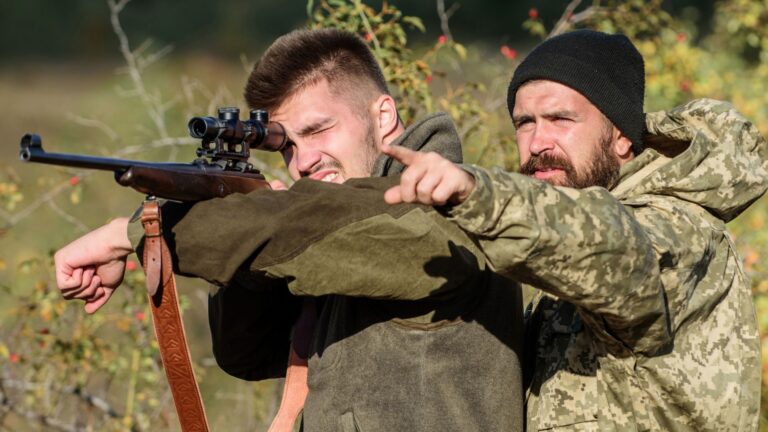
The .243 Winchester is one of the best examples of a centerfire hunting caliber that stays easy to manage when you’re worn out. Recoil is light enough that you can keep your head on the stock, watch the shot, and avoid the little flinch that creeps in when you’re cold and tense. That makes accurate shooting easier in real hunting conditions.
It also gives you enough performance for deer-sized game with the right bullets, so you’re not trading away usefulness for comfort. The .243 works because it keeps the shooting side calm. You can focus on your position, your breathing, and your trigger press instead of bracing for the shot. That’s a real advantage when you’ve been sitting in a stand all morning or hiking with tired legs and frozen fingers.
.257 Roberts

The .257 Roberts has always had a smooth, easy-shooting feel, and that’s what makes it so forgiving when your body isn’t fresh. Recoil is moderate, the cartridge tends to be accurate, and it doesn’t punish you for spending time behind the rifle. When you’re tired, that softer shooting behavior keeps your technique cleaner.
It also performs honestly on deer-sized game with good bullets, which is why people who own one often stay loyal to it. The .257 Roberts doesn’t hit you with excess blast or a sharp recoil pulse, so you’re less likely to rush the shot or yank the trigger. That calm shooting experience matters more in cold weather than most people admit. A rifle that doesn’t fight you is easier to shoot well when everything else is.
6.5 Creedmoor

The 6.5 Creedmoor has become popular for a reason: it shoots flat enough for practical distance, hits well on target, and stays manageable in recoil. That combination makes it easy to shoot well even when you’re tired, because you’re not spending energy recovering from the shot or bracing against recoil.
A big part of its appeal is that it feels calm compared to harder-kicking hunting rounds. You can stay in the scope, watch impacts, and keep your form together during longer practice sessions. That matters in the field too. A cartridge that lets you maintain confidence under fatigue is a real asset. You still need to make good decisions on bullet choice and range, but the Creedmoor’s mild recoil and steady manners make it one of the easiest “serious” rifle calibers to shoot cleanly.
6.5×55 Swedish Mauser

The 6.5×55 has been earning its reputation for a long time, and a lot of that comes down to how easy it is to shoot well. Recoil is mild for the performance it gives, and the cartridge tends to feel smooth rather than sharp. That makes it a good choice when you’re stiff, cold, and trying to keep your fundamentals from unraveling.
The cartridge also benefits from efficient bullet design. You get solid penetration and practical hunting performance without needing excessive recoil to do it. That balance is why it has stayed relevant for so long. When you’re not at your best physically, softer recoil helps you keep the rifle planted and the trigger press clean. The Swede doesn’t need marketing to prove itself. It keeps working because it stays manageable when you need calm shooting most.
7mm-08 Remington

The 7mm-08 is one of the easiest centerfire hunting cartridges to shoot well because it delivers strong field performance without the rough edge of a magnum. Recoil is moderate, rifles are usually compact and handy, and the cartridge has enough reach for real hunting without feeling like it’s overbuilt for the job.
That balance matters when you’re cold and tired. You’re less likely to flinch, less likely to lift your head, and more likely to make the shot the first time. The 7mm-08 also has strong bullet options, so you can tailor it to deer or step into larger game with sensible choices. The reason it stays so practical is simple: it gives you useful performance in a package that doesn’t punish you. That’s exactly what worn-out shooters need.
.260 Remington

The .260 Remington is another mild-shooting 6.5 that makes life easier when your body isn’t cooperating. It offers the same general advantage as other efficient 6.5mm rounds: modest recoil, solid accuracy, and enough performance for deer-sized game and beyond with the right bullet. The result is a cartridge that feels easy to trust.
When you’re tired, trust matters. You don’t want to wonder if the recoil is going to throw you off the shot or make you snatch the trigger. The .260 tends to avoid that problem. It lets you stay focused on position and follow-through instead of on the hit to your shoulder. It may not get talked about as much as it used to, but in the field, it still offers the same thing it always did: practical performance with very manageable manners.
.270 Winchester

The .270 Winchester has more recoil than the mildest cartridges here, but it still stays easy enough to shoot well for a lot of hunters because the recoil is usually firm rather than punishing. In a properly stocked rifle, it gives you a flat trajectory and strong field performance without stepping into magnum territory. That’s a useful place to be when conditions get rough.
It remains manageable because it doesn’t generally produce the blast and sharp recoil jump that cause shooters to come apart when they’re worn down. If you’ve practiced with it, the .270 is still very shootable when your hands are cold and your body is tired. It gives you room for longer shots while staying practical in ordinary rifles. That balance is why it has stacked so many tags for so many years.
.308 Winchester
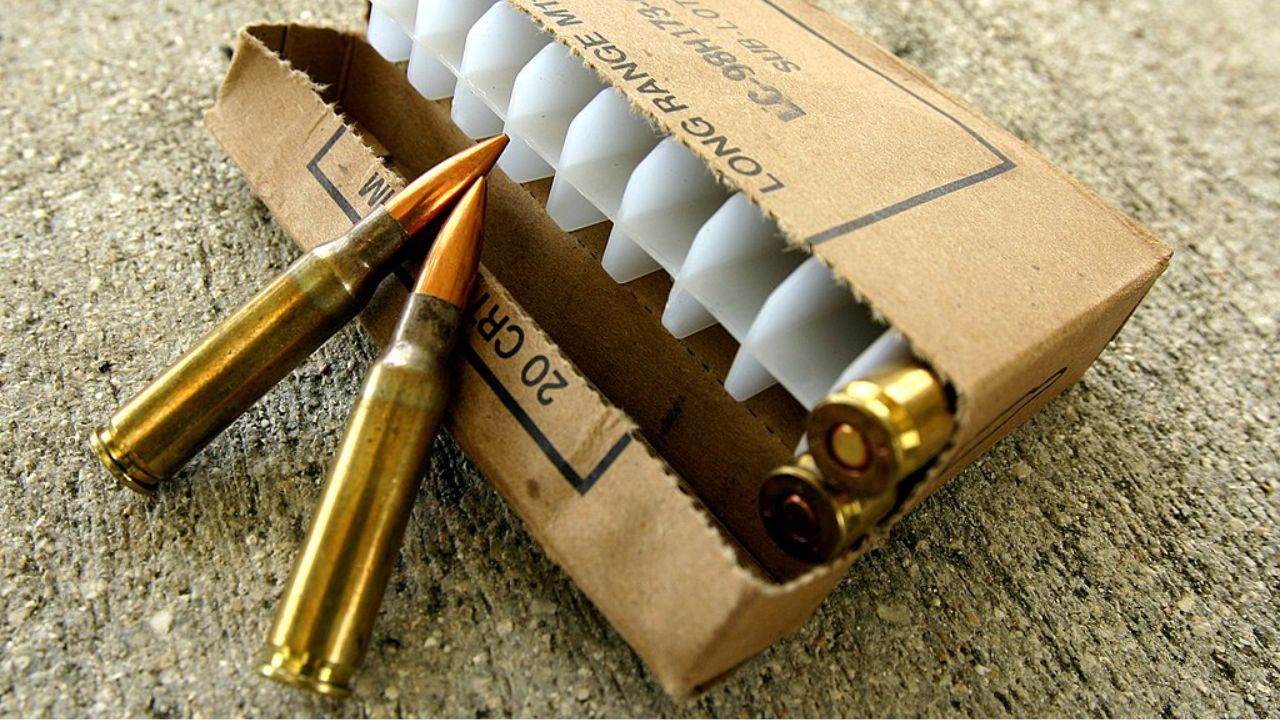
The .308 Winchester is easy to shoot well because it’s predictable. Recoil is there, but it’s not excessive in most rifles, and the cartridge doesn’t demand a heavy barrel or a giant gun to behave. It’s accurate, common, and familiar—three things that matter a lot when you’re not feeling your best.
A big part of the .308’s strength is that it keeps your shooting routine uncomplicated. Ammo is easy to find, bullet choices are everywhere, and most shooters can get meaningful practice with it. That means when the weather is bad and your body is tired, you’re working with a cartridge you know. Familiarity reduces hesitation, and reduced hesitation usually means a better shot. The .308 isn’t the lightest recoiling round here, but it’s one of the easiest serious hunting cartridges to stay consistent with.
.30-30 Winchester

The .30-30 stays easy to shoot well because it’s usually chambered in handy rifles, recoil is modest, and most shots are taken inside ranges where the cartridge does its best work. In thick timber or brush, where shots come fast and positions aren’t perfect, that simplicity pays off.
It’s also a forgiving woods round because you’re not usually dialing for distance or trying to solve a long-shot problem while shivering. You’re bringing the rifle up, seeing the sight picture, and making a straightforward shot. That’s exactly the kind of shooting the .30-30 supports. The recoil isn’t harsh, the rifles carry well, and the whole system tends to feel intuitive when you’re cold, tired, and trying not to overthink. That’s why it still works so well in the country it was built for.
.300 Blackout
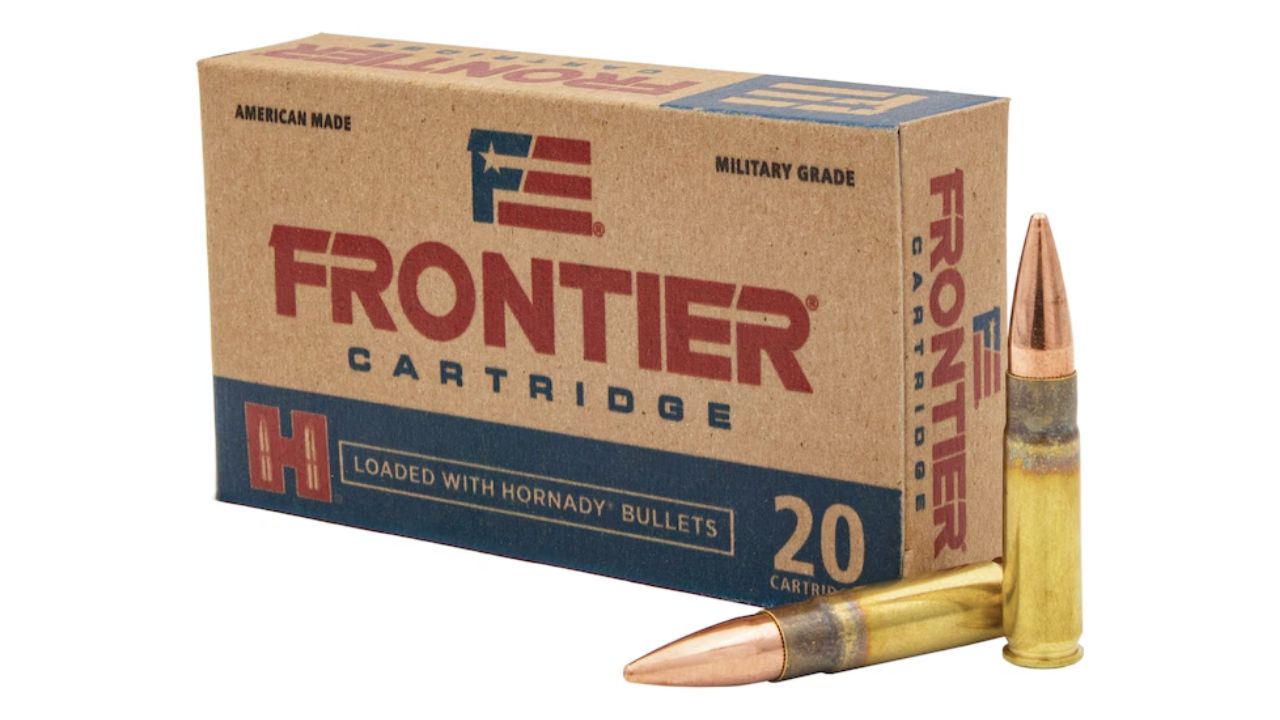
In the right role, .300 Blackout is easy to shoot well because recoil is mild and the rifles chambered for it are often compact and easy to handle. When you’re talking about short-range shooting, especially from practical positions, that mild impulse helps keep your mechanics together even when you’re tired.
The cartridge makes the most sense when you stay inside its lane. It’s not built to be a long-range answer. It’s built to be manageable and effective at shorter distances with the right loads. That makes it easy to run in situations where heavier recoil or bigger blast would slow you down. If your goal is quick, controlled shooting from a short rifle when you’re not at your sharpest, .300 Blackout can be a very forgiving option.
9mm Luger

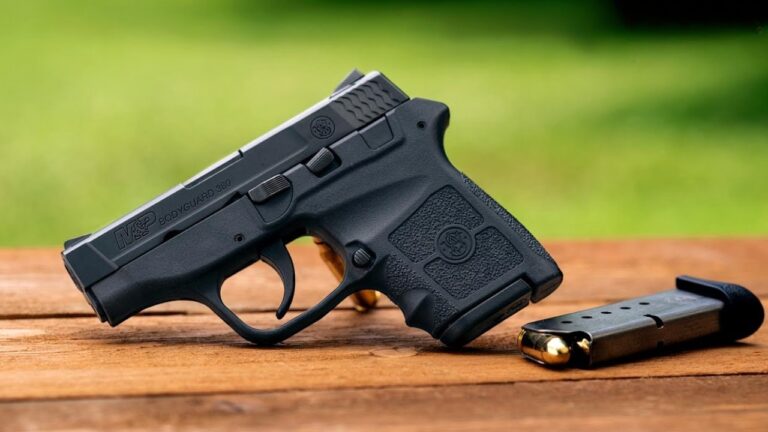
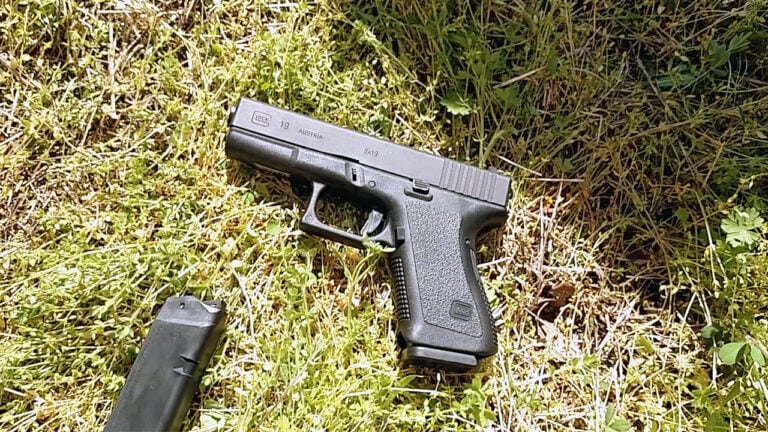
On the handgun side, 9mm is easy to shoot well because it strikes the best overall balance of recoil, cost, and controllability for most people. In a service-size or compact pistol, recoil is manageable enough that you can keep sights on track and make fast follow-up shots without wrestling the gun.
That becomes even more important when you’re cold, tired, or stressed. A harsher caliber can make your grip fall apart and your trigger press get ugly fast. With 9mm, most shooters can stay cleaner under pressure because the recoil impulse isn’t excessive. It also helps that 9mm is affordable and widely available, which means you can practice enough to make good shooting feel automatic. When conditions get rough, automatic is what you want.
.38 Special

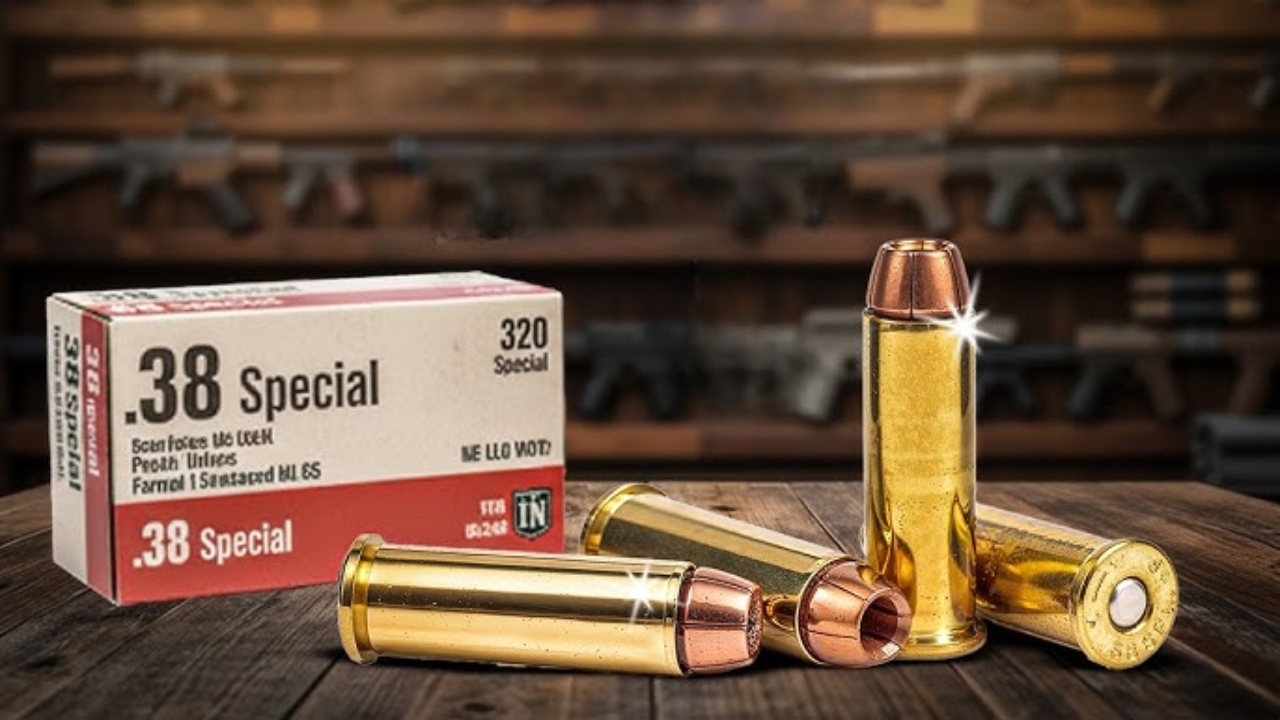
.38 Special has stayed relevant because it’s easy to shoot well in the right revolver, especially with standard-pressure or moderate defensive loads. In a steel-frame revolver, the recoil is manageable, the muzzle rise stays reasonable, and you can focus on the trigger press instead of bracing for pain. That makes it a strong “tired shooter” caliber.
Even in smaller revolvers, .38 is usually easier to manage than full-power magnum loads. That matters because fatigue and cold hands make long double-action triggers harder to run cleanly. If the recoil is mild enough, you’re less likely to snatch the trigger or lose the front sight. .38 Special works because it keeps the revolver shootable, and shootable is what matters when your body isn’t giving you much extra.
.32 H&R Magnum

The .32 H&R Magnum is one of the most underrated easy-shooting revolver calibers around. Recoil is light, the report is mild compared to larger defensive rounds, and the cartridge gives you a controllable shooting experience that lets you stay focused on sights and trigger. When you’re tired, that calmer behavior is a real gift.
It also tends to be easier to shoot quickly and accurately in small revolvers than hotter .38 or .357 loads. That means less flinch, better follow-through, and faster recovery between shots. You still need a revolver that fits your hand and sights you can see, but the caliber itself makes the whole job easier. If your goal is clean shooting under bad conditions, .32 H&R earns far more respect than it usually gets.
.327 Federal Magnum

The .327 Federal Magnum gives you more energy than the softer .32s while still staying easier to control than many .38 +P and .357 setups, especially in revolvers built to handle it well. That makes it a smart option when you want more punch without giving up too much shootability.
The real advantage shows up under stress. In a good revolver, .327 often recoils in a straighter, quicker way that feels easier to manage than the sharp slap of hotter .38 or magnum loads. You also often get an extra round in the cylinder, which never hurts. When your hands are cold and your breathing is ugly, controllable recoil matters more than raw numbers. The .327 works because it keeps the revolver useful without turning every shot into a fight.
Like The Avid Outdoorsman’s content? Subscribe to our newsletter so you never miss an article.
Here’s more from us: