
Some pistols look indestructible. Thick slides, steel frames, and the kind of heft that screams durability. But there’s a difference between built tough and built well. Some of these heavyweights take “tank-like” a little too literally—clunky triggers, brutal recoil, or ergonomics that make shooting feel like a chore. They might survive a warzone, but they won’t win you any points at the range. These are the guns that make you respect their build but dread pulling the trigger. If you’ve ever thought, “This thing could survive a nuclear blast,” you probably followed it up with, “But I don’t want to shoot it again.”
Desert Eagle .50 AE
The Desert Eagle looks like the definition of power—and it is. It’s massive, flashy, and built like a solid block of steel. You can feel the quality the moment you pick it up, and it’s one of the few pistols that actually turns heads at the range.
But for all that brawn, it’s a miserable carry gun and a punishing shooter. The recoil is sharp and unforgiving, and follow-up shots feel like wrestling a car jack. Accuracy is decent when benched, but offhand control is a challenge. It’s a gun made to impress, not to enjoy. You’ll shoot it once, grin, and set it back down before your wrists file a complaint.
AutoMag .44 AMP
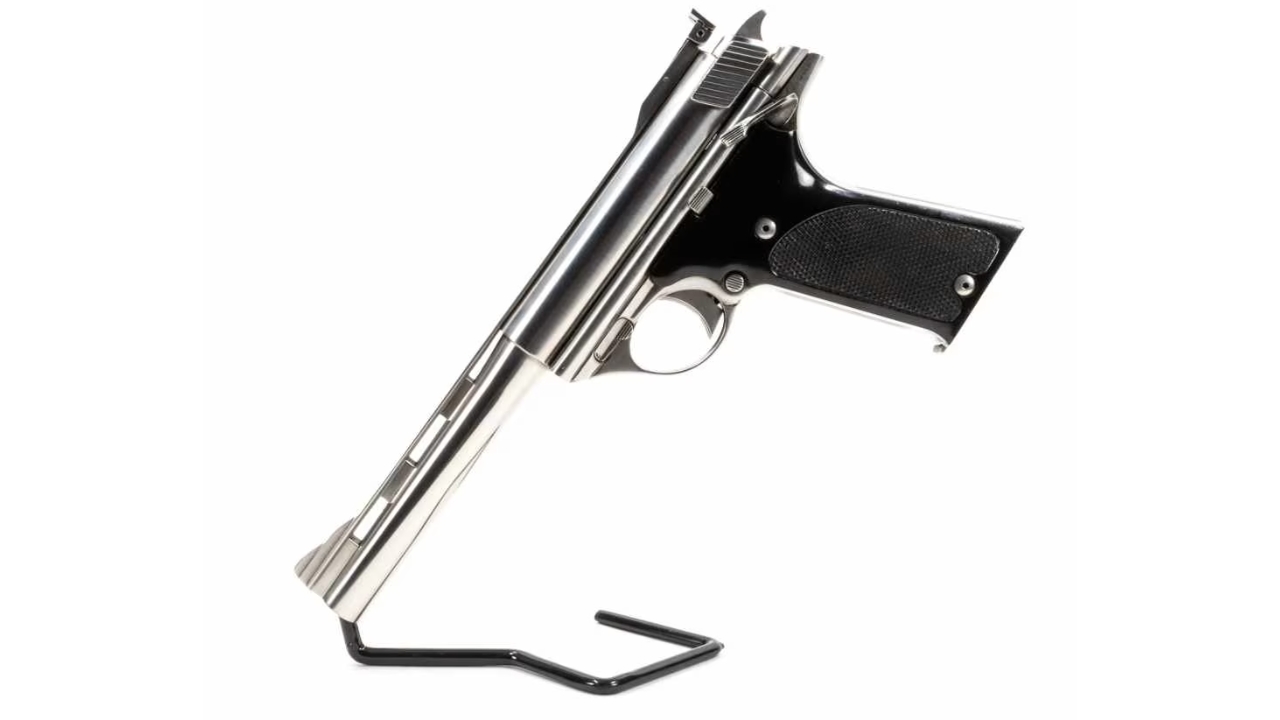
The AutoMag was one of the most ambitious handguns ever built—a stainless-steel masterpiece firing .44 AMP rounds at blistering speed. It’s beautiful in a rugged, old-school way, and built with the precision of a watch.
Unfortunately, it’s also notorious for malfunctions and recoil that makes most shooters flinch before the first shot breaks. Ammo is rare, expensive, and hard on parts. Cleaning it feels like a mechanical exam, and shooting it feels like punishment disguised as nostalgia. It’s the kind of gun you brag about owning, not shooting. Built like a tank, sure—but one that rattles every bolt loose when fired.
Wildey Survivor
The Wildey Survivor gained fame in movies, and there’s no denying it’s a work of engineering art. The adjustable gas system, stainless-steel frame, and massive cartridge options make it look unstoppable.
The problem? It’s so heavy and awkward that it’s hard to enjoy. Every shot from its powerful chambering comes with a wrist-snapping reminder that physics always wins. Even when tuned correctly, it feels overbuilt for what it delivers. The Wildey isn’t inaccurate—it’s just a beast to handle. It’s impressive on a display stand but rarely leaves the safe for good reason.
Ruger Super Redhawk Alaskan

The Ruger Super Redhawk Alaskan is designed to stop anything that breathes, from bears to bad ideas. Chambered in .454 Casull or .480 Ruger, it’s as tough as they come—solid stainless steel, overbuilt cylinder walls, and a frame that could anchor a boat.
But shooting it is like being slapped by physics. The recoil is harsh, and the muzzle blast can clear a campsite. Even with heavy gloves, you’ll feel every ounce of its power. It’s an excellent defensive tool for the wilderness but overkill for anything else. Built to save your life, yes—but not to make shooting enjoyable.
Desert Eagle XIX in .44 Magnum
The .44 Magnum version of the Desert Eagle seems like the “manageable” alternative to the .50 AE. It’s not. The recoil impulse is still violent, the grip angle awkward, and the weight absurd for a semi-auto.
Even experienced shooters struggle to maintain control after the first shot. Its gas system fouls easily, and reassembly after cleaning feels like a chore. While it looks and feels like a weapon from a movie set, shooting it in real life is all shock and no satisfaction. It’s impressive hardware—but most folks walk away rubbing their wrists.
Smith & Wesson Model 500

The S&W 500 is a marvel of revolver engineering. Chambered for the most powerful production handgun cartridge on Earth, it’s built like a vault and machined to perfection. You can sense the strength in every ounce of its design.
But when you fire it, reality hits hard. The concussion alone makes nearby shooters flinch, and recoil management takes serious experience. Even seasoned magnum fans admit it’s hard to shoot accurately under pressure. It’s a revolver that can kill a bear—or your desire to keep shooting. You respect it, but you’ll never call it fun.
LAR Grizzly Mark I
The LAR Grizzly was a 1911 on steroids—a beefed-up beast built to handle magnum pistol calibers. It’s tough, rare, and undeniably strong. The engineering is remarkable, and it truly does feel like a piece of machinery designed to outlast its owner.
But firing one is a different story. It’s bulky, the grip angle is uncomfortable, and recoil control feels like a wrestling match. The sheer weight makes it front-heavy, and feeding can be temperamental. It’s a marvel of metalwork that reminds you not every “tank-built” pistol deserves to see the range.
Magnum Research BFR in .45-70
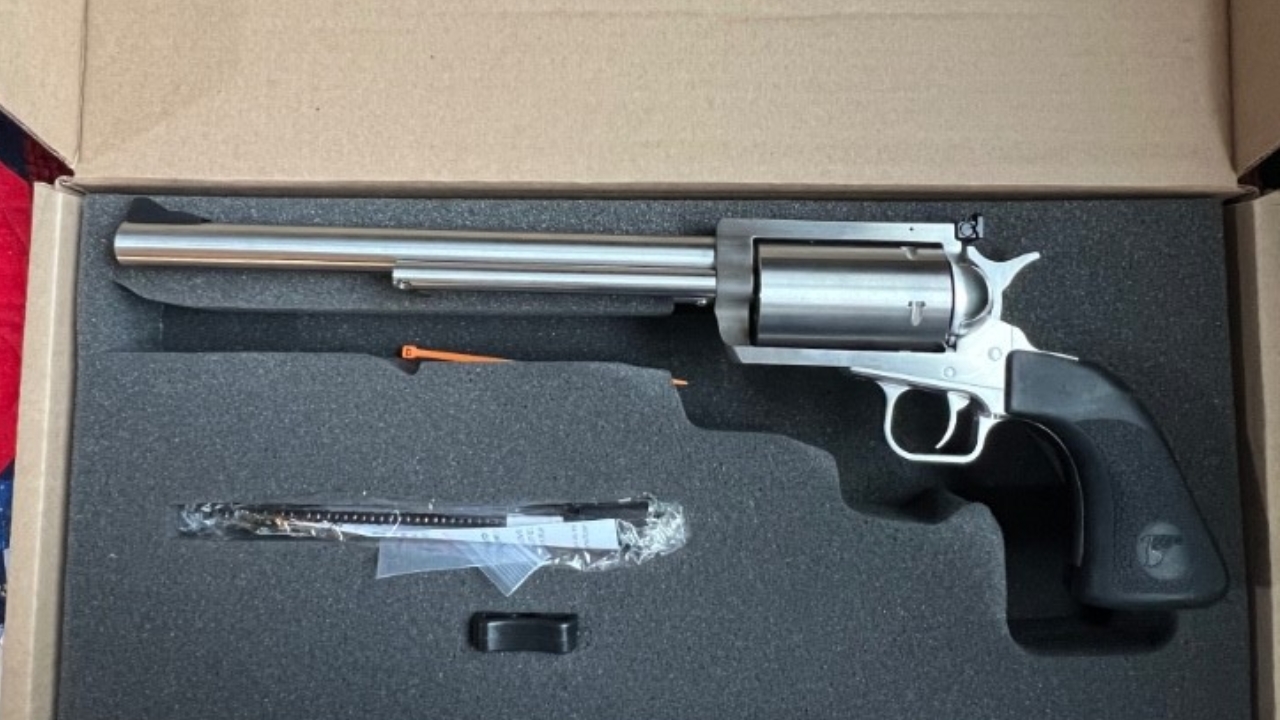
The BFR—Big Frame Revolver—earns its name honestly. Chambered in rifle calibers like .45-70, it’s basically a hand-held cannon. The frame is massive, the build immaculate, and the power unquestionable.
But try shooting one without a bench and you’ll understand the price of excess. The recoil is sharp enough to bruise, and the muzzle blast turns heads at any range. Accuracy is good, but it’s hard to focus when your hands are ringing. The BFR proves that “built strong” doesn’t always mean “shoots well.” It’s fun once, but not twice.
Auto Ordnance 1911 GI
The Auto Ordnance GI 1911 looks like it could ride through a war unscathed. It’s made of solid steel with that classic no-frills look everyone loves. But the shooting experience doesn’t match the nostalgia.
The gritty trigger, stiff safety, and occasional feeding hiccups make it feel like a chore to run. It’s true to the original design, but those “battle-ready” tolerances don’t translate to modern accuracy or comfort. It’s reliable enough—but shooting it feels like driving an old truck without power steering. Rugged, yes. Refined, no.
AMT Automag II

The AMT Automag II, chambered in .22 WMR, should be a joy to shoot. It’s stainless steel, sleek, and built like it could survive decades of use. But that overbuilt frame adds unnecessary weight to a cartridge that doesn’t need it.
Worse, it’s prone to cycling issues thanks to the rimfire design and tight chambering. You’ll spend more time clearing jams than shooting. It’s an interesting piece of handgun history that proves strength doesn’t guarantee smoothness. You’ll admire its construction, but by the time you’re done fighting malfunctions, that admiration turns to frustration.
Like The Avid Outdoorsman’s content? Be sure to follow us.
Here’s more from us:
The worst deer rifles money can buy
Sidearms That Belong in the Safe — Not Your Belt
*This article was developed with AI-powered tools and has been carefully reviewed by our editors.


