Photo credit: Jury Mustafaev/Shutterstock
If you’ve ever been on the edge of daylight or dealing with bad weather, you know how much your optics can make or break a hunt. A good rifle might get you close, but glass is what lets you actually take the shot. The right upgrades don’t just make things look clearer—they extend the hours you can realistically hunt, make target ID faster, and help you stay confident when conditions are tough. From scopes to accessories, the details in your setup can give you more usable time in the field and less time second-guessing what you’re seeing.
Upgrading to higher-quality glass

Good glass changes everything when it comes to shooting in fading light. You can have the same magnification on two scopes, but better lenses and coatings will gather light more effectively and cut down on glare. That means when the last 15 minutes of legal shooting light arrive, you’ll actually see antlers or details instead of vague outlines.
Upgrading to higher-end optics isn’t always about buying the most expensive scope on the shelf—it’s about choosing one that prioritizes clarity and light transmission over flashy features. When you invest in better glass, you spend more time actually hunting rather than fighting shadows. It makes dawn and dusk feel like part of the hunt instead of wasted minutes staring into murk.
Adding an illuminated reticle

An illuminated reticle gives you a clear aiming point when your surroundings are dim. It doesn’t turn night into day, but it helps prevent your crosshairs from disappearing against dark backgrounds. This is especially useful when game is silhouetted in brush or when the last light of day is all you’ve got.
Most modern illuminated reticles let you adjust brightness so you’re not overwhelmed by glare. A low setting works perfectly at dawn or dusk, while higher settings can be useful in shaded timber. It’s a small upgrade, but it keeps you from losing precious seconds searching for your crosshairs when the shot window is already tight. That means more real hunting time when it counts most.
Using a larger objective lens

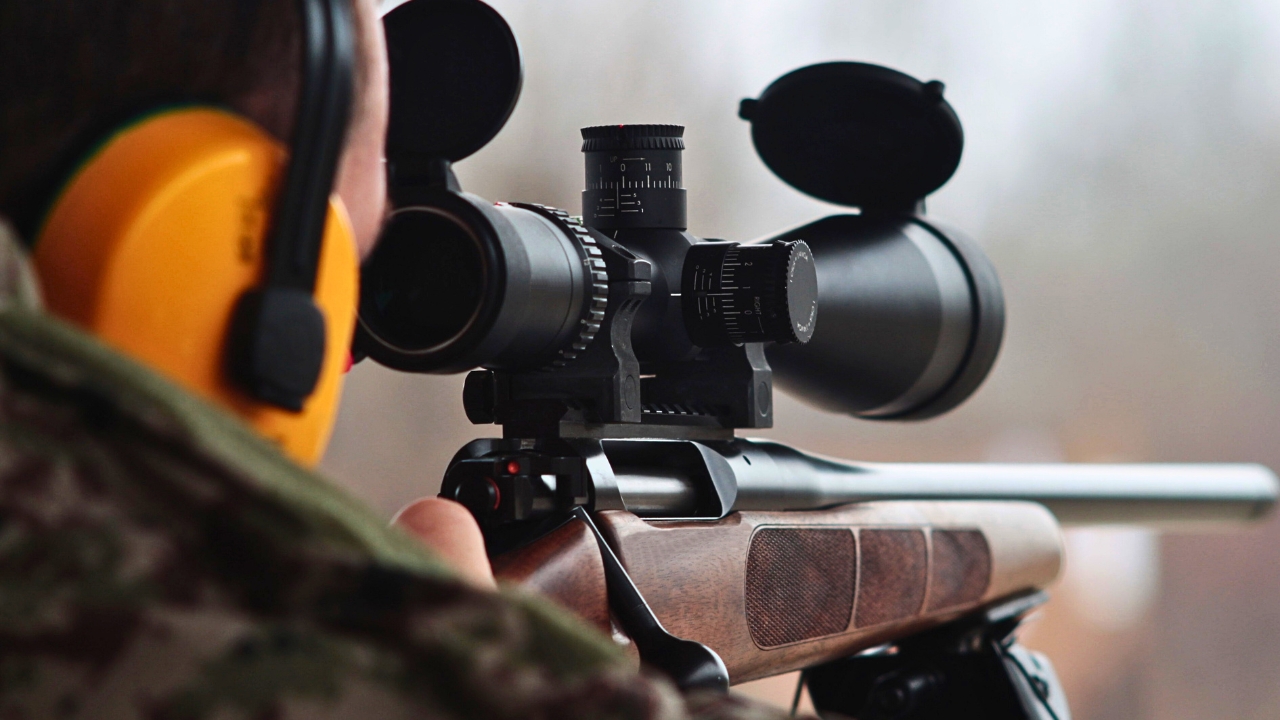
A larger objective lens increases the amount of light your scope can gather, and in low-light conditions, that makes a difference. When you’re hunting at the edges of legal hours, those extra millimeters of glass can mean the difference between identifying a deer’s rack or not.
The trade-off is added weight and sometimes higher mounting rings, but for many hunters, the benefits are worth it. The bigger lens doesn’t magically let you shoot in total darkness, but it extends visibility enough to matter. If you often hunt in timber at dusk or dawn, moving to a scope with a larger objective is one of the most straightforward ways to stretch your shooting time.
Adding flip-up scope covers
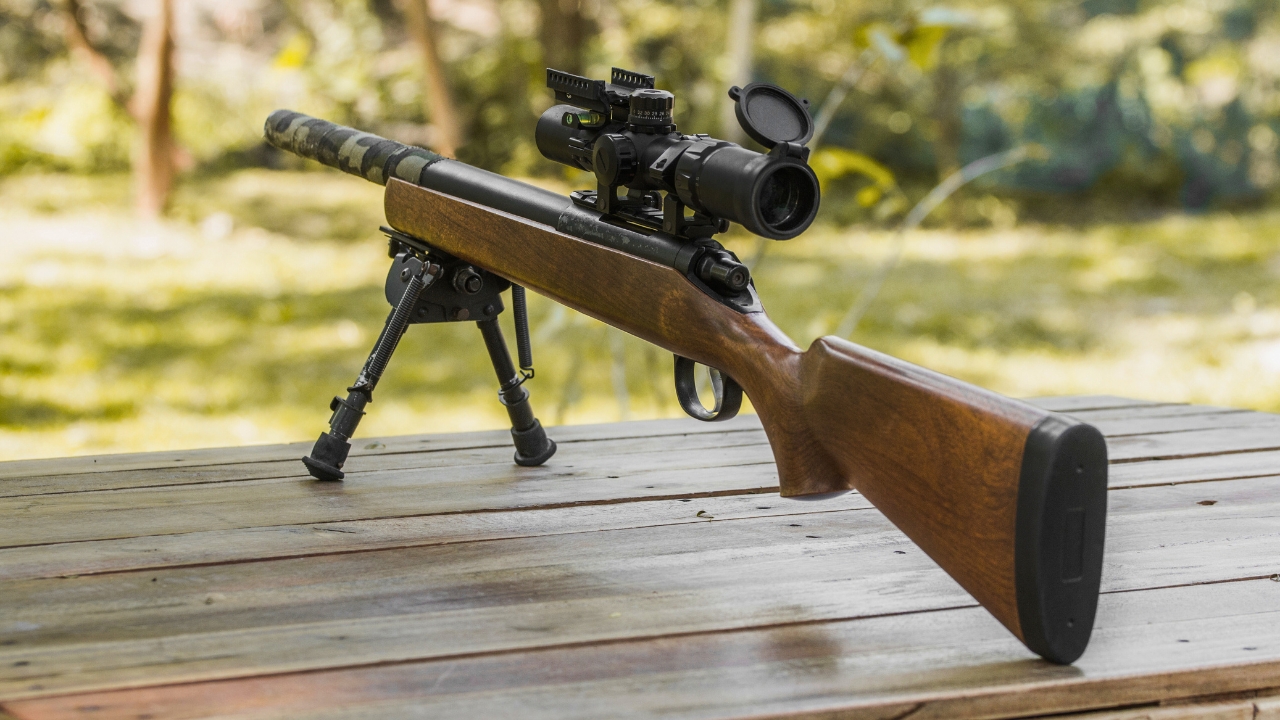
It doesn’t take much to ruin a hunt—raindrops, dust, or snow can instantly make your scope unusable. Flip-up scope covers protect your glass until the exact moment you need it. They’re quick to open, and because they stay attached, you won’t lose them in the field.
This upgrade doesn’t change your scope’s performance directly, but it ensures your lens is clear whenever you’re ready to shoot. In rough weather, that’s critical. Instead of wiping your lens and losing precious seconds, you simply pop the cover open and you’re in business. It’s a small addition, but it means you’re ready in conditions that would otherwise cut your shooting time short.
Investing in better scope rings and mounts

A good scope is wasted if the mount doesn’t hold zero. Cheap rings can shift under recoil or temperature changes, and that costs you accuracy when you need it most. Investing in solid, quality scope rings and mounts keeps your zero consistent no matter what the weather throws at you.
When your optics stay locked in place, you don’t have to second-guess your setup or spend hours re-sighting after a bump in the truck. That confidence translates into more real shooting time, because you’re not burning daylight checking gear. A stable, reliable mount may not be flashy, but it’s the backbone of every good optics system.
Adding a sunshade
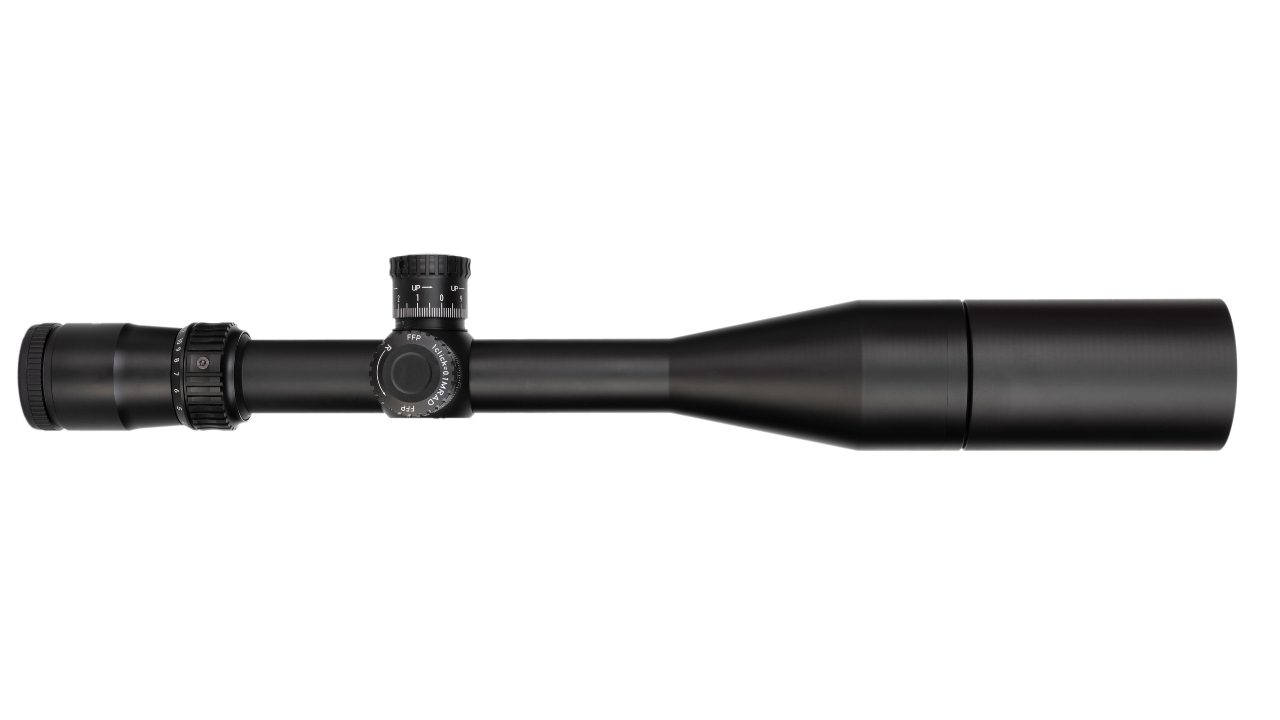
Glare is the enemy of clarity, and nothing ruins a sight picture faster than the sun hitting your lens at the wrong angle. A sunshade screws onto the end of your scope and reduces glare significantly, especially during morning or evening hunts when light is low on the horizon.
By cutting down on stray light, you keep your target sharp and your reticle clear. That extra clarity means you can stretch your usable shooting time into hours where glare would normally win. A sunshade doesn’t weigh much, but it gives you back conditions that would otherwise shut you down.
Upgrading binoculars

Many hunters overlook their binoculars, but quality glass here can be as important as on your rifle. Being able to spot and identify game earlier and later in the day saves you from unnecessary movement and wasted chances. With better binoculars, you can confirm whether that shadow is a branch or a buck without blowing your cover.
Good binoculars with superior coatings pull in more light, extend your glassing hours, and keep your eyes from straining. They also let you hunt more effectively in overcast weather when conditions are dull. This upgrade may not directly affect your shot, but it determines how much time you actually spend finding opportunities to make one.
Adding a spotting scope

A spotting scope extends your ability to glass at distance, especially in fading light. While binoculars are great for scanning, a spotting scope lets you study details—like antler points or body condition—without closing the distance.
This means you can make decisions earlier and avoid wasted stalks. A spotting scope with quality glass also helps when light is low, giving you confidence in your identification when the clock is ticking. For hunters in open country, this upgrade adds hours of useful scouting and ensures you’re making the most of every moment in the field.
Using scope-leveling tools
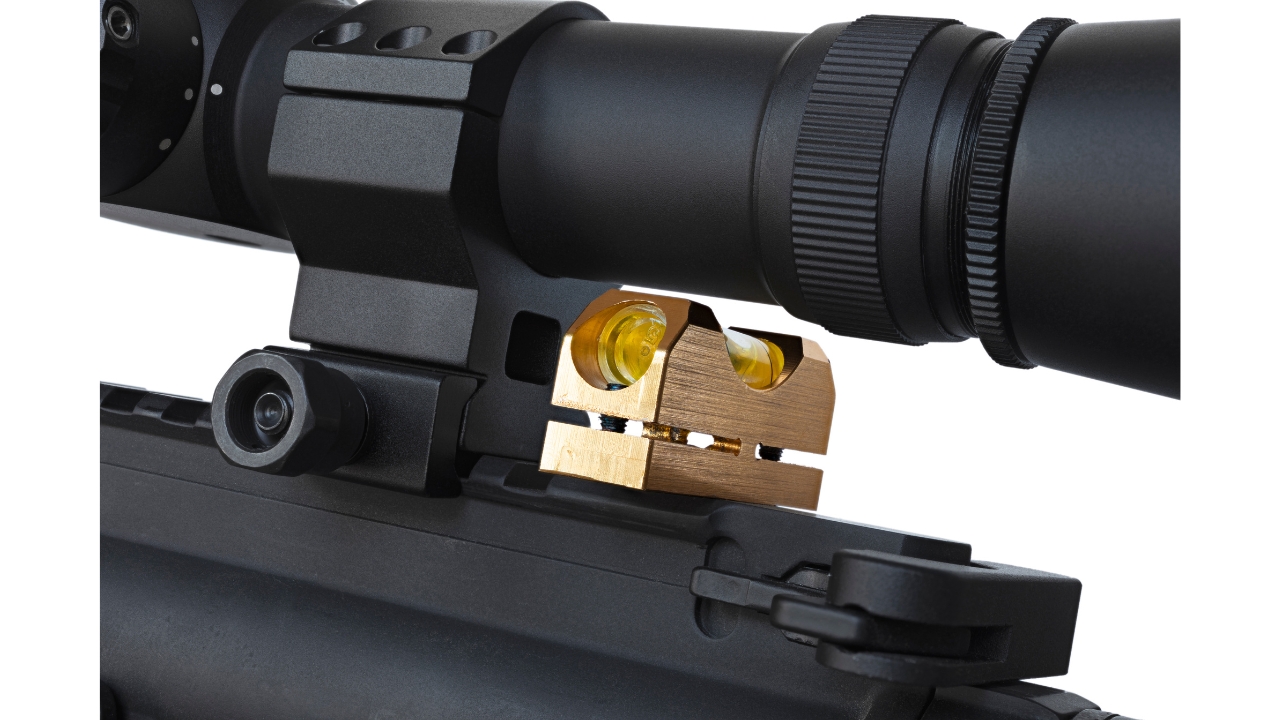
A rifle canted even slightly can cause missed shots, especially at longer ranges. A small bubble level mounted on your scope ensures your rifle is perfectly upright every time you shoot. This simple addition gives you more usable time by preventing wasted opportunities on marginal shots.
When the light is fading and you’ve only got one chance, knowing your scope is level keeps your bullet on track. It’s a subtle upgrade that pays off in confidence and accuracy. More accuracy means more effective hunting time, because you’re not losing opportunities to shots that drift off target.
Adding a quality rangefinder
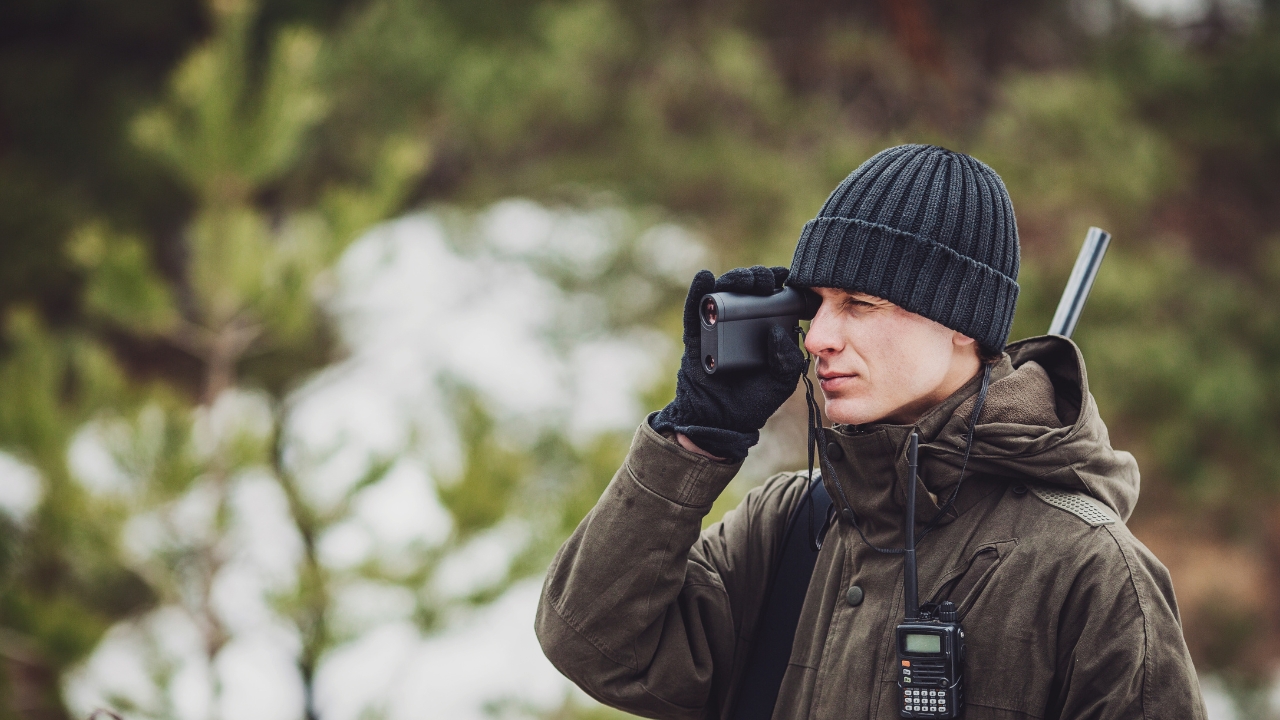
Guessing distance eats up time and leads to mistakes. A reliable laser rangefinder gives you the exact yardage instantly, even when light is poor. That translates into faster, more confident shooting before your opportunity slips away.
Modern rangefinders work in low-light conditions and even compensate for angles. By removing doubt about distance, you can focus entirely on shot execution. When you can take a clean shot without hesitation, you’re effectively adding more time to every hunt.
Using anti-fog lens coatings

Cold mornings, sudden rain, or your own breath can fog up lenses at the worst possible moment. Optics with anti-fog coatings resist this problem, giving you a clear view even when the weather is against you.
This doesn’t just help in the early hours—it’s critical any time conditions shift. Instead of constantly wiping lenses and losing seconds, you’ll actually be able to focus on the hunt. Keeping your optics clear extends your window of opportunity, making this one of the most practical upgrades you can choose.
Using optics with better eye relief
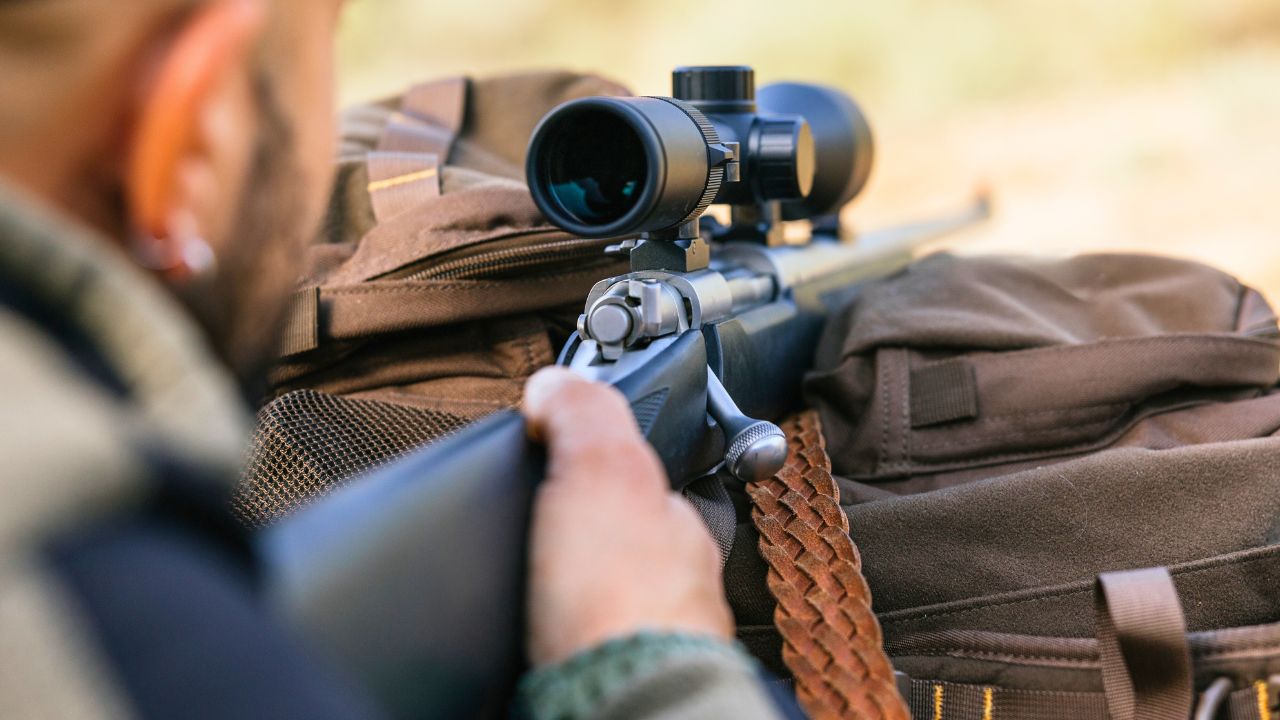
Eye relief makes a huge difference when shooting from awkward positions or when you’re bundled up in layers during cold hunts. Scopes with generous, consistent eye relief let you see the full sight picture without adjusting endlessly.
That means quicker shots and less wasted time when game suddenly appears. You don’t want to spend precious seconds trying to find the right head position when the opportunity is already slipping away. A scope that gives you flexibility on eye relief ensures you can make the shot whenever it comes.
*This article was developed with AI-powered tools and has been carefully reviewed by our editors.