Image Credit: Komsan Somthi/Shutterstock.com
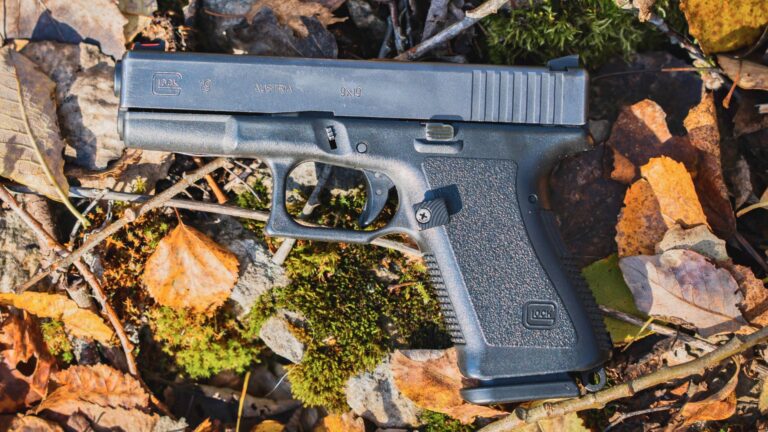
Picking a gun for self-defense isn’t just about grabbing whatever looks cool at the store. You want something you can actually use, something that fits your life, your hands, and your comfort level. This isn’t about impressing anyone—it’s about protecting yourself and the people you care about.
Whether you’re new to firearms or just trying to make a smarter choice, these tips will help you sort through the noise. Let’s break it down in plain, no-nonsense terms.
Know Your Purpose First

Start by asking yourself what exactly you need the gun for. Is it for home defense? Concealed carry? Maybe both? That answer shapes everything else, from size to caliber to features.
A gun that’s great for keeping on your nightstand might be terrible for carrying around all day. Figure out where and how you plan to use it, and you’ll already be ahead of most folks.
Handle Different Guns Before You Buy

You don’t know what works for you until you try it. Head to a range or a gun shop that lets you handle or rent different models. Grip, weight, recoil—all of that matters more than what the label says.
A gun might look great online but feel completely wrong in your hand. Comfort and control go a long way when the pressure’s on.
Don’t Go Too Big or Too Small

A massive handgun might look tough, but it can be hard to control or carry. On the other hand, tiny guns can be snappy, hard to shoot well, and uncomfortable over time.
Find that middle ground—something you can control without struggling, but also something you’re not afraid to practice with regularly.
Think About Caliber Realistically
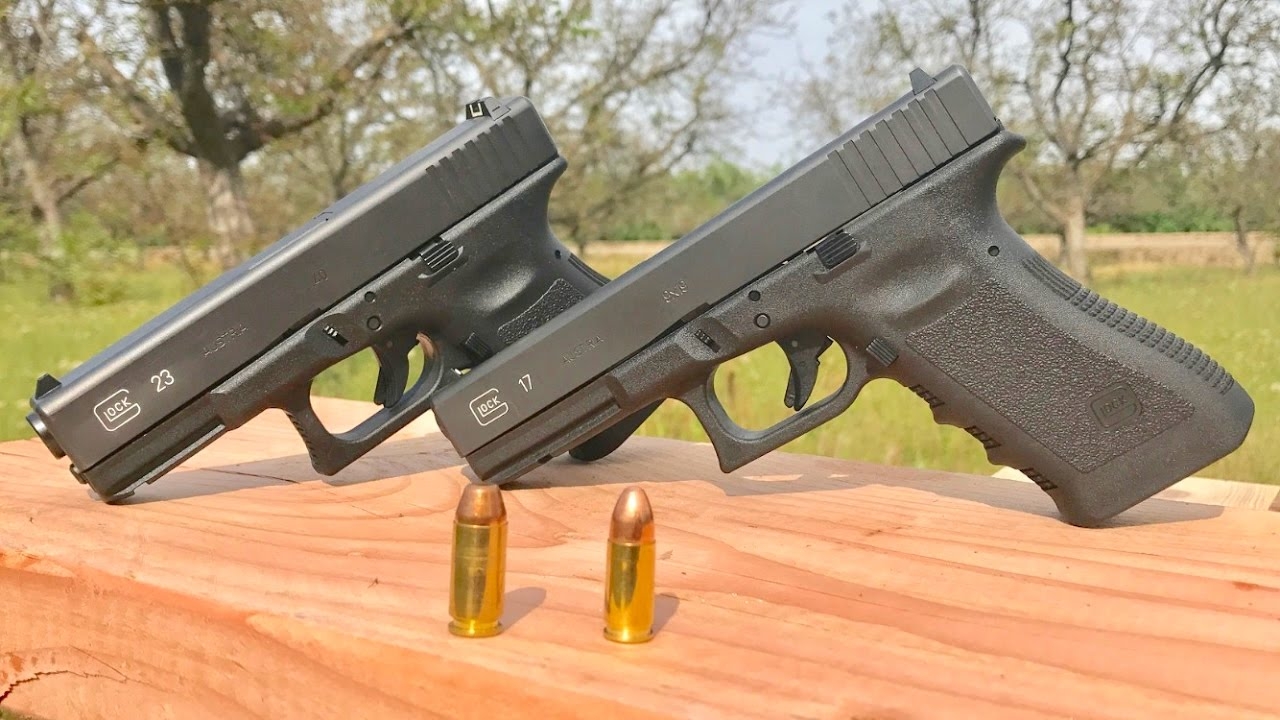
Everyone has an opinion about caliber. 9mm is a solid choice because it offers a balance of power, recoil, and capacity. Bigger calibers pack more punch, but they’re harder to shoot well.
Go with what you can shoot accurately and confidently. A hit with a 9mm beats a miss with a .45 every time.
Simplicity is Your Friend

In a stressful situation, simple is better. Guns with fewer complicated controls, like double-action revolvers or striker-fired pistols, can be easier to operate under pressure.
If you’re new to guns or don’t plan to train often, having fewer steps to remember can make a big difference when it counts.
Capacity Matters—But So Does Reliability

Sure, having more rounds in the magazine is helpful. But it’s not everything. A reliable six-shot revolver is better than a jam-prone semi-auto with 15 rounds.
Look for proven reliability. If it doesn’t run flawlessly at the range, it’s not worth trusting when it really matters.
Don’t Skip Training

Even the “perfect” gun is useless if you don’t know how to handle it. Take a class. Go to the range. Run drills that mimic real situations.
Confidence comes from doing, not just owning. If you’re serious about self-defense, the gun is just one part of the equation.
Concealment Requires Planning

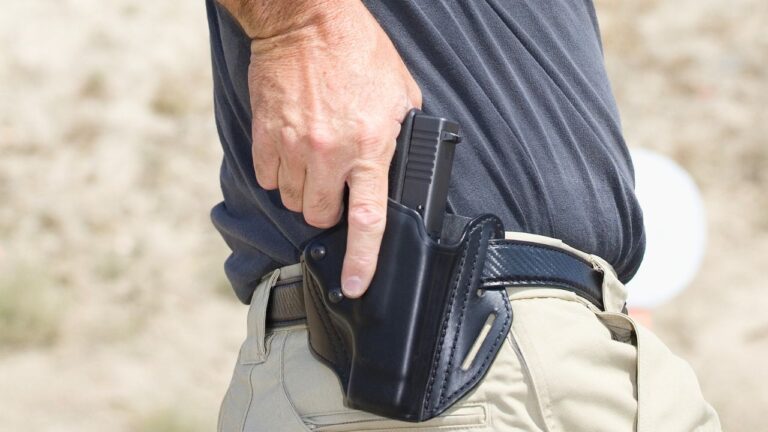
If you’re planning to carry, you’ve got to think about size, holsters, and clothing. A gun that’s too bulky will end up staying at home, which defeats the whole point.
Try different carry positions and holster styles before settling. Comfort and concealability matter just as much as firepower.
Trust Your Gut—Not Just Reviews

It’s easy to get caught up in online debates, but at the end of the day, this is about your life. Just because a certain brand or model is hyped up doesn’t mean it’s right for you.
Use reviews as a starting point, not the final word. Your experience at the range will tell you a lot more than someone’s opinion on a forum.
Consider Long-Term Costs

That budget gun might seem like a deal, but if it breaks down or costs a fortune to shoot, it’s not saving you anything. Factor in ammo, accessories, and maintenance.
Sometimes it’s better to spend a little more upfront for a gun that’s going to last and actually make you want to practice with it.
*This article was developed with AI-powered tools and has been carefully reviewed by our editors.