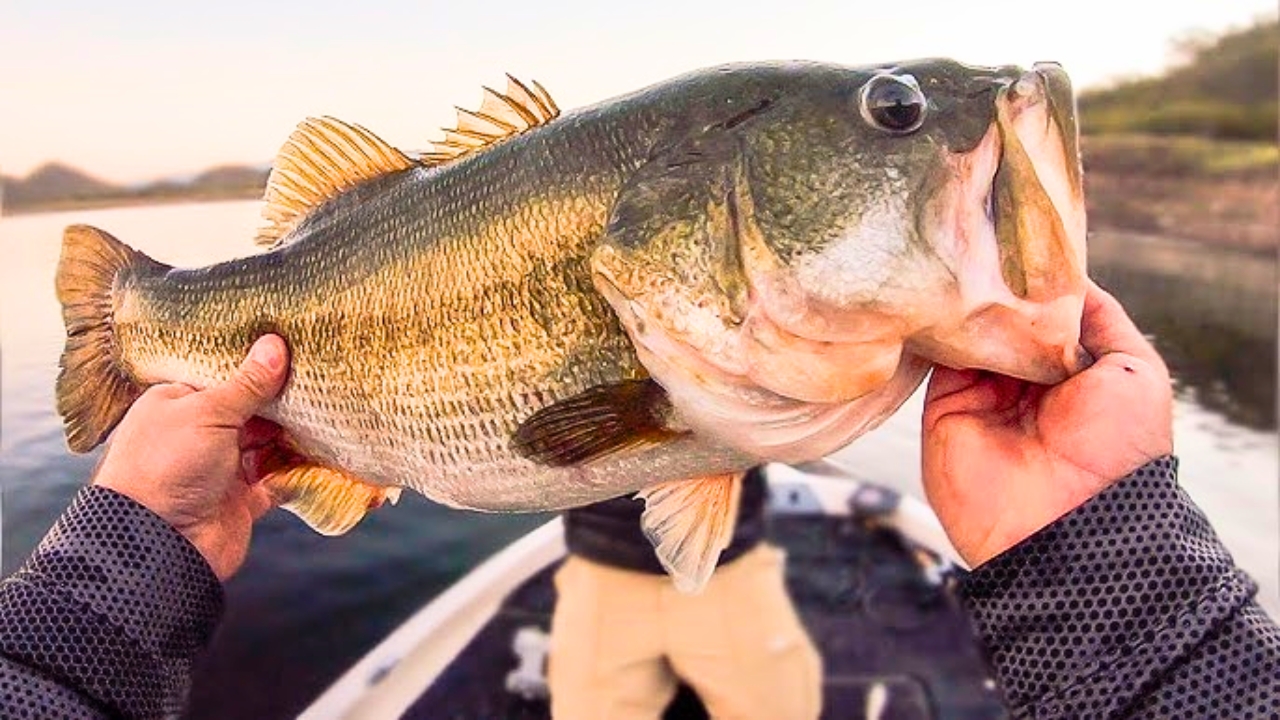
Photo credit: TacticalBassin/YouTube
Big bass don’t get big by making the same mistakes the smaller ones do. The spots everyone talks about, posts online, or hammers after work are the exact places mature fish avoid once they’ve seen enough pressure. They slide off the obvious structure, feed on their own schedule, and position themselves where anglers rarely think to look.
Understanding why those bigger fish move differently helps you stop wasting time on well-known spots and start focusing on the quiet water where they actually live. Once you see these patterns clearly, you’ll understand why the “best spots on the lake” rarely produce the bass that matter.
They avoid shoreline cover that gets hit daily
When the lake gets busy, every stump line, laydown, and patch of shoreline grass gets hours of lures thrown at it. Big bass know those spots better than anyone and move away as soon as pressure rises. They may still feed nearby, but they sit far enough off the bank to avoid the constant noise.
If you’re only targeting bank cover, you’re fishing where the smaller, more aggressive fish live. The larger ones usually slide to the first break, a shadow line, or scattered rock beyond the visible structure. They’re close enough to take advantage of feeding opportunities but far enough to stay undisturbed.
They leave community holes once they’ve been burned
Everyone has those classic points, humps, or brush piles that always seem like a sure thing. But big bass don’t linger in places where they’ve been caught before. They remember pressure, boat traffic, and the patterns that follow them through the seasons. Eventually, they treat those places like danger zones.
Instead, they set up on the edges of community holes where most anglers never cast. This might be a small rise in the contour, a ditch beside the main structure, or a patch of rock nobody mentions. These subtle spots give them the same feeding advantages without the constant threat.
They feed deeper during peak fishing hours
When everyone is throwing topwaters and spinnerbaits at dawn, bigger bass often feed deeper where sound doesn’t travel as sharply. They use depth as insulation, especially when light conditions make them wary. By the time anglers start dragging soft plastics, those bigger fish are already transitioning back to secure resting areas.
If you never explore that mid-depth zone during early light, you miss some of the most reliable feeding windows for mature bass. They’re often down where bait gathers away from surface disturbances, putting themselves in a position to eat without dealing with pressure.
They move to isolated cover instead of crowded structure
Big bass love a piece of cover that doesn’t draw attention. A single stump in a wide flat, an overlooked brush pile on the wrong side of a point, or a lonely rock near a channel swing often holds fish that never see lures. These places let them feed without competition or boat wakes.
When you target only “good looking” areas, you fall into the same pattern everyone else does. Scanning for isolated targets and casting to spots that don’t stand out visually often leads to fish that have avoided pressure for months.
They shift to subtle depth changes most anglers ignore
Most anglers fish big breaks and obvious drops, but the biggest bass often sit on small rises or dips that don’t stand out on a map. These minor changes influence bait movement without drawing crowds, giving mature fish the perfect blend of security and opportunity.
If you only rely on obvious lines on your sonar, you’ll miss these quiet holding areas. The biggest gains come from noticing slight contour bends or shallow shelves that barely register on mapping software. Those overlooked adjustments often hold the fish you’re really trying to catch.
They respond quickly to boat noise
A big bass doesn’t need to see you to know you’re there. Hull slap, trolling motors, and sonar pings push them off traditional spots. Smaller fish often tolerate it, but larger bass shift away immediately. They move to shade lines, deeper pockets, or thick cover where noise fades.
If you’re hovering right over a promising area, you’re probably spooking the exact fish you want. Positioning your boat farther out and making longer casts increases your chances dramatically, especially in clear water or on calm days when sound travels farther.
They avoid obvious ambush spots during bright conditions
Everyone loves fishing those textbook ambush points—dock corners, grass edges, and channel swings. But in bright sunlight, larger bass treat those spots carefully. They slide into shade pockets, deeper sections of the structure, or adjacent cover where they can feed without exposing themselves.
If you’re still pounding obvious ambush zones at midday, you’re chasing fish that have likely moved. Shifting to the quieter areas connected to the structure—not the structure itself—gets you in front of the bigger ones that only feed when they feel secure.
They wait for off-peak feeding windows
Big bass often feed during low-pressure windows: mid-morning lulls, cloudy transitions, or periods with minimal boat traffic. Those are the moments when they return to more accessible structure. Anglers who only fish peak hours miss many of the best bites of the week.
Pay attention to the quieter moments on the lake. When wakes settle, wind shifts, or light fades, bigger fish reappear. If you keep casting during those transition periods instead of treating them like downtime, you’ll start connecting with fish that were unreachable earlier.
They stay near bait that moves unpredictably
Well-known spots attract anglers because bait gathers predictably there. But the biggest bass often pursue bait schools that move erratically—tiny pods of shad blown by wind or clusters of bluegill drifting between grass lines. These bait groups don’t stick to classic structure, so neither do the bass feeding on them.
Learning to read bait movement rather than map icons puts you ahead. Watch for flickers, sounder blips just off the main structure, or surface dimples in unexpected areas. Big bass track food, not tradition.
They avoid shallow flats after being pressured repeatedly
Shallow flats can produce incredible fish early in the season, but once they’re pressured, bigger bass retreat to adjacent depressions or subtle channels nearby. They may still feed shallow, but they don’t linger. The constant noise, shadows, and lure repetition push them away quickly.
Targeting those transitions instead of the flat itself reveals fish that everyone else misses. Even a few feet of extra depth gives them the cover they need to feel comfortable, especially after several days of heavy pressure.
They slide into current seams instead of obvious eddies
In reservoirs or rivers, most anglers hit the same slack-water pockets where fish often stage. Big bass, however, prefer current seams that give them an energy advantage while still keeping them protected. These seams rarely draw attention because they require precision casts and boat control.
If you learn to read how current shapes the underwater terrain, you’ll find areas where big bass can feed with minimal exposure. These spots aren’t glamorous, but they hold the fish that avoid the obvious.
They reposition when weather stabilizes
Stable weather reduces the chaos that pushes bait into predictable patterns. Once conditions steady, big bass move away from the traditional feeding areas that smaller bass still use. They settle into deeper or more subtle structure until another shift encourages them to roam.
Anglers who keep pounding the same “good” spots after a stable stretch often think the bite died. In reality, the bigger fish simply adjusted before the smaller ones did. Following their deeper transitions helps you stay connected.
They learn from pressure faster than most anglers realize
Larger bass adapt quickly. They remember sounds, lure profiles, and even boat routes. When certain areas consistently produce strikes, word spreads—and pressure follows. Bigger fish sense the shift long before many realize it. They move early, settle elsewhere, and let smaller fish take the risk.
If you assume bass behave consistently in popular spots, you’re fishing memories, not reality. Understanding how quickly bigger fish respond to pressure changes your entire approach and helps you break away from the patterns that keep most anglers chasing the wrong water.
Like The Avid Outdoorsman’s content? Subscribe to our newsletter so you never miss an article.
Here’s more from us: