

Photo credit: Kevin Cass/ Shutterstock.com
If you’re looking to fool wild trout that’ve never seen a pellet, you’ve got to go where stocking trucks can’t reach and the fish fight like they’ve got something to prove. These streams aren’t easy, and that’s the point. The trout are big, mean, and earned—not handed out. Bring your A-game, pack some patience, and expect to work for every take.
Henry’s Fork – Idaho

The Henry’s Fork is legendary for a reason. It’s one of those places where the trout are wild, smart, and big enough to make you second-guess your 5X tippet. The Railroad Ranch stretch is dry-fly central, with slow-moving water and picky fish.
You’ll need clean presentations and a deep fly box to make it happen here. But when it clicks, there’s nothing like watching a thick rainbow sip your size 18 off the surface.
South Fork of the Snake – Idaho
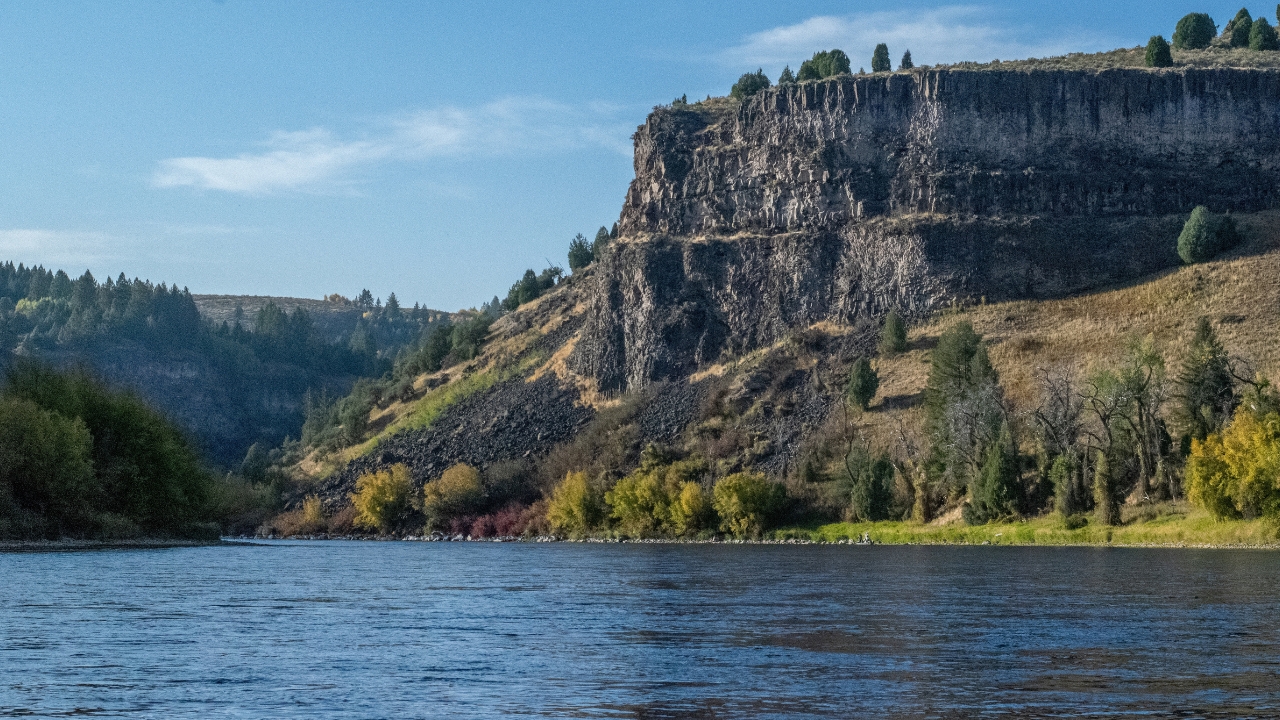
The South Fork has over 60 miles of water that holds wild browns, cutthroat, and rainbows—and they’re not shy about eating big bugs. It fishes best from a drift boat, but there’s wade access too if you know where to look.
Hopper-dropper rigs, streamers, and stoneflies all get love here. The canyon section is known for holding some of the river’s biggest browns, especially if you’re willing to work pocket water or swing through deeper pools. It’s big water, but it produces the kind of trout that keep you coming back.
Upper Delaware River – New York/Pennsylvania

This river doesn’t hand out easy wins, but the trout are wild and worth the work. You’ll mostly find rainbows and browns here, and they’re smart from all the pressure. Cold releases from Cannonsville Reservoir keep conditions right through the summer.
Dry fly fishing is the main event, especially during the sulphur and green drake hatches. If you can’t make a clean cast or drag-free drift, don’t expect a lot of action. But when everything lines up, this river gives you wild fish that’ll test your gear—and your ego.
Madison River – Montana

The Madison is known for volume, but the upper stretches still produce thick, wild trout that hammer nymphs and streamers. It runs fast and cold, with boulders and riffles that provide perfect trout habitat. Browns and rainbows here grow fat and fight hard.
The upper Madison, between Quake Lake and Ennis, is a solid spot to cover ground with two-fly rigs or bounce streamers through the seams. You won’t be alone, but there’s enough water to find your own pocket and get into something worth bragging about.
Gallatin River – Montana
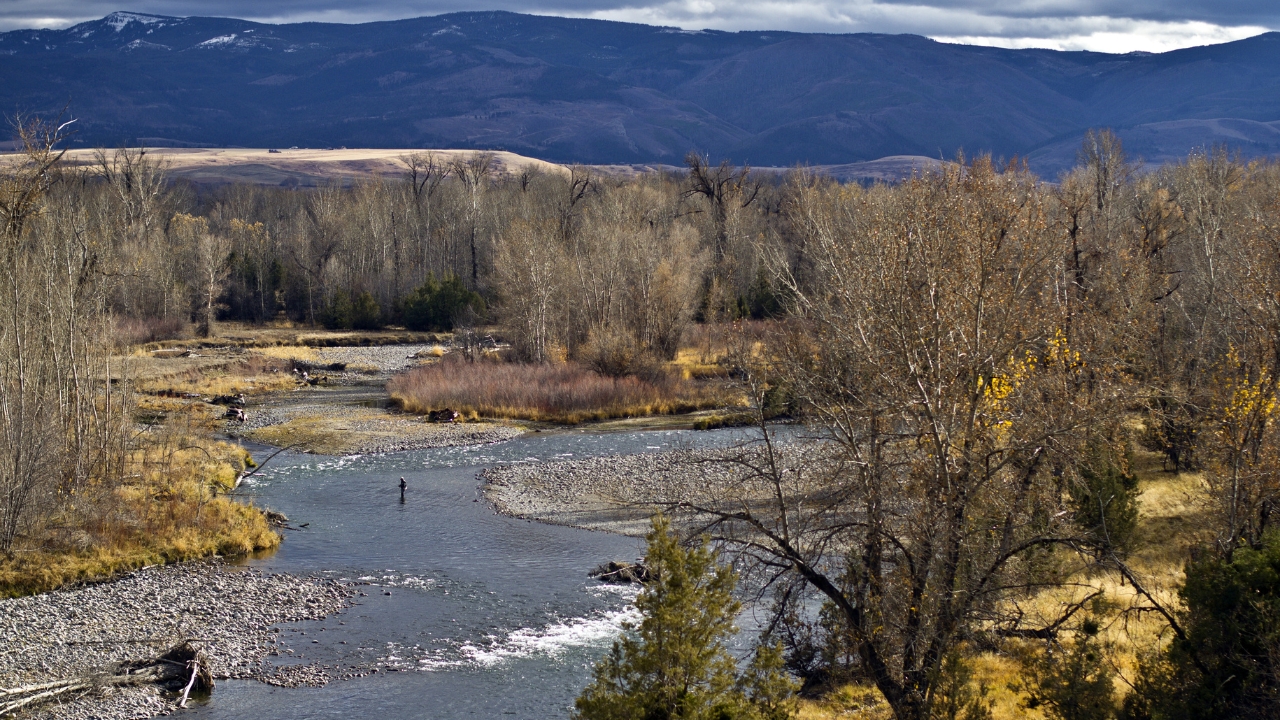
If you like your fishing wild and your scenery to match, the Gallatin delivers. It’s a smaller river, but it punches above its weight when it comes to aggressive trout. The fish here are mostly browns and rainbows, and they’re all wild.
You’ll do best with nymphs in the fast water or dries during hatch windows. It’s not known for 24-inchers, but there are fish pushing 20 if you know where to look. Wade access is great, and you can cover a lot of productive water in a single afternoon.
Big Wood River – Idaho
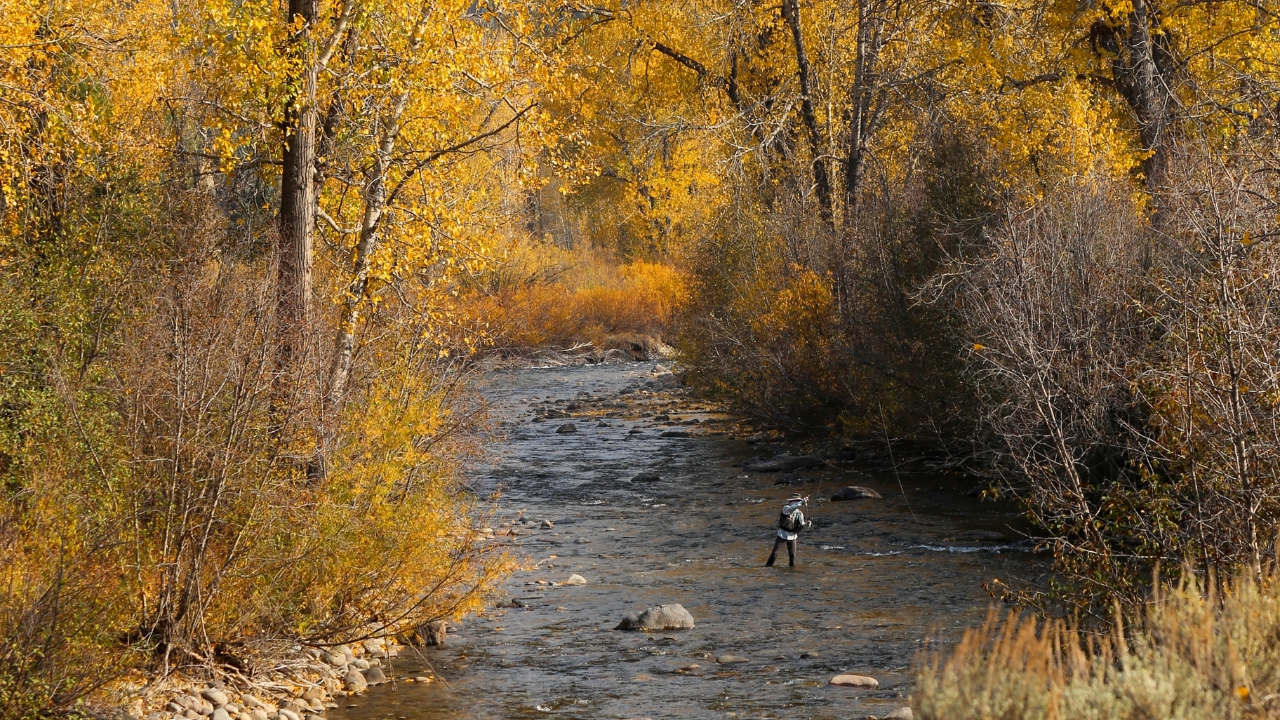
This one flies under the radar compared to some of Idaho’s bigger rivers, but that’s part of the appeal. The Big Wood holds healthy populations of wild rainbows that love to come up for dries—especially in the summer and fall.
It’s a great walk-and-wade stream, with easy access and plenty of riffles, seams, and pocket water. You won’t need huge gear here—light rods and technical presentations are the name of the game. The fish aren’t monsters, but they’re wild, scrappy, and worth the effort.
White River – Colorado

Up near Meeker, the White River holds solid numbers of wild browns and cutthroat that don’t see a ton of pressure. It’s remote enough to weed out the crowds but still accessible if you’re willing to put in the miles.
Dry-dropper rigs are the go-to here, especially in the summer when hoppers and caddis are thick. You won’t catch fish in every bend, but when you find them, they’ll hit like they mean it. Bring good boots—you’ll be hiking more than casting on some stretches.
Yellowstone River – Montana

This river stays wild in every sense. It’s the longest free-flowing river in the lower 48, and the trout here are all natural-born fighters. The upper stretches near Livingston and Gardiner hold healthy numbers of cutthroat, rainbows, and browns.
Streamer fishing is the move if you’re hunting big fish, especially in the fall. There’s plenty of floatable water, but the wade access is solid too. Expect big views, strong current, and trout that aren’t impressed by sloppy drifts.
*This article was developed with AI-powered tools and has been carefully reviewed by our editors.


