Image Credit: shaunl from Getty Images Signature/Canva Pro.
Fly fishing is a skill that takes patience, precision, and a deep understanding of the water. You can’t just swap your spinning rod for a fly setup and expect results. Casting has to be controlled, drifts have to be natural, and knowing what the fish are eating is half the battle.
Trout won’t fall for sloppy presentations, and the guys who get it know how to read the river, adjust their setup, and make every cast count. If you’re looking for an easy way to catch fish, stick to a bobber and worms. If you want to actually master something, grab a fly rod and put in the work.
Casting Isn’t Just Throwing a Line

If you think you can pick up a fly rod and cast like you would a spinning reel, you’re in for a rude awakening. Fly casting is all about finesse, not brute force. It’s a skill that takes practice, patience, and an understanding of how the rod loads and unloads energy. If you’re slapping the water with your fly, your timing is off. If your line piles up in a mess, you need better control.
A good cast isn’t about distance—it’s about precision. A well-placed fly will outfish a long cast any day. Learning to read the wind, adjust your stroke, and time your haul are the real secrets to getting a fly exactly where it needs to be. And the only way to get there is by putting in the time on the water.
Reading the Water Is Half the Battle

Fly fishing isn’t just about throwing a line—it’s about knowing where to put it. The best anglers don’t waste time casting into dead water. They read currents, spot seams, and understand where fish are likely to be holding. If you don’t know the difference between a riffle and a run, you’re guessing instead of fishing.
Fish don’t just sit anywhere. They position themselves where food comes to them with minimal effort. If you can’t recognize feeding lanes, pockets, and eddies, you’re missing opportunities. The best fly anglers see the water differently, and that’s what puts fish in the net.
Matching the Hatch Matters

You wouldn’t throw a steak at a deer and expect it to take a bite. Fish are the same way—they eat what’s naturally in their environment. If you’re not paying attention to the insects around you, you’re probably tying on the wrong fly. And if you’re fishing the wrong fly, you might as well be casting into an empty river.
A good fly fisherman doesn’t just match the color and size of bugs—he matches their behavior. That means knowing when to dead drift, when to strip, and when to twitch the fly to mimic a struggling insect. Getting it right takes experience, and when you finally fool a picky trout, you’ll understand why this isn’t just another way to fish—it’s an art.
Presentation Makes or Breaks the Bite

A fish doesn’t just look at your fly—it watches how it lands, how it moves, and whether it acts like something edible. A sloppy cast, a bad drift, or a fly dragging unnaturally across the current will send a smart trout packing. Presentation is everything in fly fishing, and it separates those who catch fish from those who just practice casting.
Mending your line, adjusting for current speed, and knowing how to get a drag-free drift are what turn an average fly angler into a great one. When you finally lay down a cast so smooth that a trout eats without hesitation, you’ll know you did it right.
Hook Sets Require Timing and Control

Setting the hook in fly fishing isn’t about yanking like you would with a Texas rig. It’s about feel, reaction, and knowing when to lift the rod versus when to strip set. Trout need a gentle lift, while saltwater species need a sharp, firm strip to drive the hook home.
New fly anglers lose fish because they either react too slow or too aggressively. It’s a skill that takes time to master, and if you’ve ever had a trout spit the hook because you were too quick on the draw, you know exactly what I mean.
Fighting a Fish on a Fly Rod Takes Real Skill
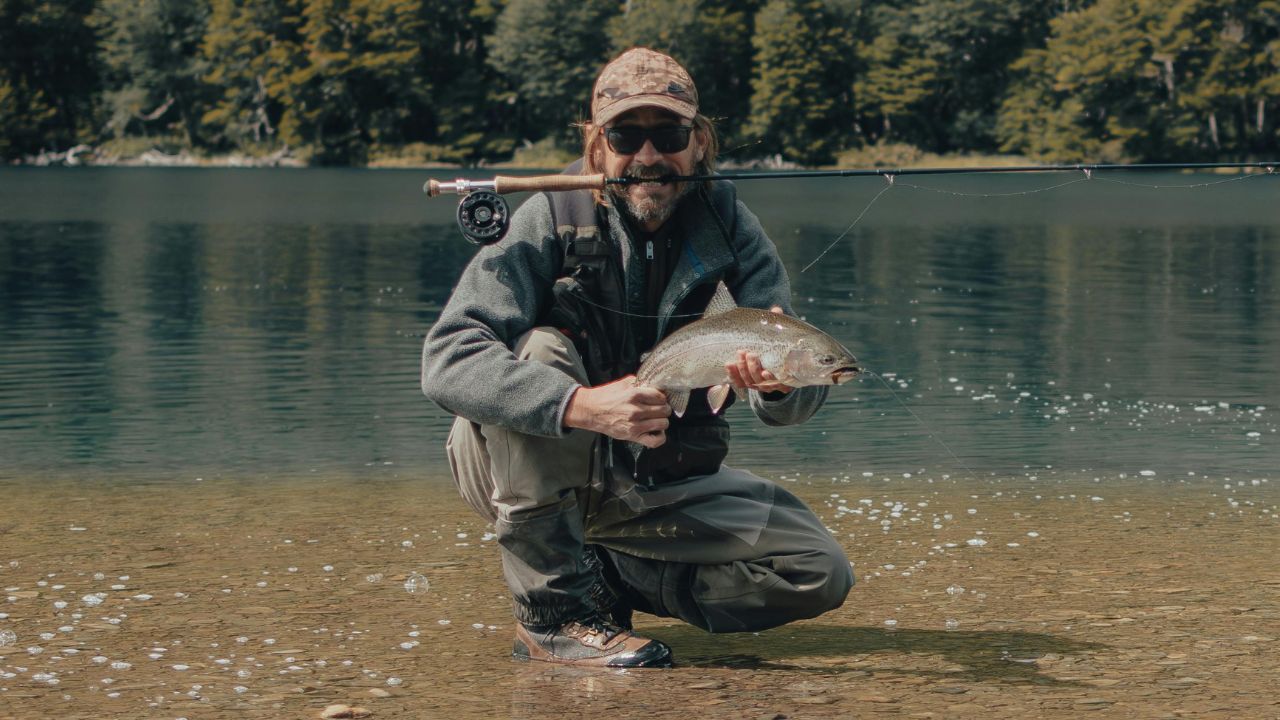
Most conventional setups let you horse a fish in with brute strength. Fly rods don’t give you that option. The flex of the rod, the give of the leader, and the absence of a giant reel full of drag force you to play a fish the right way. If you muscle it too much, you’ll snap your tippet. If you’re too slow, the fish finds structure and breaks you off.
Good fly anglers use the flex of the rod to their advantage, letting the fish tire itself out while keeping just the right amount of pressure. If you think fighting a big fish on light fly tackle is easy, try landing a 20-inch brown trout on 6X tippet and let me know how that goes.
Tying Your Own Flies Separates the Serious Anglers

There’s nothing wrong with buying flies, but tying your own takes fly fishing to another level. It forces you to understand insect life cycles, water conditions, and fish behavior in a way that buying pre-made patterns never will.
The first time you catch a fish on a fly you tied yourself, you’ll realize how much knowledge and patience it takes to create something that actually fools a fish. It’s not just a hobby—it’s part of becoming a complete fly angler.
Weather and Conditions Change Everything

Fly fishing isn’t static. Water levels, temperature, cloud cover, and barometric pressure all impact how fish behave. Some days, a dry fly bite is on fire. Other days, nymphs are the only thing working. A good fly fisherman adapts to the conditions instead of blaming a “bad day” on the fish.
Understanding how temperature affects insect hatches, how rain changes water clarity, and how cloud cover influences feeding patterns will put you ahead of the game. The best fly anglers don’t just fish—they analyze, adjust, and make the right call for the conditions in front of them.
The Best Fly Fishermen Never Stop Learning

The guys who think they have fly fishing all figured out are the ones who plateau. Fly fishing is one of those things you can do for decades and still pick up new tricks. There’s always a better cast, a better presentation, or a new way to read the water.
If you think you know it all, spend a day on the river with an old-timer who’s been fishing the same stretch for 30 years. You’ll realize how much you still have to learn. The best fly fishermen aren’t the ones who talk the most—they’re the ones who keep their mouths shut, observe, and let their casts do the talking.
*This article was created with the assistance of AI.