Photo credit: Survival Gear/YouTube
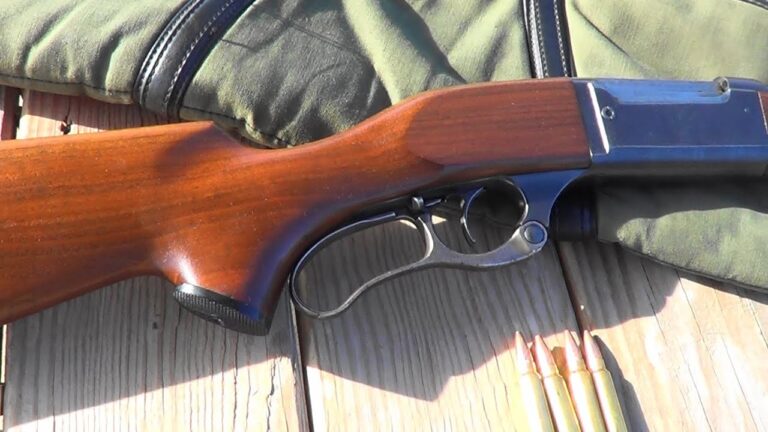
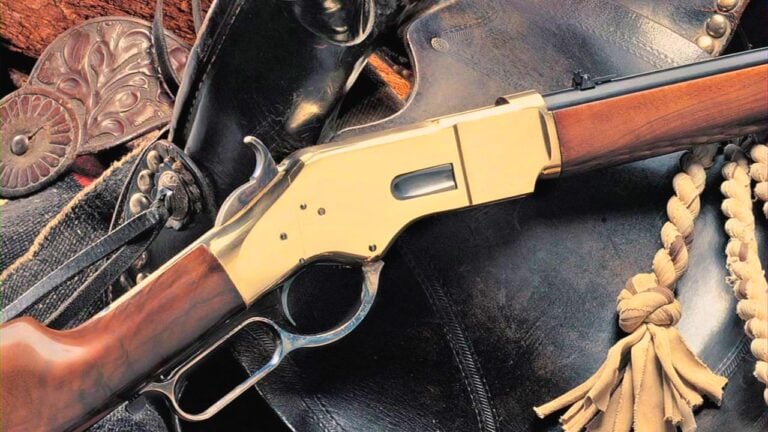
Lever-action rifles never fully disappeared, but for a while they felt like something many shooters admired more than they seriously considered. They were tied to hunting camps, old family rifles, cowboy history, and a style of shooting that seemed separate from the modern rifle world. Lately, that has started to change. More shooters are taking a fresh look at lever guns, and not only because they like the way they look hanging on a wall.
A big part of that renewed interest comes down to usefulness. Lever guns are compact, quick to the shoulder, and often chambered for cartridges that still make a lot of sense in the woods or on a truck seat. They also offer something many shooters have started wanting again: a rifle that feels lively, practical, and enjoyable without turning into a gear project. For newer gun owners, collectors, hunters, and even defensive-minded shooters, lever-actions are starting to feel less like throwbacks and more like rifles with their own modern lane.
They still make sense in the kind of terrain most people actually hunt
A lever gun does not need to win a long-range argument to stay useful. In thick woods, brushy draws, creek bottoms, and any place where shots tend to happen quickly and inside ordinary distances, these rifles still feel right at home. They carry easily, come up fast, and do not drag through cover the way heavier, bulkier rifles often do. For hunters spending real time in tighter country, that matters more than a spec sheet ever will.
That is one reason lever-actions are finding younger hunters now. A lot of people are realizing they do not need every rifle to be built around 400-yard conversations. They need a rifle that feels natural when a deer slips through timber or a hog appears with little warning. In that kind of hunting, a trim lever gun with a familiar cartridge can feel a lot more useful than a rifle designed mostly to impress at the bench.
They offer a break from the tactical formula
There is nothing wrong with modern black rifles, polymer pistols, and optics-ready everything. But a lot of shooters eventually hit a point where they want something different. Lever-actions give them that without asking them to give up practicality. You still get a serious rifle, but the experience feels more mechanical, more hands-on, and less like another version of the same modular platform everyone else is already buying.
That difference matters to people who are tired of every gun conversation sounding identical. A lever gun feels like its own category. The controls are different, the handling is different, and the whole rhythm of shooting one feels more connected to the rifle itself. For new shooters especially, that can be refreshing. It turns the rifle into something memorable rather than something that feels copied and pasted from the last ten rifles they looked at.
Modern manufacturers have made them easier to live with
Part of the new audience exists because today’s lever guns are often easier to set up and use than older examples. Better sights, threaded barrels, rails, improved finishes, and more practical stocks have helped open the category up. You can still buy a traditional walnut-and-blued-steel rifle if that is what you want, but now there are also versions that feel more ready for regular hard use without losing the character that makes lever guns appealing in the first place.
That mix has widened the audience. Some buyers want a classic deer rifle. Others want a suppressor host, a truck gun, or a compact woods rifle with a red dot or low-power optic. Modern lever guns can cover more of that ground than they used to. Once shooters see that they do not have to choose between old-school style and real-world practicality, the platform starts making a lot more sense.
Pistol-caliber lever guns are easy to enjoy
A big reason lever-actions are attracting new shooters is that pistol-caliber versions are plain fun to own. A rifle in .357 Magnum, .44 Magnum, or .45 Colt gives you manageable recoil, good handling, and the kind of range experience that keeps people smiling instead of chasing tighter groups all afternoon. They are approachable for newer shooters, useful at sensible distances, and often cheaper to feed than larger centerfire rifles depending on what ammunition you use.
They also scratch a practical itch. A pistol-caliber lever gun can work well for range use, ranch use, certain hunting situations, and general enjoyment without feeling overbuilt for the job. That versatility helps bring people in. A lot of newer shooters do not want every rifle purchase to feel like a specialized mission. They want something that is useful, easy to understand, and enjoyable often enough to justify keeping it close by. Lever guns fit that better than many people expected.
They feel better in the hands than many people expect
One thing that keeps converting skeptical shooters is how lively a good lever-action feels once you actually shoulder it. Many are slimmer and better balanced than people assume if they have mostly handled bolt guns with heavy scopes or tactical-style rifles with lights, rails, and other extras hanging off them. A lever gun often feels trim, fast, and easy to move through space, which becomes obvious the moment you start carrying one instead of only reading about one.
That physical feel matters more than many buyers realize. A rifle that balances well tends to get used more. It feels less like equipment and more like a tool you naturally want to pick up. New audiences respond to that quickly. They may come in because of looks or history, but they stay interested because the rifle handles in a way that feels practical and satisfying from the first few minutes.
They connect old-school appeal with real-world usefulness
Lever guns are finding a new audience because they sit in a rare middle ground. They carry history without being trapped by it. They can feel traditional without being delicate. They look different from what dominates the modern market, but they still do real work. That combination is hard to fake. A lot of firearms have nostalgia value. Fewer still offer nostalgia and usefulness in the same package.
That is probably the biggest reason the audience keeps growing. People are not only buying lever-actions because they remind them of westerns or old camp rifles. They are buying them because, after all the trends and product cycles, a good lever gun still solves real problems in a very direct way. It gives you a rifle that is compact, capable, enjoyable, and a little different from the usual crowd. That is enough to pull in a lot of shooters who want something that feels both familiar and fresh.
Like The Avid Outdoorsman’s content? Subscribe to our newsletter so you never miss an article.
Here’s more from us: