Photo credit: GunsOfTheWorld/YouTube
Remington is one of those names that can start an argument fast. Some shooters remember the old days and talk about the brand like it was the backbone of American hunting. Others only remember the rough years, the quality complaints, the bankruptcy mess, and the frustration that came with seeing a legendary name stumble.
Both sides have a point. Remington had real problems, especially in its later years under bad corporate ownership. But the reason people still defend the brand is not blind loyalty. It is because Remington built some of the most important rifles, shotguns, and cartridges American shooters ever used. The name still means something because it earned that reputation over a very long time.
The Model 700 Still Has One of the Strongest Bolt-Action Legacies Ever

The Remington Model 700 is probably the first thing most rifle guys think of when the brand comes up. It became one of the most recognized bolt-action rifles in America because it was accurate, affordable, simple to understand, and easy to build around. Hunters carried it for whitetails, elk, antelope, varmints, and everything in between. Target shooters, gunsmiths, police marksmen, and custom rifle builders all found reasons to keep using the action.
That is why Remington fans still defend it. The Model 700 was not some short-lived catalog experiment. It became a foundation. A huge aftermarket grew around it, and for years, if someone wanted to build a custom bolt gun, the 700 action was one of the obvious starting points. The rifle had its controversies, especially around trigger safety claims and lawsuits, but the basic design still left a deep mark. Plenty of shooters still trust old 700s because they have watched them shoot tight groups season after season.
The 870 Earned Its Reputation the Hard Way

The Remington 870 is one of the most defended shotguns in American gun culture because it did not build its name through hype. It built it through use. Hunters used it in duck blinds, turkey woods, deer camps, and dove fields. Police departments ran it for decades. Homeowners kept it by the bed. Farmers and ranchers used it as a working shotgun. It was not fancy, but it was strong, simple, and familiar.
That kind of shotgun earns loyalty because people remember what worked when they were young. A lot of shooters learned to run a pump gun on an 870. They remember the sound, the balance, and the way an older Wingmaster could feel slick as glass after years of use. Later production guns did not always carry the same reputation, and Remington fans will usually admit that. But the old 870 name still gets defended because the best versions were genuinely that good.
The Wingmaster Set a Standard Pump Guns Still Chase
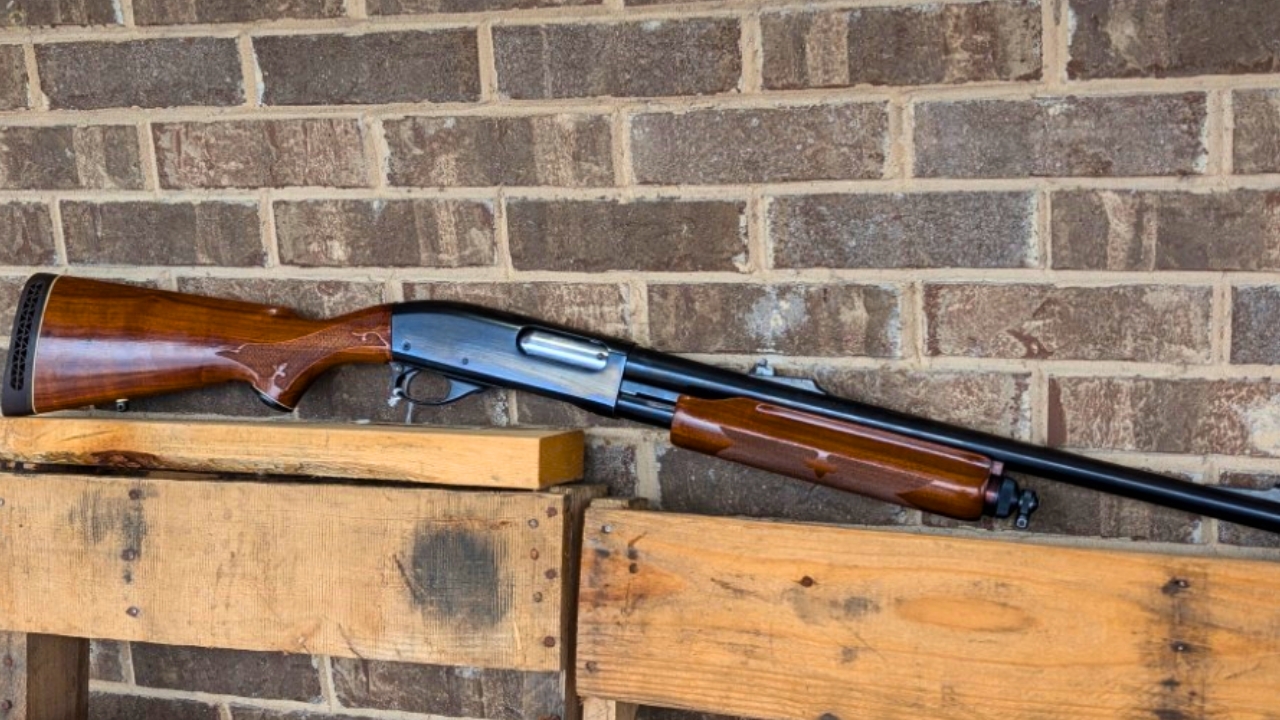
The 870 Express gets talked about a lot because so many people owned one, but the Wingmaster is where Remington really built shotgun loyalty. A good Wingmaster has a different feel. The action is smoother, the finish is better, and the whole gun carries itself like something built before companies started shaving every possible corner. It was still a pump shotgun, but it had a level of fit and finish that made it feel like more than a budget tool.
That is why older Remington fans get defensive when someone judges the whole brand by later rougher guns. They remember Wingmasters that cycled cleanly, patterned well, and looked good enough to be proud of. The Wingmaster was a hunting shotgun, but it had enough polish to feel special. For a lot of families, it became the shotgun handed down from one generation to the next. That kind of reputation does not disappear because a later corporate era made cheaper choices.
Remington Made Hunting Rifles Feel Attainable

Remington’s best years were built around the idea that a good hunting rifle did not have to be some rare, expensive, old-world piece. The Model 700, Model 721, Model 722, and later budget-minded rifles all helped put capable bolt guns into the hands of regular hunters. That mattered in deer camps across the country. A lot of hunters were not chasing collector-grade walnut or custom engraving. They needed a rifle that would shoot straight, carry well, and survive rough weather and truck rides.
That is the part Remington fans still defend. At its best, the company understood the American deer hunter better than almost anyone. Remington rifles were common because they made sense. They were available, chambered in practical calibers, and backed by enough parts and gunsmith knowledge to keep them going. Plenty of hunters killed their first deer, biggest buck, or once-in-a-lifetime bull with a Remington. That kind of memory stays attached to the brand.
Remington Helped Shape the Modern Custom Rifle World

Even people who are hard on Remington usually admit the Model 700 action changed the custom rifle market. Gunsmiths knew it. Parts makers knew it. Stock companies, trigger companies, barrel makers, scope-base makers, and precision shooters all built around it. A rifle does not become that common in the custom world unless the basic design offers something useful. The 700 action was round, simple to bed, easy to understand, and widely available.
That aftermarket made Remington bigger than its own factory rifles. A shooter could start with a basic 700 and slowly turn it into something completely different. That was a major part of the appeal. Even when factory quality got uneven, the action footprint stayed important. Remington fans defend that because it is not nostalgia. It is influence. A lot of modern precision and hunting rifle ideas passed through the Remington 700 world before they became normal everywhere else.
The Model 1100 Made Semi-Auto Shotguns Feel Civilized

The Remington Model 1100 deserves more credit than it sometimes gets. Before modern gas guns became common, the 1100 helped make semi-auto shotguns feel soft-shooting, reliable, and suitable for serious hunting and clay shooting. It had a good reputation for recoil reduction, and that made it easier for shooters to stay on target and enjoy longer days in the field or on the range. For many people, it was the first semi-auto shotgun that felt truly manageable.
Remington fans still defend the 1100 because it was not merely popular. It was beloved. A well-kept 1100 has a smoothness that keeps people loyal. Dove hunters, skeet shooters, duck hunters, and casual clay shooters all found a place for it. It required maintenance like any gas gun, but that was part of owning it. Keep it clean, replace wear parts when needed, and it would work. The 1100 made semi-auto shotguns feel approachable to generations of regular shooters.
The 11-87 Built on a Strong Shotgun Foundation
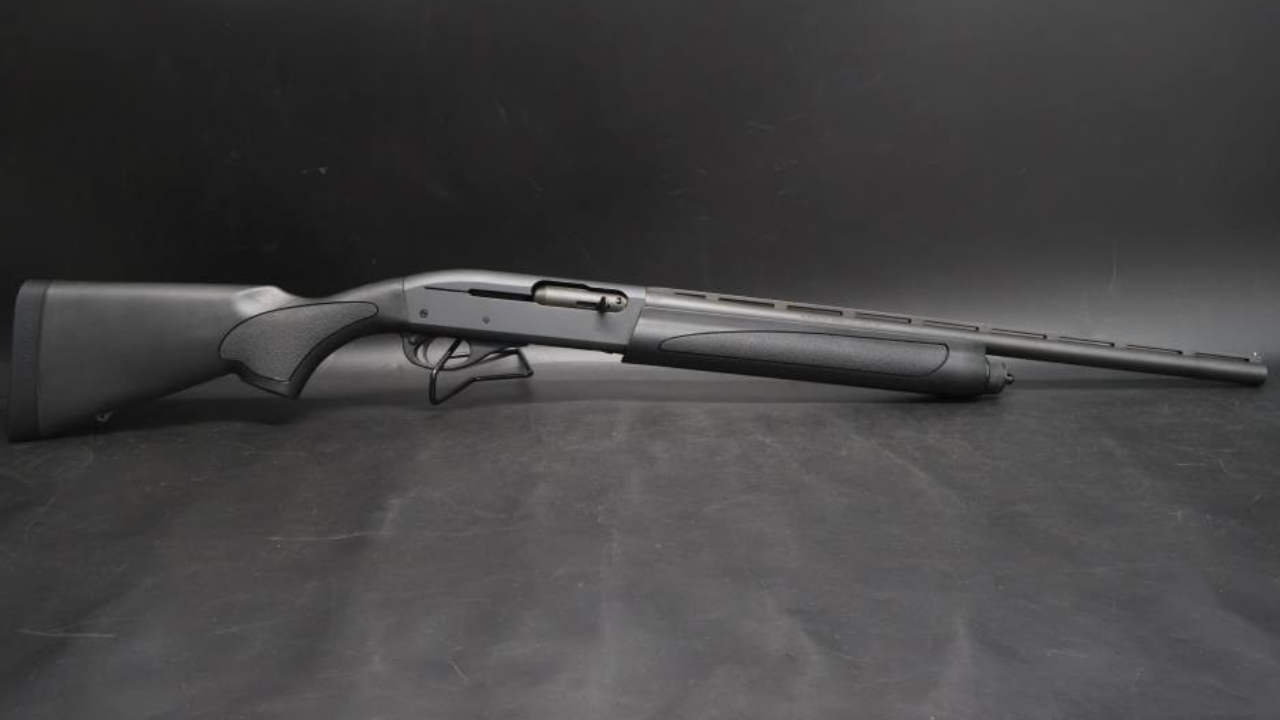
The Remington 11-87 gets defended because it tried to give hunters a more flexible semi-auto shotgun while carrying forward a lot of what people liked about the 1100. It was designed to handle a wider range of loads, especially with the right setup, and it became a familiar choice for hunters who wanted one shotgun for multiple seasons. It was not perfect, and some guns could be picky depending on load, maintenance, and configuration, but the idea made sense.
For Remington fans, the 11-87 represented the brand doing what it had often done well: making practical hunting guns for real use. It was common in duck blinds, turkey woods, and deer camps. A lot of shooters owned them for years and trusted them because their personal gun worked. That is the part outsiders sometimes miss. Brand arguments usually happen in broad terms, but loyalty often comes from one gun that never let its owner down.
Remington Gave America Some Serious Cartridges
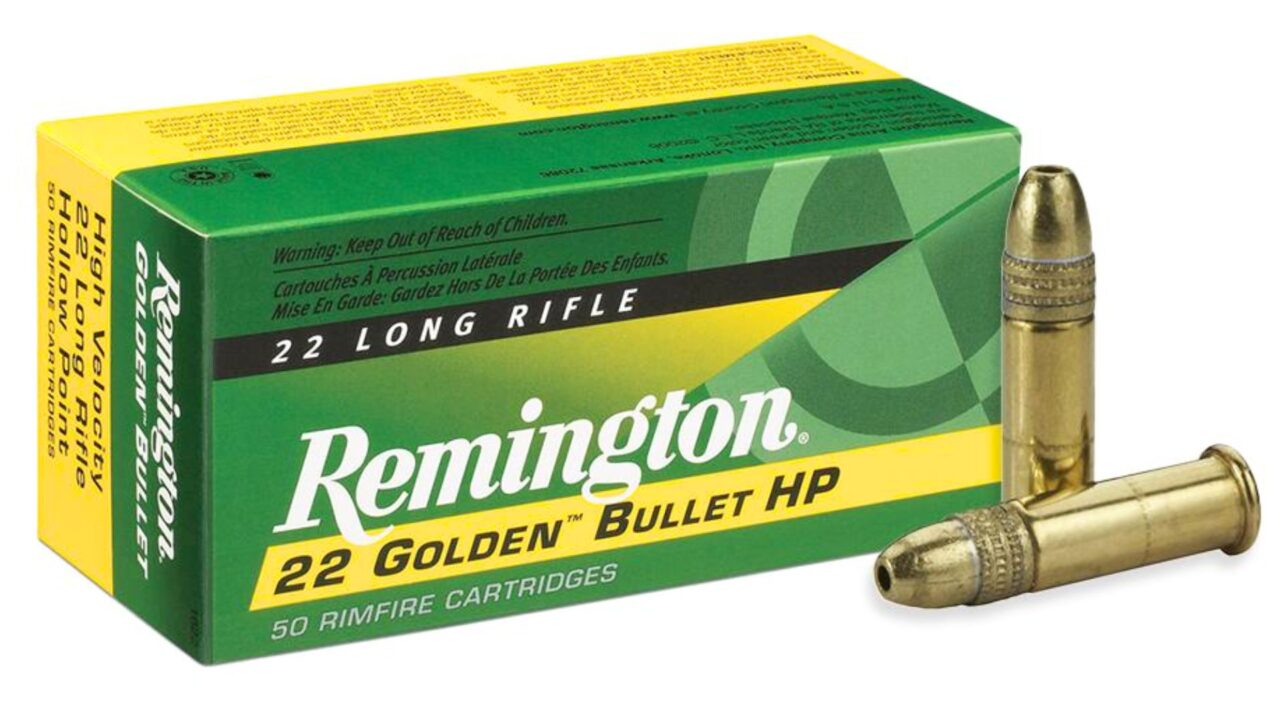
Remington was not just a gunmaker. It had a serious hand in ammunition history too. Cartridges like .223 Remington, 7mm Remington Magnum, .22-250 Remington, .25-06 Remington, .260 Remington, and .35 Remington all helped shape different corners of the shooting world. Some became mainstream. Some became cult favorites. Some filled specific hunting or target roles extremely well. Either way, Remington’s name is attached to more cartridge history than casual shooters realize.
That matters because cartridges can outlive corporate mistakes. The 7mm Remington Magnum became one of the great Western hunting rounds. The .223 Remington became one of the most important centerfire cartridges in the country. The .22-250 Remington earned a loyal following among varmint hunters. Fans defend Remington because the company contributed more than guns with a logo on the receiver. It helped define what Americans shot, hunted with, loaded for, and argued about at the gun counter.
The 7mm Remington Magnum Still Has Real Hunting Credibility

The 7mm Remington Magnum is one of those cartridges that keeps Remington’s name alive even among people who do not own Remington rifles. Introduced in the 1960s alongside the Model 700, it became a serious big-game round because it offered flat trajectory, strong downrange performance, and recoil that many hunters found more manageable than some larger magnums. It found a home with elk hunters, mule deer hunters, sheep hunters, and anyone who wanted reach without stepping into truly punishing recoil.
Remington fans defend it because the cartridge proved itself in the field for decades. It is not just a paper-ballistics favorite. A lot of hunters used it successfully on real animals in real country. That kind of track record matters. The 7mm Remington Magnum also showed that Remington could launch a rifle and cartridge combination that stuck. Plenty of new rounds come and go. This one became part of the American hunting vocabulary.
The .223 Remington Became Bigger Than Remington Itself

The .223 Remington is another reason the brand still gets defended, even if the cartridge’s later history moved far beyond Remington alone. It became tied to varmint shooting, target shooting, defensive rifles, training, and eventually the massive AR-15 market. Shooters can debate .223 versus 5.56 all day, and they often do, but the Remington name is still right there in one of America’s most common rifle cartridges.
That is a huge legacy. A brand can make a rifle that gets remembered for a while, but a cartridge can become part of everyday shooting for generations. The .223 Remington helped put Remington’s name on ammo shelves everywhere. Even people who never bought a Remington rifle have likely shot a cartridge carrying the name. Fans defend that because it shows how wide the company’s influence became. Remington was not sitting off to the side of gun history. It was right in the middle of it.
Remington Made Rifles That Looked and Felt Like Deer Season
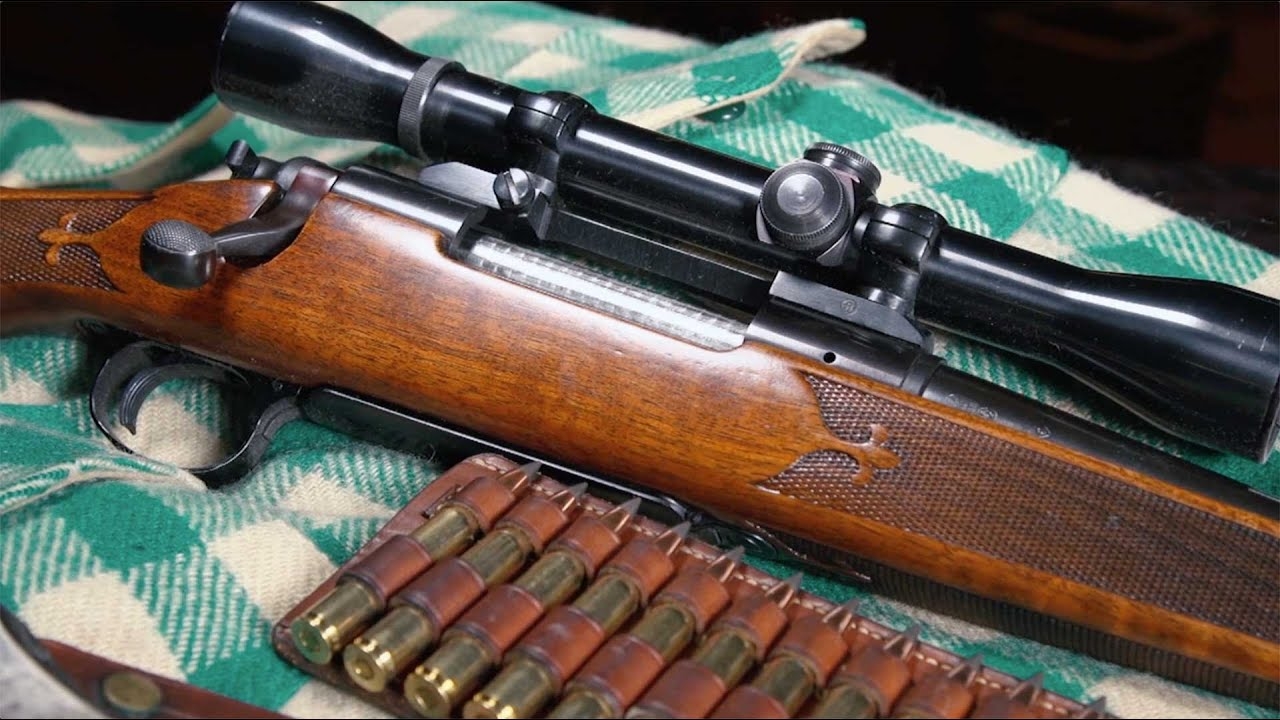
A lot of Remington loyalty is emotional, and that is not a bad thing. Old Remington rifles look like deer season to a lot of people. A walnut-stocked Model 700 BDL, an older 760 pump, a 742 Woodsmaster, or a 7600 carried through thick woods can bring back a whole pile of memories. These guns were common in camps, trucks, closets, and gun racks across America. They were the rifles people actually hunted with.
That matters because gun culture is not only about spec sheets. It is also about memories. The rifle your dad carried, the shotgun your grandfather used, or the pump rifle that sat in the corner of camp every November can shape how you see a brand forever. Remington fans defend the company partly because the guns are tied to real seasons, real hunts, and real family history. You can criticize corporate decisions all day, but you cannot erase that kind of connection.
The 760 and 7600 Pump Rifles Built a Loyal Following

Remington’s pump-action centerfire rifles built a stronger following than many people outside the Northeast and woods-hunting crowd realize. The Model 760 and 7600 gave hunters fast follow-up shots in a package that handled well in thick timber. In places where deer drives, brushy woods, and quick shots were common, a pump rifle made sense. It was familiar to shotgun hunters and faster than a traditional bolt action for those who practiced with it.
Fans defend these rifles because they filled a real need. They were not designed to impress long-range bench shooters. They were hunting rifles for people who moved through cover, watched logging roads, and hunted where deer might appear and disappear in seconds. A pump rifle in .30-06, .270, .308, or .35 Remington was a practical tool in the right country. Remington understood that market and served it better than most companies ever tried to.
Remington’s Older Fit and Finish Still Earns Respect

One reason Remington fans get frustrated with broad criticism is because older Remington guns often had genuinely good fit and finish. A classic Wingmaster, a clean Model 700 BDL, or an older 1100 can still look and feel like a company cared about the details. The bluing, wood, checkering, polish, and smoothness on many older guns are a big part of why people defend the brand. They remember the version of Remington that made guns you wanted to keep.
That is not the same as pretending everything Remington made was perfect. It was not. But the older guns gave shooters a standard to point to. When fans say they miss “real Remington,” they usually mean those guns. They mean the ones that looked good, worked right, and had enough character to feel worth owning. That older quality is part of why the name still carries emotional weight, even after later years damaged trust.
Remington Survived Because the Name Still Means Something
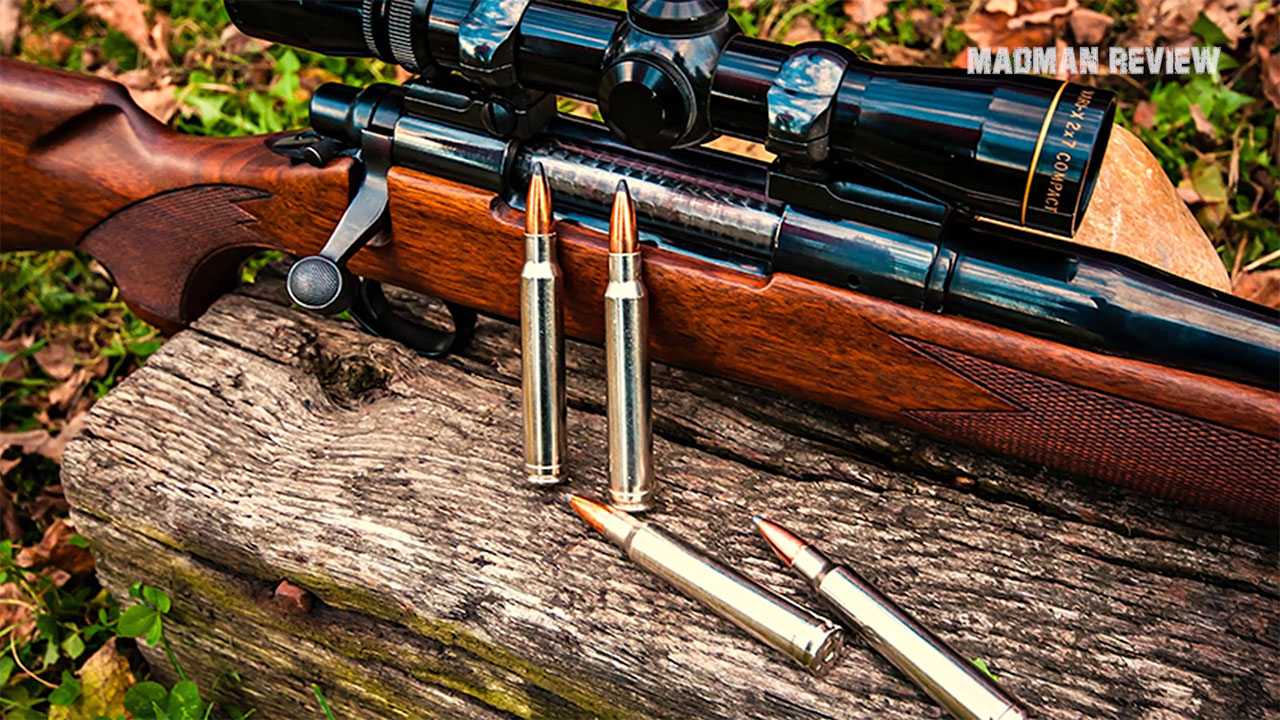
Remington’s corporate story got ugly. Bankruptcy, brand selloffs, quality complaints, and ownership changes all hurt the name. Fans do not defend that part because there is not much worth defending. What they defend is the fact that Remington mattered long before all that happened. The brand’s history is bigger than the worst chapter. That is why people still care when new Remington-branded guns and ammunition show up.
A weak brand can disappear quietly. Remington did not. People kept arguing about it because they wanted it to be good again. That says something. Shooters do not get angry at brands they never cared about. They get angry when a company with real history gets mishandled. Remington fans defend the name because they remember what it represented: American hunting rifles, working shotguns, proven cartridges, and guns that filled camps and closets for generations.
Remington’s Best Guns Still Work
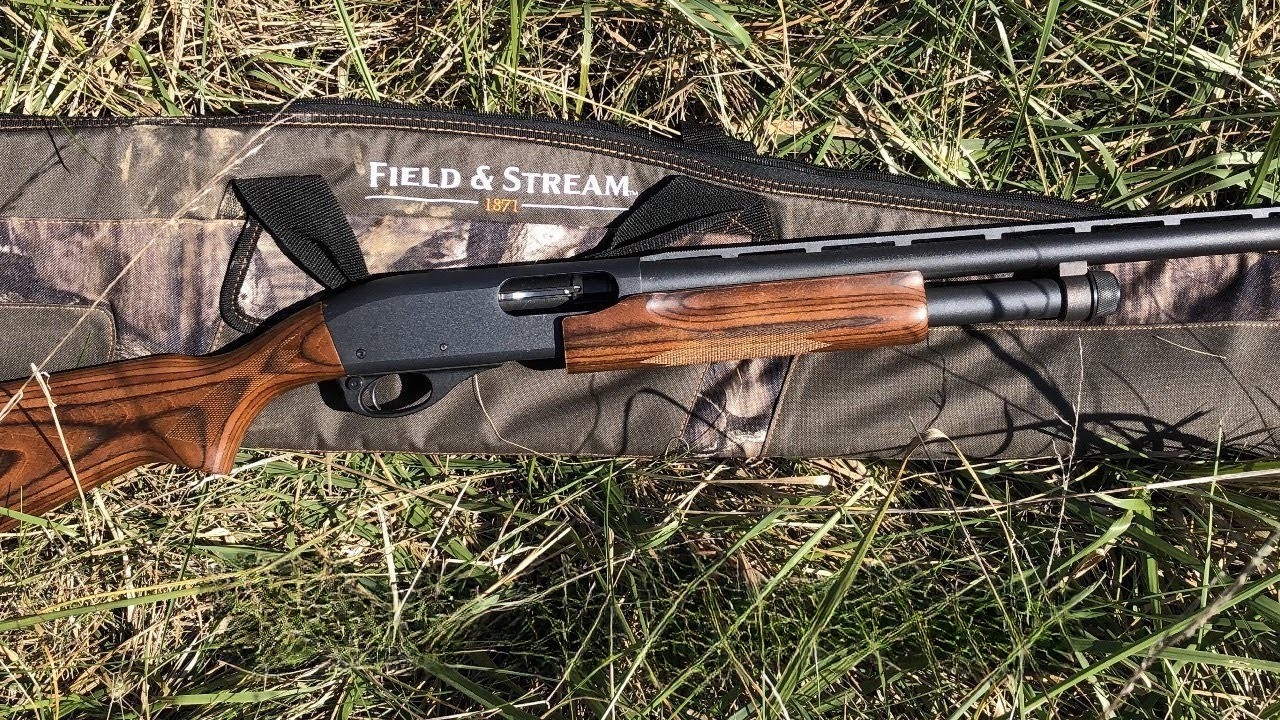
At the end of the day, this is the strongest defense Remington fans have: the best guns still work. Old 870s still cycle. Model 700s still put deer in freezers. Model 1100s still break clays and drop birds. Pump rifles still come out during deer season. Old .22s, shotguns, and centerfires still show up at ranges and hunting camps with scars, worn stocks, and stories attached to them.
That does not excuse the bad years. It does not mean every Remington-branded gun deserves trust automatically. But it explains why the brand still has defenders. Remington earned loyalty over more than a century by building firearms and cartridges that regular shooters used hard. The company’s mistakes are real, but so is its legacy. That is why the name still gets a reaction. Remington was too important to be forgotten, and its best guns are still making that argument every time someone takes one into the field.
Like The Avid Outdoorsman’s content? Be sure to follow us.
Here’s more from us: