Image Credit: Rocksweeper/Shutterstock.com
Some days, fish just won’t bite. You’ve changed spots, adjusted your retrieve, and thrown half your tackle box at them, but nothing’s working. That’s when it’s time to stop guessing and start using baits that have a real track record.
Nothing in fishing is guaranteed, but some baits consistently get bites when everything else fails. Maybe it’s the scent, the subtle movement, or just the right amount of realism to fool stubborn fish. When the bite shuts down, these are the baits that give you the best shot at putting fish in the boat.
Live Worms

When fish won’t touch anything else, live worms can still get the job done. Their natural movement, scent, and taste make them one of the most reliable baits you can throw. Everything from bluegill to bass to catfish will take a worm, even when they’re ignoring artificial lures.
For smaller fish like trout and panfish, a simple split shot rig with a small hook and a piece of worm is all you need. For bigger species, thread a whole nightcrawler onto a larger hook and let it do the work. Fish them weightless for a natural drift, under a bobber in shallow water, or on a Carolina rig for deeper bites. If nothing else is working, it’s time to grab the worms.
Minnows

A struggling minnow is one of the best ways to trigger a predatory fish’s instincts. Unlike artificial lures, live minnows constantly send out signals that fish pick up on, making them an unbeatable option when the bite is slow.
Hook them through the lips for a natural swimming action, or hook them behind the dorsal fin to keep them in the strike zone longer. Use a float to suspend them in shallow water or let them free-line in current for a more natural drift. Whether you’re after crappie, walleye, bass, or even pike, a lively minnow can turn the whole day around.
Soft Plastic Jerkbaits

When fish refuse to chase faster-moving lures, a soft plastic jerkbait can be the answer. These baits mimic an injured baitfish, and when worked correctly, they trigger reaction strikes from fish that would otherwise stay put.
The key is to fish it with slack in your line, giving it erratic twitches so it darts unpredictably. Rig it weightless for a slow fall in shallow water, or put it on a jighead to work deeper areas. If fish are being picky, letting the bait sit still between twitches can be what finally gets them to bite. This is one of those baits that shines when everything else falls flat.
Hair Jigs
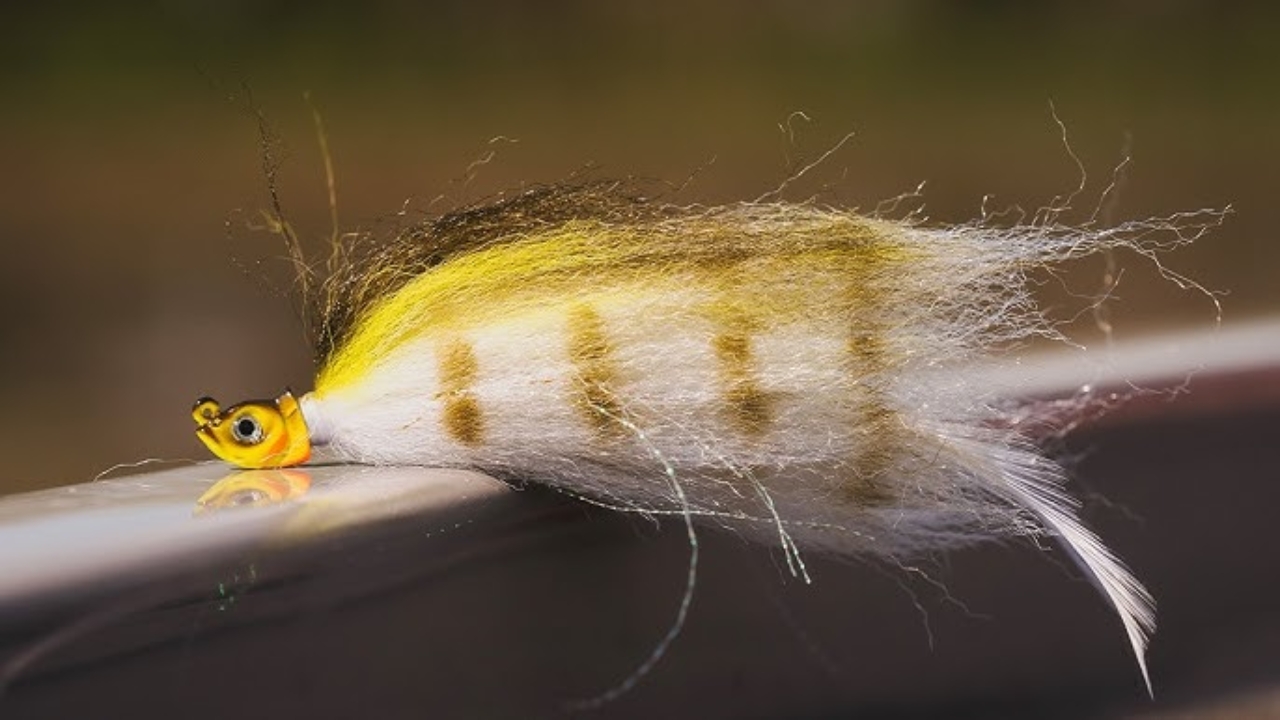
A hair jig is as old-school as it gets, but there’s a reason it’s still around—it catches fish when nothing else does. The natural movement of bucktail or marabou creates an irresistible action, even in the coldest water.
These jigs work well for a variety of species, but they’re especially deadly for smallmouth bass, crappie, and walleye. Fish them with short hops along the bottom or with a steady retrieve just above structure. In cold water, a painfully slow retrieve is often best. When fish ignore flashy lures and aggressive tactics, a hair jig can bring them back to life.
Ned Rig

If bass aren’t biting anything else, chances are a Ned rig will still get a few takers. This small, unassuming bait has a way of fooling even the most pressured fish.
A small mushroom jighead paired with a buoyant soft plastic is all you need. Let it sink to the bottom, then barely move it—just subtle twitches or a slow drag. The key is the natural fall and lifelike movement. This rig excels in cold water and heavily fished lakes where bass have seen everything else. When other baits fail, this one still puts fish in the boat.
Inline Spinners

When fish aren’t responding to soft plastics or slow presentations, an inline spinner can be a game-changer. The flash and vibration draw in fish from a distance, making them perfect for covering water and finding active fish.
The key is a steady retrieve at just the right speed to keep the blade spinning. Slow it down in colder water, speed it up when fish are more aggressive. Trout, smallmouth bass, and panfish all love a well-placed spinner, especially in clear water. If nothing else is working, tie one on and start casting.
Cut Bait
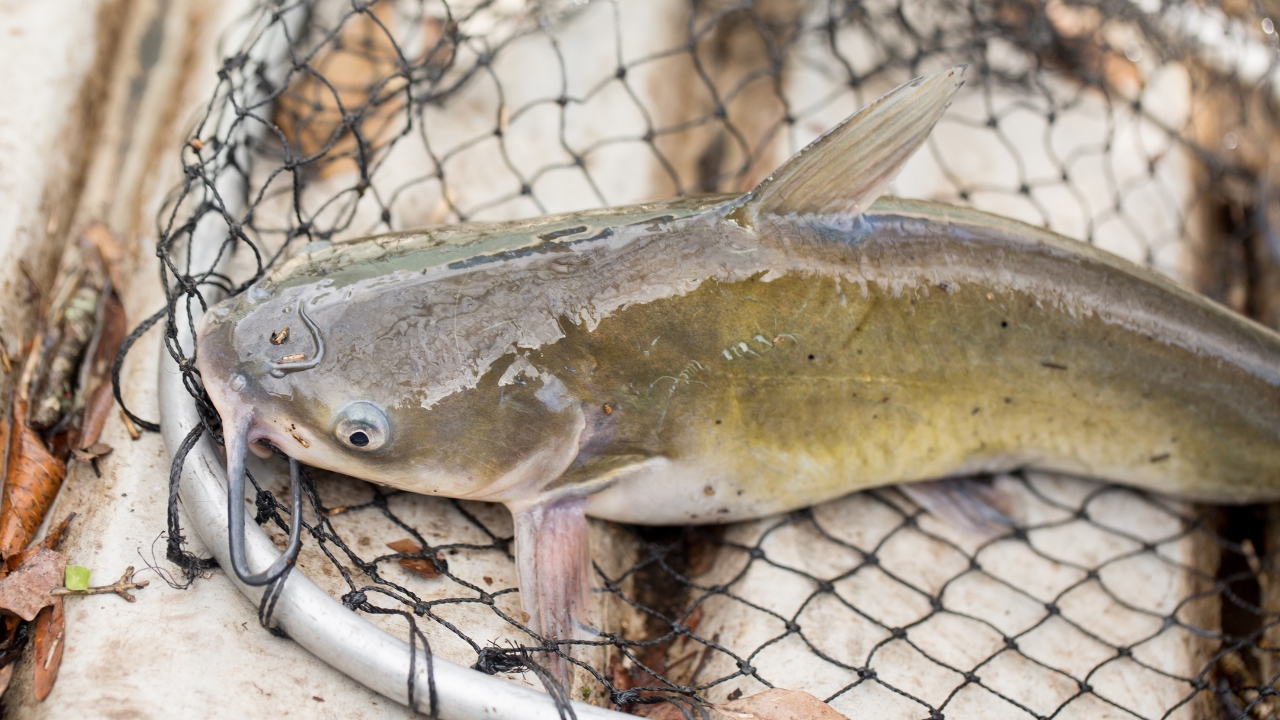
When fish won’t chase a lure or hit a live bait, cut bait can be the ticket. The scent disperses through the water, drawing in scavengers and predators alike. It’s a go-to for catfish, pike, and big saltwater species.
The key is using fresh, oily fish like shad, skipjack, or mackerel. Hook a chunk through the skin to keep it secure, then fish it on the bottom for scavengers or under a float for cruising predators. If fish aren’t actively feeding, the scent trail from cut bait can still bring them in.
Topwater Frogs

Most anglers throw topwater lures when the bite is hot, but a well-placed frog can still work when nothing else will. In heavy cover, where other lures get hung up, a weedless frog can tempt a bass into making a mistake.
Work it with short twitches over lily pads, grass, or thick cover. Long pauses are key—sometimes fish won’t hit a fast-moving lure, but they’ll crush a frog that sits still just long enough. It’s not always a numbers game, but when the right fish commits, it’s usually a big one.
Spoons
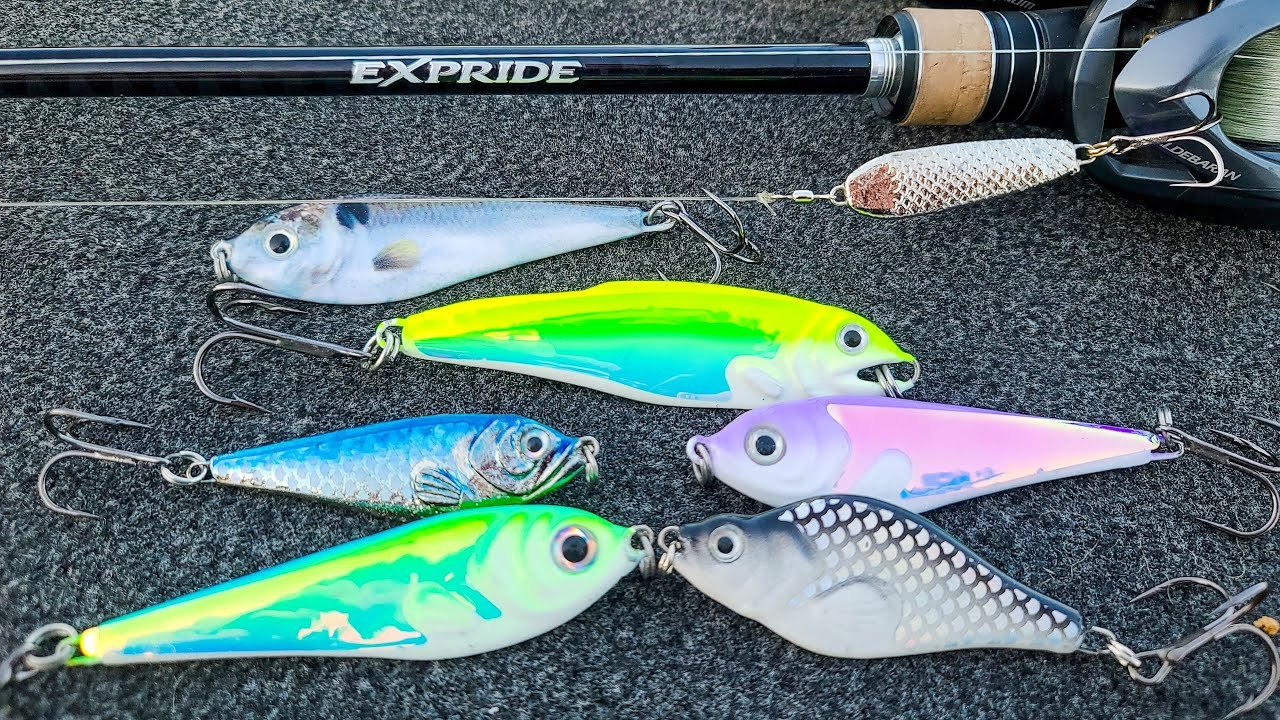
When fish are holding deep or suspended, a spoon is one of the best ways to get a reaction bite. The fluttering fall mimics a dying baitfish, and big predators have a hard time ignoring it.
Drop it down and let it sink, then snap it up and let it flutter back down. If fish are following but not committing, vary the retrieve until you find what works. Walleye, trout, and even lake bass can’t resist a well-worked spoon when they’re holding deep.
Gulp! Baits
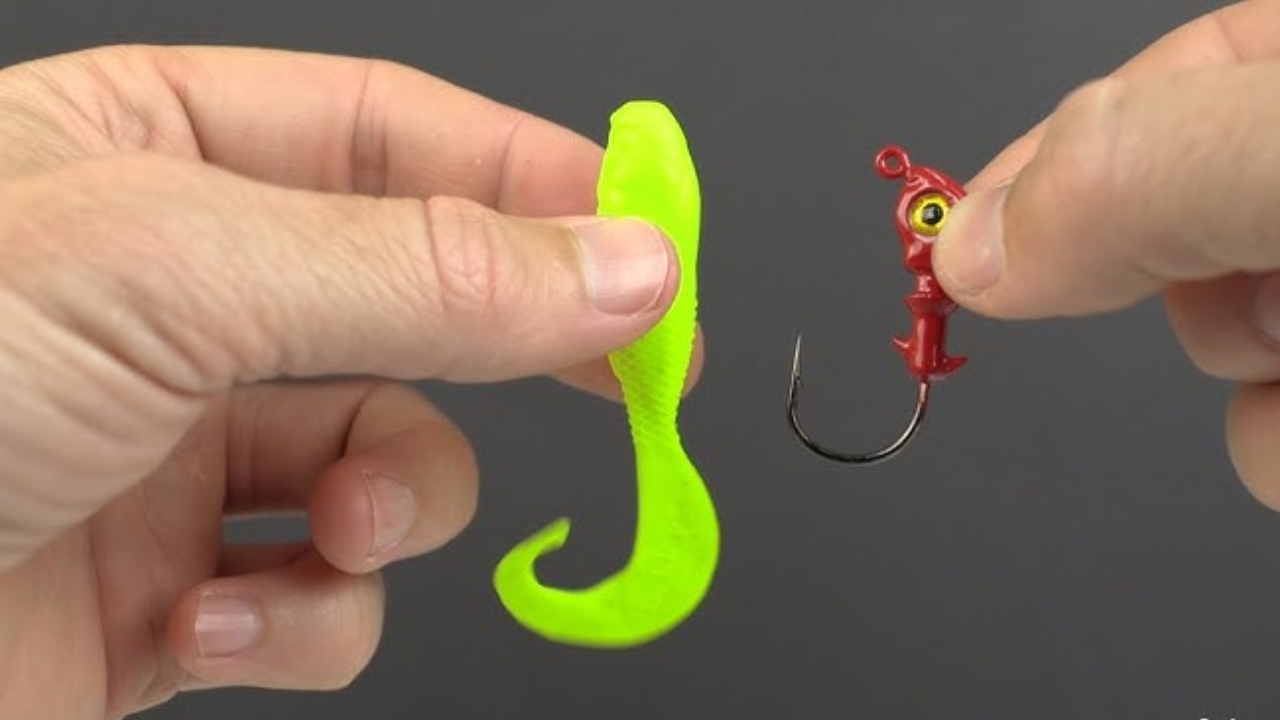
When live bait isn’t an option, Berkley Gulp! baits are the next best thing. They release scent into the water, making them more effective than traditional soft plastics.
Use them on a jighead, under a float, or even on a drop shot rig. They work for everything from saltwater species to freshwater panfish, and when fish refuse traditional lures, these can be the difference between getting skunked and bringing home dinner.
*This article was created with the assistance of AI.