Photo credit: K_E_N/Shutterstock.com
When you’re out in the field, you count on your gear to hold up. But anyone who’s hunted long enough knows that some items have a bad habit of failing right when you need them most. It’s not always about buying cheap—sometimes it’s wear, weather, or plain bad luck. Knowing what’s prone to giving out can save you a lot of headaches and maybe even your hunt. Here’s what to keep an eye on before you head out.
Rifle Scope Mounts

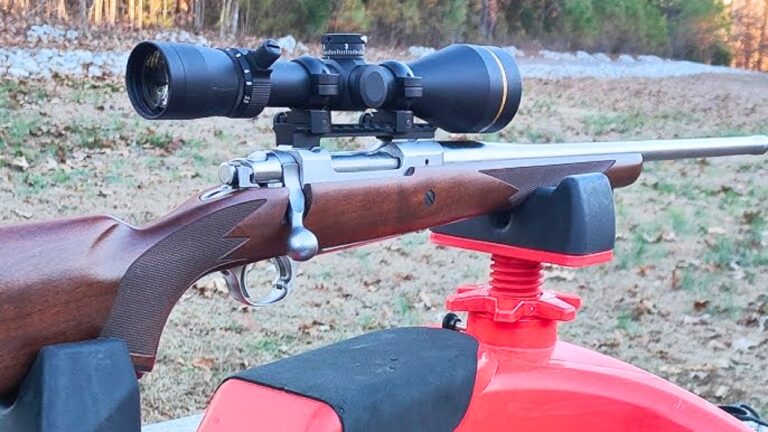
A good scope doesn’t mean much if your mounts can’t handle a little abuse. Over time, screws can work loose, or cheaper mounts can bend after a knock in the truck or on a hike in. That slight shift is all it takes to throw your zero off, and you may not even notice until the shot counts. Check them before the season and carry the right tool to snug them up in the field.
Backpack Straps

Your pack takes a beating every trip, and those straps are usually the first thing to give. Stitching can fray, buckles can snap, and once one side fails, hauling meat or heavy gear becomes a real problem. It’s not just inconvenient—it can cut a hunt short. Look for reinforced stitching, inspect your pack before each trip, and keep a spare strap or carabiner in case something gives way mid-hike.
Rangefinder Batteries
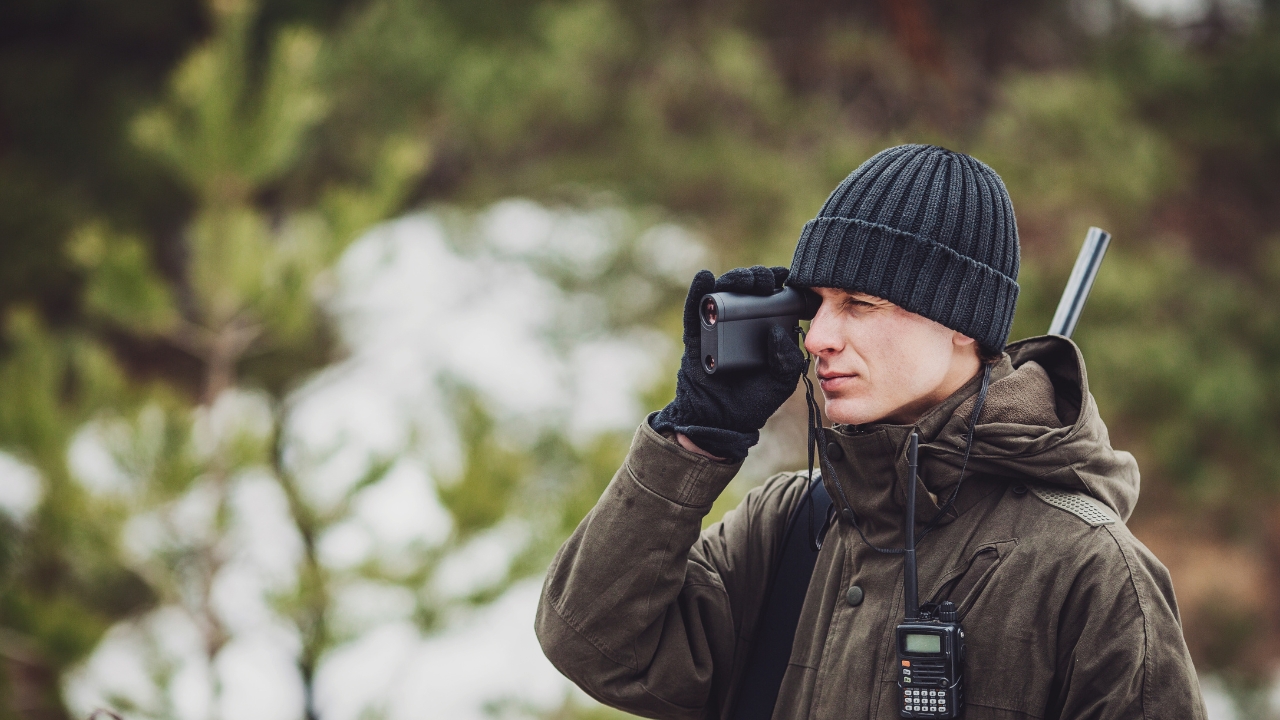
Rangefinders are compact and dependable—until that battery dies when you’re lining up a shot. Cold weather can drain them fast, and if you forget to replace one before the season, you’re asking for trouble. Keep a fresh battery installed, but also stash a backup in a waterproof bag in your pocket. That little bit of preparation can keep you from guessing on distances and missing an opportunity.
Release Aids for Bows

If you bowhunt, a release aid failure can ruin a hunt in seconds. Springs can weaken, jaws can stick, or the strap can tear if it’s been worn thin. These problems usually show up after years of use, but they can hit at the worst time—when you’ve finally got a broadside shot. Inspect your release regularly, keep a spare in your pack, and replace any worn parts before the season.
Hunting Boots
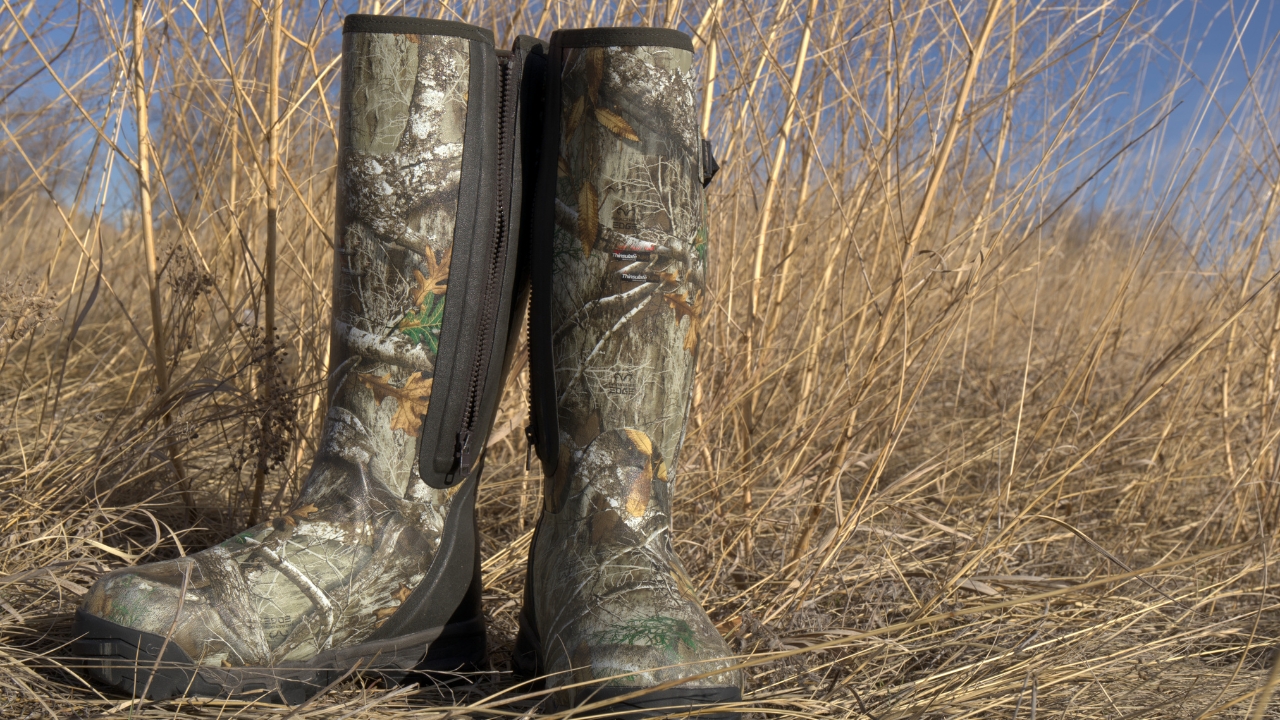
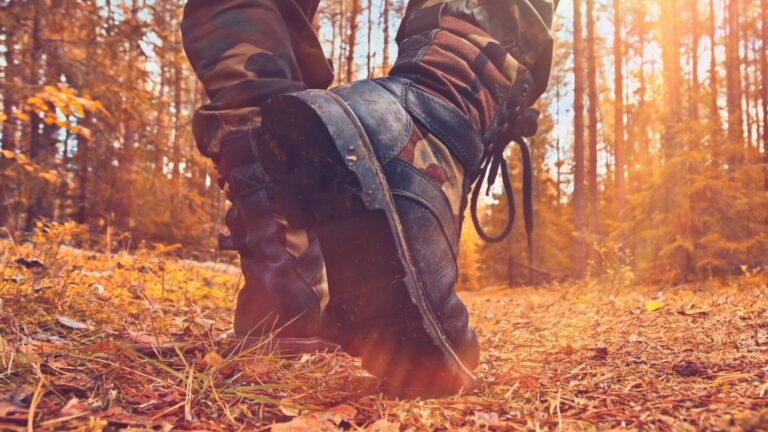
When boots fail, they fail hard. A sole separating or a seam blowing out can end a hunt faster than anything else. Wet feet in cold conditions aren’t just uncomfortable—they can be dangerous. Even high-end boots can wear out faster if you’re hunting rough terrain or pushing through swamps. Always break in a backup pair, treat leather or fabric with waterproofing, and check for weak points before heading out.
Headlamps
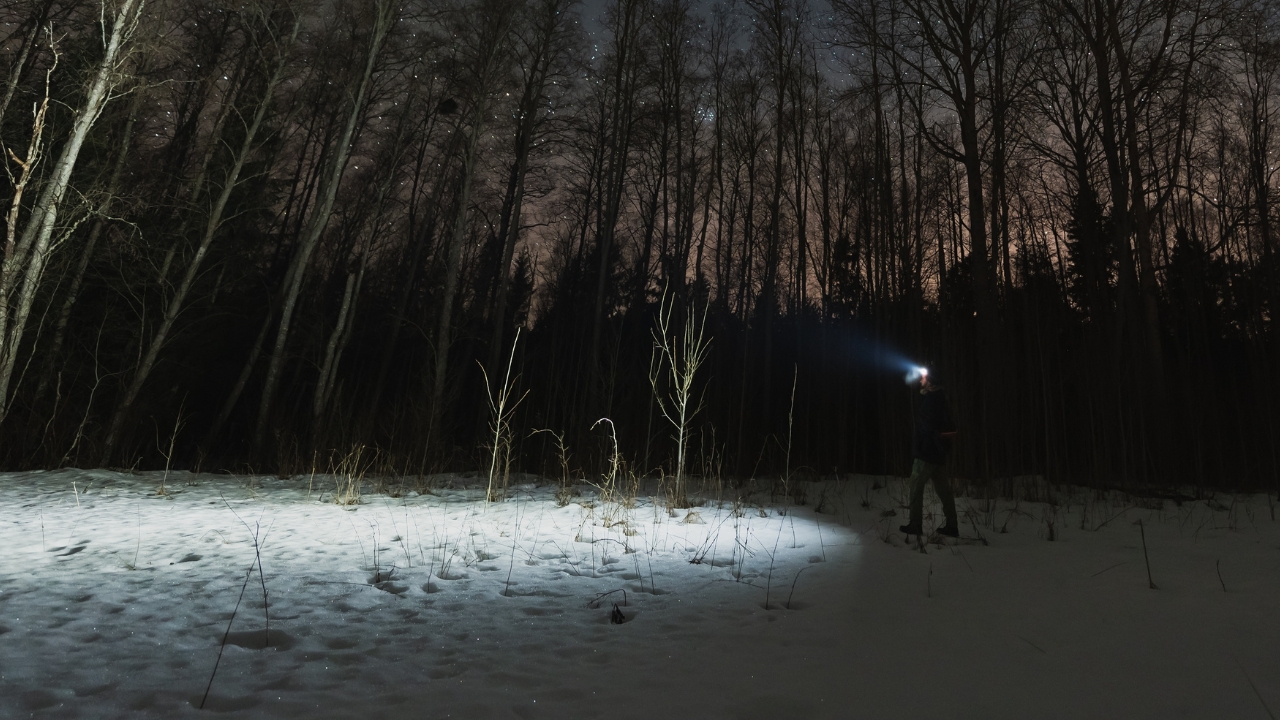
A headlamp isn’t something you think about until it quits—usually on the hike out after dark. Switches can corrode, bulbs can die, and batteries don’t last forever. In cold or wet weather, these problems show up more often. Always carry a spare light source, and don’t assume last season’s batteries will get you through this one. A dead headlamp in rough country is a mistake you only make once.
Shooting Sticks
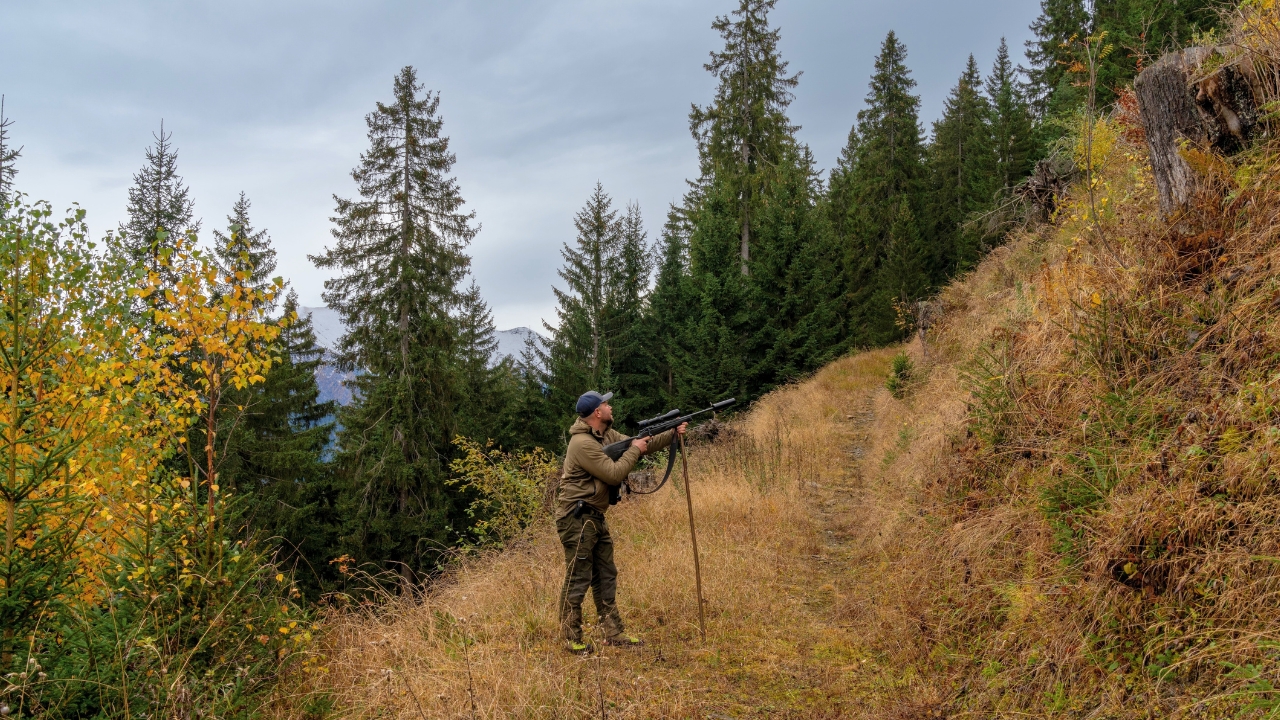
They seem indestructible until a joint cracks, a leg bends, or the locking mechanism refuses to hold. Shooting sticks take a lot of abuse when you’re moving through brush or setting up quickly on uneven ground. If they fail in the moment, your steady shot is gone. Check them for wear before every hunt, keep them clean, and don’t be afraid to invest in a model that can handle hard use.
*This article was developed with AI-powered tools and has been carefully reviewed by our editors.