Photo credit: Visualspace/istock.com
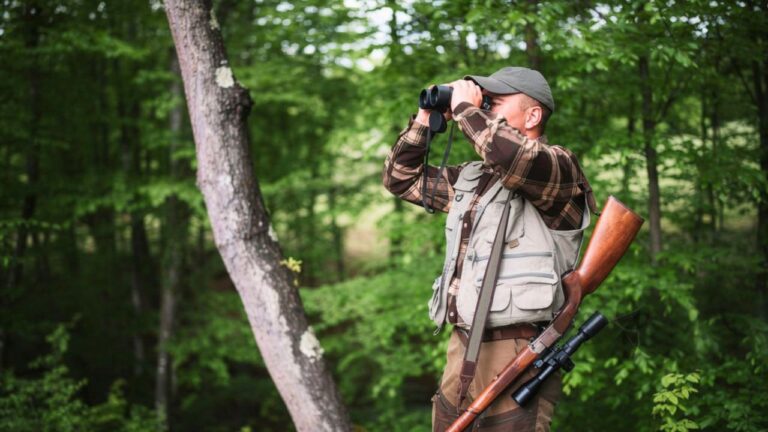
There was a time when a heavy rifle almost felt like proof you were serious. A lot of hunters grew up thinking weight meant stability, better recoil control, and more confidence when the shot finally came. On a bench, that still holds up in a lot of cases. A heavier rifle can settle down nicely, track well, and make a guy feel like he is shooting something substantial. The problem is that most hunts are not happening from a clean bench with sandbags and a short walk from the truck. They happen on ridges, in creek bottoms, through cutovers, up steep draws, and across ground that seems a whole lot bigger on the way out than it did on the map. That is why more hunters have started backing away from heavy, do-everything rifles and looking hard at lighter mountain-style setups that are easier to carry, faster to handle, and a lot less miserable after a full day in the field.
Carry weight matters more than most hunters admit
A rifle never feels all that heavy when you pick it up in a gun shop for thirty seconds. It feels different after you have been climbing, side-hilling, crawling under fences, dragging through brush, and carrying that same rifle for hours with a pack cutting into your shoulders. That is where a lot of hunters finally start telling the truth about what they actually enjoy carrying. A rifle that tips the scales once you add a bigger scope, steel rings, a loaded magazine, and maybe a bipod can wear on you faster than you think. It is not just physical fatigue either. The heavier the setup gets, the more likely it is to stay slung longer, come up slower, and feel like one more piece of gear you are managing instead of using. Lighter rifles have gained traction because hunters are realizing they would rather carry something that disappears a little on the shoulder than something that shoots great off a bench but makes every mile feel longer than it ought to.
Today’s lighter rifles are not the compromise they used to be
Years ago, a lot of lightweight rifles earned a bad reputation because they felt whippy, kicked harder than expected, and did not always inspire confidence once you stretched distance or started shooting from awkward field positions. Some of that criticism was fair. A very light rifle can still be harder to settle, and bad stock design can make recoil feel sharp in a hurry. But the category has come a long way. Better stock shapes, improved recoil pads, smarter barrel contours, and stronger lightweight materials have changed the conversation. A good mountain-style rifle today does not automatically mean some skinny little punishment stick that is miserable to sight in and worse to shoot from prone. In many cases, it means a well-balanced rifle that carries easily and still gives up very little where it matters for real hunting. Most guys are not firing long shot strings in the field. They are taking one cold-bore shot, maybe two. For that job, a lighter, well-built rifle often makes a lot more sense than the old idea that extra pounds are always a smart trade.
Hunting styles have changed, and rifles are changing with them
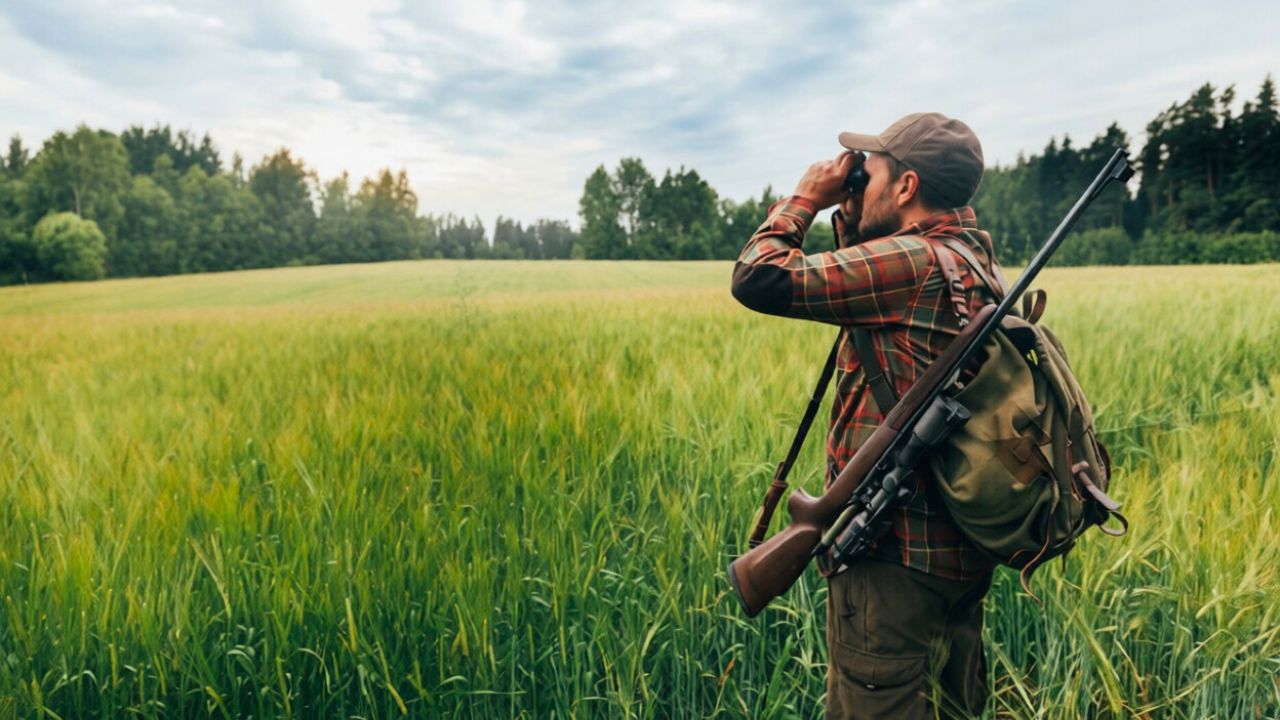
Part of this shift comes from the way people hunt now. More hunters are walking farther, covering more ground, scouting with purpose, and treating mobility like a real advantage instead of something they only think about after daylight. E-scouting has made it easier to find overlooked access, backdoor routes, and pockets of terrain that keep you away from crowds, but that also means more boots-on-the-ground effort. A rifle that feels fine for one sit near a field edge is not the same thing as a rifle you want on your shoulder during an all-day push through public ground or steep country. Even on private land, guys are moving more, glassing more, and trying to stay flexible instead of locking into one heavy setup and one safe spot. The mountain-rifle trend is really tied to that broader change. Hunters are building their gear around movement, and a lighter rifle fits that style naturally. Once somebody carries a balanced six-and-a-half- or seven-pound rifle for a full day and then goes back to a heavy rig, the difference gets real obvious.
The tradeoffs are real, but most hunters can live with them
None of this means a lighter rifle is perfect for everybody. The tradeoffs are still there, and pretending otherwise is how people end up disappointed. Light rifles usually recoil more, especially in harder-hitting chamberings. They can be less forgiving from the bench, and they may not feel as steady to shooters who rely on mass to settle the gun down. That matters, especially for newer hunters or anybody who already struggles with recoil anticipation. But a lot of experienced hunters are deciding those downsides are manageable if the rifle fits right and the caliber choice makes sense. That is another part of this trend people miss. Going lighter often pushes hunters to think smarter, not just lighter. They start pairing those rifles with cartridges they can actually shoot well instead of automatically reaching for something bigger and harder-kicking than the hunt requires. When that happens, the whole setup starts working together better. The rifle is easier to carry, easier to mount fast, and easier to live with through a long season, and that matters more than bragging rights about how much steel you packed into the woods.
Lighter setup does not mean sloppy setup
One mistake guys make is assuming a lightweight rifle gives them a free pass to be lazy with the rest of the build. That is where good ideas turn bad fast. A light rifle with a bulky scope, heavy rings, a cheap bipod, and a bunch of junk hanging off it can end up defeating the whole point. Hunters who are really buying into this style tend to get more disciplined about the full package. They pay attention to optic size, mounting hardware, sling comfort, and overall balance instead of just chasing a bare-rifle number from a catalog. They also spend more time practicing from realistic positions, because a light rifle will show you the truth in a hurry if your fundamentals are sloppy. You cannot fake steadiness with a setup like that for long. In a way, that is part of the appeal. A lighter mountain-style rifle asks a little more from the shooter, but it also rewards smart decisions and honest practice. For hunters who care about being effective instead of just looking geared up, that is a trade worth making.
A lot of hunters are not ditching heavy rifles because heavy rifles suddenly stopped working. They are ditching them because the kind of hunting they actually do has made them more honest about what they want to carry. They want rifles that handle better in real terrain, punish them less over long miles, and make it easier to stay mobile when plans change. That does not mean the old heavier setups are dead. There is still a place for them, especially for stand hunting, range work, and hunters who truly shoot better with more weight out front. But the rise of lighter mountain-style rifles says something important about where hunting gear is headed. More people are building around real use instead of old assumptions, and once that switch flips, it is hard to ignore. A rifle can shoot tiny groups on paper and still be the wrong companion for the hunt. A lot of guys have figured that out the hard way, and that is exactly why the lighter setups keep winning ground.
Like The Avid Outdoorsman’s content? Subscribe to our newsletter so you never miss an article.
Here’s more from us: