Photo credit: plowboysghost/YouTube
There is nothing wrong with liking revolvers. Some of them are still useful, some are genuinely satisfying to shoot, and a few still make solid sense in the right role. But there is also a certain kind of revolver praise that has less to do with what the gun does today and more to do with what the owner refuses to let go of. The revolver becomes a personality, a memory, or a protest against the modern world, and that makes honest comparison a lot harder.
That is where these wheelguns live. They are the ones people keep talking up like time somehow stopped for them. Some are classics. Some are interesting. A few are still worth owning. But they also attract buyers and defenders who seem more committed to not moving on than to admitting what the guns actually ask of them now. These are the wheelguns people keep praising because the idea of them still feels better than the truth of them.
Colt Python
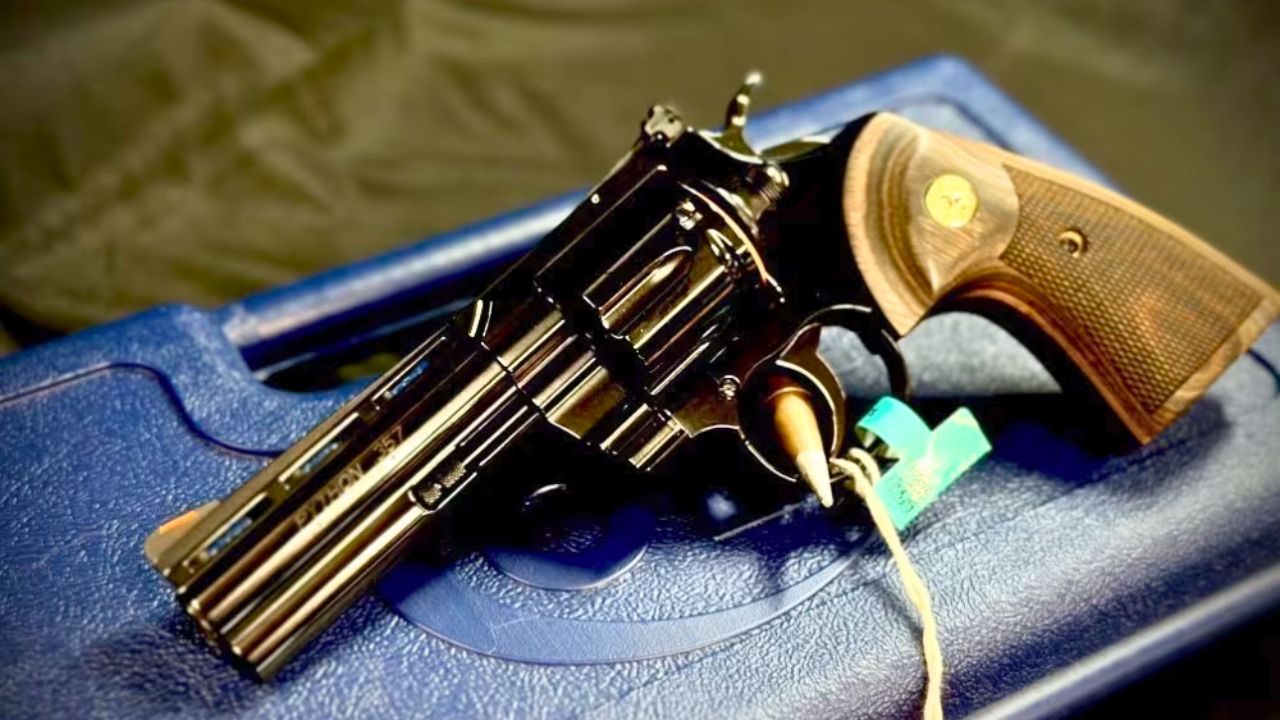
The Colt Python still gets praised like it is the final answer to every revolver conversation, and a lot of that praise comes from people who are more attached to the name than to the day-to-day reality of owning one. They love the polish, the mystique, and the sense that admiring a Python proves they understand quality at a higher level than ordinary shooters. That feeling is doing a lot of the work.
The problem is that the praise often drifts far beyond practical reality. Plenty of owners are talking about a legend more than they are talking about a revolver they actually shoot hard, carry, or trust in any normal role. It is a beautiful gun with real history, but the people still speaking about it like it automatically towers over everything else often sound less like careful shooters and more like guys who never really moved on from the old fantasy.
Smith & Wesson Model 29

The Model 29 still gets hyped like raw .44 Magnum presence settles every argument. Buyers and fans talk about it with that old Dirty Harry glow still hanging over the whole conversation, as if owning a big N-frame automatically puts a person into a more serious category of handgun appreciation. A lot of that praise is cultural memory dressed up as practical judgment.
In truth, a big .44 revolver asks the owner to tolerate a lot. Weight, recoil, slower reloads, and a fairly narrow lane of real usefulness all come with the package. People keep praising the Model 29 so heavily because they are attached to what it represents. It is less about the revolver still being the smartest answer and more about the owner not wanting to admit that the appeal now lives mostly in the aura.
Ruger Vaquero

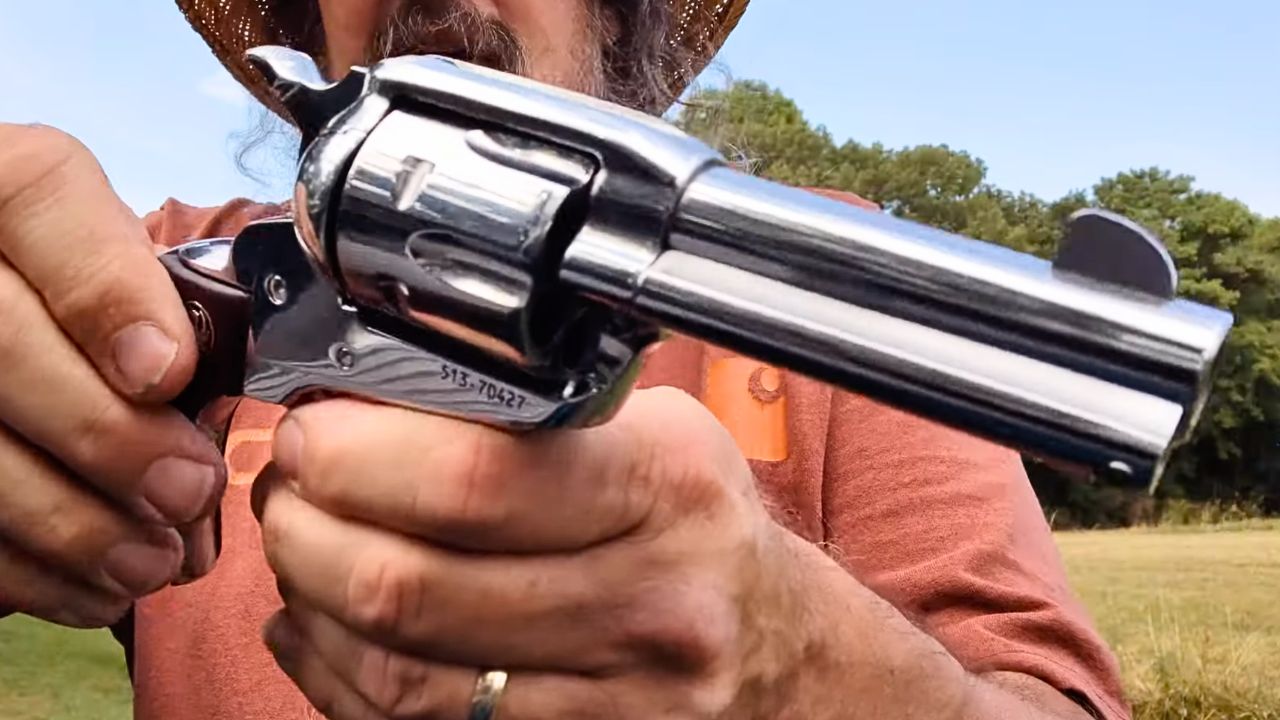
The Vaquero gets praised like it is still some pure expression of what handguns ought to be, and that tells you a lot about the crowd defending it. These are buyers who love the old-west mood, the loading gate ritual, and the whole slower, more deliberate shooting identity that comes with a single-action revolver. None of that is fake. It is also not especially modern or broadly practical.
That is the point. The people praising it hardest usually are not comparing it honestly to what else is available for actual use. They are defending a feeling. The Vaquero still has charm, but charm does a lot more work here than practicality. The louder the owner talks about how much better the old way is, the more likely it is he simply never moved on from wanting his handgun to feel like a costume piece with authority.
Smith & Wesson Model 36

The Model 36 keeps getting praised like it remains the gold-standard small carry revolver, and a lot of that praise sounds frozen in time. People love the little Chief’s Special because it feels classic, respectable, and tied to an era when a snub-nose in a coat pocket meant something very specific. That old respect still carries a lot of emotional weight.
But a lot of the people defending it are not really talking about how it stacks up in modern carry life. They are talking about what it used to symbolize. Five rounds, revolver reload speed, tiny grip, and all the usual snub-nose headaches do not disappear because the gun has nice old-school credentials. The praise stays loud because many owners are still clinging to what the little J-frame meant, not what it actually offers now.
Colt Detective Special

The Detective Special gets talked about like it still represents the most sensible kind of carry revolver, and that is usually nostalgia with a trench coat on. Buyers love the old detective-gun vibe, the Colt name, and the idea that carrying one marks them as a little more thoughtful and traditional than the average concealed-carry crowd.
That can all be true and still not make the gun some timeless practical masterpiece. A lot of people praise it because they do not want to let go of the era it evokes. The revolver becomes a badge of old-school seriousness rather than a tool being judged on current terms. Once you see that, the whole conversation starts sounding less like careful analysis and more like emotional refusal to move on.
Ruger GP100

The GP100 deserves some respect, but it also gets praised by a lot of revolver devotees as if it proves the whole wheelgun concept never needed to evolve or compromise. They point to the strength, the durability, and the weight like those things still settle every handgun question worth asking. That is a very revolver-guy way of arguing.
What gets skipped is how much that kind of gun asks from the owner in exchange for the old-school confidence. Bulk, slower reloads, and role limitations still exist. The GP100 is not the issue by itself. The issue is the crowd using it as proof that modern handgun preferences are all superficial. That usually sounds less like balanced judgment and more like people who never got comfortable admitting that the world moved on for a reason.
Smith & Wesson Model 19

The Model 19 still gets spoken about in almost reverent tones by people who are deeply invested in the idea that the fighting revolver reached its peak decades ago. They love the balance, the looks, and the way a K-frame .357 makes them feel like they appreciate handguns at a more mature level than the average striker-fired buyer.
That affection is real, but so is the tendency to overstate the gun’s modern practicality. The Model 19 often gets praised as if time stopped right around the moment revolver guys felt most at home. It is still a fine revolver. The problem is that many of its biggest defenders are not really evaluating it against current reality. They are keeping an old argument alive because they have not moved on from needing revolvers to still feel central.
Colt Anaconda

The Anaconda gets praised by a lot of buyers who still think “bigger and rarer” automatically means better. It carries Python-adjacent prestige, magnum swagger, and enough Colt name energy to make people talk about it like it sits above ordinary revolver logic. That is exactly why it attracts so much old-guard loyalty.
In practice, a giant .44 Magnum revolver still comes with all the same obvious inconveniences giant .44 Magnum revolvers always come with. But the owners talking loudest are usually invested in what the gun says about them. It says power, taste, and refusal to care what modern buyers think. That is a lot of social and emotional payoff built around a revolver many people keep praising because they do not want to admit their standard for “worth it” stopped updating years ago.
Smith & Wesson Model 27

The Model 27 keeps getting praised like it is still the natural answer for anyone who really understands revolvers. The old-school finish, the big-frame authority, and the historic status make owners talk about it like they are preserving something more important than an old magnum wheelgun. That kind of praise is rarely only about the gun.
A lot of it is about identity. The owner wants to feel like the sort of person who knows what a real .357 should be. That is why the conversation around the Model 27 often has more reverence than practical honesty. Yes, it is a substantial, impressive revolver. It is also a revolver many people keep praising because they are attached to the old emotional hierarchy where big blued Smiths still sit at the top no matter what changed around them.
Ruger Single-Six

The Single-Six gets praised like it is the purest way to enjoy rimfire shooting, and that often comes from buyers who simply never let go of the romance around single-action revolvers. They love the deliberate loading process, the cowboy feel, and the old rhythm of it. For them, the inconvenience is not a flaw. It is part of the sermon.
That is fine until they start acting like everyone else should agree it is still the smartest rimfire handgun answer. It is not. It is a charming, slow, manual little experience that appeals mostly to people who never wanted to move on to something more efficient in the first place. The praise remains loud because the owners still like what the ritual says about them.
Taurus Judge
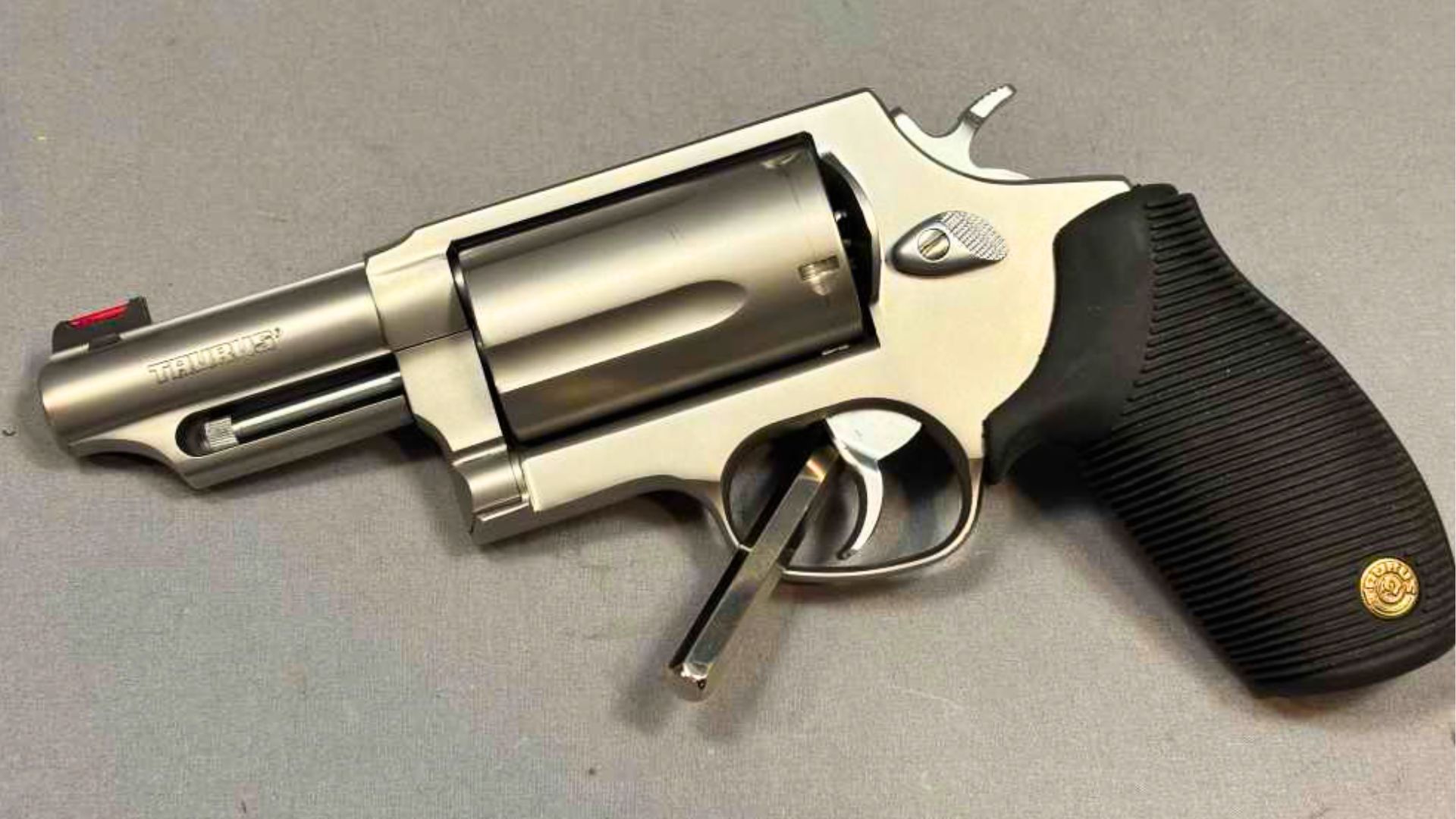
The Judge gets praised by a different kind of holdout, the guy who never moved on from loving weird handgun concepts more than hard practical use. He still talks about .410 shells and truck-gun versatility like those ideas should be enough to silence all criticism. That kind of praise survives because the concept sounds so useful in abstract conversation.
The actual gun, of course, remains bulky, compromised, and inconvenient in all the ways it has always been. But people keep praising it because they do not want to give up on the idea that they found something more clever than normal handguns. That is not modern, practical thinking. That is a buyer staying emotionally stuck on a gimmick because he likes how it made him feel when he first heard the pitch.
Colt Single Action Army

The Single Action Army still gets praised like it is the purest handgun expression of all, and that praise almost always comes from people who have no interest in moving on from what it represents. They are not defending convenience, capacity, speed, or broad utility. They are defending myth, continuity, and the feeling that old west hardware still deserves automatic reverence in the present tense.
There is nothing wrong with loving one. The trouble starts when the owner acts like the revolver’s historic weight should somehow exempt it from modern judgment. A lot of the loudest praise here is coming from people who simply do not want to move on from the romance of the thing. The gun is still iconic. That does not mean the use case stayed equally strong.
Smith & Wesson Model 66
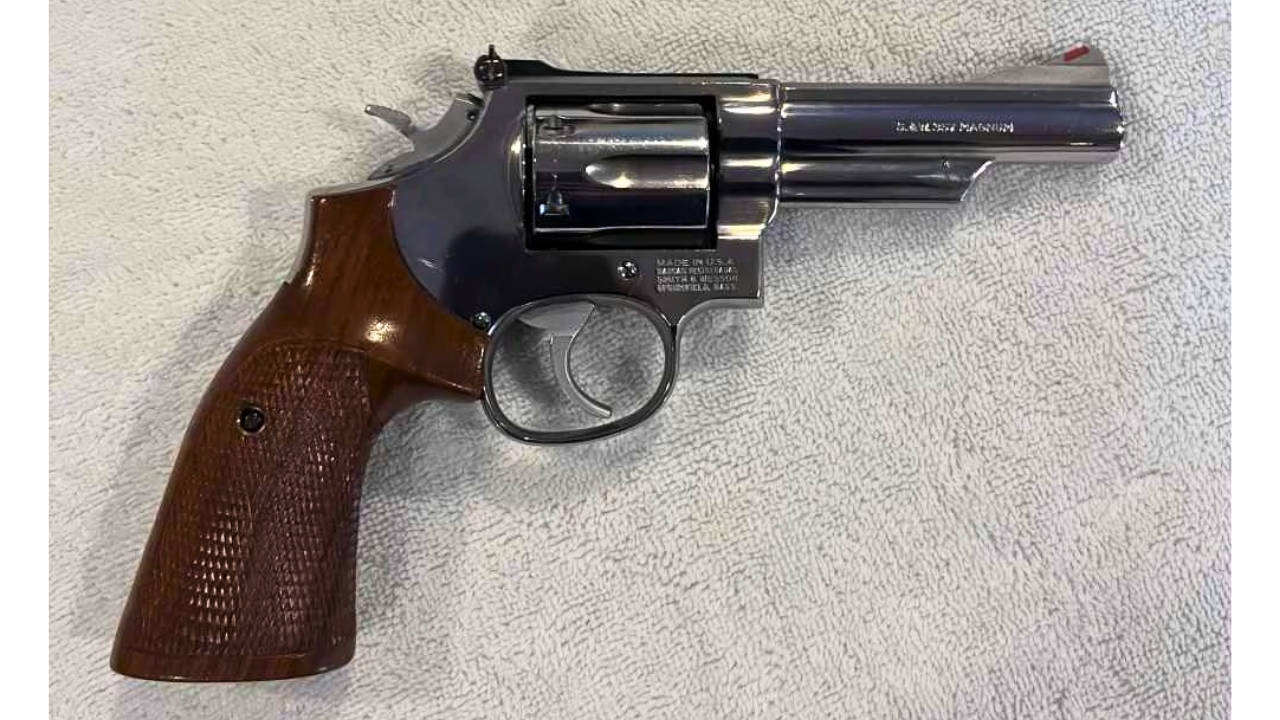
The Model 66 gets praised by plenty of revolver fans who still want to believe the medium-frame .357 is the elegant middle ground modern shooters somehow abandoned by mistake. They love the handling, the balance, and the old duty-gun credibility. It makes them feel like they are holding onto a better answer the market got too distracted to appreciate.
That confidence is often less about what the gun still does and more about what the owner still wants to be true. The revolver remains likable. But the people praising it hardest are often speaking from a place of attachment, not fresh comparison. They have not moved on from the era when a revolver like this felt like the center of the handgun universe, and that colors every compliment.
Ruger Super Redhawk

The Super Redhawk gets praised because some revolver buyers never stop wanting handguns to feel like overbuilt answers to giant imagined problems. It is huge, powerful, and deeply unconcerned with what most ordinary handgun users would consider convenient. That is exactly why certain owners love talking about it. It lets them plant a flag in the old “serious men carry serious revolvers” terrain.
The practical case gets weaker the more ordinary the owner’s actual life becomes. But the praise stays loud because the revolver still feeds the identity. It says he has not moved on to lighter, simpler, more efficient answers because he still wants his sidearm to feel like an event. That sort of approval loop is much stronger than real practicality here.
Kimber K6s

The K6s gets praised by a more polished version of the same holdout instinct. These are buyers who still want to believe the revolver remains a highly refined personal-defense answer and that all it needed was nicer packaging to prove it. The K6s gives them that feeling. It is sharp-looking, compact, and easy to describe as the modern revolver for people with taste.
But the same old revolver tradeoffs still come with it. Limited capacity, slow reloads, and the usual snub compromises do not vanish because the revolver wears nicer lines and better branding. The people praising it the hardest are often the people still emotionally committed to the idea that the revolver never really slipped from center stage. That is less about the gun itself and more about not moving on.
Like The Avid Outdoorsman’s content? Subscribe to our newsletter so you never miss an article.
Here’s more from us: