Photo credit: Tavarius/ShutterStock.com
Anyone who’s hunted long enough knows that not every round that cracks through the air brings down what it’s aimed at. Some cartridges make plenty of noise but leave you tracking wounded game—or worse, watching it run off. Usually, it’s not the shooter’s fault alone; it’s a combination of poor energy retention, light-for-caliber bullets, or velocity that bleeds off too fast.
A round can look good on paper but fail in the field when bone, distance, or thick hide come into play. The list below calls out cartridges that often hit loud and light—rounds that make an impression but not always a clean kill.
.17 HMR
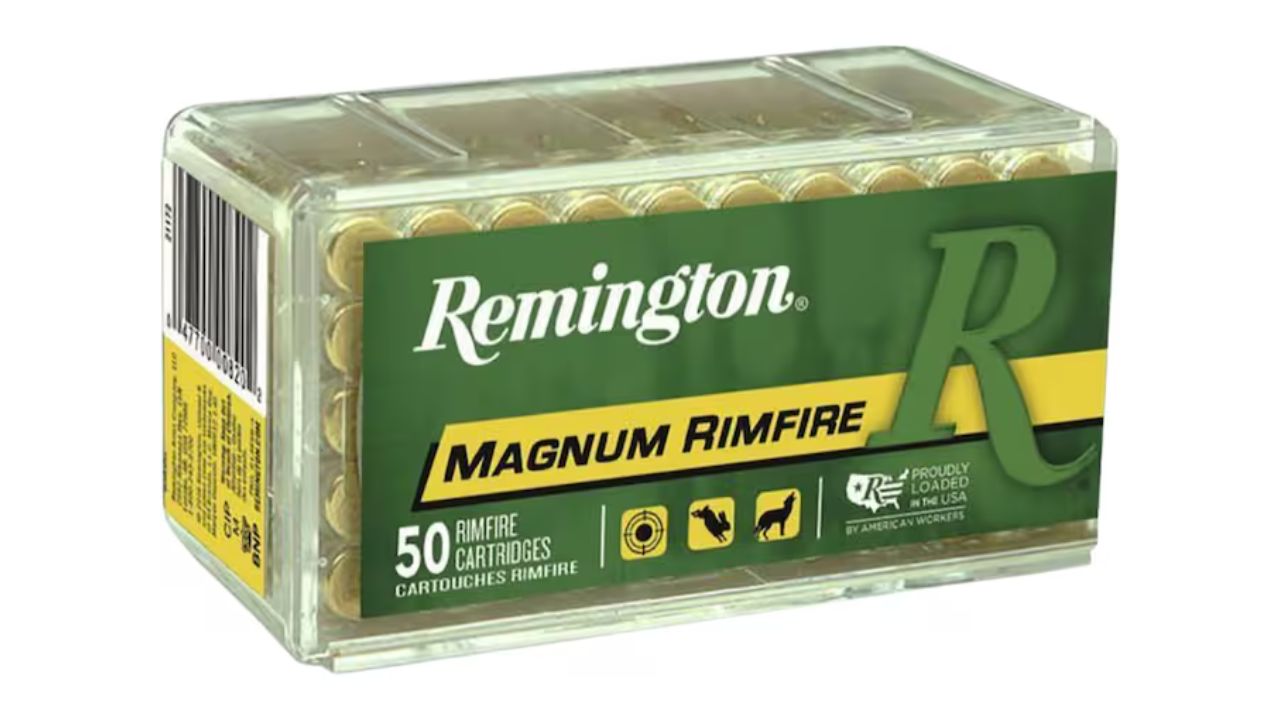
The .17 HMR is fun, accurate, and devastating on small varmints—but it’s a poor choice for anything larger than a rabbit. Hunters have been tempted by its flat trajectory, but the lightweight 17-grain bullet lacks the mass to penetrate deeply on tougher animals. A glancing hit on a coyote or raccoon often ends in a non-lethal wound and a long chase.
The round’s supersonic crack gives the illusion of serious punch, but energy drops fast past 100 yards. You can hit perfectly and still fail to anchor an animal. It’s an excellent tool within its lane, but it’s a mistake to stretch it beyond varmints. The .17 HMR teaches a tough truth: speed doesn’t equal killing power.
.22 Long Rifle
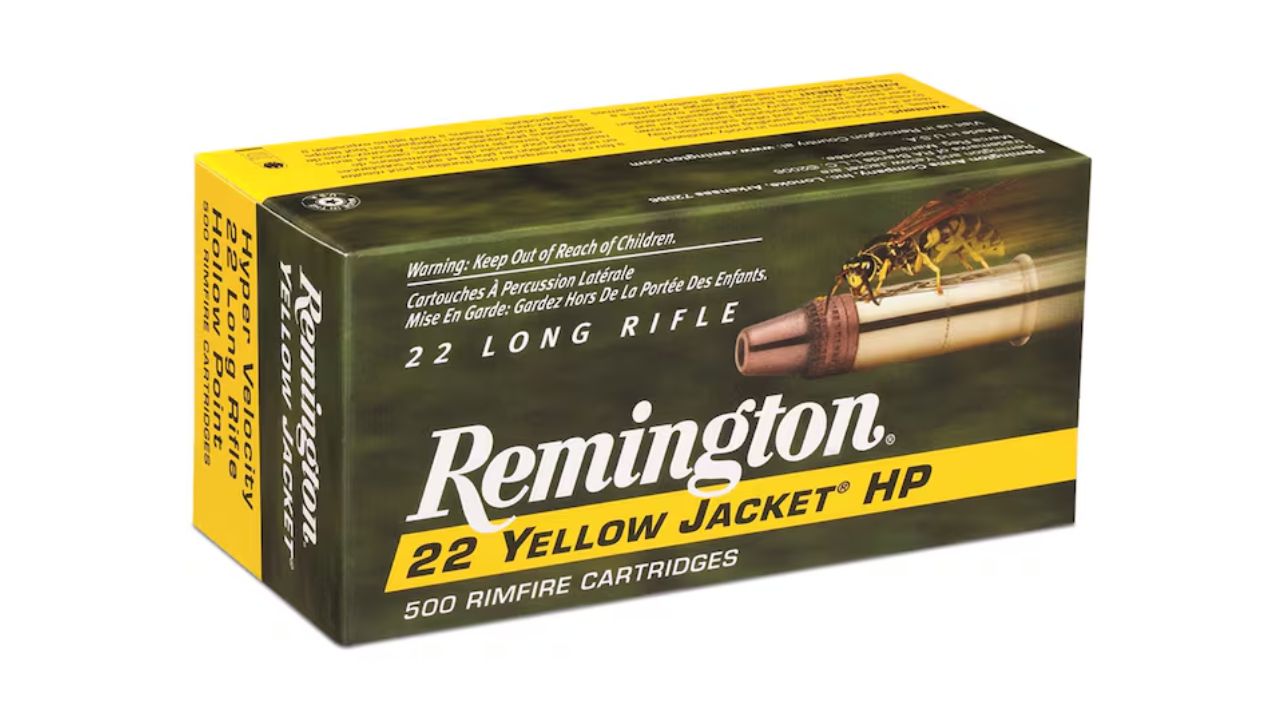
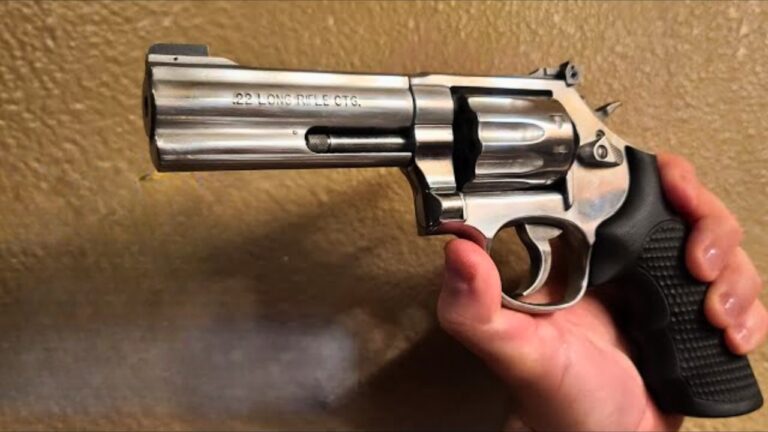
The .22 LR has taken more small game than nearly anything else, but that doesn’t make it a killer beyond its weight class. It’s underpowered for ethical shots on coyotes, feral hogs, or even raccoons at distance. A 36- to 40-grain bullet traveling around 1,200 fps simply doesn’t carry the energy to penetrate bone or reach vital organs reliably.
Plenty of people use it because it’s cheap and quiet, but it’s a poor idea for anything larger than squirrels or rabbits. Even at close range, shot placement must be perfect. Miss the brain or spine by an inch, and the animal runs off wounded. For practice or pest control, fine—but as a hunting round for bigger game, the .22 LR is more noise than knockdown.
.204 Ruger
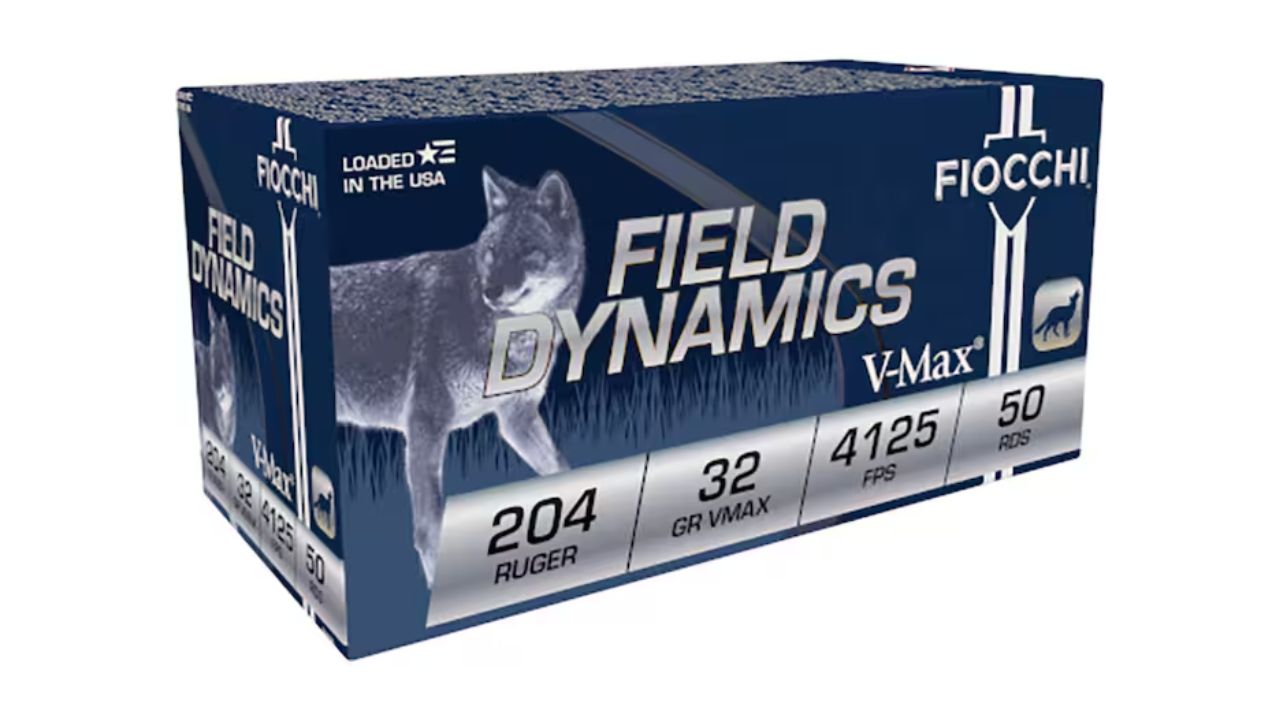
The .204 Ruger is fast—scary fast—but its small diameter limits terminal performance on anything bigger than prairie dogs. Traveling over 4,000 fps with lightweight bullets, it fragments violently on impact, often failing to penetrate deeply. On thin-skinned varmints, that’s ideal. On coyotes or hogs, it’s a recipe for runners.
Energy transfer happens too quickly, with explosive surface damage but no meaningful internal wound channel. Hunters drawn to its laser-like trajectory soon learn it can’t replace heavier .22-caliber rounds for reliable stops. It’s a specialized round meant for precision varmint work, not for fur or meat animals where penetration counts.
.223 Remington (with varmint loads)
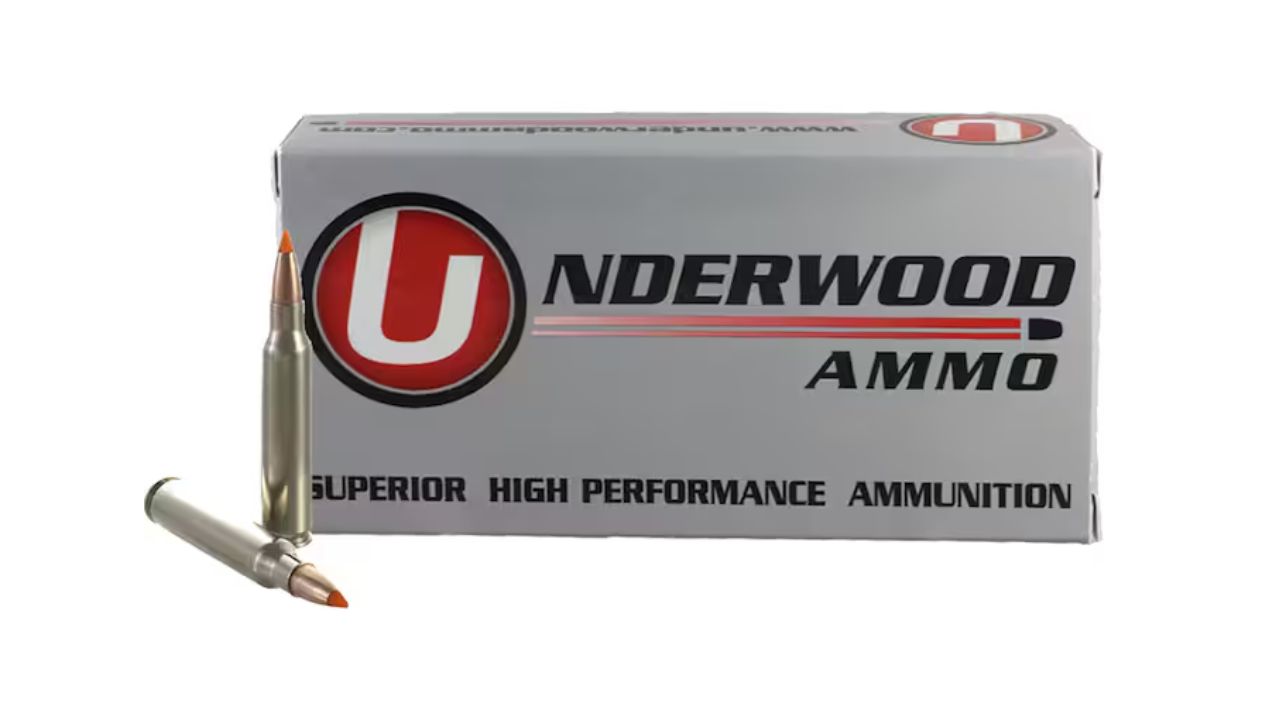
The .223 can kill efficiently with the right bullet, but most factory varmint loads aren’t built for penetration. Thin-jacketed 40- to 50-grain bullets explode on contact, causing massive surface trauma but poor vital damage on deer or hogs. That’s why so many hunters walk away frustrated—clean hits that don’t drop game.
Switching to a 62- or 70-grain bonded or partition-style bullet changes everything. But if you’re running those light varmint rounds and expect one-shot kills past 150 yards, you’ll end up tracking. The .223 is capable, but the wrong bullet selection turns it into a noise-maker with little follow-through.
5.7x28mm
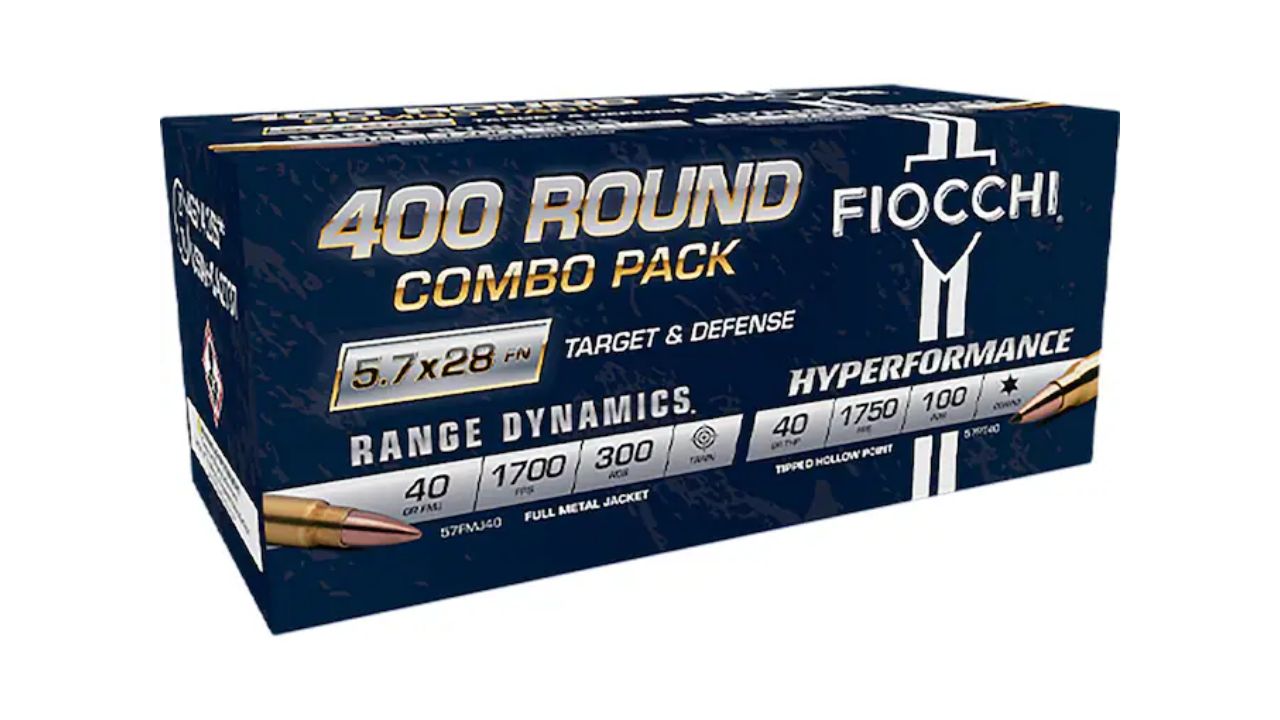
The 5.7x28mm looks cool on paper—high velocity, low recoil, and big magazine capacity. But its real-world terminal performance is disappointing outside of very specific uses. Designed for armor penetration, not hunting, it delivers minimal expansion and low energy on target.
Even at close range, small-diameter projectiles often zip through without significant disruption. Hunters who’ve tried it on varmints or predators report clean misses or runoffs after solid hits. It might sound impressive and look futuristic, but the 5.7 behaves more like a hot .22 than a legitimate hunting cartridge. Loud, flashy, and underwhelming on tissue—it’s not a killer’s round.
.30 Carbine

The .30 Carbine has a loyal following, especially among military history buffs, but it’s never been a powerhouse. Out of the M1 Carbine, it produces energy roughly comparable to a hot pistol round. That’s not much to anchor medium game or even aggressive varmints.
Bullets designed for soft targets often fail to expand properly, and penetration is inconsistent on thicker animals. Many hog and deer hunters have learned the hard way that the .30 Carbine is better for nostalgic plinking than reliable harvesting. It makes a respectable pop, but that pop rarely drops anything heavier than a fox.
.300 Blackout (subsonic loads)

Subsonic .300 Blackout is quiet and fun to suppress, but slow-moving bullets don’t carry enough energy for reliable kills unless you’re close and careful. At around 1,000 fps, most subsonic projectiles fail to expand, behaving like a heavy .45 ACP slug.
Hunters who try to stretch it past 75 yards often end up tracking wounded game. Supersonic loads transform the cartridge, but in subsonic form, it’s more “Hollywood cool” than effective. If your goal is stealth over stopping power, fine—but if you actually want to drop what you hit, stay away from subs for anything beyond varmints.
.25 ACP
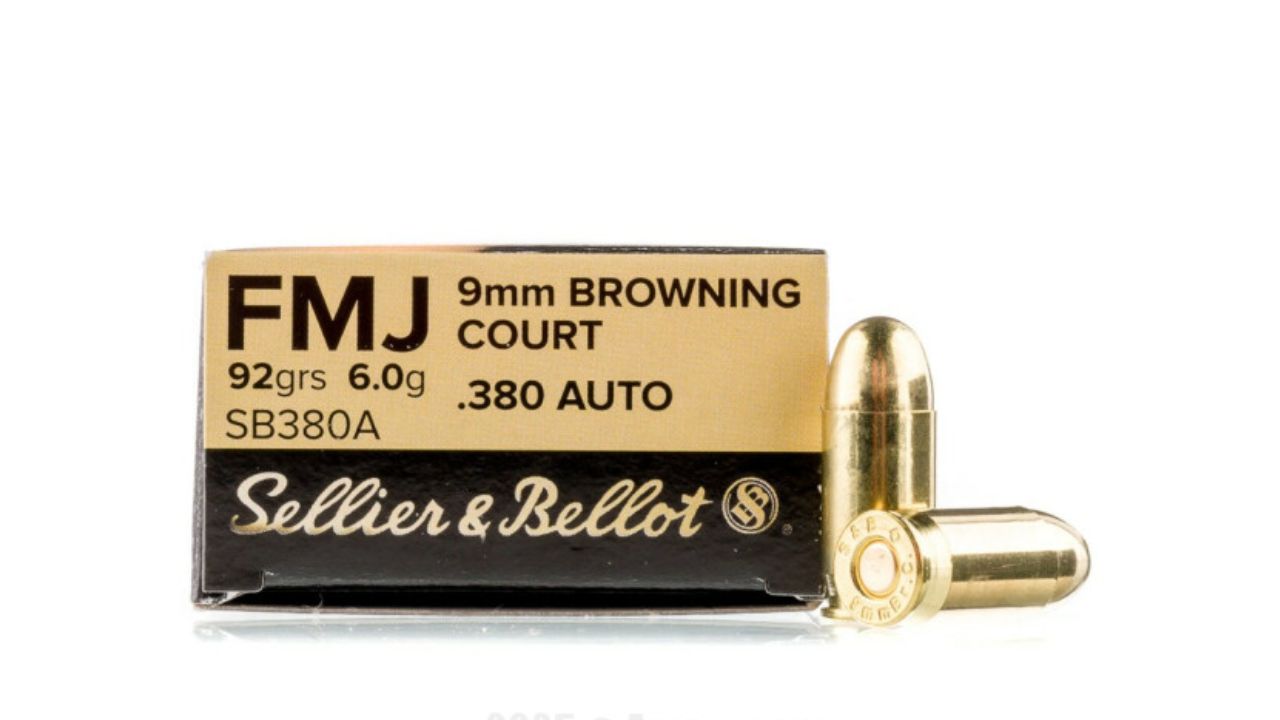
The .25 ACP exists mainly because it fits in tiny pistols. Out of a 2-inch barrel, it barely clears 1,000 fps with a 50-grain bullet, delivering less energy than most .22 LR loads. It can penetrate, but not enough to cause rapid incapacitation.
Plenty of old pocket pistols chambered for it have a reputation for being loud but ineffective. On animals or defensive use, it’s more psychological than physical. The round might make a lot of noise, but its real-world stopping power is almost nonexistent. Even precision hits don’t guarantee quick results.
.32 ACP
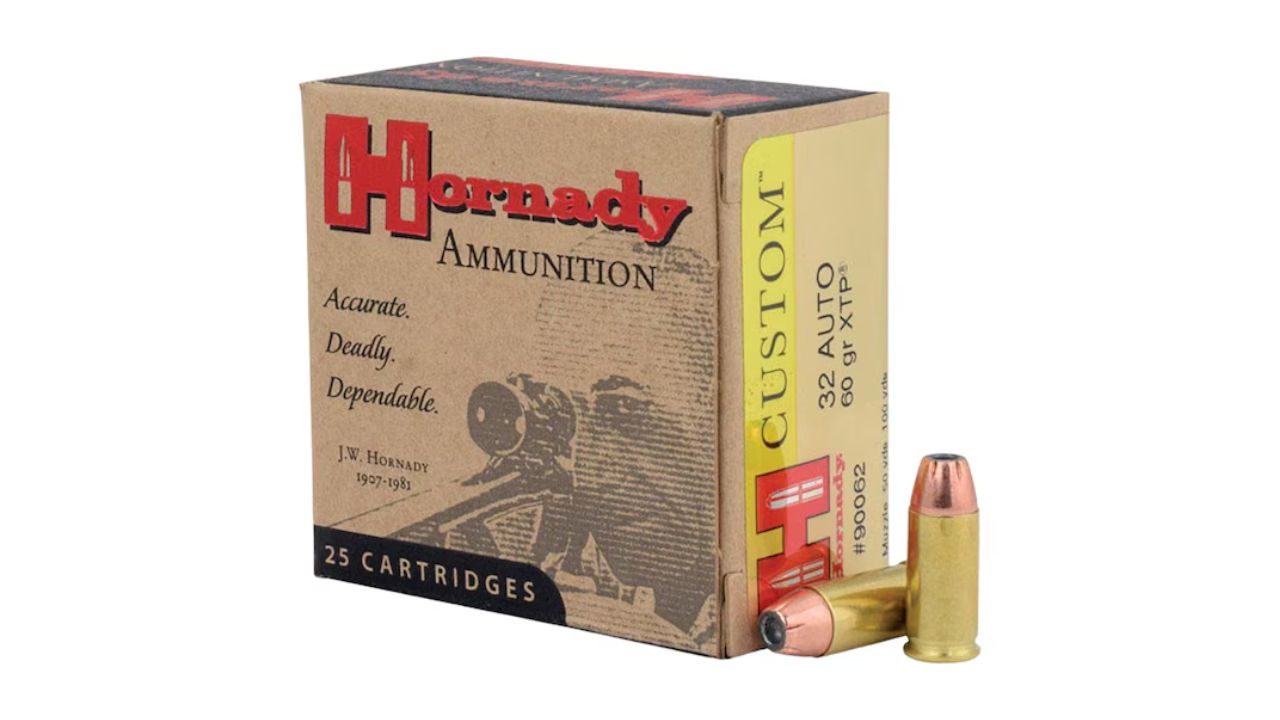
Another early semi-auto favorite, the .32 ACP earned fame in old European police guns but fails to impress by modern standards. Its energy sits below 200 foot-pounds, and expansion is limited unless you use the best modern ammo. Against anything thicker than soft tissue, it tends to underperform.
Many self-defense tests show the .32 ACP penetrating shallowly, failing to meet the FBI’s minimum standards. In hunting contexts, it’s ineffective on anything beyond small varmints. It’s a nostalgic round—pleasant to shoot, but too anemic for meaningful impact.
.38 Special (standard pressure loads)

The .38 Special isn’t weak overall, but standard-pressure loads out of snub-nose revolvers can disappoint. With short barrels, velocity drops so much that hollow points often fail to expand. That means you’re launching a soft .357-inch chunk that pokes holes without doing real internal damage.
Heavier +P loads fix this, but many shooters still carry mild target ammo for comfort or control. In defensive or hunting use, that’s a mistake. You get a big bang and little to show for it. The .38’s reputation suffers because people pair it with the wrong loads, not because the caliber can’t perform.
7.62x39mm (with steel-core or surplus FMJ)
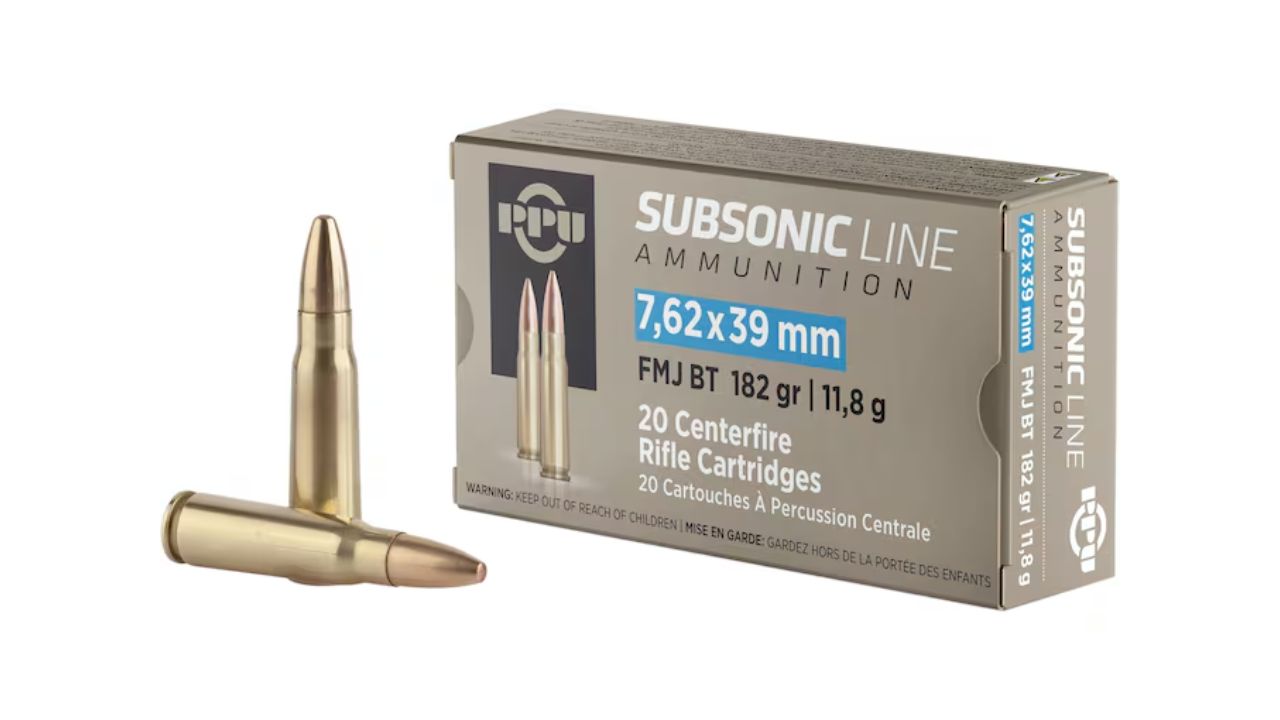
The AK round can kill effectively—but not with the cheap steel-core or surplus full metal jacket ammo most people shoot. Those bullets zip through game with minimal expansion, leaving narrow wound channels that bleed poorly.
Hunters using surplus rounds often watch deer or hogs run far after “perfect” shots. Swap to a soft-point or ballistic tip, and it becomes a different story. But if you’re feeding it bargain-bin steel ammo, expect noise, dust, and a long tracking job. FMJ 7.62x39mm rounds are built for penetration, not clean kills—and the difference shows every time.
Like The Avid Outdoorsman’s content? Be sure to follow us.
Here’s more from us:
The worst deer rifles money can buy
Sidearms That Belong in the Safe — Not Your Belt
*This article was developed with AI-powered tools and has been carefully reviewed by our editors.