Photo credit: WHO_TEE_WHO/YouTube
A caliber can stay famous long after the world around it changes. That happens a lot in shooting. A round may have made perfect sense when rifle designs were different, ammo choices were narrower, and hunters or shooters had fewer realistic alternatives. Then time moves on. Better bullet construction shows up, newer cartridges fill the same role more efficiently, and the old favorite starts surviving more on habit, nostalgia, or name recognition than on clear practical advantage.
That does not mean these calibers are worthless. Most of them still work. The point is that usefulness is not fixed forever. A round that once felt like the obvious answer can become harder to justify once you compare recoil, cost, trajectory, availability, platform choices, and what people actually need today. Some old standbys still hold their ground very well. Others have started losing practical value, even if they remain popular in conversation.
.40 S&W
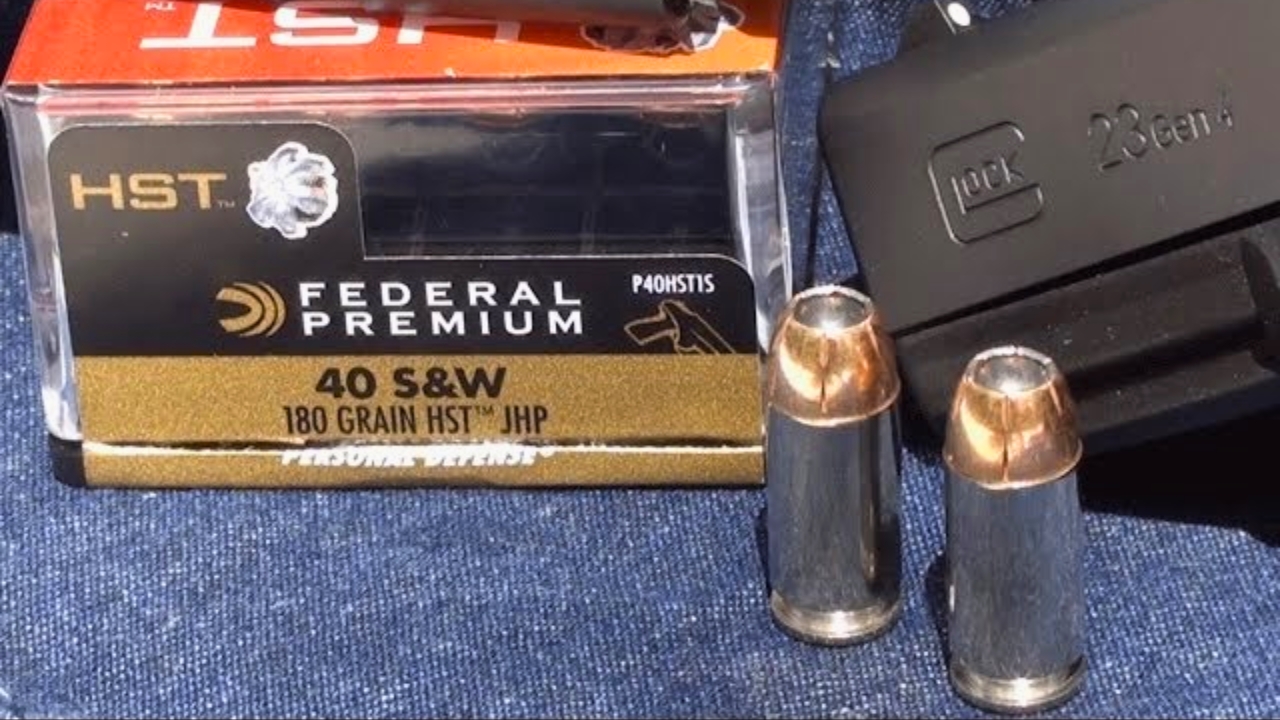
The .40 S&W is less useful than it used to be because the reason for its popularity has weakened. It rose when people wanted more perceived authority than 9mm and more capacity than .45 ACP. At the time, that seemed like a smart middle ground. Today, with better 9mm defensive loads and an enormous range of proven carry pistols built around 9mm, the old argument for .40 does not land as hard.
It is not that .40 stopped working. It is that it often asks for more recoil, more wear, and less capacity without giving back enough practical advantage for most shooters. For law enforcement agencies and private carriers alike, the modern 9mm has eaten away a lot of the reason .40 ever felt necessary. That leaves .40 in a tougher spot than it once occupied.
.300 Winchester Short Magnum
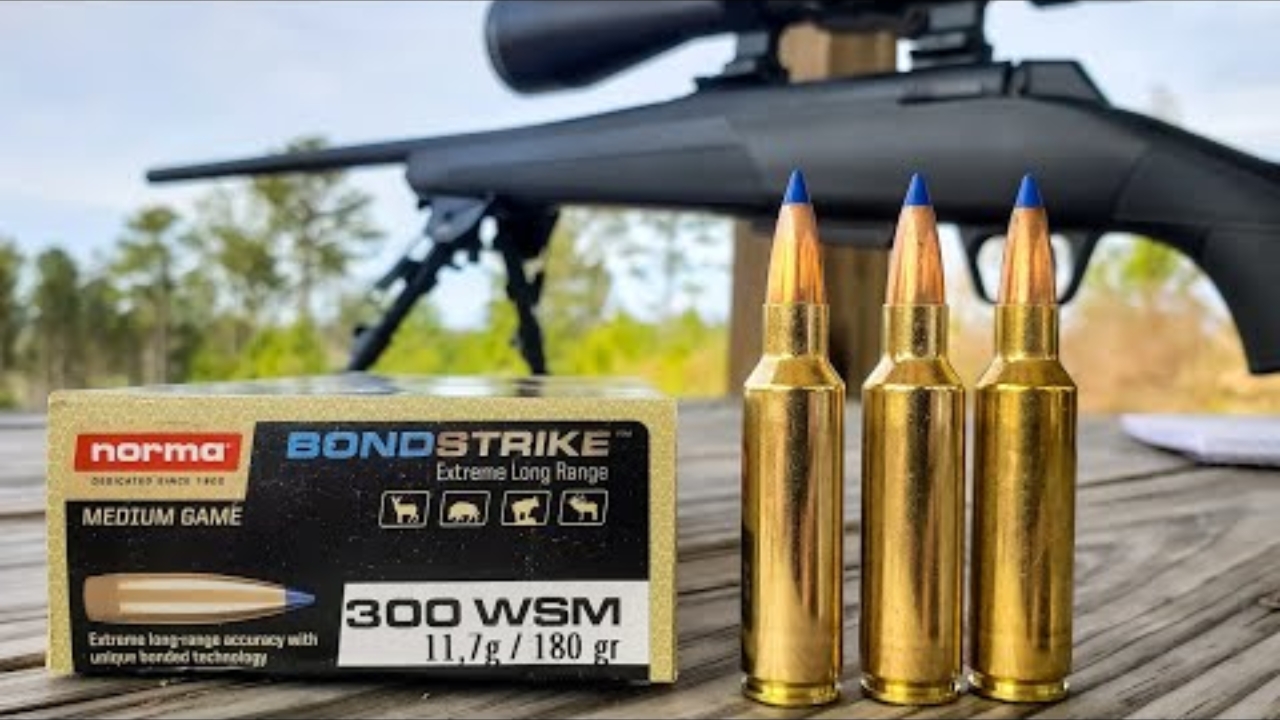
The .300 Winchester Short Magnum is less useful than it used to be because the promise of short-magnum efficiency has not mattered as much in real hunting life as people once hoped. It sounded like the future for a while: magnum-level performance in a shorter action, with supposedly cleaner handling and equal field results. On paper, that looked like a major step forward.
In practice, many hunters realized the gain was not dramatic enough to outweigh the downsides. Rifle and ammo options are not as broad as with .300 Winchester Magnum, and the practical field difference often feels smaller than the marketing once suggested. That makes it harder to justify today, especially when so many shooters would rather have the simpler ubiquity of the standard .300 Win Mag.
.32 ACP
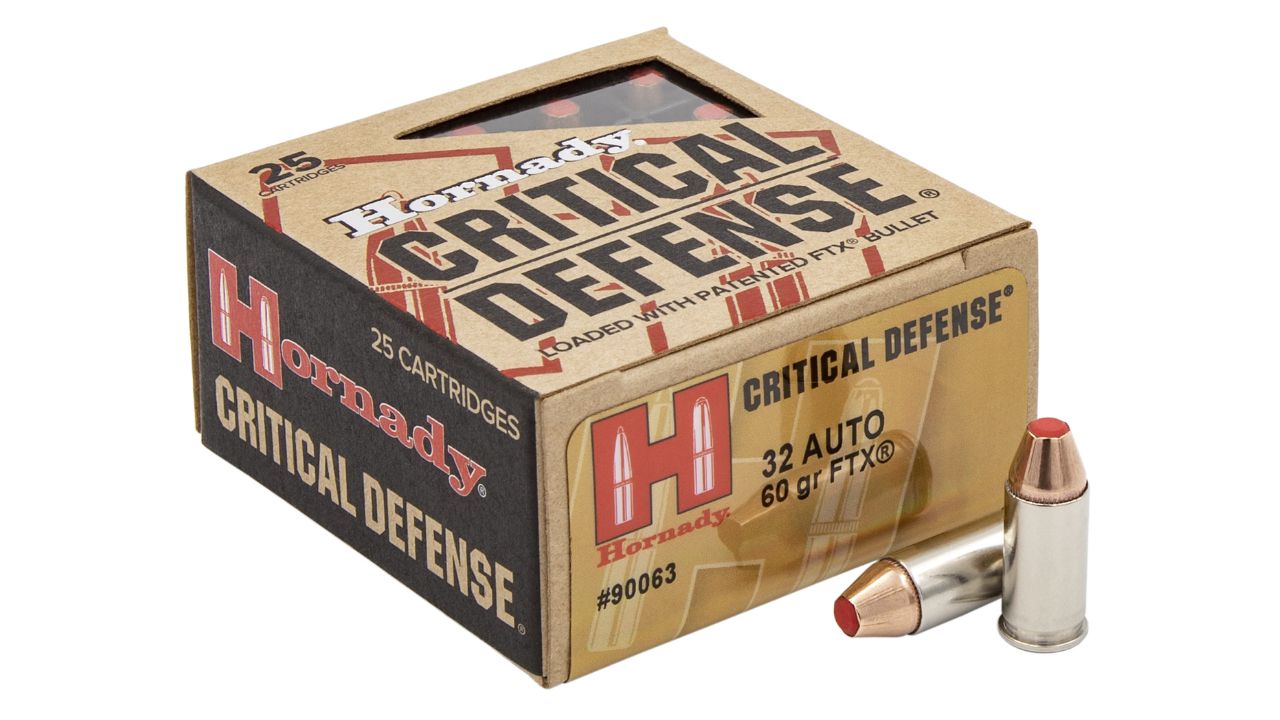
The .32 ACP is less useful than it used to be because the pistols and expectations around personal defense changed. There was a time when very small carry pistols in soft-shooting cartridges made a lot of sense because the alternatives were limited. In that world, .32 ACP had a practical lane. It was easy enough to shoot, easy enough to carry, and better than no gun at all.
Today, though, there are many 9mm and .380 pistols that are still compact while offering more practical defensive value. That makes .32 harder to defend as a primary choice for most people. It remains shootable and historically important, but the modern concealed-carry market has reduced its practical edge quite a bit.
.25 ACP
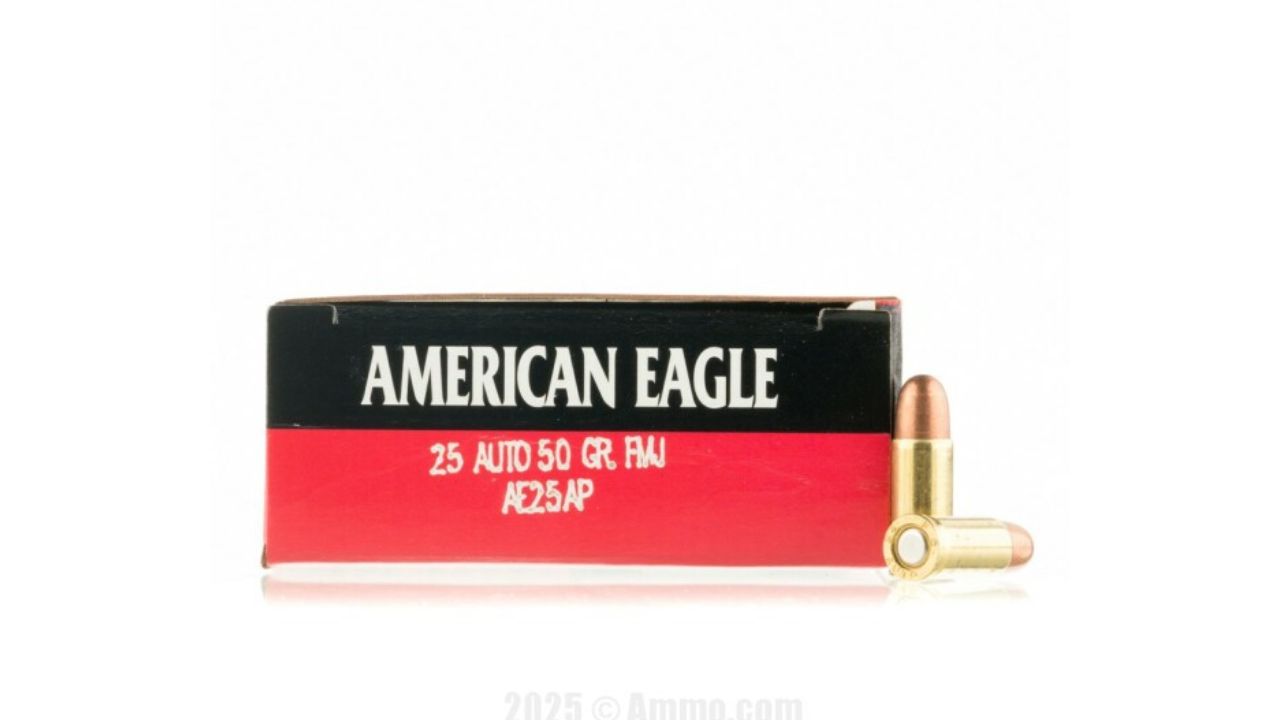
The .25 ACP is less useful than it used to be because the role it once filled has largely been replaced by better options. At one time, tiny vest-pocket pistols in .25 ACP gave people an easy way to carry a centerfire handgun in a very small package. That mattered when reliability concerns with rimfire pocket guns were more serious and compact centerfire choices were limited.
Now the market offers far better small defensive pistols with much more meaningful performance. The .25 ACP still functions, but the practical reason to choose it is much weaker than it once was. It remains more of a historical carry answer than a modern one.
.220 Swift
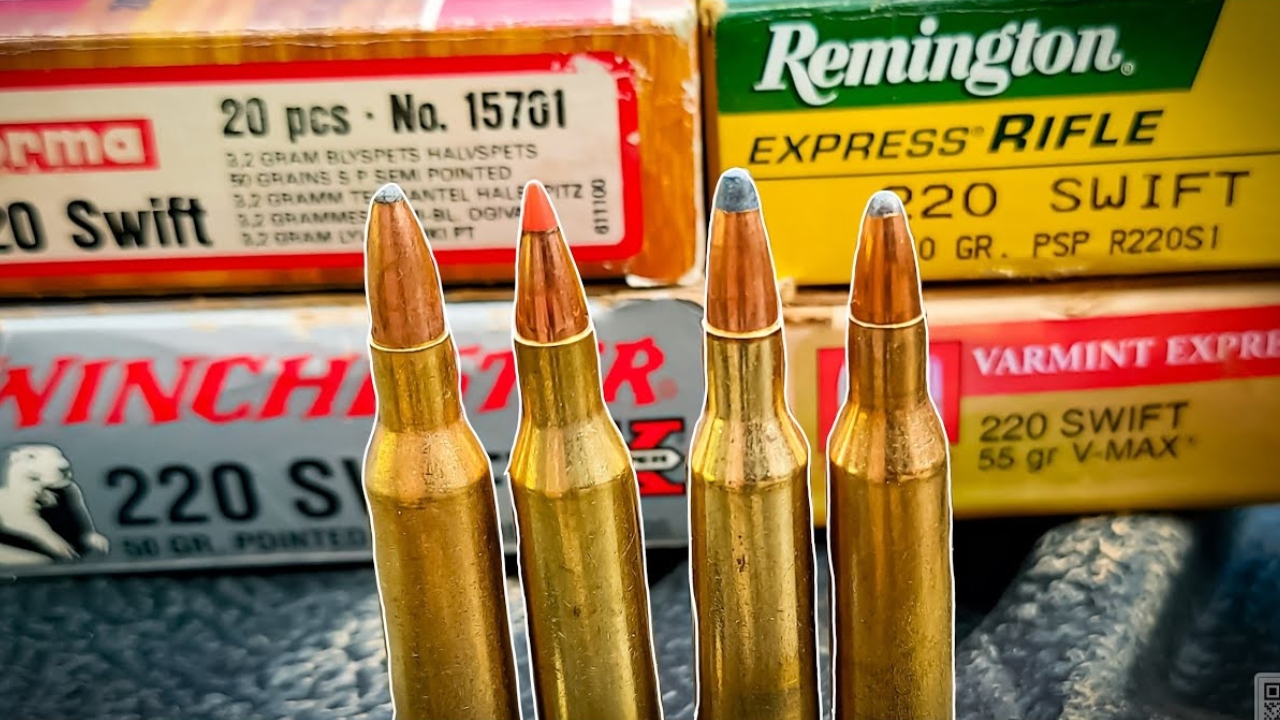
The .220 Swift is less useful than it used to be because newer varmint cartridges have caught up to the things that made it special while often being easier to live with. For a long time, the Swift had a legendary reputation for speed, and that mattered in a world where velocity alone carried a lot of appeal. It was exciting, flat-shooting, and memorable.
Today, though, shooters have more practical choices that deliver excellent varmint performance without the same old concerns around barrel wear, ammo support, and general convenience. The Swift is still fast and still capable, but speed alone does not make it as compelling as it once seemed. It lost some of its edge simply because the field got more crowded with smarter, easier alternatives.
.38 Super
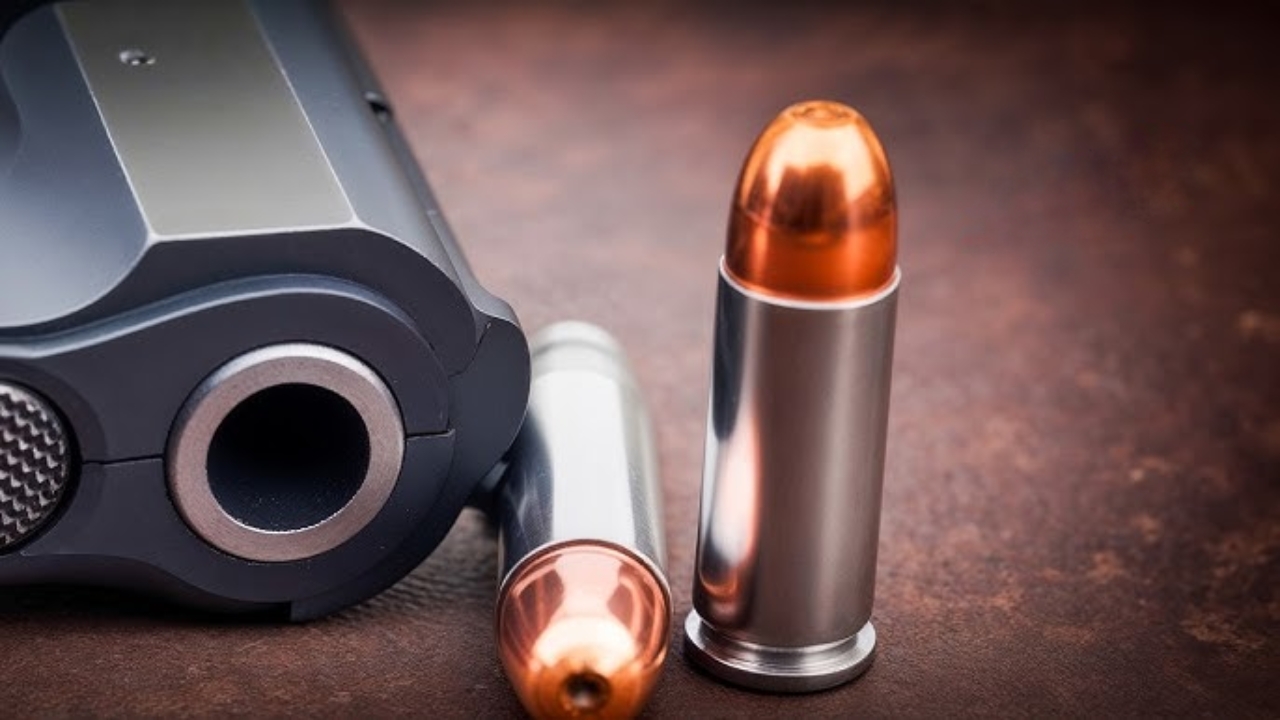
The .38 Super is less useful than it used to be for most ordinary shooters because the reasons to choose it have narrowed. It once filled meaningful roles for people wanting high velocity in a semi-auto pistol, especially where legal or platform constraints mattered. In competition and certain 1911 circles, it still has devoted fans for good reason.
But for broad practical use, it is now harder to justify against more common, cheaper, and easier-to-find calibers like 9mm. Unless someone has a specific platform reason or a real affection for the cartridge, it often feels like a round that survives more on niche loyalty than on everyday utility. That is not nothing, but it is much less practical reach than it once had.
.264 Winchester Magnum
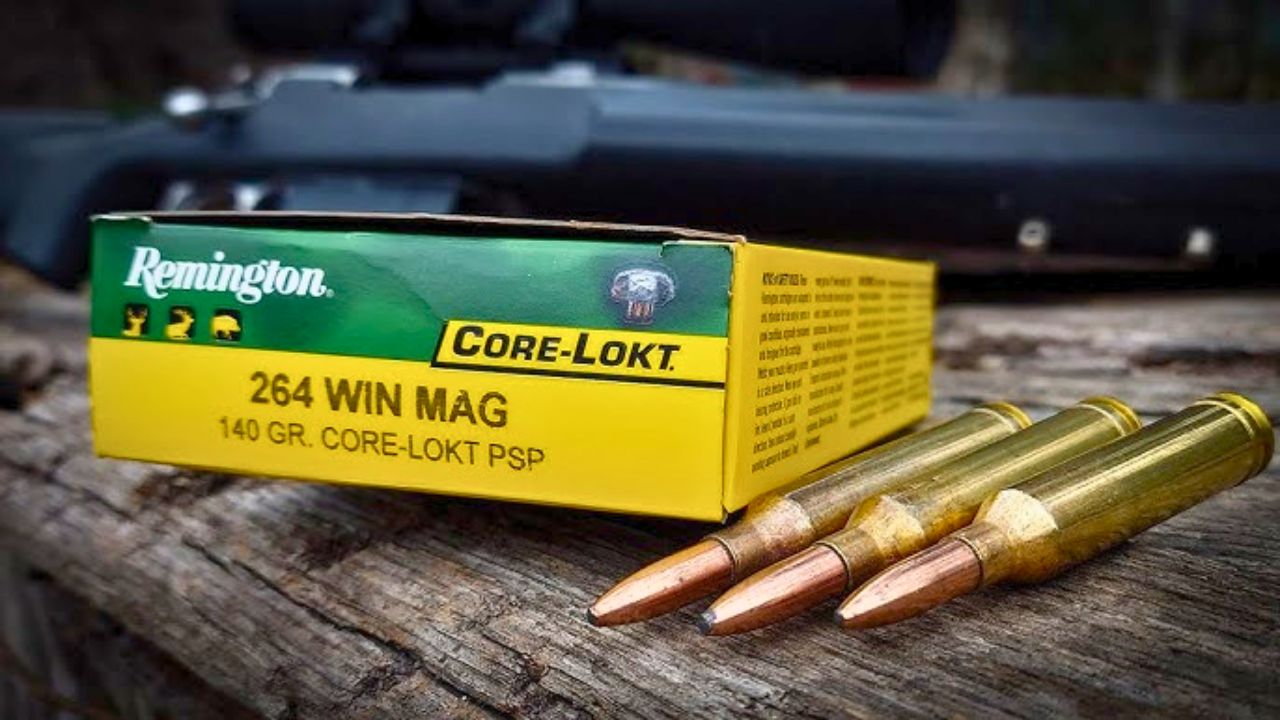
The .264 Winchester Magnum is less useful than it used to be because the long-range and hunting world evolved around it. There was a time when its speed and flat trajectory made it feel like a very serious answer for open-country work. It had an identity built around high performance and a little bit of mystique.
Now, though, newer 6.5 cartridges and even some older ones often deliver very strong practical performance with less powder, less blast, and fewer headaches around barrel life or general efficiency. The .264 Win Mag still works, but it is harder to make a simple, convincing case for it today unless someone specifically wants it. Its practical advantage is not what it once was.
.357 SIG

The .357 SIG is less useful than it used to be because the market moved away from the exact problem it was trying to solve. It offered speed, strong feeding characteristics, and a bottleneck design that attracted people wanting a very particular kind of defensive auto-pistol performance. For a while, that gave it real momentum.
Today, with modern 9mm loads performing so well and 9mm platforms being cheaper, softer-shooting, and easier to support, the .357 SIG has a much harder time making sense for the average shooter. It is still capable, but capability alone is not the issue. The issue is that its extra blast, ammo cost, and narrower support now outweigh the practical gain for most people.
.17 Remington

The .17 Remington is less useful than it used to be because small-caliber varmint shooters now have more choices that are easier to feed and often easier to support. The cartridge still offers very high speed and a lot of appeal for people who enjoy tiny, fast bullets, but it no longer feels as singular as it once did.
That matters because highly specialized cartridges tend to lose ground when the market offers simpler alternatives. The .17 Remington remains interesting and effective in the right hands, but many shooters no longer need it badly enough to tolerate the extra niche factor. It is more of a committed enthusiast’s round now than a broadly practical one.
.44-40 Winchester
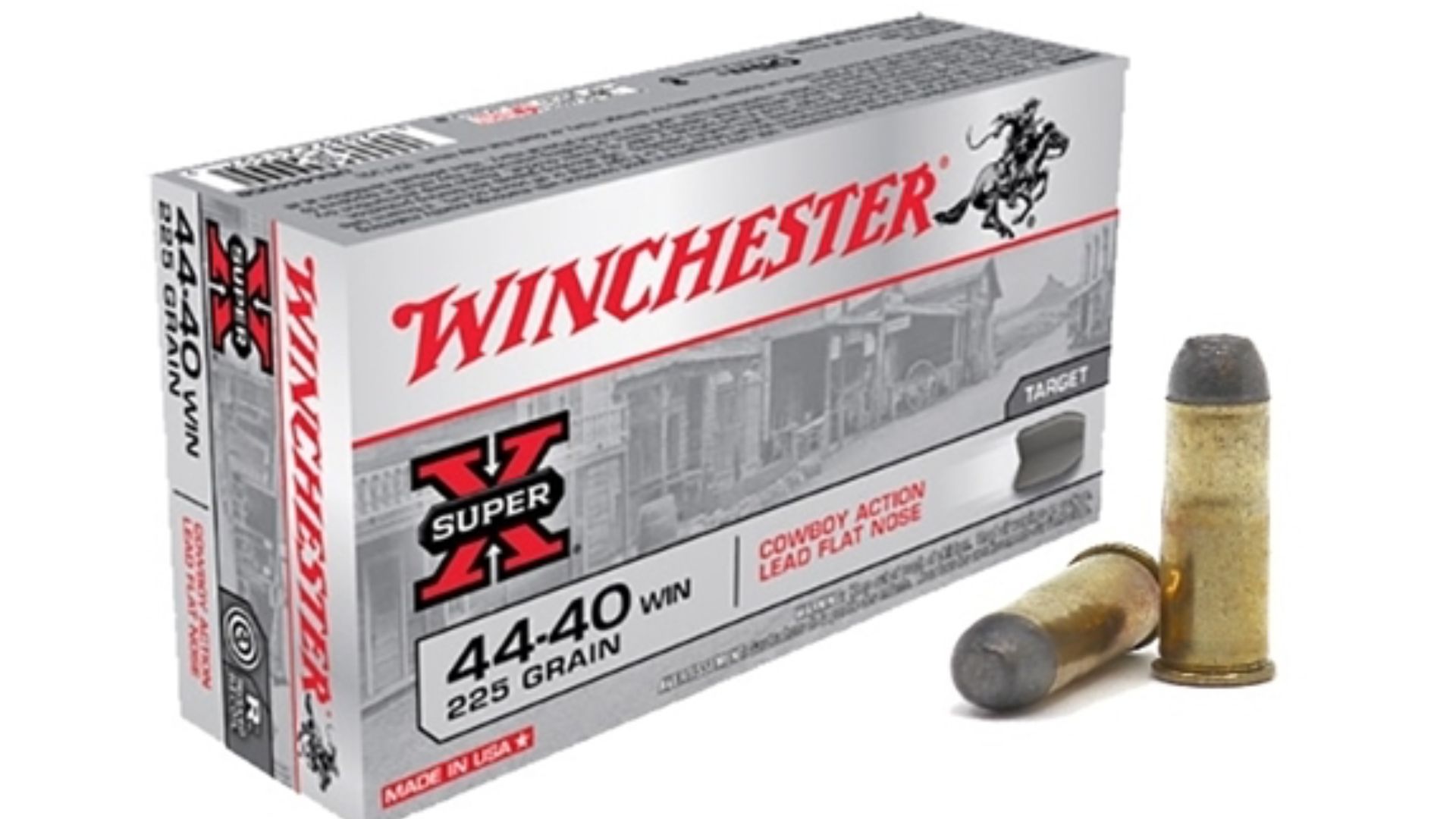
The .44-40 Winchester is less useful than it used to be because the exact world it was built for no longer exists in the same way. It once made tremendous sense in revolvers and lever guns when ammunition commonality mattered on a very practical level and the overall shooting environment looked very different from today. In that time, it was a smart and influential cartridge.
Now, most of what made it so compelling has been overtaken by stronger, easier, and more available options. It still has value for cowboy-action shooters, collectors, and people who appreciate historical firearms, but outside those lanes, its practical everyday usefulness is much smaller than it once was.
.45 GAP

The .45 GAP is less useful than it used to be because its original reason for existing never gained enough long-term traction. It was meant to deliver .45-caliber performance in a shorter package that fit smaller-frame pistols more easily. That sounded reasonable when introduced, especially for agencies or shooters who wanted .45 ACP-like results in a different format.
The problem is that the market did not keep rewarding that concept. Support stayed limited, ammo remained less common, and newer 9mm carry and duty pistols kept getting better. That left .45 GAP in a spot where it became increasingly hard to justify unless someone was already committed to the platform. Its usefulness narrowed quickly.
.218 Bee
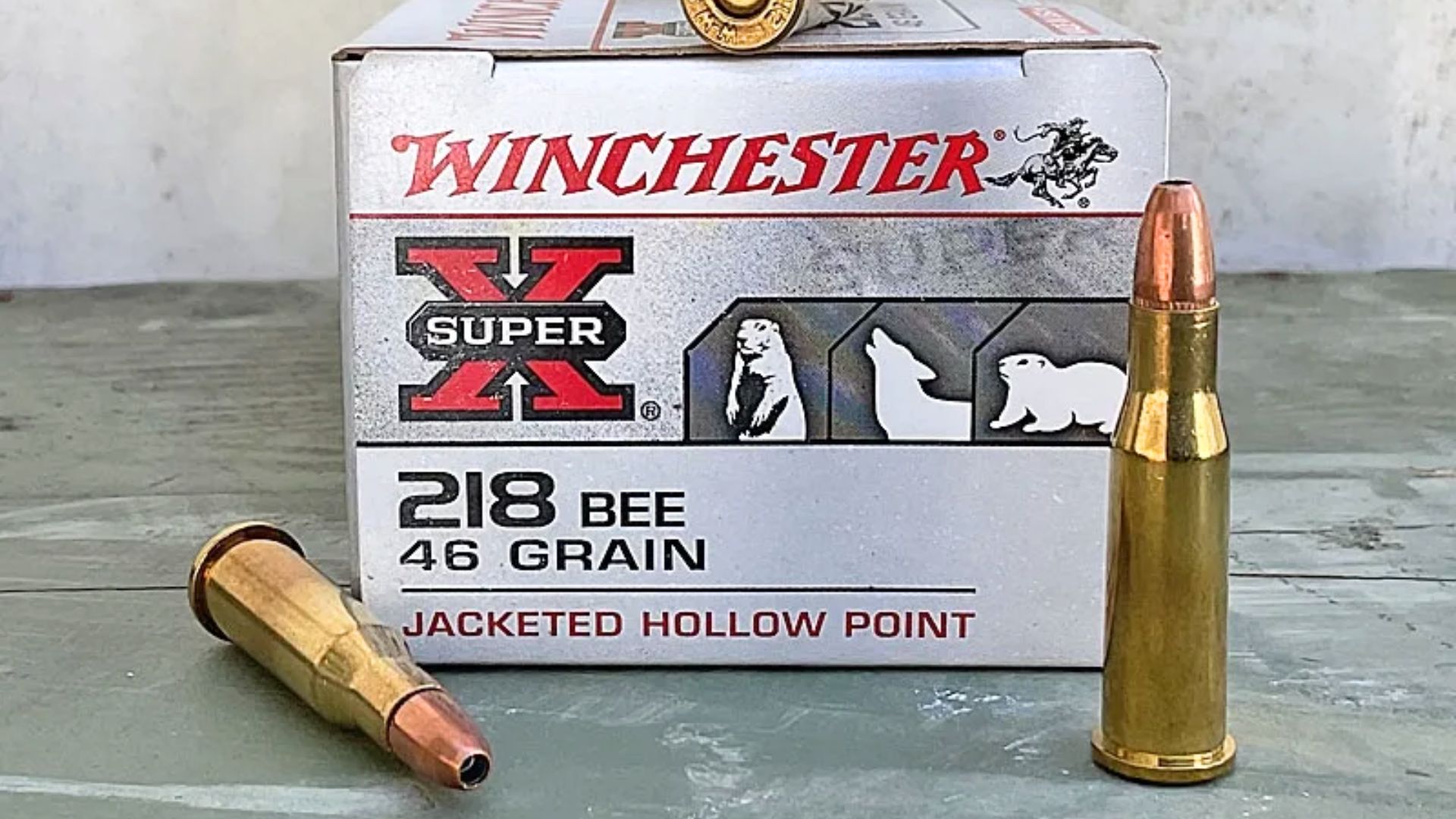
The .218 Bee is less useful than it used to be because its role in the varmint and small-game world got squeezed hard by cartridges that were easier to find and easier to support. It had charm, and in the right rifle it still does, but a lot of that appeal now lives more in collector interest and nostalgia than in hard practical advantage.
For today’s shooter, there are simply more convenient ways to accomplish the same tasks. That does not erase the Bee’s identity, but it does shrink its day-to-day relevance. A caliber can remain pleasant and historically interesting while still becoming less useful in practical modern terms, and the .218 Bee fits that well.
.30 Carbine

The .30 Carbine is less useful than it used to be because the specific role it filled became much less central over time. In the M1 Carbine, it made sense as a light, handy military round intended for a particular wartime purpose. That made it important and effective within its lane. For civilian shooters later on, it also kept some appeal as a light-recoiling, easy-handling option.
But today, its practical role is more limited. For defensive use, sporting use, or general ownership, there are usually easier or more effective answers depending on the exact need. The .30 Carbine still has historical charm and can still be enjoyable, but the case for it as a go-to practical caliber is not nearly as strong as it once was.
.307 Winchester
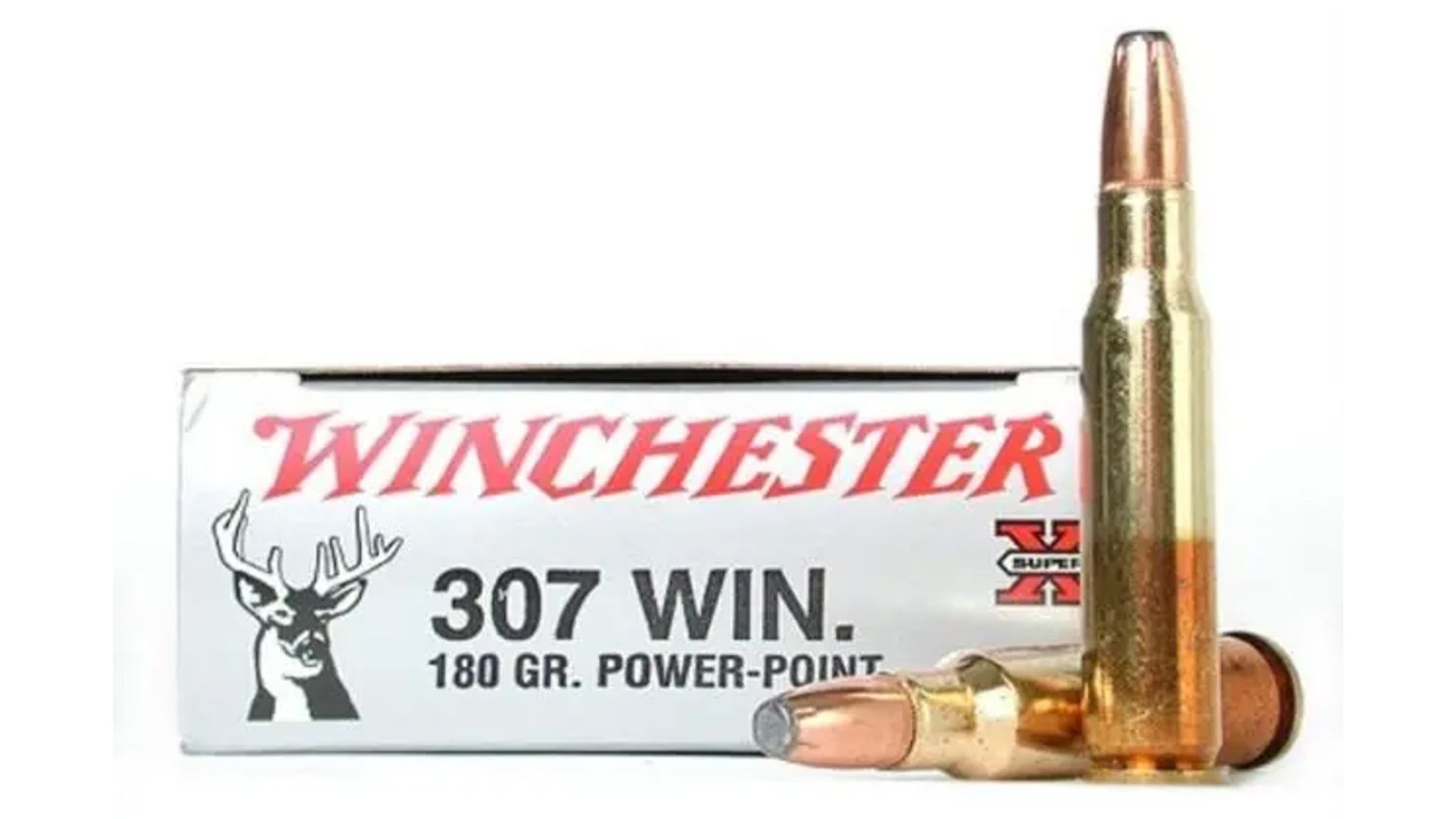
The .307 Winchester is less useful than it used to be because the niche it was meant to fill no longer feels as urgent. It offered higher-performance lever-gun potential at a time when that sounded especially exciting, and for some hunters it absolutely had appeal. The idea of near-.308 class performance in a lever-action format was not foolish.
But broad support never kept pace, and the modern hunting market gives shooters many other ways to solve the same problem without chasing a less common cartridge. That leaves the .307 as a round that remains interesting and capable, but less broadly useful than it might have seemed when the concept first appeared.
.41 Magnum

The .41 Magnum is less useful than it used to be because it remains stuck between admiration and practicality. It was supposed to offer a smart middle ground between .357 Magnum and .44 Magnum, and in many ways it does. That is exactly why some shooters still love it. It is not a bad cartridge at all.
But for most modern buyers, the market realities work against it. .357 is easier to find and easier to shoot often. .44 Magnum has stronger recognition and broader support. That leaves the .41 in a spot where its actual merit is real, but its practical usefulness for most people is lower than it once might have been. It survives more on appreciation than broad necessity now.
Like The Avid Outdoorsman’s content? Subscribe to our newsletter so you never miss an article.
Here’s more from us: