Photo credit: Springfield Armory
Most pistols feel fine for the first couple hundred rounds. The truth shows up later—dirty chambers, weak mags, worn springs, and ammo that isn’t the “nice stuff.” The guns that earn real trust are the ones that keep cycling when you’re deep into a class, tired, and feeding them whatever 9mm you brought. The pistols below have reputations for living past that 5,000-round mark without turning into a hobby gunsmith project, as long as you handle basic maintenance and don’t cheap out on mags.
Glock 19 (and 17)

If you sorted all the pistols that have seen 5,000+ rounds, Glock 19s and 17s would probably be half the pile. They’ve lived in holsters, rental racks, police trunks, and range bags for decades and usually age in a very predictable way: springs and sights go first, not frames and slides. Parts are everywhere, and the basic design doesn’t depend on tight tolerances that disappear after a few cases of ammo.
Most of the “it finally broke” stories you hear about Glocks involve insane round counts or obvious neglect. Keep decent mags in the gun, swap recoil springs on schedule, and they’ll usually cruise past 5,000 rounds without anything more dramatic than finish wear and a smoother trigger shoe.
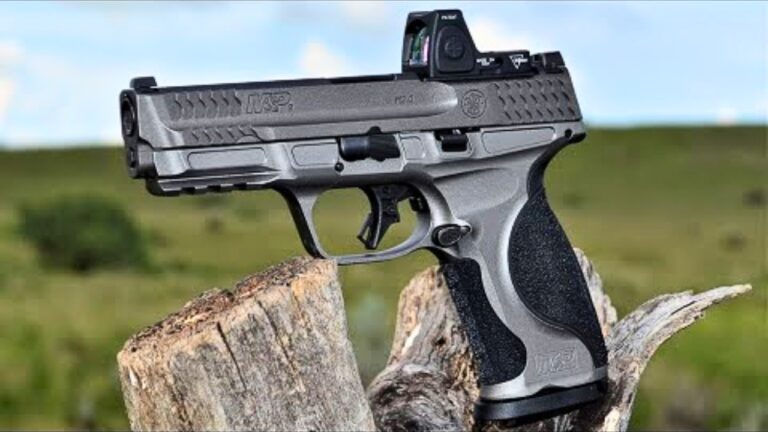
Smith & Wesson M&P 2.0 (full-size and compact)

The M&P 2.0 line is what a lot of trainers hand people when they’re going to shoot hard for days. Full-size and compact versions both have enough slide mass and spring tuning to keep running when guns get hot and filthy. Agencies and schools that issue them report long service lives on duty guns that see more than their fair share of low-bid practice ammo and rough handling.
Past 5,000 rounds, the usual pattern is cosmetic wear and maybe a tired recoil spring, not a gun that suddenly starts choking. They’re forgiving about grip, don’t need boutique lubrication, and have a parts ecosystem that makes it easy to keep them in work instead of on a bench.
Sig Sauer P320

The P320 has had its share of PR drama, but one thing most high-round-count users agree on: it runs. Military contracts and police adoption mean these pistols get pushed through huge amounts of ball ammo in ugly conditions. The modular chassis sits inside grip modules you can replace if they get chewed up, and the core fire control group is built to be stripped and cleaned without much effort.
Once you’ve got a good batch of mags and decent springs in play, P320s handle 5,000-round milestones as checkpoints, not finish lines. You’ll see striker channels and extractor claws full of carbon before you see the gun shrug and quit, which is exactly what you want in something you actually carry.
HK VP9
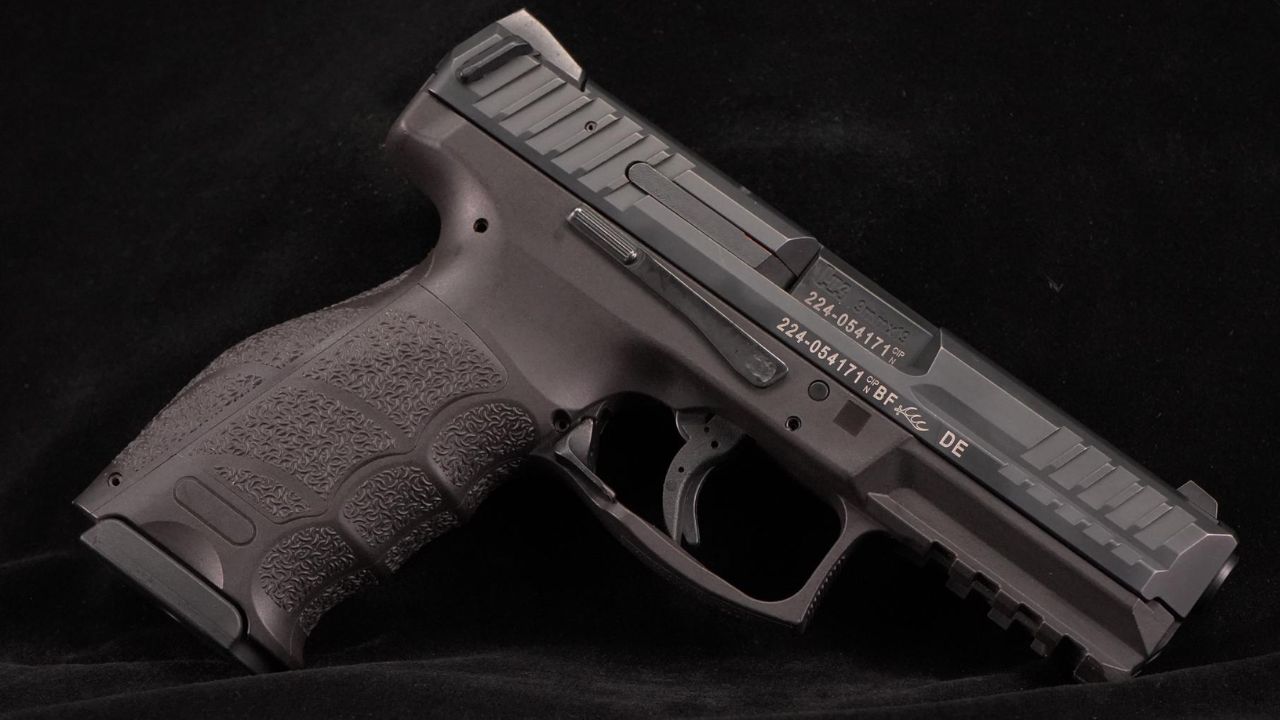
HK built the VP9 around duty use, not weekend plinking, and you see that when round counts climb. The locking system, barrel fit, and magazines were all designed with long life in mind. Trainers who run VP9s in classes praise how boring they are: load mags, shoot drills, wipe them down at the end of the day, repeat for years.
By the time you’ve put 5,000 rounds through a VP9, you’re more likely to be thinking about night sight tritium fading than any mechanical crisis. Springs wear like any pistol, so keep a kit on hand, but the underlying gun has a solid reputation for staying in one piece a long time.
CZ P-10 C / P-10 F

CZ’s P-10 series feels like a polymer gun that was built with CZ’s old steel-frame round-count mindset. The C and F models in particular show up in reports from shooters who’ve run them through classes and local matches without many complaints. They feed a wide range of bullet shapes, have stout extractors, and don’t seem to lose their composure once carbon builds up.
At 5,000 rounds, most folks notice the trigger smoothing and the finish wearing more than any change in reliability. Drop in fresh recoil and mag springs occasionally and these guns keep behaving like the same “grab and go” workhorses they were at round one.
Walther PDP (full-size and compact)

The PDP built its name on ergonomics and accuracy, but it’s also been stacking up real-world mileage. Competitors and serious practice junkies talk about four- to five-figure round counts where the only casualties were springs and maybe a worn magazine or two. The barrel and lockup are capable of holding tight groups even as the finish starts to show honest use.
At and beyond 5,000 rounds, PDPs don’t usually turn into jam machines. Keep the striker channel reasonably clean, replace consumables, and it remains a pistol you can take straight from a long class to a defensive role without second-guessing it.
Beretta 92 / 92X
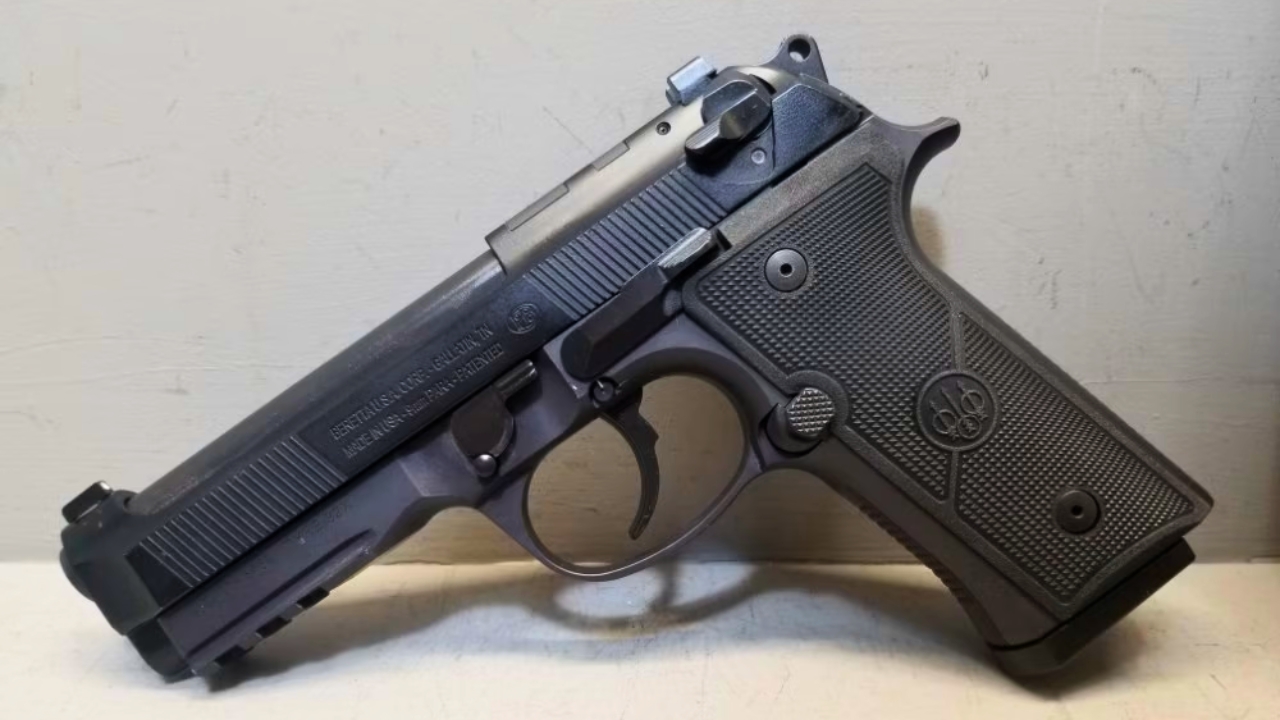
The 92 series has been soaking up 9mm for decades in military and law-enforcement service. Open-top slides, tilting locking blocks, and big steel frames aren’t trendy, but they handle heat and volume well. There are plenty of stories of 92s crossing the 10,000-round mark with nothing more than a couple of locking block replacements and standard spring maintenance.
Hit 5,000 rounds and a Beretta 92 is usually just getting polished in. Locks might feel smoother, triggers clean up a little, and the gun keeps sending brass into a neat pile. For folks who don’t mind a bigger pistol, it’s still one of the safer bets for long-term use.
Canik TP9 / Mete series

Canik pistols earned a reputation for punching above their weight on price, and reliability over a lot of rounds is part of that. TP9 and Mete models show up constantly in “range beater” discussions—guns people run hard in classes because they won’t feel bad about finish wear. Reports of 5,000-plus rounds without drama are common, especially when shooters stay on top of magazines and recoil springs.
They’re not collectibles, and that’s the point. If you want a pistol you can feed bulk ammo and rebuild cheaply as parts eventually tire out, the Canik line is an easy pick.
FN 509
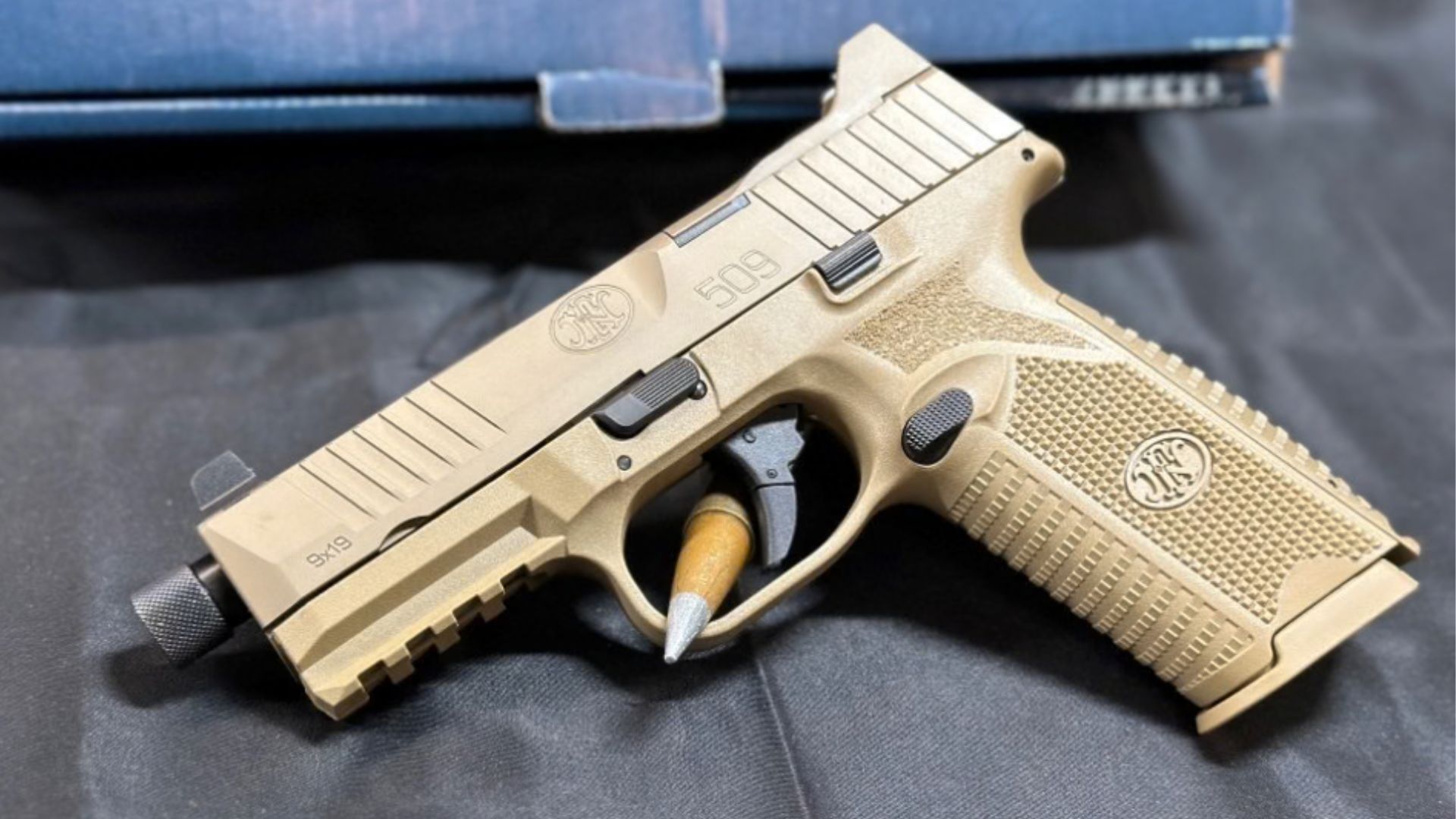
The 509 family came out of a military handgun competition, and it carries that “built for abuse” feel. It’s not a fragile, tolerance-on-a-razor’s-edge gun. The slide, frame, and barrel all have enough meat to handle long practice cycles, and the mags are designed for serious duty use. Agencies and testers who’ve stuck with the platform report long service lives with standard maintenance.
By the time you’re at 5,000 rounds, the main signs of age on a 509 are holster burn and nicks, not growing failure logs. If you want something that feels like it was built around “run it hard and clean it later,” this is in that club.
Ruger Security / RXM 9mm

Ruger’s newer duty-size 9mms (Security series and RXM) are designed for real-world use at working-person prices. Reviewers and everyday shooters alike talk about thousands of trouble-free rounds through these guns with the worst they’ve seen being a tired mag spring after long abuse.
The design isn’t fragile. Big slide rails, straightforward lockup, and simple internals make them easy to keep running. Once you’ve got 5,000 rounds on one, you mostly just have a smoother version of the same pistol that came out of the box.
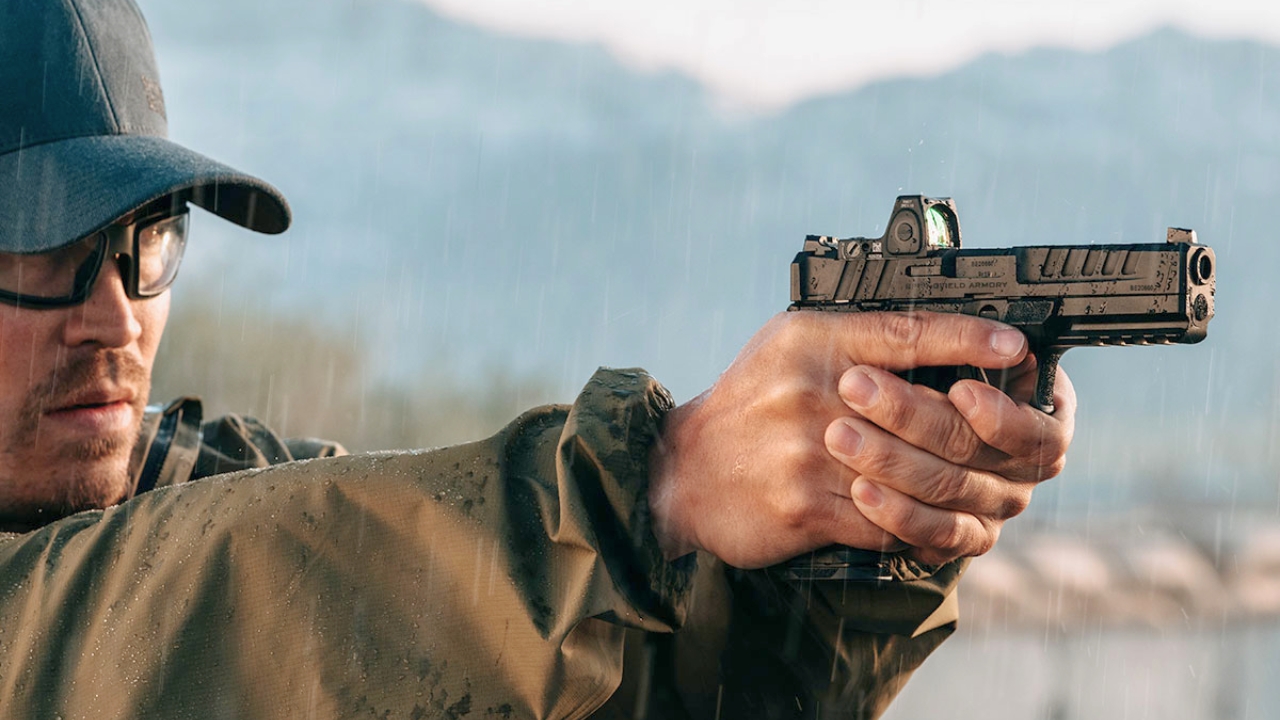
Springfield XD-M Elite / Echelon
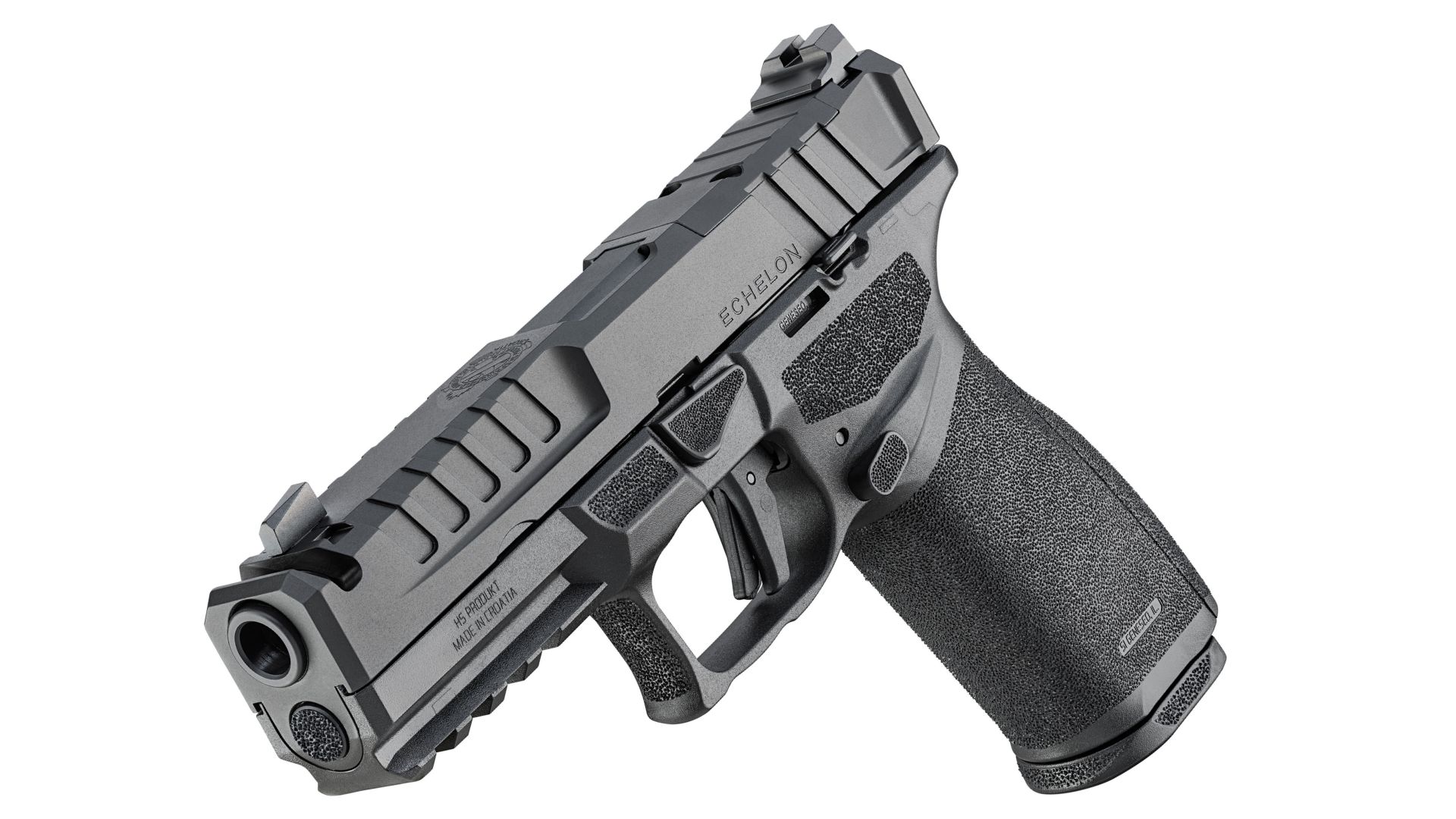
Springfield’s XD-M Elite and the newer Echelon have been run through high-round-count tests where reliability stayed solid, even when the guns were run hot, dirty, and full of cheap range ammo. The Echelon’s modular chassis and robust optics mounting system are built with long-term use in mind, not safe-queen handling.
If you keep fresh springs in them and don’t abuse the mags beyond reason, both platforms handle a 5,000-round year as normal use. They’re the kind of pistols people run through long blocks of training and then carry without second guessing.
Glock 34

The 34 has been a competition and training staple for long enough that round counts in the tens of thousands aren’t unusual. The longer slide smooths out recoil, spreads wear, and gives a little more sight radius, which makes it easier to live behind for long practice sessions.
If you keep track of recoil and trigger springs and replace them on an interval, a 34 will cruise through 5,000 rounds and keep going. It’s not rare to see them still running strong long after the frame finish and slide have seen better days.
CZ Shadow 2

The Shadow 2 is a steel-frame competition gun, but it has earned a reputation for staying tight and accurate through very high round counts. Action shooters who practice several times a week will put 5,000 rounds on one without thinking about it, and the guns tend to ask for springs and maybe the occasional small part before they ever hint at bigger trouble.
It’s heavy, and that’s part of why it lives so well. The extra mass soaks up recoil and spreads stress, so the gun keeps tracking and grouping long after lighter guns would be showing their age.
Sig Sauer P226 (Legion and standard)

The P226 has a long track record as a duty pistol that stays in one piece through big training cycles. Modern Legion and standard models keep that DNA. Alloy frames, steel slides, and proven lockup give you a pistol that will rarely blink at 5,000 rounds as long as you don’t ignore spring schedules.
The DA/SA system has more parts than a striker pistol, but in practice the platform has proven tough enough that shooters keep using old P226s once the round count is far past where some plastic guns retire.
S&W Shield Plus

Micro-compacts work harder for every round they cycle, but the Shield Plus has earned a reputation as one of the more durable little guns. Plenty of people have pushed past 5,000 rounds running them in classes and carry practice without anything more than the usual spring replacements.
It obviously moves and kicks more than a full-size, but function-wise it stays honest. If you want a small pistol that can actually survive a couple thousand rounds a year instead of 50 “confirmation shots,” this is one of the better options.
Like The Avid Outdoorsman’s content? Subscribe to our newsletter so you never miss an article.
Here’s more from us: