Photo credit: NRApubs/YouTube
Some rifles build a reputation long before most hunters or shooters ever lay hands on one. Maybe the name gets repeated in magazines, forums, hunting camps, or gun-counter conversations until it starts sounding like settled truth. Maybe the rifle really was excellent in one version, one era, or one narrow role, and that praise slowly grew into something bigger than the rifle could realistically deliver for every buyer. That is how expectations get inflated, and once that happens, a rifle does not have to be bad to feel disappointing.
That is usually the real issue. A rifle can be accurate enough, reliable enough, and still fail to live up to the image surrounding it. Sometimes it is too expensive for what it gives back. Sometimes the handling is less impressive than the legend suggests. Sometimes the quality varies more than people want to admit, or the rifle simply shines more in conversation than it does in the field. A strong reputation can sell a rifle fast, but range time, hunting miles, and real ownership are what decide whether that reputation was fully deserved.
Remington 700
The Remington 700 built one of the biggest reputations in the rifle world, and for good reason. For years it was the bolt gun many hunters bought by default, and it also became a major name in accuracy and customization circles. That kind of standing creates huge expectations. A lot of buyers come in expecting a rifle that will feel exceptional right away, not merely competent. That is where the gap often starts.
The truth is that many 700s are good rifles, but not all of them feel as polished or as remarkable as the reputation suggests. Depending on the era and configuration, buyers can end up with a rifle that feels ordinary in the stock, average in the finish, or simply less special than the legend promised. The platform’s reputation is real, but it is also so large that some individual rifles never had much chance of fully living up to it.
Marlin 336
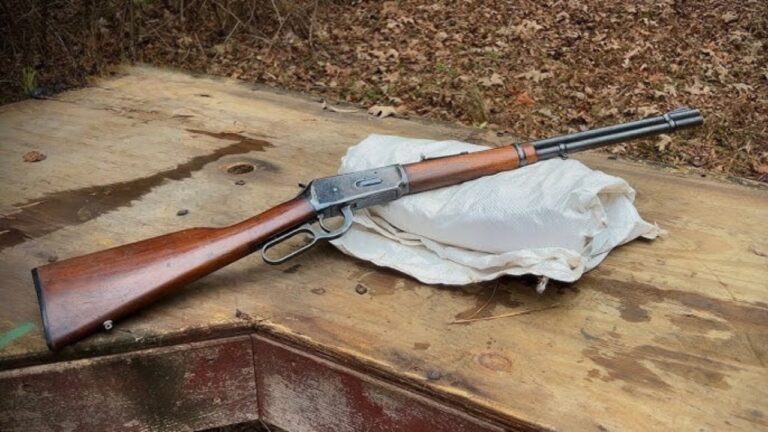
The Marlin 336 has a reputation as one of the classic woods rifles, and that reputation absolutely has some truth behind it. It points quickly, carries well, and fits a style of deer hunting that still matters. The issue is that people sometimes expect every 336 to deliver the same smoothness, handling, and overall satisfaction they have heard attached to older, better-loved examples. That is a tough standard for any long-running rifle to meet.
What disappoints some owners is that not every rifle with that name feels equally sharp in the details. Depending on production era, fit, finish, and general refinement can vary more than the legend would lead a buyer to expect. It is still a practical rifle in the right role, but the broader reputation can make people expect something closer to magic than reality. In the field, it is often good. It is simply not always as great as the story surrounding it.
Mossberg Patriot
The Mossberg Patriot looks like a rifle that should punch above its class. The price is attractive, the configurations are appealing, and on paper it seems to cover exactly what many hunters want. That can create the impression that it is one of the smartest values in the rack, maybe even a rifle that embarrasses more expensive options. That is a lot for a budget hunting rifle to carry into the field.
Once people start using it, the rifle can feel more ordinary than the early praise suggested. The stock, action feel, and general refinement often remind the owner pretty quickly where cost savings happened. It may still shoot well enough and kill game cleanly, but the real-world experience can feel more budget-minded than the glowing talk around it implied. That is often how reputations get ahead of rifles. The rifle works, but the legend oversold the experience.
Winchester XPR
The Winchester XPR benefits from a respected name, and that alone raises expectations before the bolt is ever lifted. Buyers see Winchester on the rifle and often expect a certain level of handling, refinement, or field personality. On paper, the XPR seems like a smart modern hunting rifle with practical features and reasonable pricing. It sounds like the sort of rifle that should be easy to recommend without hesitation.
For some owners, though, the rifle never quite rises above being merely serviceable. The action, stock, and overall feel can come across as more generic than the Winchester name leads people to expect. It usually is not that the rifle fails. It is that the emotional payoff never fully arrives. A rifle with a historic brand behind it tends to promise more than utility alone, and when the experience feels closer to average competence than lasting affection, the reputation starts feeling oversized.
Browning AB3
The Browning AB3 carries the burden of the Browning name, and that gives it instant credibility. Buyers naturally assume they are getting some version of the handling quality and field appeal the brand is known for, just at a more accessible price. That sounds reasonable until the rifle gets compared not with expectations for a budget gun, but with expectations for a Browning. That is where things get harder.
The AB3 often works well enough, but for many owners it feels more like a cost-conscious entry in a strong catalog than a rifle with the same soul as the company’s more admired offerings. The handling may be acceptable, the accuracy may be fine, and the overall package may still be useful, but the rifle often leaves buyers feeling like they bought the name more than the full Browning experience. That does not make it bad. It simply makes the reputation harder to fully cash in.
Christensen Arms Mesa
The Mesa has a reputation that pulls hard on modern hunters. Lightweight mountain-rifle appeal, strong accuracy claims, and a more premium image make it sound like exactly the kind of rifle a serious hunter ought to want. That kind of positioning raises expectations quickly. When people spend that kind of money, they are not only expecting a good rifle. They are expecting a rifle that feels clearly better than ordinary options in the hands and in the field.
That is where some disappointment can creep in. If the rifle feels less refined than the price suggests, if the recoil is less pleasant than hoped, or if the overall ownership experience does not feel especially elevated, the gap between image and reality becomes obvious. Premium rifles have less room for merely being good enough. The Mesa can certainly perform, but its reputation often asks buyers to expect a complete experience that some feel is only partially delivered.
Savage Axis II
The Savage Axis II has a reputation as the budget rifle that secretly shoots like a much more expensive gun. That is a powerful story, and it brings in plenty of buyers hoping to outsmart the market. The improved trigger and value-oriented accuracy talk make it easy to believe you are getting a hidden gem without paying for one. That early appeal is understandable because the rifle often does shoot well for the money.
Where it can fall short is in everything around the group size. The stock, action feel, and general ownership experience often remind people that accuracy is not the only thing they are carrying through the woods. A rifle can print good groups and still feel cheap, awkward, or uninspiring in the hands. The Axis II often suffers from being praised so heavily for one strength that buyers expect the whole package to feel more complete than it really does.
Springfield Model 2020 Waypoint
The Model 2020 Waypoint carries a reputation built around modern premium performance, and that gives it a lot to live up to before the first hunt ever begins. The materials, weight savings, and overall positioning make it sound like a rifle that should stand clearly above the ordinary crowd. Buyers usually come in expecting a complete package: accuracy, handling, refinement, and the sense that they stepped into a noticeably higher tier.
What can happen instead is that the rifle feels more specialized than magical. If the balance does not suit the buyer, if recoil feels sharper than expected, or if the handling does not match the imagined mountain-rifle dream, the reputation starts taking on some cracks. The rifle may still be very capable, but premium reputations are built on more than capability. They promise satisfaction, and when that satisfaction feels less obvious in real use, the shine can fade quickly.
Weatherby Vanguard
The Weatherby Vanguard has long enjoyed a reputation as the dependable, sensible hunting rifle that gives you more than the price suggests. That reputation is not baseless, but it can still become larger than the actual ownership experience. A lot of buyers hear about reliability and accuracy and start expecting the rifle to feel more dynamic or more memorable than it really does once it is scoped, carried, and hunted with for a season.
The Vanguard usually works. That is not the same as inspiring. Some owners find that it feels heavier, bulkier, or less lively than they expected from all the positive talk surrounding it. It ends up being a rifle they respect more than one they truly enjoy. That is often the problem with strong practical reputations. They can raise emotional expectations the product was never really trying to meet in the first place.
Ruger Mini-14
The Mini-14 has one of those reputations that lives partly on image, partly on nostalgia, and partly on the appeal of wanting something different from the usual black rifle. It looks handy, familiar, and practical, and for many people that creates a vision of a light, dependable rifle that should be useful for all kinds of roles. The reputation can make it sound like a clean, no-drama answer for shooters who want simplicity without going full AR.
Range time often complicates that picture. Depending on the version and the shooter’s expectations, accuracy, heat behavior, and overall value compared with alternatives can make the rifle feel less convincing than its reputation suggests. Plenty of owners still like them, but liking a rifle and feeling like it fully earned the legend around it are not the same thing. The Mini-14 often ends up as a rifle people appreciate in concept more than in repeated practical comparison.
Tikka T3x Lite
The Tikka T3x Lite is a very good rifle, but its reputation has become so strong that some buyers walk into ownership expecting near perfection. They hear about the smooth action, the accuracy, the trigger, and the lightweight carry, and they start imagining a rifle with almost no compromises attached. That is a dangerous level of praise for any hunting rifle, because light rifles always bring some tradeoffs with them whether people want to admit it or not.
For some shooters, the real-world compromise shows up in recoil, plainness, or a general feeling that the rifle is more efficient than lovable. It is often excellent at doing the work, but not every buyer ends up feeling the emotional connection the reputation hinted at. In other words, the Tikka usually performs. It simply can get praised so aggressively that ordinary compromises start feeling like letdowns, even when the rifle itself is doing exactly what it was designed to do.
Henry lever-action centerfires
Henry centerfire lever guns built a reputation quickly by appealing to shooters who wanted a classic-feeling lever rifle with modern availability and strong visual appeal. That reputation makes buyers expect a rifle that captures the romance of the lever-action world while still feeling fully sorted for current use. In the store, that idea can be very persuasive. The rifles often look good, feel good, and tap directly into what people want a lever gun to represent.
The trouble is that not every owner walks away feeling the rifle fully delivered on that image once it was shot, carried, and compared against older competitors or different brands. For some, the balance, loading preferences, or overall field feel never quite match the ideal they had built up in their head. That is the risk with reputation-heavy rifles. They can be good rifles and still feel slightly off from the version people were expecting to fall in love with.
Like The Avid Outdoorsman’s content? Subscribe to our newsletter so you never miss an article.
Here’s more from us: