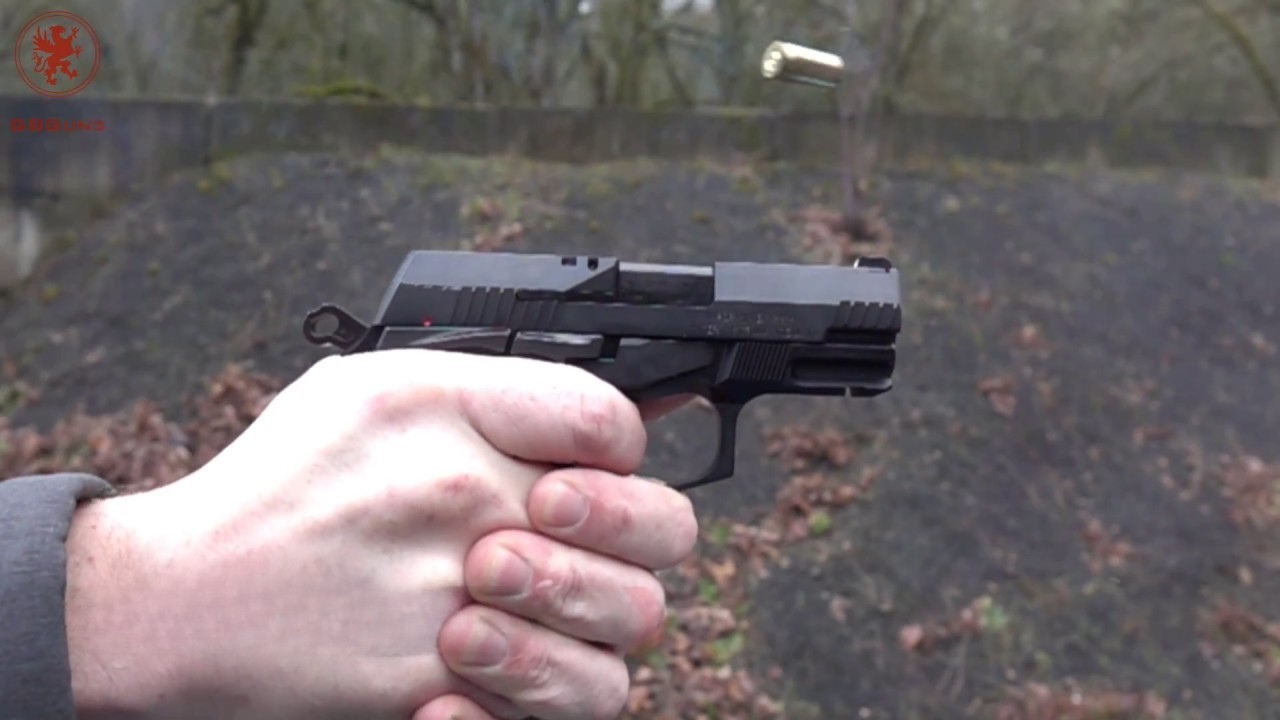
Photo credit: GBGuns/YouTube
Some guns get defended because they truly deserve it. Others get defended because the owner knows exactly what happens if they are honest for five minutes. The used market is full of firearms that looked smart at full retail, sounded impressive in the shop, and then turned into the kind of purchase you have to emotionally justify because selling it now would mean taking a painful hit. That is where the coping starts.
So instead of admitting the gun is awkward, overrated, too specialized, or simply not that enjoyable to own, people keep calling it underrated, misunderstood, or “still solid.” A lot of the time, that is not confidence talking. That is somebody trying to protect themselves from the fact that unloading it would sting. These are the guns people keep defending because the resale value hurts too much.
Springfield XD-M Elite

The Springfield XD-M Elite is one of those pistols a lot of buyers talked themselves into because it looked feature-rich and ready to compete with the biggest names in polymer handguns. On paper, it gave them a lot to point to. Capacity, optics-ready options, aggressive styling, and a brand name people already knew. That makes it easy to convince yourself you made a smart move, especially when the gun is new and still getting compliments.
Then time passes, the market keeps moving, and owners start realizing these do not always hold value the way they hoped. That is when the defending gets louder. Instead of admitting the resale hit is ugly, people start talking like the gun is secretly better than everything else and just “doesn’t get enough credit.” Sometimes that is partly true. A lot of times it sounds more like a man trying not to think about what he would actually get for it.
FN 502 Tactical

The FN 502 Tactical pulls people in because it looks like a serious modern trainer and wears a badge that makes buyers feel like they bought above the usual rimfire crowd. That matters more than people like to admit. It feels tactical, takes optics, and gives off the impression that you are buying a premium .22 instead of just another range toy. At full price, that image does a lot of work.
Then reality settles in and owners start comparing what they paid with how the pistol actually fits into their lives. A rimfire handgun with a premium sticker gets a lot less exciting once you realize selling it means eating more of the cost than you expected. That is when the conversations get defensive. Suddenly it is not just a fun .22. Now it is an essential training tool that people “don’t understand.” Funny how often that happens when the used value looks rough.
KelTec RDB
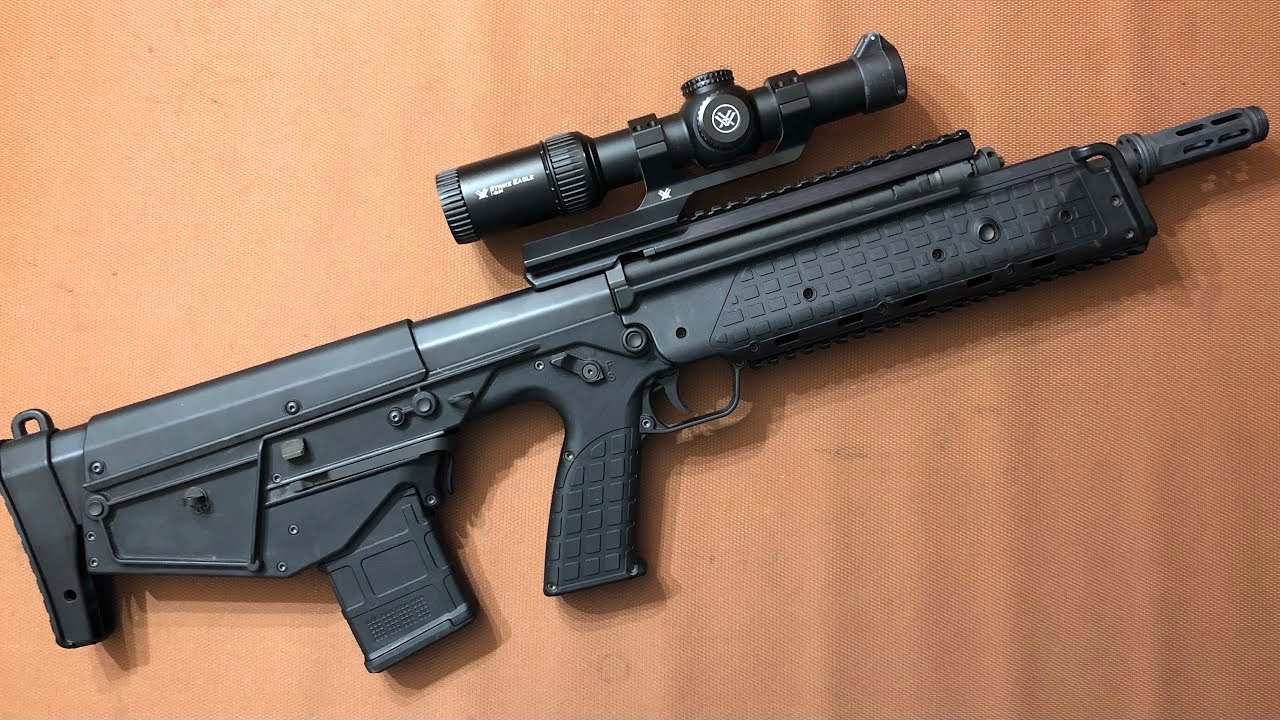
The KelTec RDB is exactly the kind of rifle people get attached to because it feels clever. It is compact, different, and built around a layout that makes buyers think they found the smart workaround to bulkier traditional rifles. That idea gets people emotionally invested fast. When a gun feels like a clever solution, owners do not just buy the product. They buy the feeling that they made a sharper choice than everybody else.
That becomes a problem when the resale picture starts looking weaker than expected. Now admitting the rifle is quirky, a little rough around the edges, or not quite what they hoped feels expensive in more ways than one. So they keep defending it. They talk about how innovative it is, how other people “just don’t get bullpups,” and how it is really more advanced than what most shooters are used to. Sometimes maybe. Other times that sounds a lot like a guy trying to avoid a painful classified listing.
Taurus 856 Defender
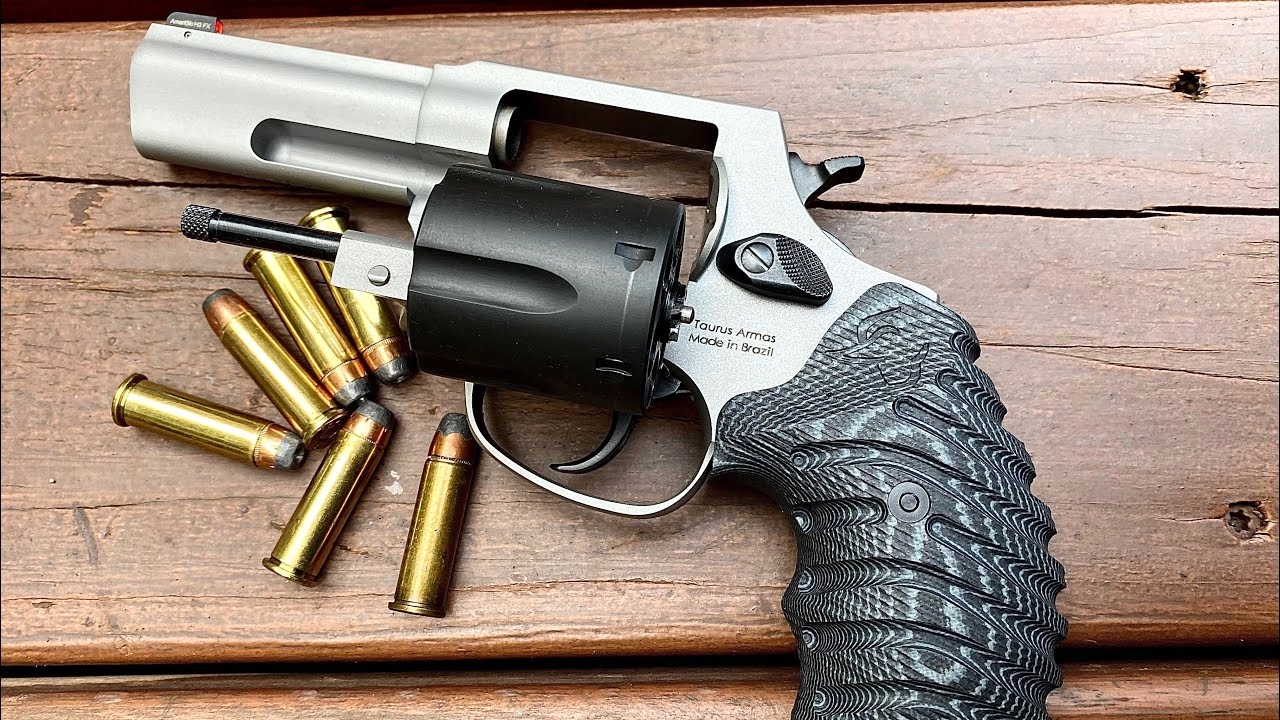
The Taurus 856 Defender appeals to people because it gives them a carry revolver with a little more style and feature appeal than the bargain-bin snubnose they expected. That alone can make the purchase feel smarter than it may really be. Buyers like the idea that they found a practical revolver that also feels modern enough to take seriously, especially when the price still looks friendlier than the bigger-name alternatives.
Then they realize that lower buy-in does not always mean easy resale. Used Taurus revolvers can turn into the kind of sale where the number you get back makes you wish you had just kept the thing and stopped checking market listings. That is when the defense kicks in. Owners start talking about how it is every bit as good as pricier wheelguns and how the snobs are the only reason the value is not higher. Maybe sometimes. But plenty of the noise comes from the fact that selling it for what it is worth now just feels lousy.
Mossberg MC2sc

The Mossberg MC2sc drew in buyers who liked the idea of carrying something a little off the beaten path without going full budget gamble. It had decent features, a familiar brand name, and enough modern styling to make people feel like they found a sleeper. There is always a certain pride in buying the handgun that you think the crowd overlooked. That kind of underdog energy makes it easy to get emotionally attached early.
The trouble starts when the market treats it like exactly what it is: a decent carry gun in a crowded field, not some hidden gold bar. That means resale can get soft fast. Once owners figure that out, they often start talking about the pistol with the kind of defensive enthusiasm that feels a little too rehearsed. It is not just “good.” Now it is “better than most people know.” That might be partly true, but it also tends to show up right around the time they realize letting it go would cost more than they want to admit.
Century AP5
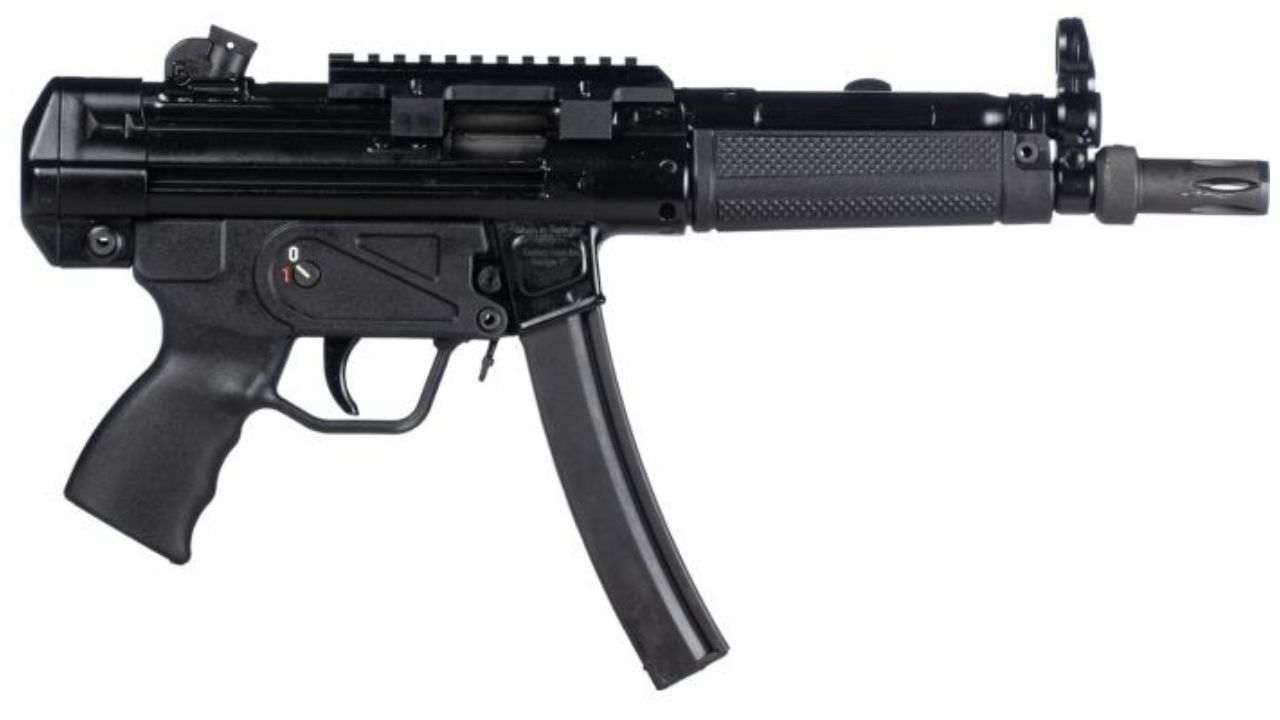
The Century AP5 gives buyers a lot of emotional payoff up front. It scratches the MP5 itch, looks the part, and makes people feel like they got into a famous style of gun without paying true HK money. That is a powerful combination. The owner gets the image, the cool factor, and the range presence, and all of it helps them feel like they made a sharp move instead of spending collector-level cash.
Then the resale market reminds them that “not HK money” also means “not HK resale.” That is where some of the louder defending starts. Once owners realize the gun will not bounce back the way they hoped, they start leaning hard on how it is just as enjoyable, just as capable, and basically just as good if you are “honest.” Maybe for some shooters it is plenty. But there is also a lot of emotional padding in that argument when the alternative is admitting the market puts a ceiling on what the gun really is.
Walther CCP M2
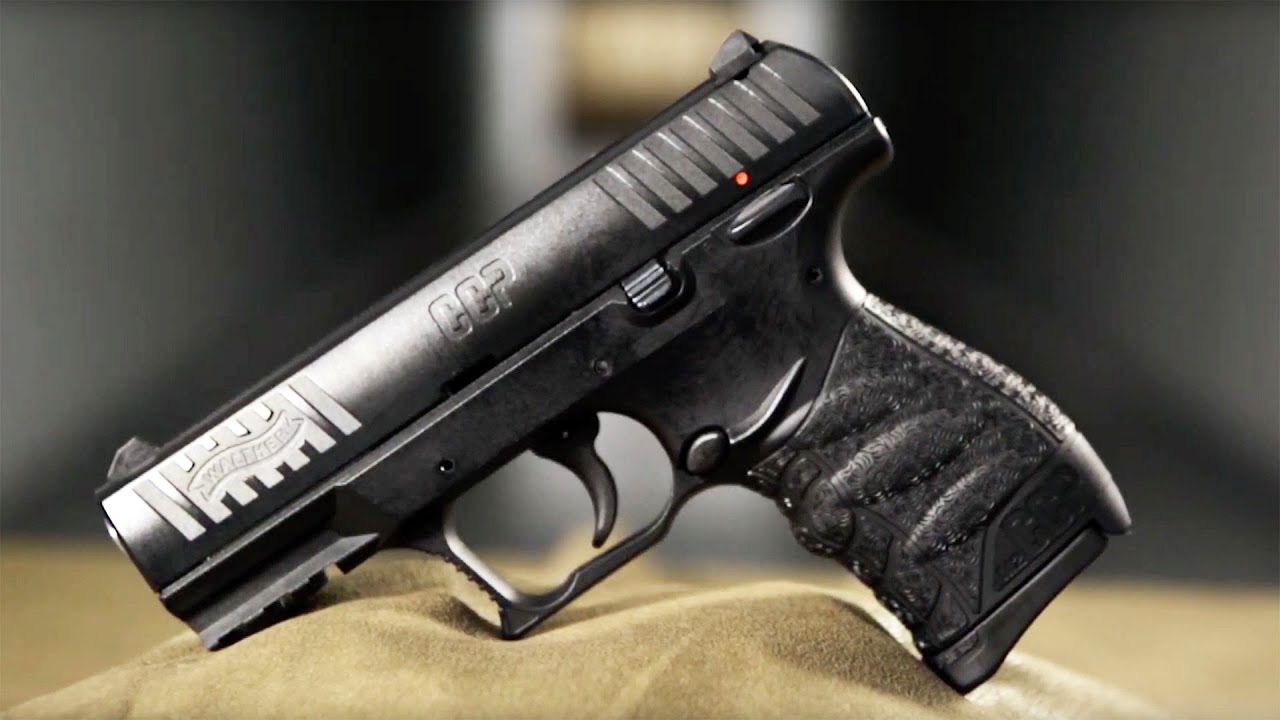
The Walther CCP M2 was easy to justify because it sounded like a thoughtful answer to a real problem. Softer recoil, easy-to-rack appeal, trusted brand name, and a carry-friendly role all made it seem like more than just another slim 9mm. A lot of people bought it because they wanted a pistol that felt smarter and more refined than the harsher little carry guns flooding the shelves.
That story gets harder to maintain when you look at the used market. The CCP M2 is not exactly the kind of pistol people claw over in secondhand listings, and that makes owners defensive fast. Once selling it starts to look like a losing move, they begin talking about how it is one of the most underrated carry pistols ever made and how people only ignore it because they chase hype. That may be partly fair, but the tone often changes the second resale stops looking comfortable.
Rock Island VR80

The Rock Island VR80 sells like a whole experience. It looks aggressive, feeds into the tactical shotgun mood, and gives buyers the sense they bought something that will absolutely dominate casual range days and get plenty of attention in the process. That sort of purchase is not just about utility. It is about fun, image, and that first-week excitement of owning something that looks like it should be a blast.
The trouble is that these kinds of shotguns often cool off hard once the novelty settles and the used market starts acting like a bucket of cold water. Suddenly the owner is staring at a number that makes selling feel like a punishment. So now the VR80 becomes something they defend almost on principle. It is not just a fun gun anymore. It is a misunderstood, highly capable platform that people unfairly criticize. Sometimes that is conviction. Sometimes that is a man looking at a resale estimate and deciding he would rather become a spokesperson.
Bersa TPR9C
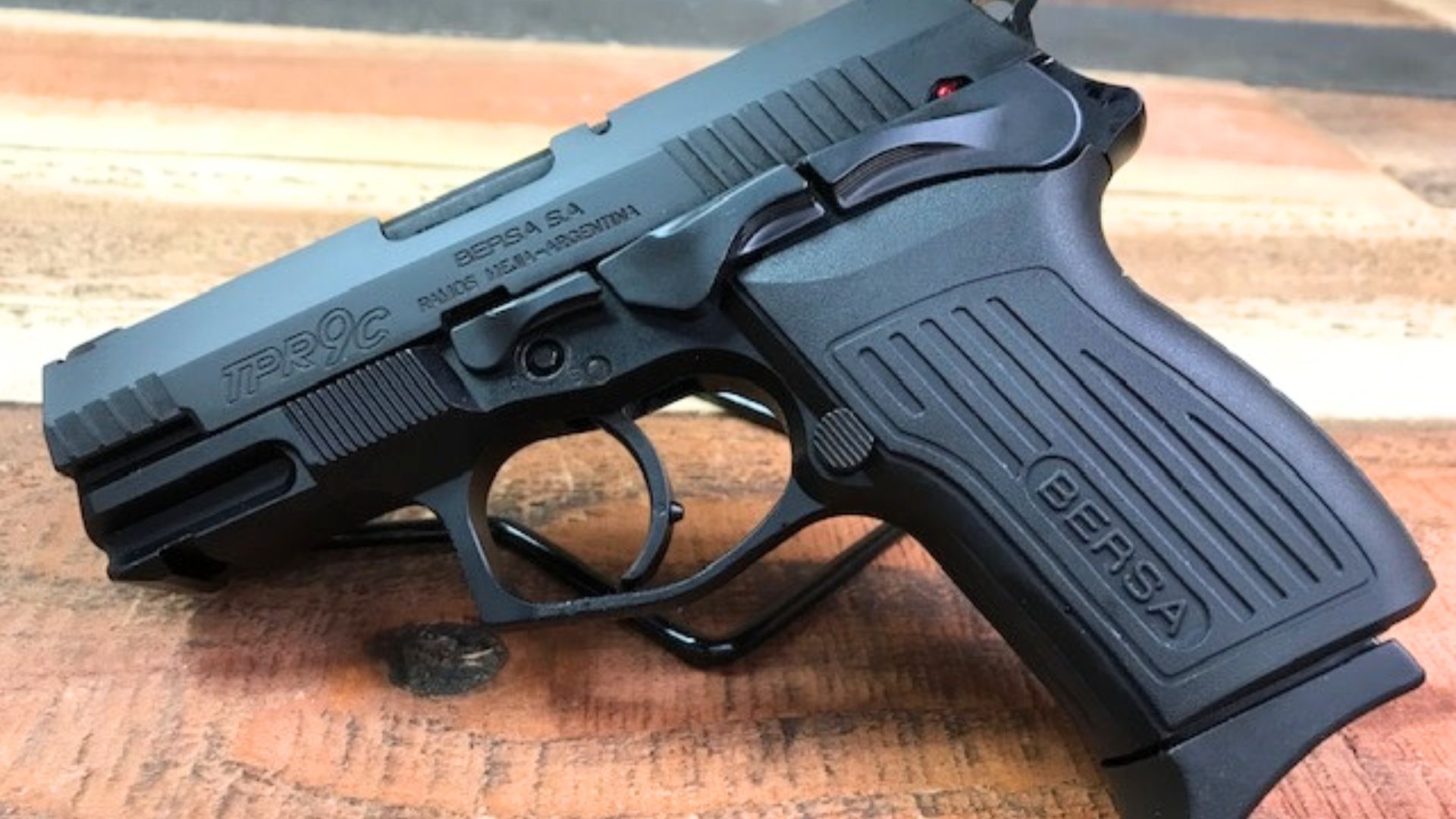
The Bersa TPR9C attracts buyers who like the idea of a traditional double-action pistol that feels different from the same few usual carry choices. It gives them metal-frame appeal, a familiar operating style, and the satisfaction of buying something that seems more interesting than the polymer defaults. That can feel like a grown-up purchase, especially for someone who is tired of hearing the same striker-fired recommendations every time pistols come up.
Then comes the part where the used market reminds them that interesting is not the same thing as liquid. Once they see what selling it would really bring, the defensive language starts showing up. Now it is one of the most overlooked pistols ever made. Now it is “rock solid” and “better than half the stuff people overpay for.” Maybe it is a decent gun. But a lot of that intensity tends to rise exactly when the owner realizes the exit door leads straight into a loss.
Savage A22 Magnum
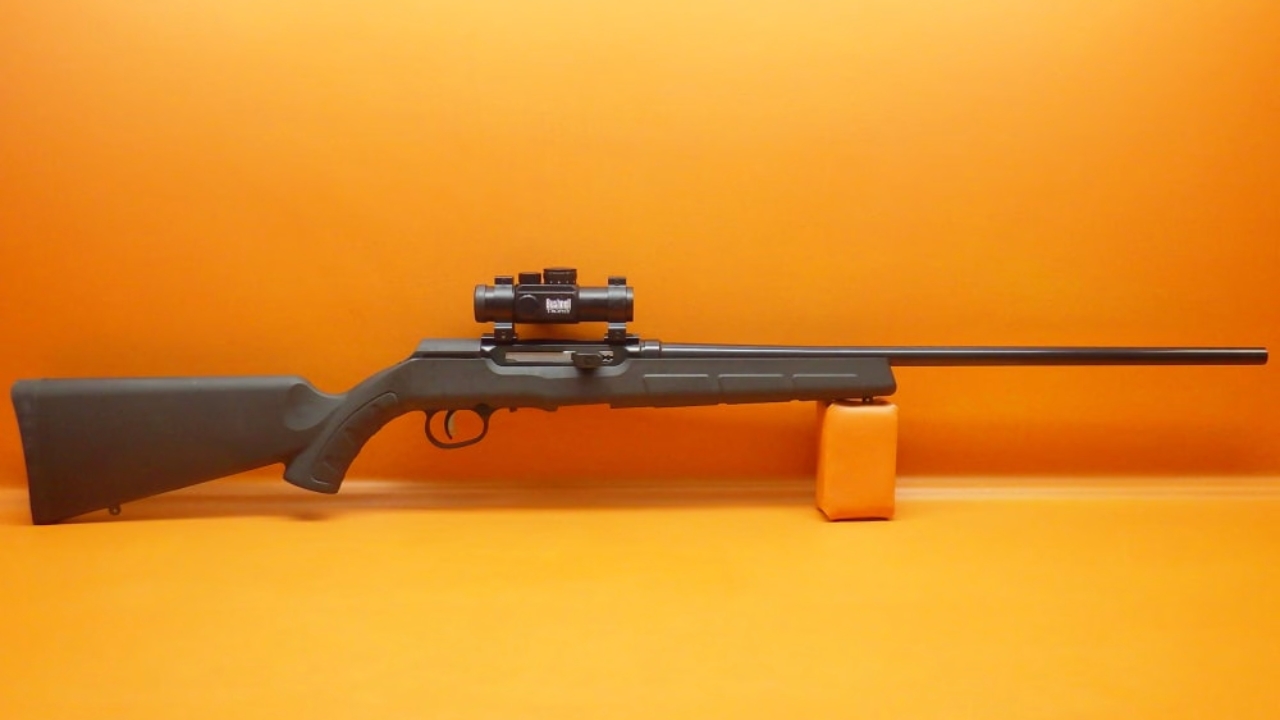
The Savage A22 Magnum is one of those rifles people buy because it sounds like a fun step above ordinary rimfire ownership. Semi-auto .22 WMR has real appeal in theory, and the rifle itself looks like a practical, useful piece for varmints and general range fun. That is the kind of purchase that feels smart at the moment because it seems to offer a little more edge than the usual rimfire without entering serious centerfire cost territory.
Then the resale math shows up and takes some of the enthusiasm with it. Specialty rimfire rifles do not always hold value the way buyers imagine, especially when the market is crowded and everybody already has their own idea of what a rimfire should cost. So owners start defending the A22 Magnum harder than expected. It becomes a rifle other people are “sleeping on.” Maybe so. But there is also a good chance that talking it up feels better than listing it and finding out what the market really thinks.
Springfield Echelon

The Springfield Echelon came in with enough hype and enough feature appeal to make buyers feel like they were getting in on the next serious polymer pistol. That matters, especially for people who like being early on something that seems poised to challenge the usual favorites. The modularity, the optics-friendly setup, and the overall presentation gave it real momentum. At purchase time, it felt like a pistol you could argue for with a straight face.
If resale softens, though, that straight face often turns into a sales pitch. Owners who realize they will not get back what they expected tend to become even more vocal about how the Echelon is every bit as good as the big names and how people are fools for sleeping on it. Some of that may be fair. It may well be a strong pistol. But the emotional volume usually rises in direct proportion to how much the owner knows selling now would sting.
Turkish-imported over-under shotguns
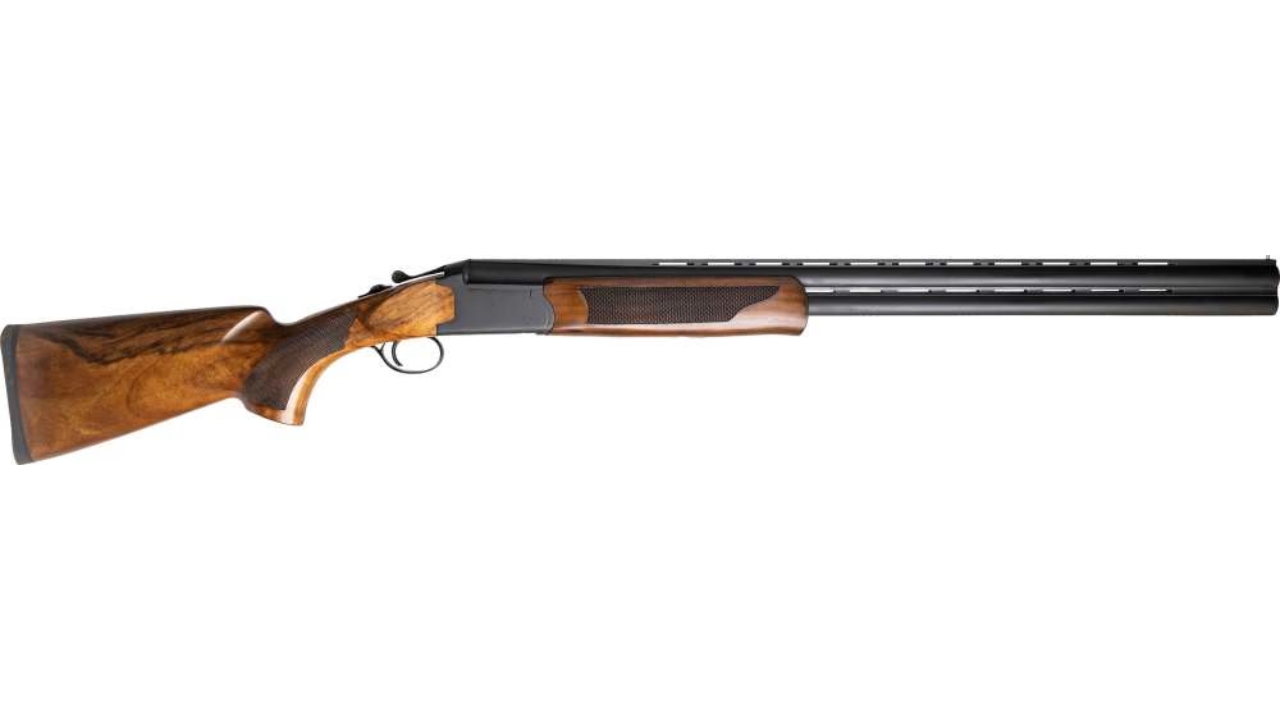
A lot of Turkish over-under shotguns get bought because they look like a shortcut to a more expensive ownership experience. Nice wood, decent lines, and the promise of break-action class without Browning or Beretta money can be hard for buyers to ignore. At the counter, it feels like beating the system. You get the look, the format, and the pride of owning an over-under without swallowing the price of the established names.
That confidence gets shaky when the resale market treats the gun like an inexpensive import instead of a hidden treasure. That is when owners start defending them with real passion. Suddenly every criticism is just snobbery, and every buyer who paid more for a better-known gun is supposedly wasting money. Sometimes those imports do fine. But the fierceness of the defense often says more than the argument itself. A lot of men are not protecting the shotgun so much as protecting themselves from how little the market wants to pay them back.
SCCY CPX-2
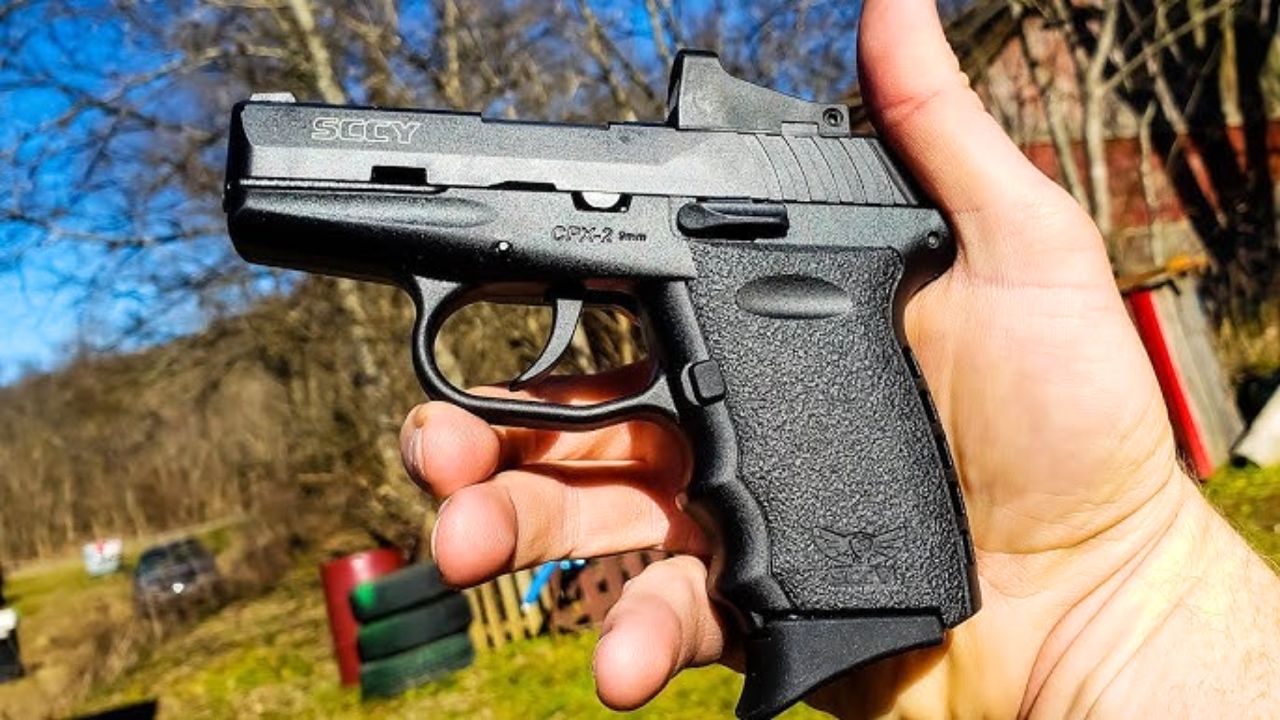
The SCCY CPX-2 is exactly the kind of pistol people defend after the fact because they know the money is gone either way. It got bought because it was affordable, available, and easy to justify as a practical solution at the time. Plenty of people do that math. They tell themselves they just need something that works, and the low entry price makes every doubt easier to ignore for a while.
Then they discover that cheap in does not mean easy out. The resale is often bad enough that selling it feels almost pointless, so the owner starts talking himself into staying loyal. Now it is not just a budget gun. Now it is a perfectly fine carry pistol that people unfairly bash because they are brand snobs. Sometimes maybe. But a lot of that fierce loyalty shows up only after the owner realizes the marketplace has no intention of helping him feel better about what he bought.
IWI Masada
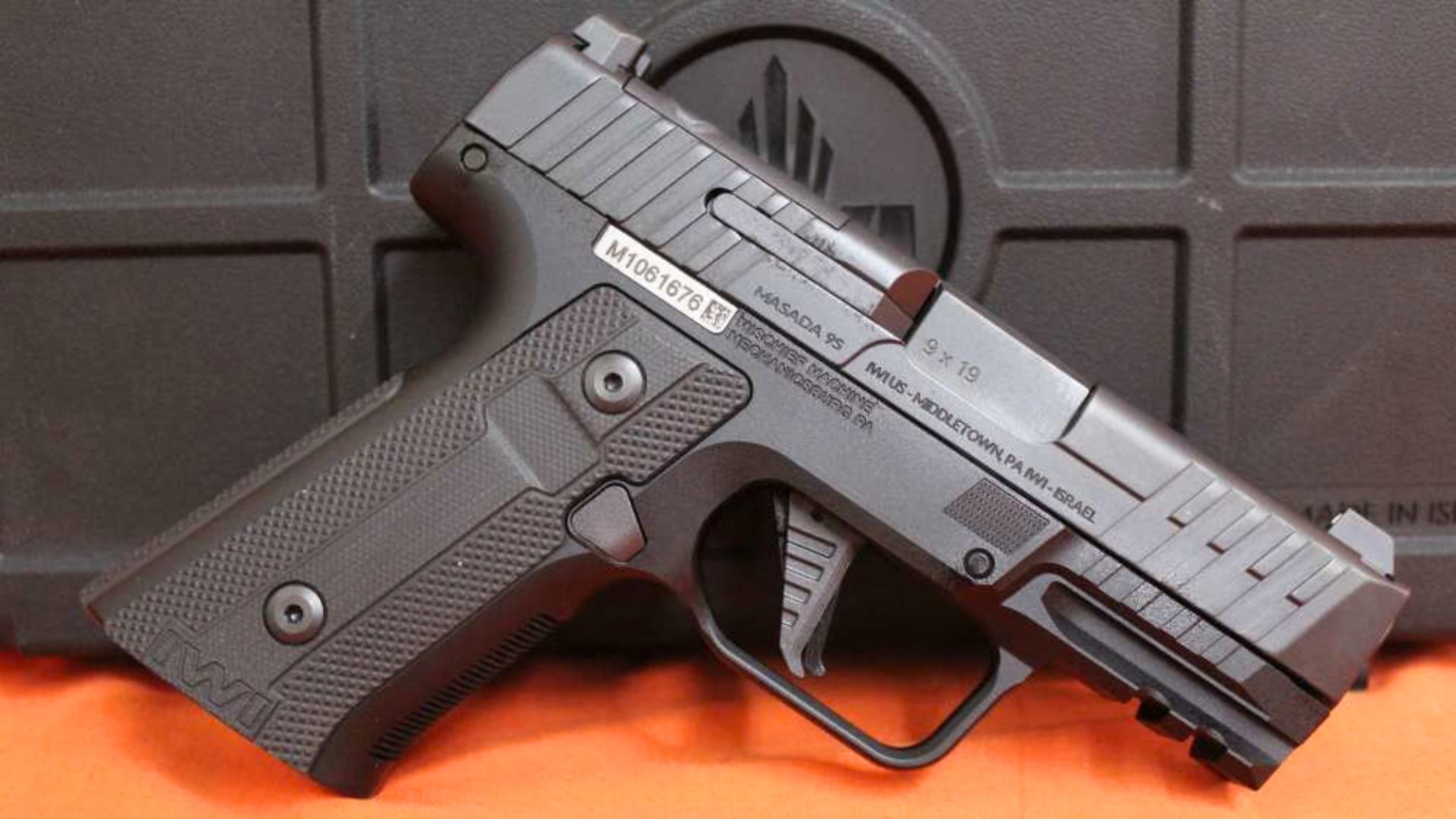
The IWI Masada appealed to buyers who liked the idea of a duty-style pistol from a company with a tougher image than the average polymer brand. It felt serious, looked capable, and gave people the sense that they found a practical handgun that still carried a little extra edge. That is an easy kind of buy to feel proud about. Nobody wants to think they grabbed the dull, obvious option.
But the used market does not always reward that kind of pride. Once owners see that resale is not where they hoped, the Masada starts getting defended in stronger language than the average merely decent pistol. Now it is a hidden masterpiece. Now it is what people would buy if they “knew better.” The gun may very well be competent, but that surge of evangelism often has as much to do with protecting the purchase as it does with honestly describing the handgun.
ATI Bulldog

The ATI Bulldog gets bought because it looks mean, promises cheap shotgun fun, and gives buyers the sense that they are getting a lot of attitude for not much money. That kind of purchase is almost built around impulse. You see it, imagine the range-day reaction, and tell yourself it is too good of a deal to pass up. At that moment, it feels like a harmless, entertaining move.
Later on, when the shine wears off and the resale number looks brutal, the owner often starts defending it like a family member. That is how these things go. The gun becomes “a blast,” “way more reliable than people say,” and “totally worth keeping.” Maybe it is fun in the right mood. But a big part of that defense usually comes from knowing full well that selling it would mean admitting the market values the joke less than he paid for the punchline.
Kimber R7 Mako

The Kimber R7 Mako pulled in buyers who wanted a carry pistol that felt more polished and a little more upscale than the sea of ordinary micro-compacts. The Kimber name did a lot of work there. It let owners feel like they bought into a nicer tier of concealed-carry gun without having to explain much. That kind of branding can make a purchase feel smarter and more premium before the pistol has really earned it.
If resale comes in soft, though, that premium feeling gets replaced by defensive certainty in a hurry. Owners start insisting the Mako is one of the best carry guns out there and that people who overlook it are just followers. Maybe the pistol is good enough to deserve some praise. But there is also a reason the praise often gets louder once the owner realizes selling it now would lock in a painful loss. That is when “I like it” turns into “everybody else is wrong.”
Like The Avid Outdoorsman’s content? Subscribe to our newsletter so you never miss an article.
Here’s more from us: