Photo credit: LeverBoy/YouTube
There is a certain kind of gun purchase that changes the way people talk. Before they buy it, they are full of confidence. They tell themselves the price makes sense, the reputation is earned, and this is the kind of firearm serious people eventually end up owning. Then they spend the money, live with the thing for a while, and slowly realize it is not nearly as impressive, practical, or satisfying as they expected. That is when the coping starts.
Instead of admitting they overpaid, a lot of buyers double down. They start defending every flaw, romanticizing every inconvenience, and acting like the high price itself proves quality. It is easier to praise a disappointing gun than admit you got emotionally baited into a bad value. That is what these firearms have in common. They are the ones people keep insisting are “worth it” mostly because saying otherwise would mean admitting the receipt still hurts.
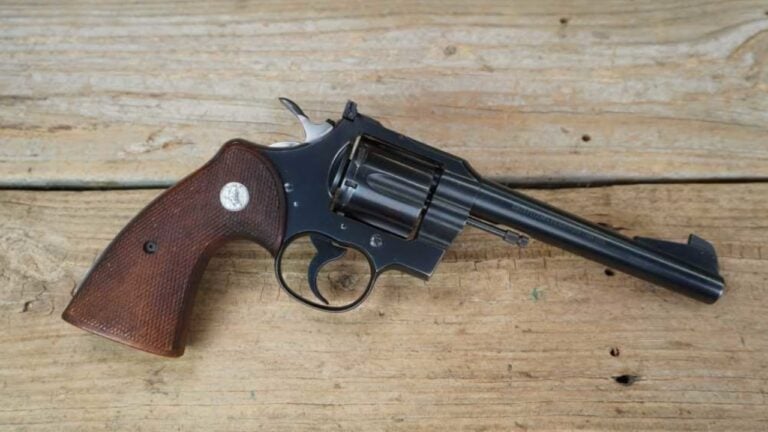
Colt Python

The Colt Python is one of the easiest guns for buyers to emotionally defend after the money is already gone. The name is huge, the reputation is bigger, and the buyer usually walks in feeling like he is about to join some higher class of revolver ownership. Once he pays that kind of money, he almost has to believe the experience is extraordinary.
That is why so many owners start making excuses the second the practical side feels less magical than expected. They talk around the price, around the limited real use, and around the fact that a lot of what they bought was prestige. The Python can still be a fine revolver, but plenty of buyers praise it so aggressively because they need the purchase to keep feeling brilliant long after the math says otherwise.
Desert Eagle
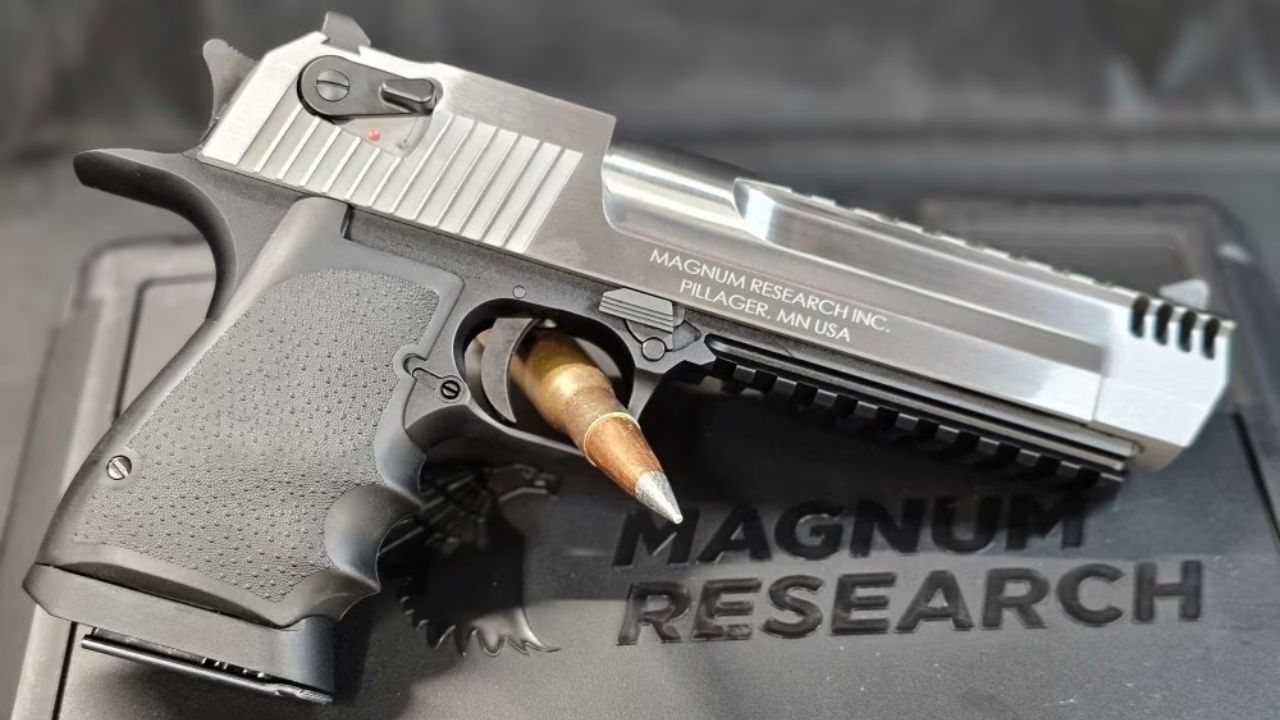
The Desert Eagle makes buyers defensive because almost nobody gets one through calm, rational need. They buy it because it is famous, absurd, and guaranteed to draw attention. Once the bill is paid, they want the gun to be more than a novelty, because admitting it is mostly a novelty would mean admitting they spent a lot of money on an oversized range toy.
That is why owners start talking about it like it is somehow more practical, more rewarding, or more important than it really is. They lean on the power, the cool factor, and the presence because the actual ownership experience is heavy, expensive, and narrow. The praise gets louder the moment the buyer realizes the firearm itself is not doing nearly enough to justify what he spent.
Springfield Armory M1A
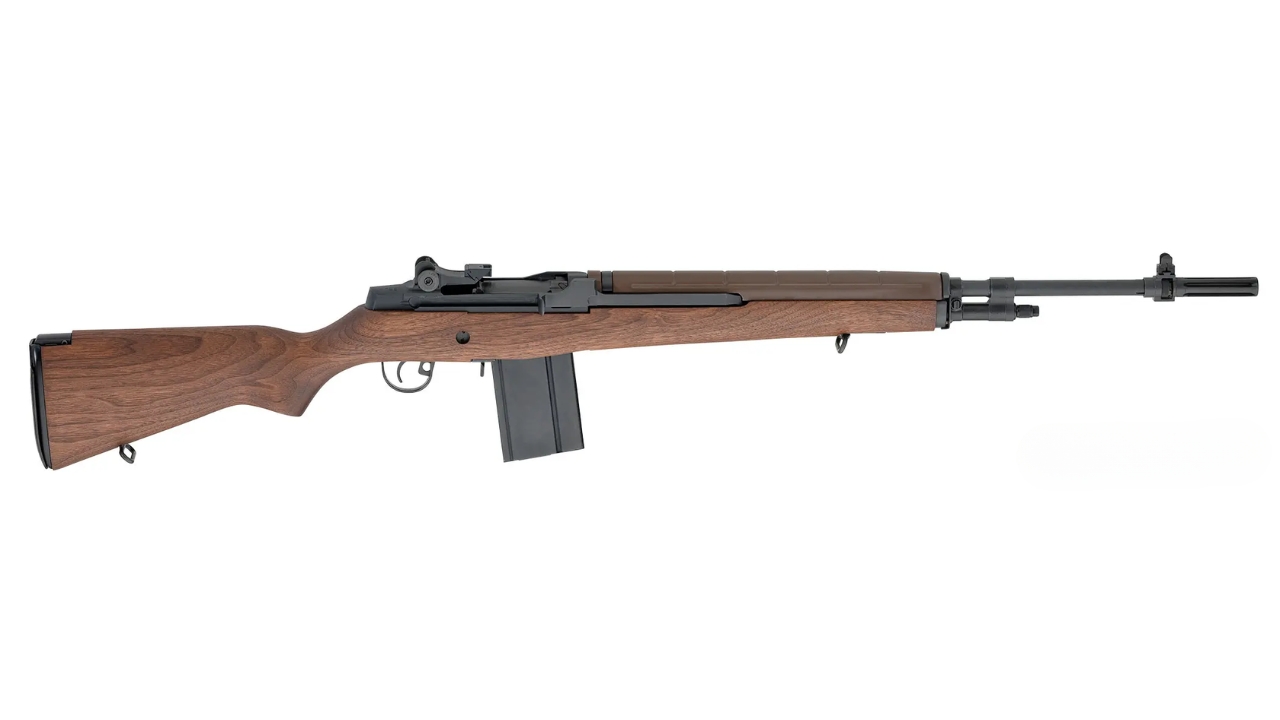
The Springfield Armory M1A gets defended hard because buyers usually come into it wanting an identity as much as a rifle. They want walnut and steel, military-style authority, and something that feels more serious than a plain modern semi-auto. Once they spend that kind of money, it gets very difficult to admit the rifle can also be heavy, awkward, and expensive to fully set up.
So they start romanticizing the burden. The weight becomes “substantial.” The optics hassle becomes part of the rifle’s character. The premium becomes proof that they bought something meaningful. That is how people talk when they need the purchase to stay emotionally safe. The M1A has real appeal, but plenty of owners keep praising it with extra intensity because backing off would feel too much like admitting they bought a story.
Walther PPK
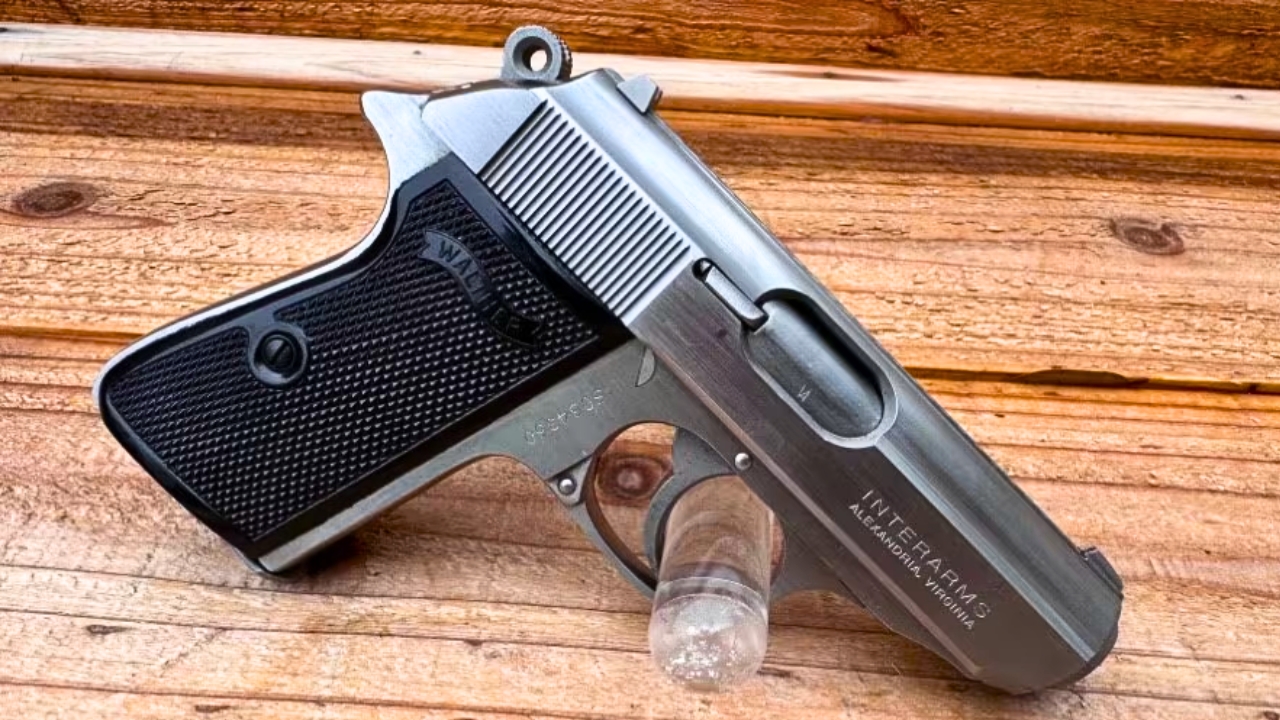
The Walther PPK fools people into paying for style, then dares them to admit style was most of the purchase. That is a rough spot for the ego. Buyers expect elegance, history, and timeless carry appeal, and once they have paid the premium that comes with that image, they are not eager to admit the shooting experience may be sharper and less impressive than they imagined.
That is why so many people keep talking about the PPK like it is above criticism. They are protecting the idea they bought, not only the gun itself. The bite, the snappy feel, and the outdated practicality get brushed aside because those things are inconvenient to the story. A buyer who paid too much often needs the reputation to stay polished, even when the real results are far more average.
Winchester Model 94

The Winchester Model 94 creates this behavior because nostalgia is expensive, and people hate admitting how much they paid for it. Buyers see one and start thinking about deer camps, old stories, and everything the rifle seems to represent. Then they pay more than they should for a common example and spend the next year talking like the rifle is priceless wisdom carved out of steel and walnut.
That reaction is often less about the rifle than about defending the purchase. The Model 94 can absolutely be a good, likable rifle, but there are a lot of ordinary examples carrying extraordinary emotional premiums. Once someone pays one of those premiums, he starts acting like every rough edge is part of the rifle’s magic. That is often just buyer justification wearing a nostalgic smile.
HK P7

The HK P7 gets this treatment because it makes buyers feel clever. It is unusual, expensive, admired by serious gun people, and easy to talk about like it belongs in a higher intellectual category than most pistols. Once someone pays a painful amount for one, he does not want to admit that some of the practical realities are a lot less charming than the concept.
So the owner starts reframing everything. Heat becomes proof the pistol is “interesting.” Expensive magazines become part of owning something elite. Limited support becomes the cost of appreciating genius. That sort of language usually means the buyer is emotionally protecting the purchase. The P7 can still be impressive, but many owners talk about it with the intensity of people trying very hard not to feel like they spent too much on a conversation piece.
Browning Hi-Power

The Browning Hi-Power gets defended hard because buyers often go into it expecting a life-changing classic. They have heard about the history, the military service, the lines, and the way serious shooters talk about it. Once they pay a premium to finally own one, they are strongly motivated to believe they bought something that still towers over ordinary pistols.
That can make honesty difficult. Instead of saying the gun is handsome but no longer the easiest value to justify, they start talking like every compromise is part of its nobility. The smaller modern inconveniences get excused because admitting them too plainly would threaten the emotional return on the purchase. The Hi-Power is not bad. It is simply one of those guns people praise harder once the price makes them feel like they have to.
Colt Single Action Army

The Colt Single Action Army creates some of the strongest post-purchase theater in the gun world. Buyers do not spend that kind of money expecting to feel neutral afterward. They expect to feel validated, elevated, and connected to something bigger than themselves. When the reality turns out to be a revolver whose practical value depends heavily on collector interest and personal romance, the need to justify the expense gets very strong.
That is why buyers start speaking in reverent tones the second they own one. Every dollar becomes sacred because too much emotion is tied up in the purchase to allow much self-criticism. They are not always defending the revolver itself. They are defending the decision to spend that much in the first place. Once that happens, clear-eyed judgment usually leaves the room.
SIG Sauer P226 West German
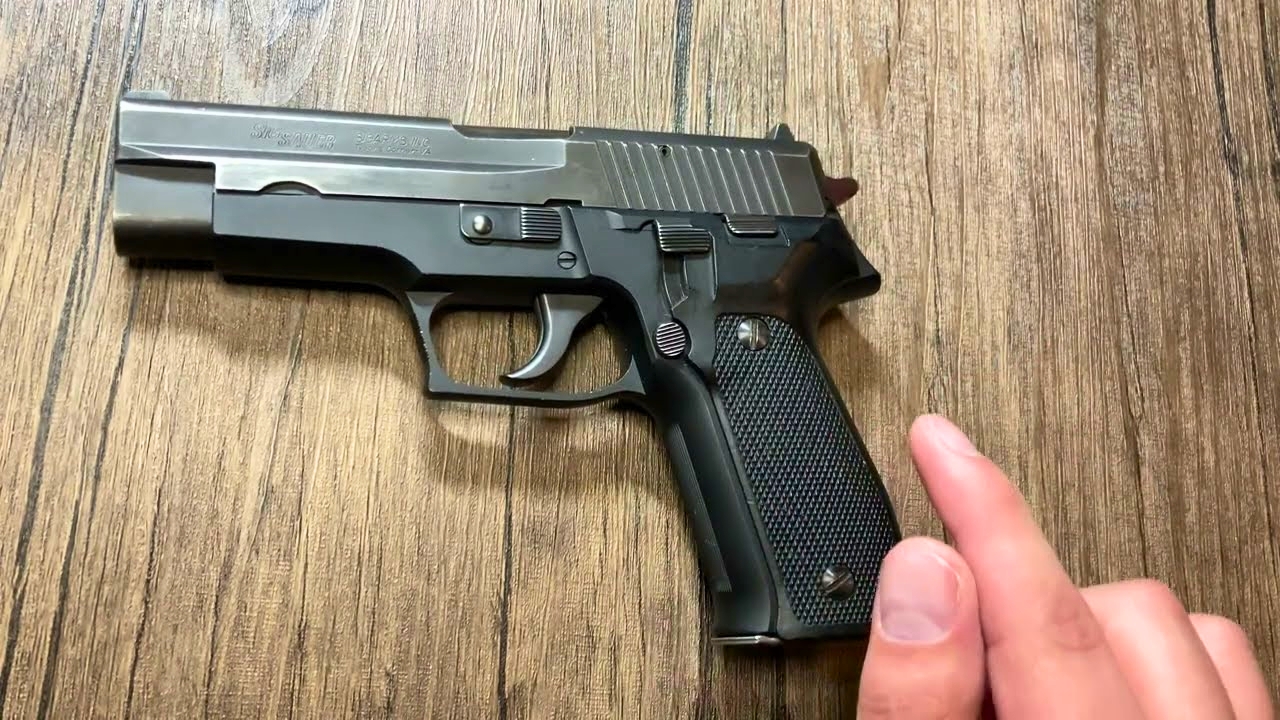
West German SIG pistols create this behavior because buyers often pay for the phrase as much as the firearm. They want one of the old good ones. They want the era, the mood, the reassurance that they bought from a time when everything was allegedly better. Once they pay that premium, admitting the gun may not deliver dramatically more than a cheaper alternative becomes psychologically expensive.
So they begin treating every detail like proof of superiority. Wear becomes character, the roll marks become sacred, and the cost becomes evidence of discernment. A lot of that praise is less about the gun and more about protecting the buyer’s self-image. Nobody wants to believe he paid extra mostly for a story, so the story gets repeated until it feels like performance.
Ruger No. 1

The Ruger No. 1 makes buyers defensive because it is such an emotional purchase to begin with. Nobody buys one by accident. They buy it because they love the lines, the elegance, and what the rifle seems to say about them. Once they have paid a strong price for a single-shot that is less practical than countless other rifles, they tend to become very invested in proving that the romance was worth it.
That is why owners often talk about the rifle in almost moral terms, as though preferring it makes them wiser than ordinary buyers. Sometimes that is genuine affection. Sometimes it is also self-protection. They do not want to admit they paid more for style and feeling than for utility. So they elevate the rifle into a statement of taste, which is often what people do when the numbers alone are harder to defend.
Beretta 92FS Inox

The Beretta 92FS Inox gets over-defended because the buyer usually pays a premium for a vibe. The pistol looks great, carries service-pistol credibility, and feels like the ideal version of a gun that already had a loyal following. Once that extra money is spent, people become very resistant to the idea that what they mostly bought was visual appeal layered on top of a big metal 9mm.
That is why they start insisting the Inox is somehow in a different category entirely. The size becomes part of its dignity. The premium becomes part of its class. All of that can be true in a personal sense, but it also often sounds like a buyer trying to convert aesthetic satisfaction into hard value. The louder the defense gets, the more likely it is the price tag is still echoing in the back of his mind.
Savage 99

The Savage 99 creates a quieter version of the same problem. Buyers often overpay for one because they like feeling like they appreciate something subtle and historically smart. Once they pay too much, they do not want to sound like they got carried away, so they start talking as though every Savage 99 is a deeply enlightened purchase no matter what they actually bought.
That is where the pretending begins. A common example in average condition becomes a meaningful artifact because the buyer needs it to be. The rifle may still be good and interesting, but the intensity of the praise often has less to do with the actual gun than with the owner’s need to feel shrewd. People who paid too much love telling themselves they bought wisdom instead of emotion.
Browning Auto-5

The Browning Auto-5 gets praised defensively because the humpback shape and the history make it easy for buyers to spend with their heart first. Once they do, they are highly motivated to believe every dollar was well spent. That can make ordinary examples sound like masterpieces in conversation long after the owner has started suspecting the premium was driven mostly by nostalgia.
So they lean hard on heritage, craftsmanship, and “they don’t make them like that anymore” energy. Some of that is fair. Some of it is also classic post-purchase self-soothing. A gun can be respectable and still overpriced, but buyers do not like saying both things out loud after they have already paid. That is why the praise often gets strongest right where the value case gets weakest.
Walther P38

The Walther P38 gets this treatment because buyers often pay for historical gravity and then feel obliged to treat the whole purchase like a wise move. Once they have stretched for a P38 on the strength of reputation and wartime significance, it becomes easier to talk up the gun than to admit the practical ownership experience is not nearly as compelling as the history lesson attached to it.
That is where the pretending shows. The buyer starts acting like the pistol’s importance automatically settles every question about price and satisfaction. But history and value are not always the same thing. Plenty of owners keep praising the P38 as though that praise itself will smooth over the fact that they paid mostly for significance, not necessarily for a firearm that delivers much joy beyond the collector story.
Colt Detective Special

The Colt Detective Special makes buyers do this because it feels cool in such a believable way. It seems practical, stylish, historic, and tasteful all at once, which makes it very easy to overpay for and still feel smart at the time. Later, once the buyer realizes a healthy chunk of the premium came from the Colt name and old-school aura, the temptation is to keep talking the revolver up instead of admitting the emotional markup.
So they frame every feature like proof that they made the right call. The size, the look, the age, the reputation all become tools for defending the decision. That does not mean the revolver is bad. It means a lot of people paid too much for one and then started speaking like they had bought perfect judgment in blued steel. That kind of praise usually says as much about the owner’s pride as it does about the gun.
Pre-64 Winchester Model 70
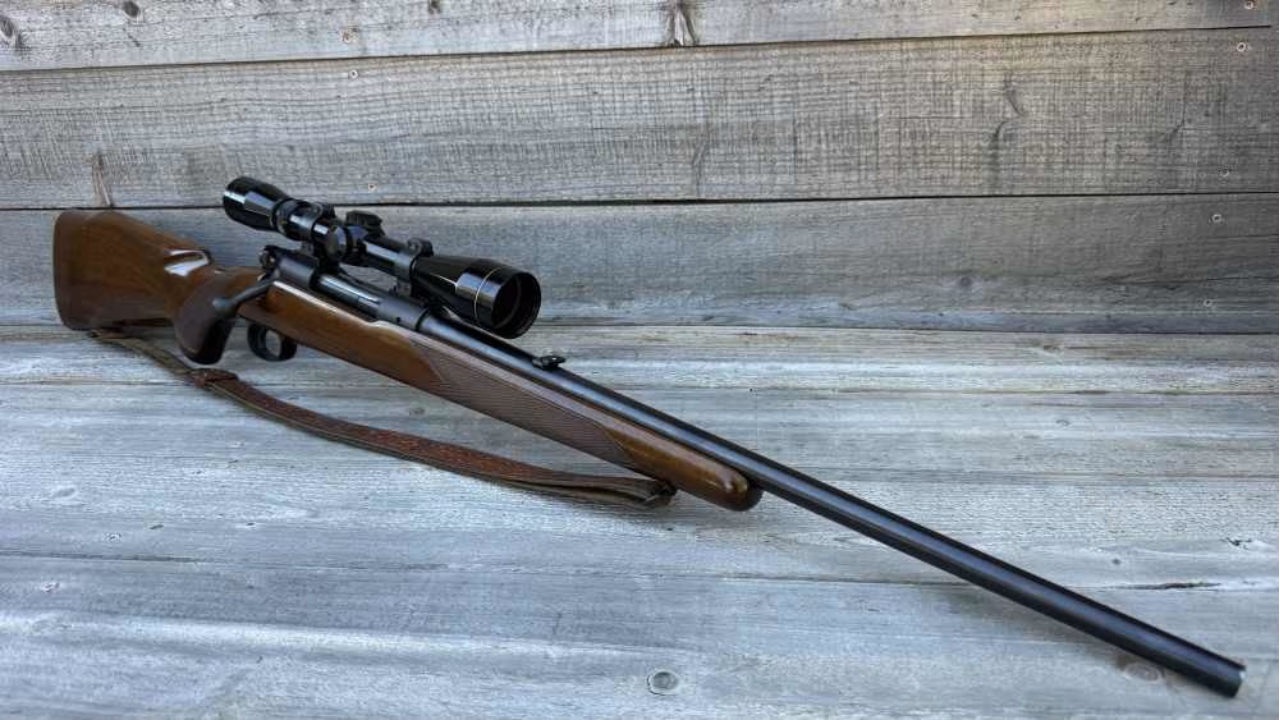
The pre-64 Winchester Model 70 may be the strongest example of all because the phrase itself creates emotional spending. Buyers hear it and instantly feel like the premium must be deserved. Once they hand over a large amount of money, they become deeply invested in treating the rifle like it could not possibly have been overpriced, no matter how ordinary the specific example may actually be.
That is why so many owners start talking about the label as though it answers every question. The chambering matters less, the condition matters less, the real market details matter less, because once someone has paid the pre-64 tax he usually wants the category to do all the defending for him. It is easier to worship the reputation than admit he may have paid far more for the phrase than for the rifle itself.
Like The Avid Outdoorsman’s content? Subscribe to our newsletter so you never miss an article.
Here’s more from us: