Photo credit: Smith & Wesson/YouTube
Older revolvers don’t get the respect they deserve in the self-defense conversation. A well-made wheelgun doesn’t depend on magazine geometry, feed angle, or slide speed. If you can press the trigger straight, it’ll fire. If you can open the cylinder and load it, it’ll go back in service. That kind of mechanical clarity matters when you’re tired, cold, amped up, or trying to solve a problem at bad-breath distance.
A lot of the older “duty era” revolvers were built for people who carried daily and shot often. They were designed to survive holsters, sweat, lint, and years of routine use. Pick the right model, keep it in time, and run a load you can control, and you get a defensive handgun that’s predictable, shootable, and hard to mess up under stress.
Smith & Wesson Model 10

The Smith & Wesson Model 10 is the old patrol car of handguns, and it earned that reputation by running forever. The K-frame points naturally, the sights are easy to read, and the gun balances in a way that helps you keep the muzzle steady when you’re moving. For defensive work, that means quicker hits and fewer “mystery” misses when your heart rate spikes.
You also get a trigger that rewards real practice. A well-worn Model 10 often has a smoother double-action pull than many new guns, and the weight soaks up +P .38 Special better than a featherweight snub. You’re not fighting the gun, so you can focus on your grip, your front sight, and clean follow-through.
Smith & Wesson Model 15
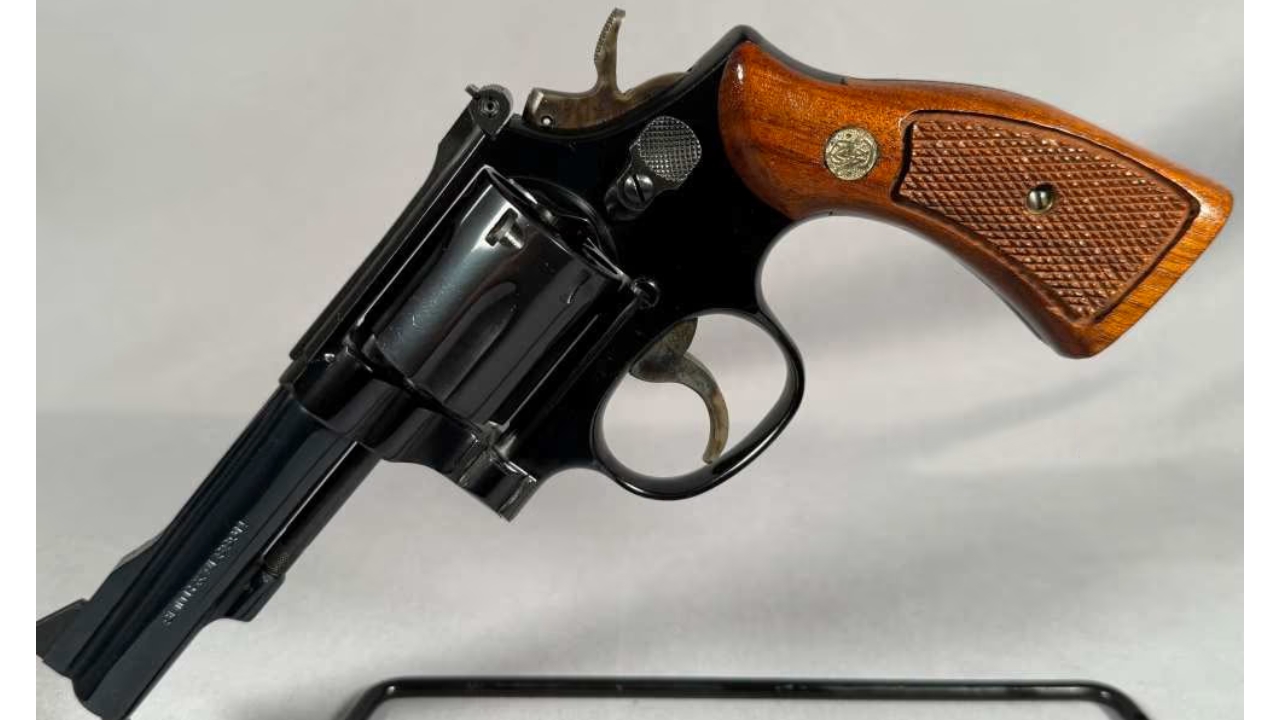
The Smith & Wesson Model 15—often called the Combat Masterpiece—was built around practical shooting. The dial-in sights let you truly zero the gun to your load, and the K-frame grip shape makes it easy to lock in a repeatable hold. When you’re serious about self-defense, consistency is the whole game.
The Model 15 shines in the “do it well” lane: .38 Special with enough barrel to see the sights and enough weight to keep recoil from getting snappy. It’s also a revolver you’ll actually want to train with, because the trigger and balance don’t punish you. Carry it in a quality holster and you get a defensive revolver that feels like it was designed by serious working shooters.
Smith & Wesson Model 13
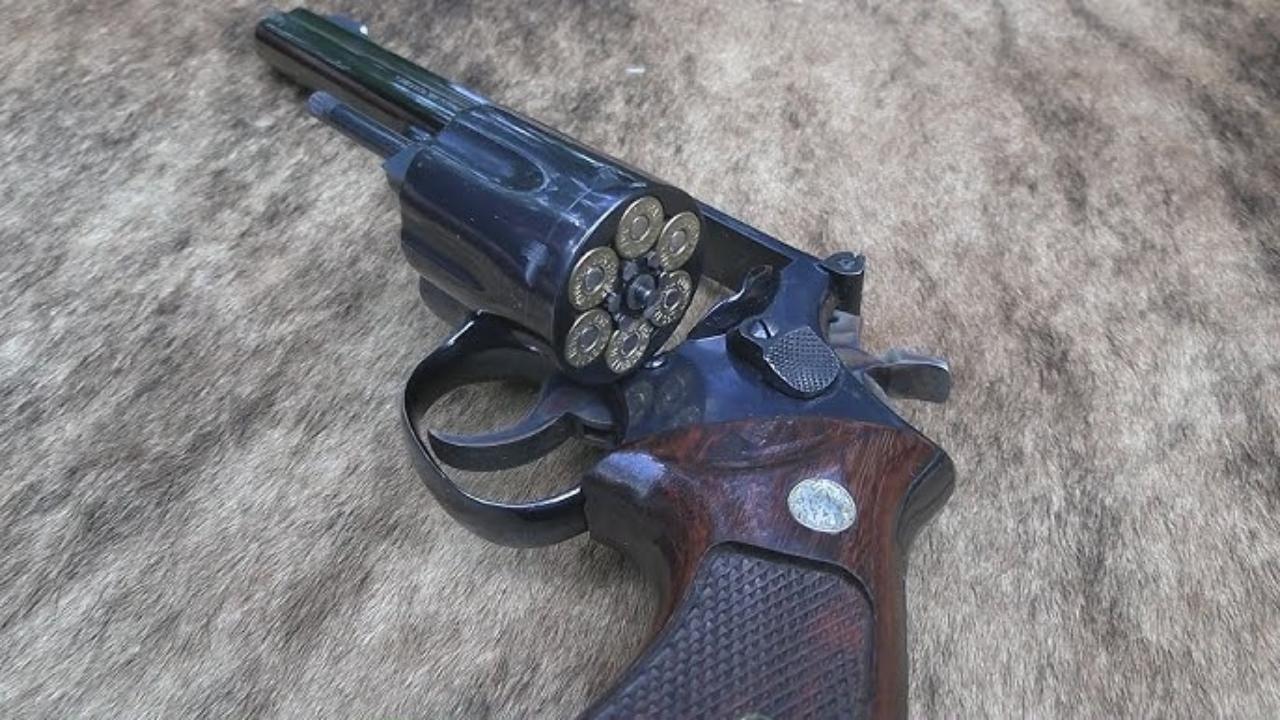
The Smith & Wesson Model 13 is what happens when you take a K-frame and keep it focused on duty use. Fixed sights mean fewer things to snag or get knocked off, and the gun carries cleaner than many dial-in-sight revolvers daily. For defense, that translates to a setup that stays the same every time you draw it.
With a 3-inch barrel, the Model 13 hits a sweet spot: enough sight radius to shoot well, enough ejector rod length to kick cases out reliably, and enough weight to keep .357 Magnum from turning into a miserable experience. Load it with sensible .38 +P or a controlled .357 and it’s a revolver that handles fast strings without beating you up.
Smith & Wesson Model 19

The Smith & Wesson Model 19 is the classic “carry a .357, shoot a .38” answer that still makes sense today. The K-frame fits most hands, and the gun’s balance lets you run double-action smoothly without your sights wobbling all over the place. That’s a big deal when you’re trying to make accountable hits quickly.
Where the Model 19 earns its keep is versatility. You can train hard with .38 Special, then load it with a defensive .357 that you can control in your specific barrel length. You’re not forced into one recoil level all the time. The gun also rides well on the belt, so you’re more likely to actually carry it instead of leaving it in a drawer.
Smith & Wesson Model 66
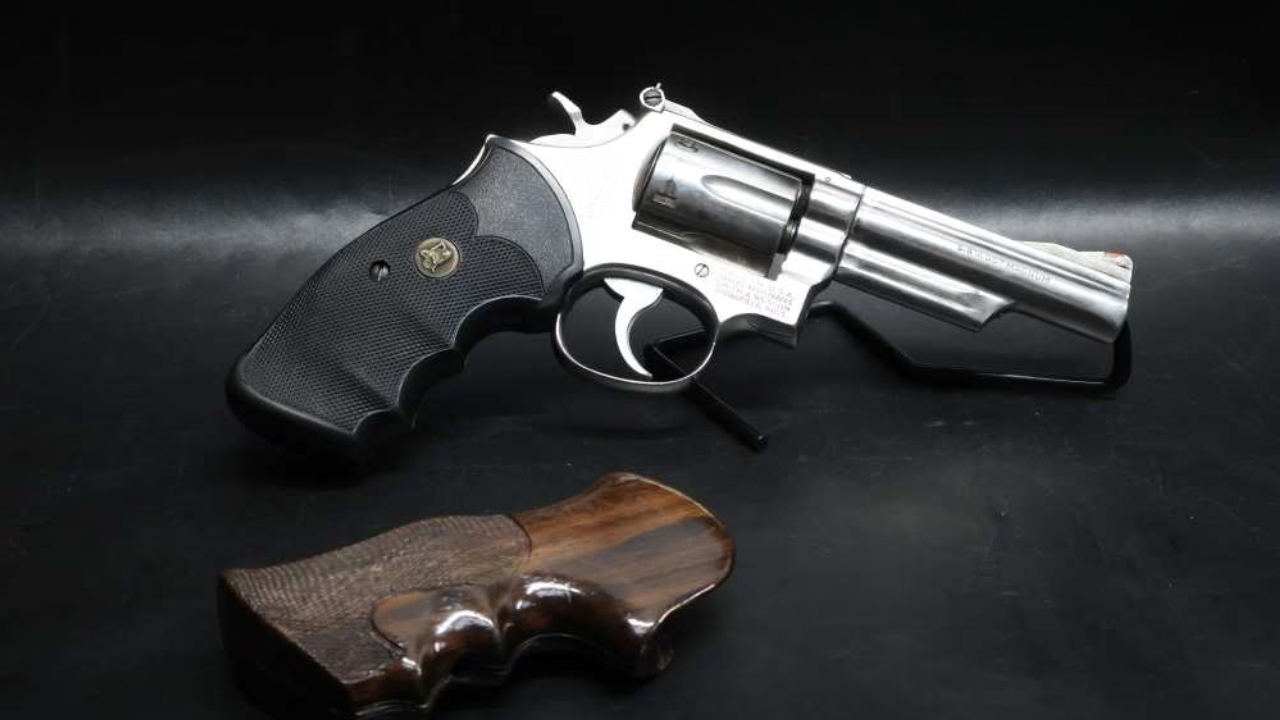
The Smith & Wesson Model 66 takes the Model 19 idea and adds stainless steel, which matters more than people admit. Sweat, humidity, and daily carry are hard on blued finishes, and a stainless revolver is easier to live with if you’re the type who actually carries year-round. Less worry means better habits.
The 66 gives you the same K-frame handling with a bit more forgiveness on maintenance. You still get a trigger that can be tuned to a very smooth pull, and you still get the option of training with .38s while carrying a manageable .357 load. In a 2.5- or 3-inch configuration, it’s quick to draw, fast to point, and steady enough to shoot well when you’re moving.
Smith & Wesson Model 36
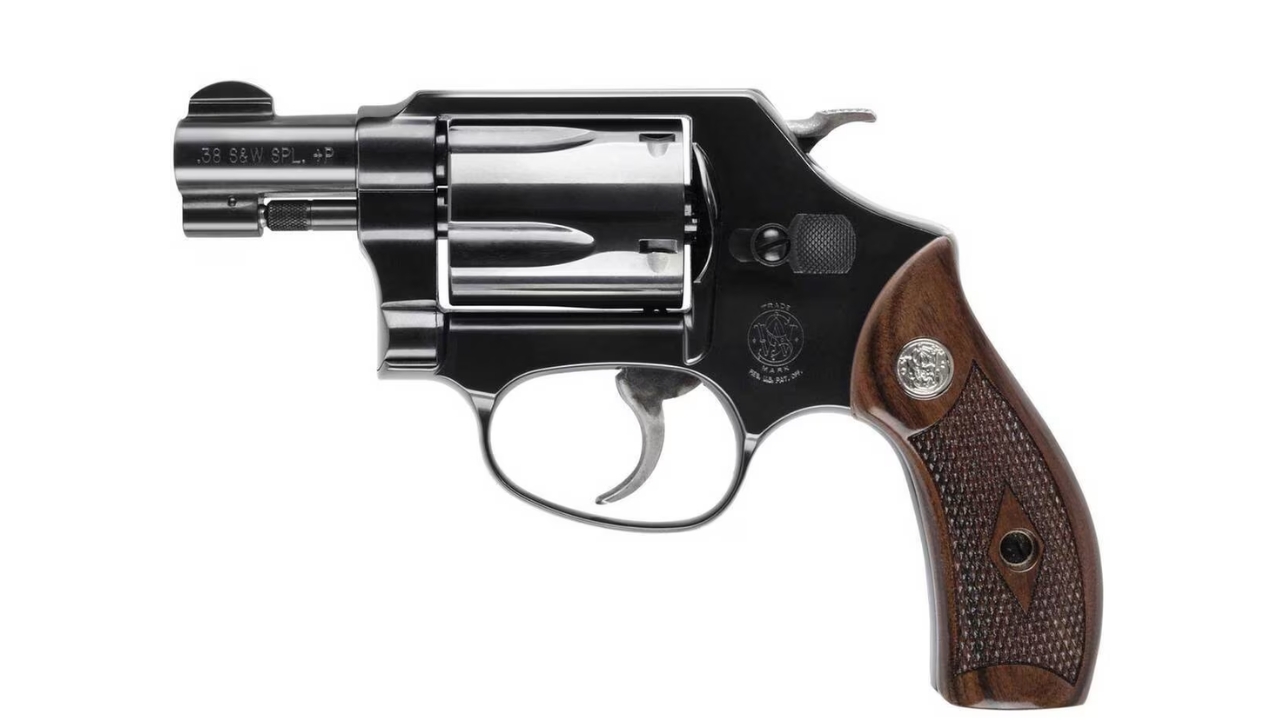
The Smith & Wesson Model 36 is the snub that taught generations how to carry a revolver. It’s small enough to disappear, but it still has real steel weight that keeps .38 Special from feeling like a slap. For self-defense, that matters because small guns are only useful if you can control them.
The Model 36 also rewards a clean grip. The J-frame is less forgiving than a K-frame, but once you learn it, the draw and presentation become automatic. You can keep it in a pocket holster, an ankle rig, or a belt holster without the gun printing like a brick. And because it’s a straightforward five-shot revolver, you can run it reliably even when your hands are sweaty or cold.
Smith & Wesson Model 60
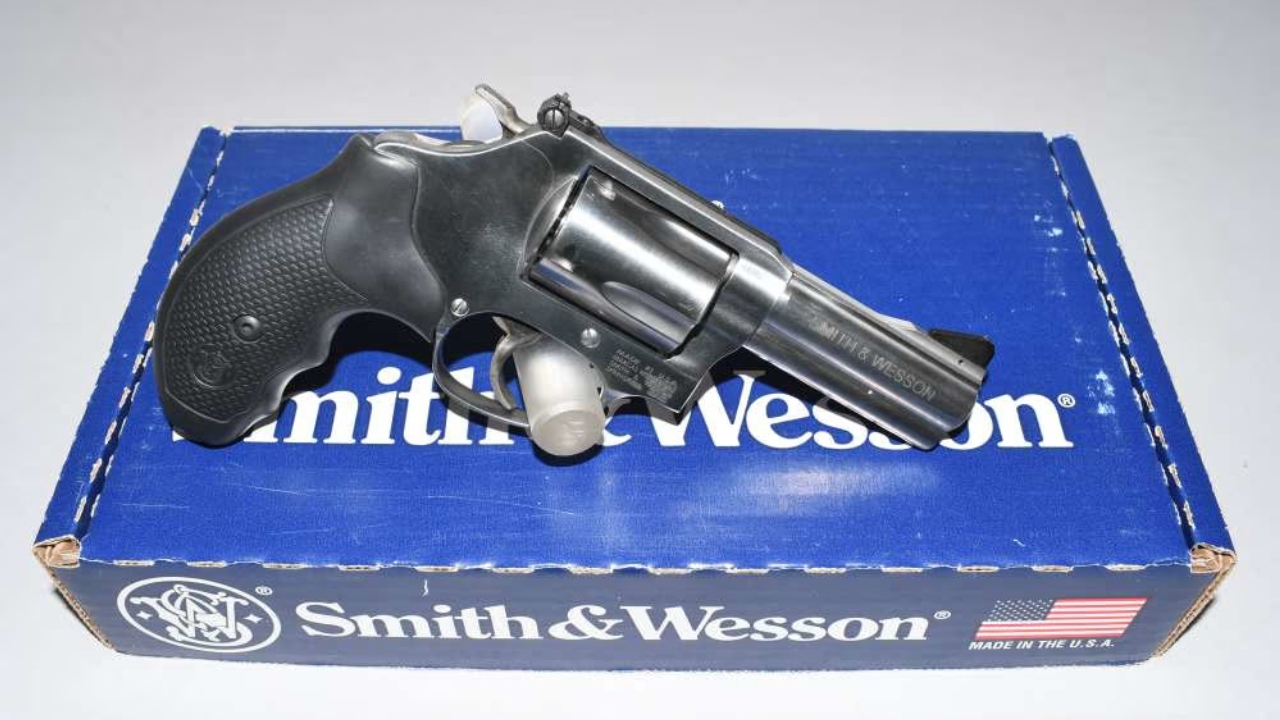
The Smith & Wesson Model 60 was a quiet revolution because it put stainless steel into a carry-size revolver. If you actually carry every day, stainless pays off in real life: less rust panic, less finish wear, and less guilt when the gun lives against your skin. That’s not glamorous, but it keeps you carrying.
The Model 60 is also one of the J-frames that can be shot a lot without feeling disposable. In .38 Special, it’s controllable and accurate if you do your part. In .357, it gets spicy fast, which is why many experienced carriers still choose stout .38 +P loads instead. Either way, you end up with a small revolver that’s easy to maintain and hard to foul up.
Smith & Wesson Model 642
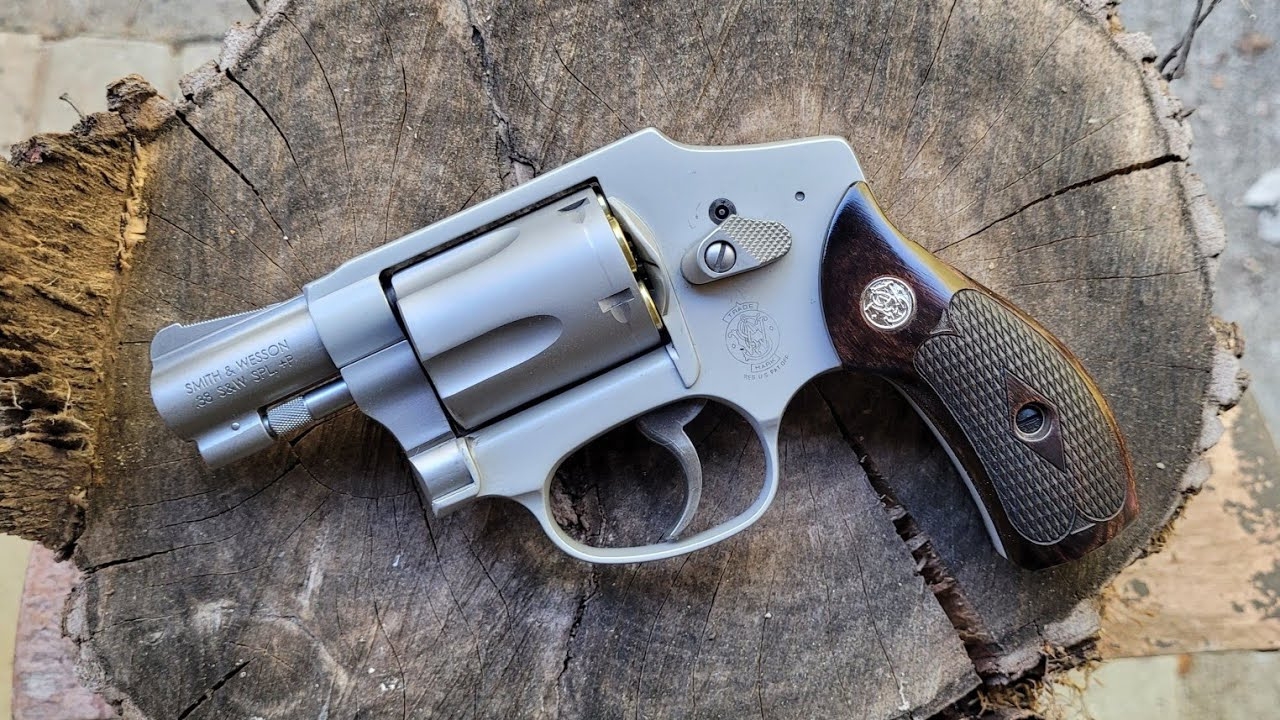
The Smith & Wesson Model 642 is the “always there” revolver for a reason. The enclosed hammer keeps lint and fabric from turning into problems, and it draws cleanly from a pocket or deep-carry holster. When you’re moving fast or you’re half-awake, the fewer snag points you have, the better.
The 642’s light weight also means you’ll actually keep it on you. Yes, recoil is sharper than a steel snub, but it’s still manageable with the right grip and a load that doesn’t turn practice into misery. The real advantage is consistency: the gun carries the same in gym shorts or jeans, and the trigger press is the same every time. It’s a revolver that encourages daily carry instead of occasional carry.
Ruger Security-Six
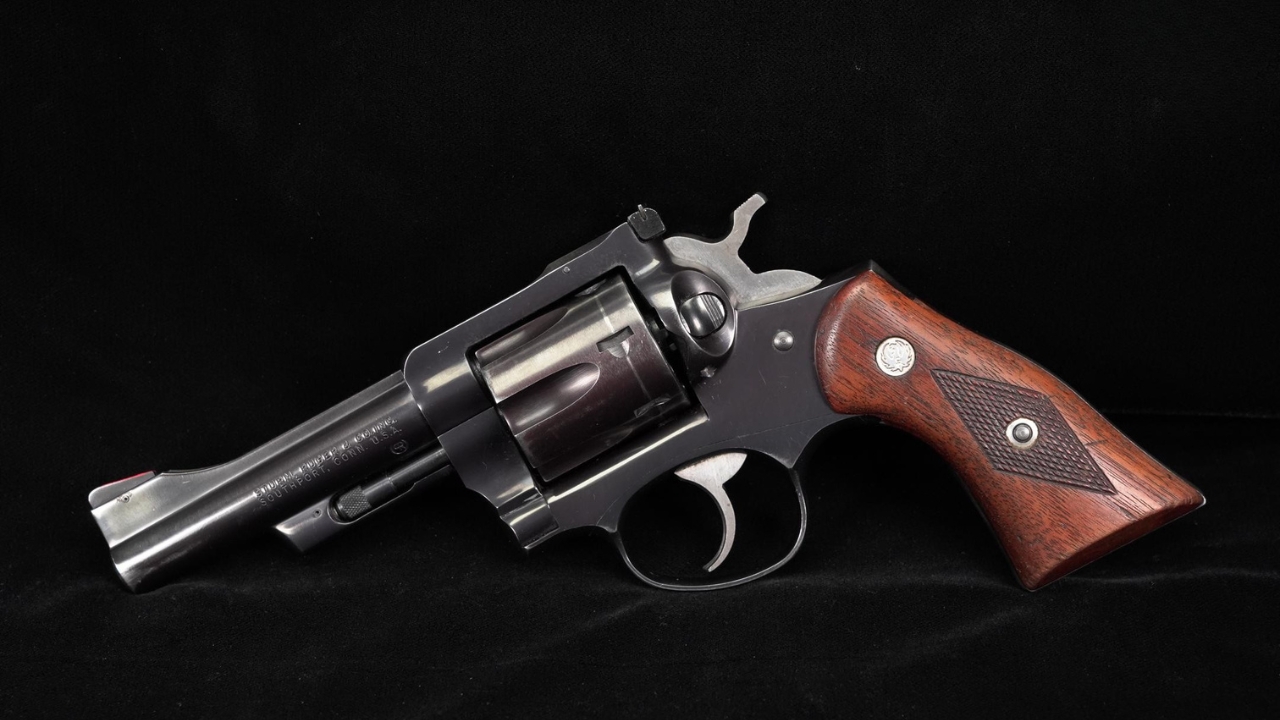
The Ruger Security-Six doesn’t get the movie-star attention, but it’s one of the best “working” .357 revolvers ever built. The lockwork is tough, the frame is strong, and the gun tends to stay in time even after years of use. For self-defense, that kind of durability means you’re not constantly wondering if the gun is slowly shaking itself loose.
The Security-Six also balances well for its size. It carries easier than many larger .357s, yet it has enough mass to keep recoil under control. You can practice with .38 Special until your trigger work is clean, then carry a .357 load that you can actually run. It’s the kind of revolver that doesn’t ask for attention—it always shows up and does the job.
Ruger GP100

The Ruger GP100 is the “eat anything” revolver that a lot of people end up trusting after they’ve worn out lighter guns. The frame and lockup are built to take steady diets of .357 Magnum without drama, and that matters if you want to train with the load you carry instead of treating it like a special occasion.
For defense, the GP100 gives you control. The weight calms recoil, the grip shape is friendly, and the gun tends to track back on target predictably. You can also tune the trigger into something very usable without turning it into a fragile range toy. If you want a revolver that’s boring in the best way—reliable, controllable, and durable—the GP100 is hard to argue with.
Ruger SP101

The Ruger SP101 is a small revolver that doesn’t feel like a compromise once you learn it. Unlike many lightweight snubs, the SP101 has enough steel to keep recoil from becoming a flinch factory. That’s huge, because your defensive gun should be a gun you can practice with, not a gun you dread.
The SP101 also has a reputation for strength in a small package. You can carry it comfortably, but you’re not babying it. With .38 +P, it’s very manageable, and with carefully chosen .357 loads it can work if you’ve put the time in. Add good grips and you get a snub that points quickly, draws cleanly, and doesn’t punish you every time you do a long practice session either, period.
Colt Detective Special

The Colt Detective Special is one of the smartest “old school” carry revolvers ever made because it gives you six shots in a package that still carries well. That extra round sounds small until you’ve watched how fast a real problem can unfold. It also points naturally, which helps when you’re shooting fast and close.
The Detective Special’s double-action can be excellent, but it rewards proper maintenance. If you carry one, you carry it because you appreciate how it shoots, not because it’s trendy. With the right grips, it sits flat on the belt and doesn’t feel like a heavy anchor. If you want a classic that still behaves like a serious defensive tool, the Detective Special earns its reputation the honest way.
Colt Cobra (early model)

The early Colt Cobra takes the Detective Special idea and trims weight with an alloy frame. That makes it easier to carry for long days, which is the whole point of a defensive handgun. A gun that stays on your belt beats a better gun sitting at home.
The tradeoff is recoil, so you keep your expectations realistic. The Cobra isn’t a high-round-count training gun in the way a heavy K-frame can be, but it’s a very usable carry revolver with standard-pressure .38 Special and disciplined practice. If you run it with a smart load and you stay on top of maintenance, you get a light, compact revolver that carries comfortably and still gives you a real trigger and real sights.
Colt Python (blued)
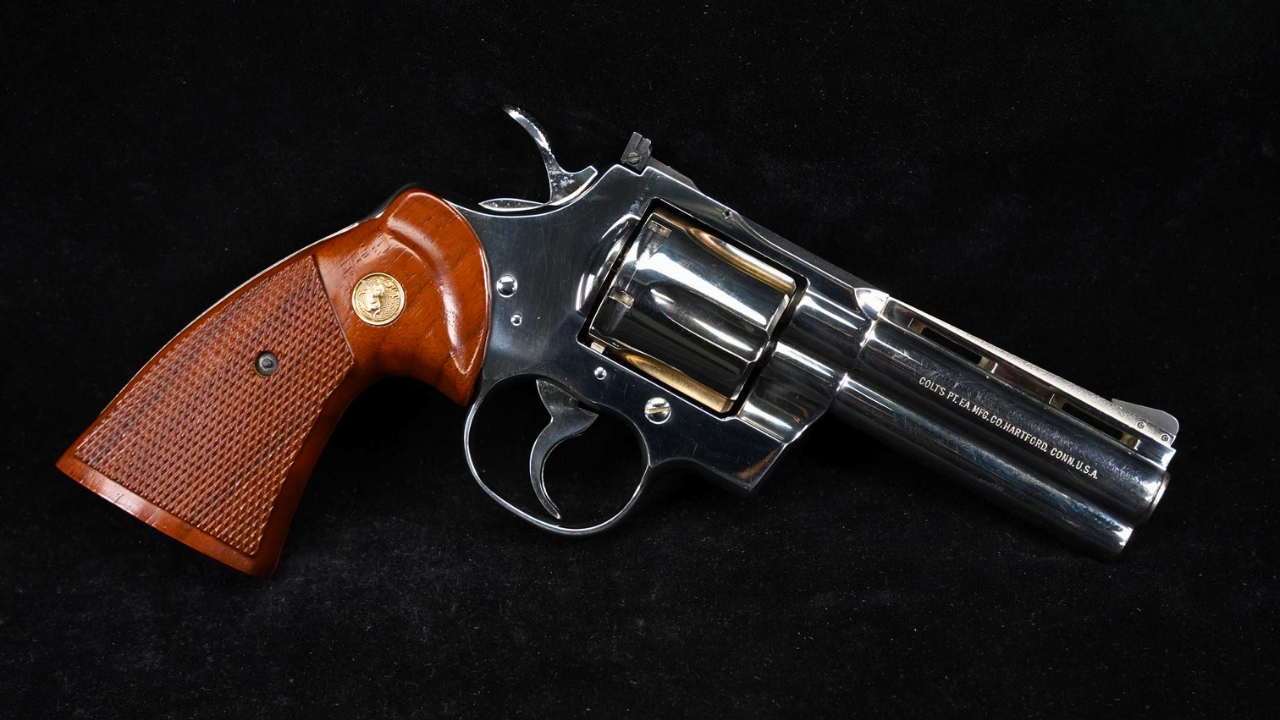
The blued Colt Python is famous, but it’s not only a safe-queen gun. When it’s in proper shape, it shoots very well, with a smooth action and sights that make hits feel easy. For defense, that matters because confidence comes from seeing what the gun does on demand, not from reading a reputation.
The honest caveat is you don’t treat a Python like a disposable tool. You keep it maintained, you don’t abuse the action, and you choose loads that you can control and practice with. The payoff is a revolver that tracks smoothly, points naturally, and lets you shoot accurately at speed. If you already own a Python and you actually train, it can be a serious defensive revolver—without needing any modern accessories.
Smith & Wesson Model 27
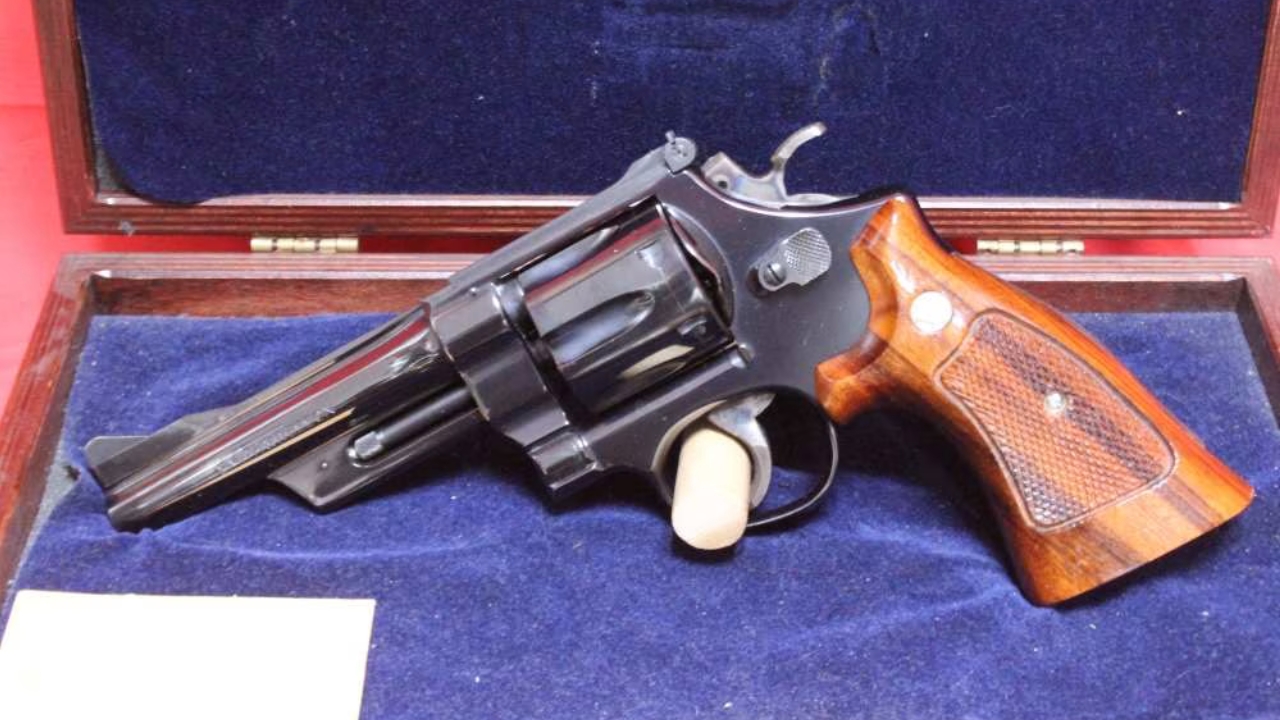
The Smith & Wesson Model 27 is a big N-frame .357 that makes recoil feel like an afterthought. If you’ve ever watched someone shoot a snub hard and start anticipating the hit, you understand why weight can be your friend. The 27 keeps the gun steady, keeps the sights flatter, and helps you stay honest with your trigger press.
For defense, the Model 27 is a belt gun, not a pocket gun. You carry it because you want control, durability, and a revolver that runs smoothly even when you shoot it a lot. The trigger on a good 27 can be excellent, and the gun’s mass makes both .38 and .357 feel very manageable. If your lifestyle supports a bigger revolver, the Model 27 is still a serious choice.
Like The Avid Outdoorsman’s content? Subscribe to our newsletter so you never miss an article.
Here’s more from us: