Photo credit: Jamie Carroll/Shutterstock.com
A pistol for self-defense has one job: work every time, from awkward angles, with imperfect grip, under stress, and with the kind of ammo you can actually find and afford to practice with. That means reliability, shootability, and consistency matter more than cool factor, brand loyalty, or what looked good in a display case.
The problem is a lot of handguns feel fine during a quick counter check. They’re light, they point decent, and the trigger seems “okay.” Then range time exposes the truth: picky feeding, sights you can’t track, recoil that turns fast shooting into a wrestling match, or controls that fight you when you’re trying to run drills. If you’re serious about self-defense, you don’t need a pistol that requires excuses. You need one that stacks reps without drama.
Taurus PT111 Millennium Pro
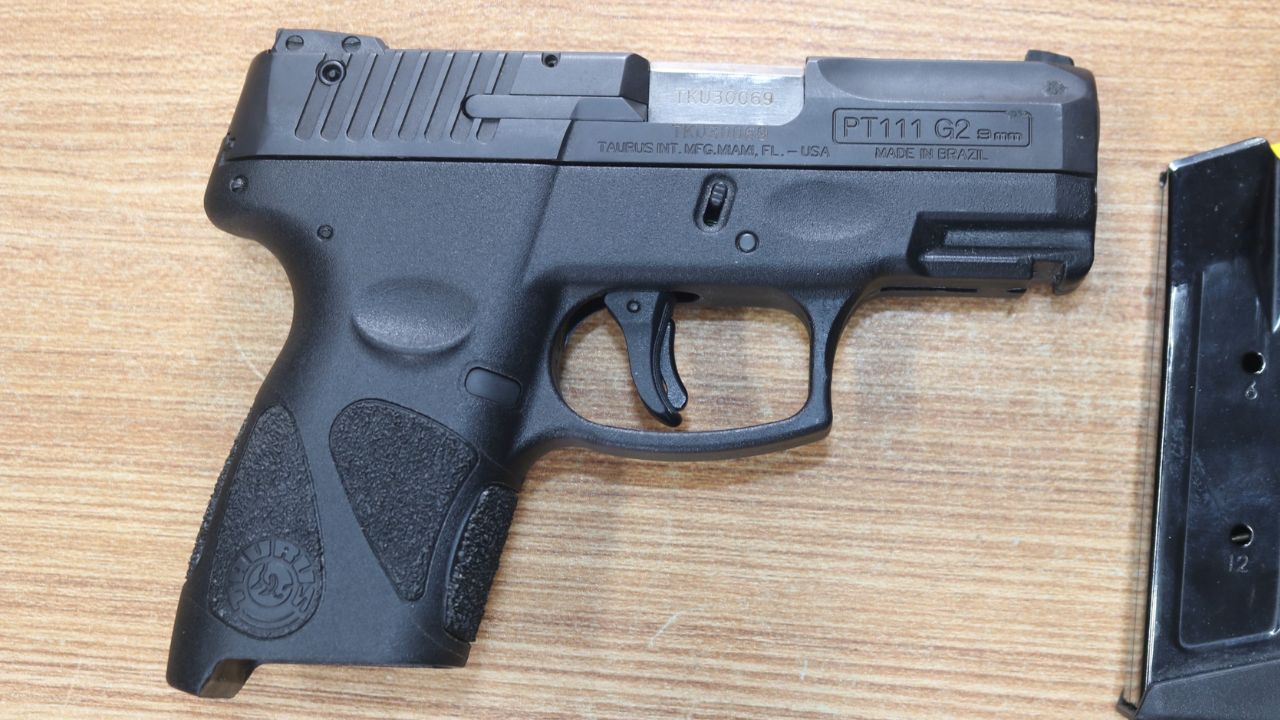
The Taurus PT111 Millennium Pro is one of those pistols that can feel like a bargain until you try to run it like a real carry gun. The small grip and light weight can make recoil feel sharper than you expected, and that tends to show up when you push faster strings and your hands start getting sloppy.
More importantly, the Millennium-era Taurus pistols have a long history of uneven quality control across different batches and years. That’s why you’ll hear experienced shooters talk about them with caution instead of confidence. When you’re choosing a defensive pistol, “mine has been fine” isn’t a standard you want to rely on. You want a track record that’s boring across the board, not a coin flip that depends on luck and a good sample.
Remington R51
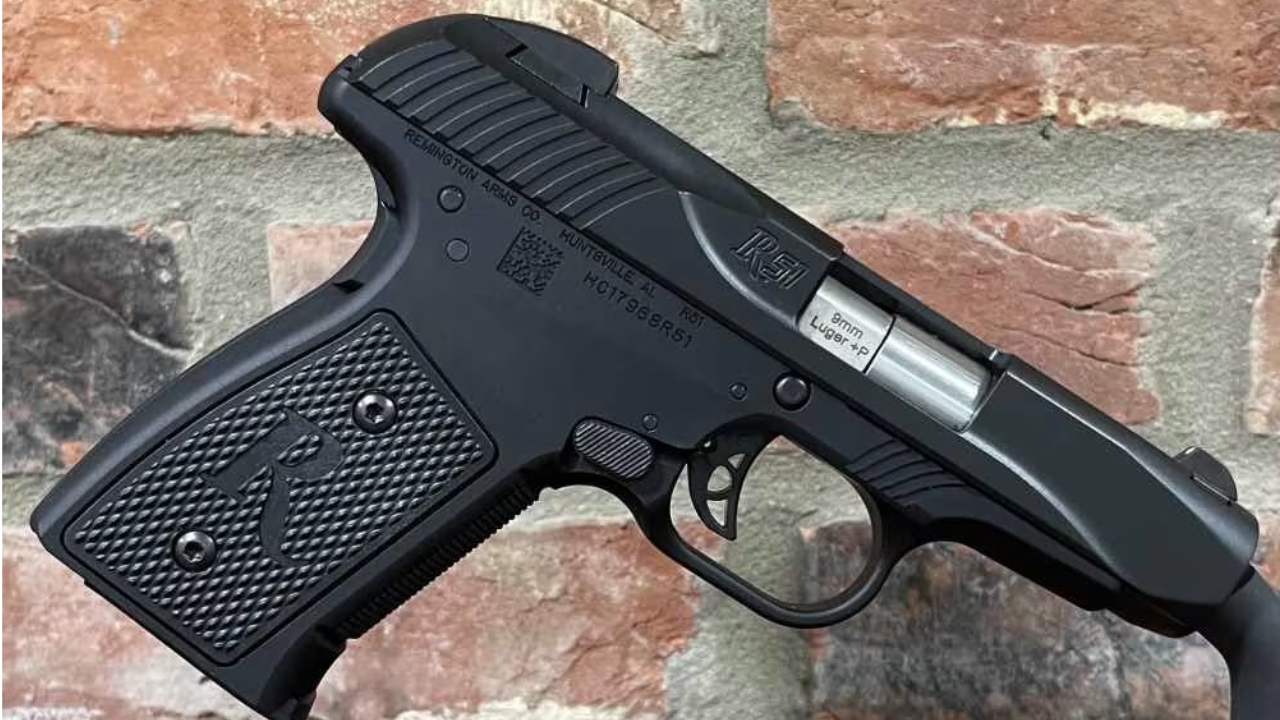
The Remington R51 is a perfect example of why brand names don’t guarantee results. The first version, in particular, developed a reputation for problems that ranged from malfunctions to parts issues, and it burned a lot of trust in a hurry. Even when a gun feels solid in the hand, that history matters if you’re planning to depend on it.
The bigger issue is support and confidence. A defensive pistol should be something you can maintain, feed, and get serviced without chasing obscure parts or hoping your local shop has experience with it. When a model becomes known more for its troubled rollout than its performance, you’re better off leaving it as a curiosity and sticking with platforms that have proven themselves in the real world.
Kimber Solo Carry

The Kimber Solo Carry looks like it ought to be a dream: compact, classy, and built by a company with a strong name in the handgun world. The reality is that many owners have found it can be ammo-sensitive, with reliability tied closely to specific loads. That’s not the kind of relationship you want with a carry gun.
A defensive pistol needs to run with the ammo you train with and the ammo you carry, without you playing detective every range trip. When a gun starts demanding a narrow diet to stay dependable, you’re paying for frustration. The Solo can feel great in the hand, but confidence comes from consistency. If you’re serious about self-defense, you’re better served by a compact 9mm that eats common ball and modern hollow points without turning every session into a troubleshooting exercise.
SIG Sauer Mosquito

The SIG Sauer Mosquito gets bought because it looks like a “trainer” for bigger SIG pistols, and it feels familiar in the hand. The downside is that it has a long-standing reputation for being finicky with ammunition and sensitive to maintenance. Rimfire pistols already live in a world where ammo variability matters more, and the Mosquito can magnify that reality.
For self-defense, a .22 LR pistol is already a compromise in ignition consistency and terminal performance. Pair that with a gun that’s known to prefer certain loads and specific cleanliness, and you’re stacking compromises on top of compromises. The Mosquito can be a range toy when it’s running well, but it’s not the kind of pistol you stake your safety on when you need something that behaves the same way every single time.
Walther P22
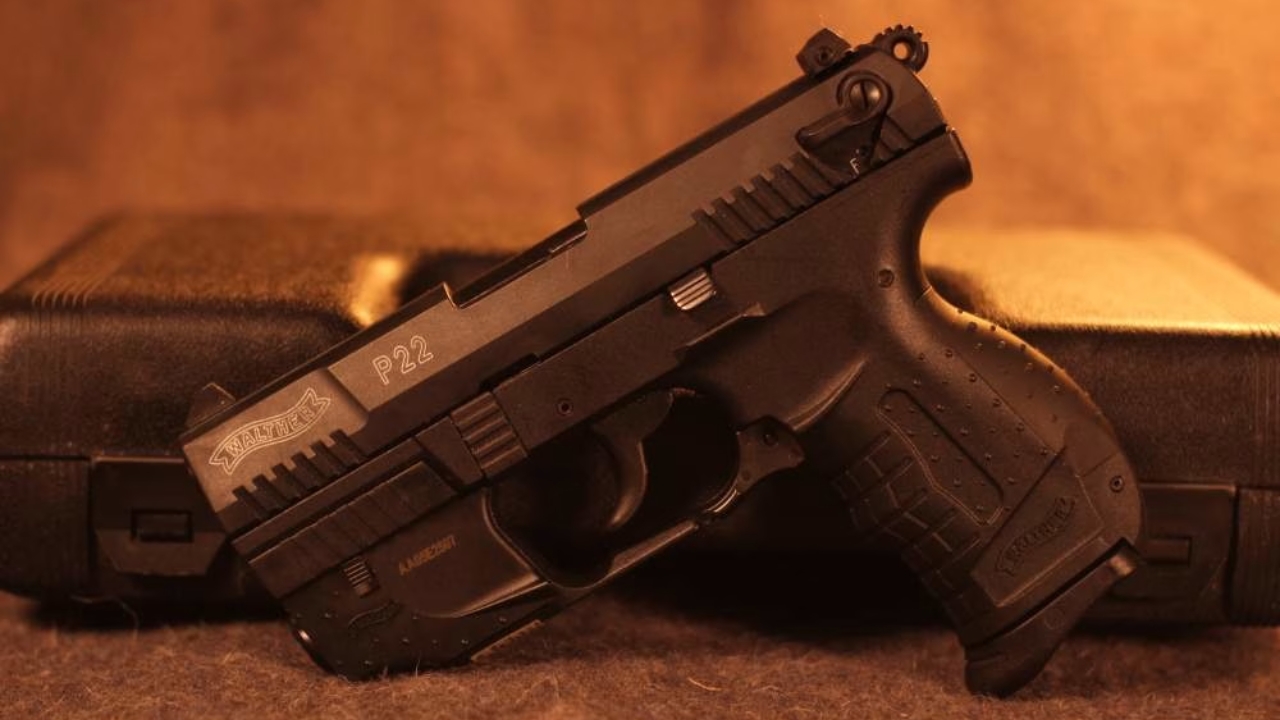
The Walther P22 is popular because it’s small, affordable, and fun when everything clicks. The problem is it has also earned a reputation for inconsistent reliability depending on ammo, magazines, and maintenance. That might be tolerable for plinking, but it’s the wrong personality for a defensive pistol.
A .22 LR handgun demands extra care because rimfire ignition is less forgiving than centerfire. When the pistol itself is also known to be picky, you end up spending more time solving little problems than building skills. For serious self-defense, you want a platform that lets you train hard without wondering whether the next malfunction is you, the ammo, or the gun. The P22 can be enjoyable on a good day. Self-defense isn’t about good days.
Ruger SR22

The Ruger SR22 is one of the better-known .22 pistols, and it can run well with the right ammo. Even then, it’s still a rimfire pistol with rimfire limitations: inconsistent ignition compared to centerfire, and performance that demands perfect placement under stress. That’s a hard hill to climb when the stakes are real.
The SR22 also tends to be light and compact, which makes it easy to carry but not always easy to shoot well at speed. Small sights, short sight radius, and a lighter gun can make your hits wobble when your heart rate jumps. If you’re serious about self-defense, you want a gun that gives you margin. A rimfire pistol asks you to be perfect. Real life rarely gives you that kind of cooperation.
SCCY CPX-2

The SCCY CPX-2 often gets recommended as a budget-friendly defensive pistol, but it comes with trade-offs that show up fast once you start running drills. The long, heavy trigger can make accurate shooting slower than it needs to be, especially when you’re trying to press clean shots under time.
Budget guns can work, but you’re looking for consistency: consistent trigger feel, consistent ignition, consistent feeding. The CPX-2 has a mixed reputation in the real world, and that uncertainty is the opposite of what you want in a self-defense tool. If you’re committed to carrying a pistol, you’re committing to practice. A gun that fights your trigger control and leaves you wondering about reliability can turn practice into frustration, and frustration kills follow-through.
Kel-Tec PF-9

The Kel-Tec PF-9 is thin, light, and easy to carry, which is exactly why it tempts people. Then you shoot it and realize how much that light weight can punish you. Recoil feels sharp, the gun can be difficult to control in fast strings, and it’s harder to stay consistent when your grip isn’t perfect.
A self-defense pistol should let you train a lot, because skill beats wishful thinking. Guns that are miserable to shoot tend to get shot less, and that’s how “carry a lot, practice a little” happens. The PF-9 also has a reputation that varies across individual samples and magazines, which puts you back in the world of testing and hoping. Carry guns should be boringly dependable and easy to run well. This one often feels like a compromise too far.
Hi-Point C9
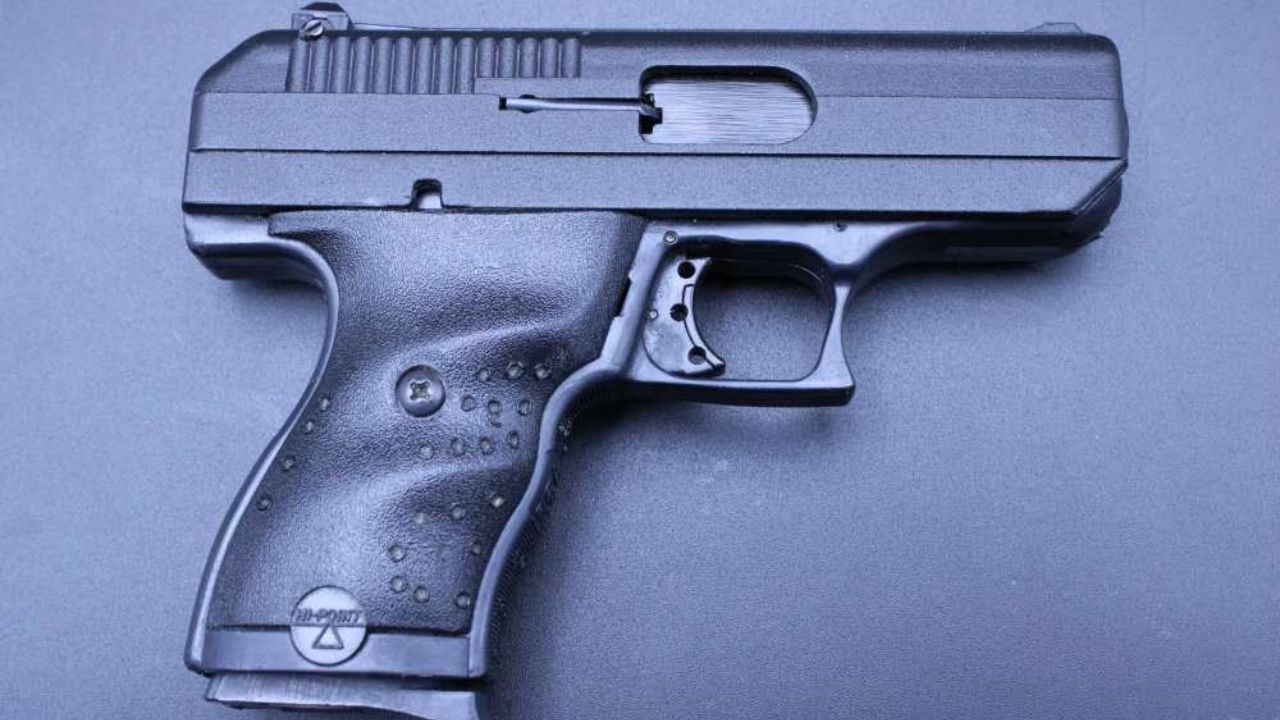
The Hi-Point C9 is famous for being affordable and surprisingly durable for the price, and plenty of them do run. The issue is that it’s big, heavy, and awkward for what it offers. The grip and slide design can make manipulation slower, and the bulk makes real concealment harder than people admit.
Self-defense isn’t only about whether a gun can fire. It’s also about whether you’ll actually carry it, draw it cleanly, and run it when you’re tired or rattled. A pistol that’s a chore to carry tends to get left behind. A pistol that’s clumsy in reloads and handling tends to slow your training down. The C9 can be a budget range gun, but if you’re serious about defense, you’re better off saving toward something you’ll carry and shoot with real confidence.
Jimenez JA-9
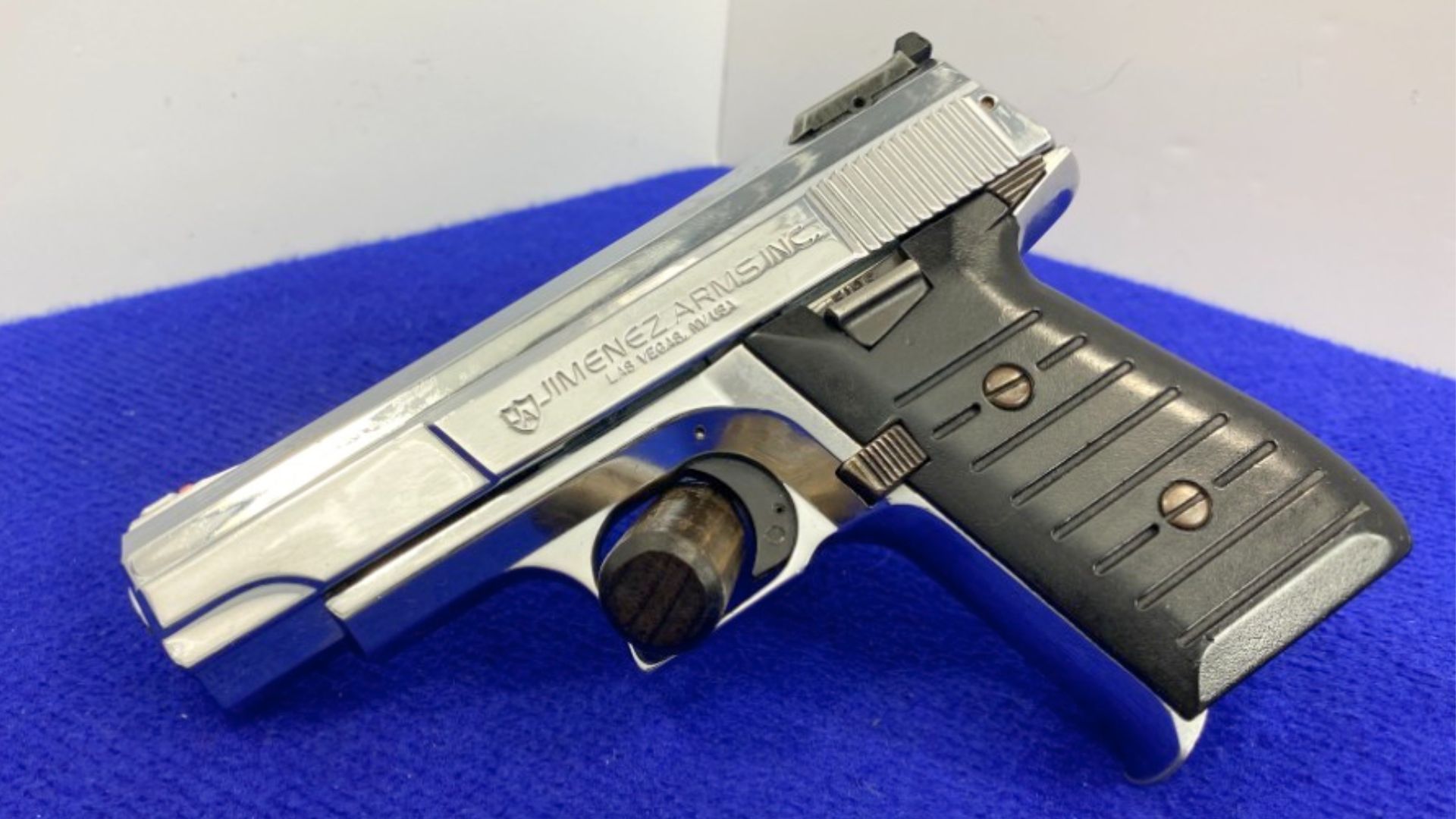
The Jimenez JA-9 lives in that corner of the handgun world where price is the selling point and everything else becomes a gamble. These ultra-budget pistols have a reputation for rough triggers, inconsistent performance, and durability concerns that show up once you move past casual shooting.
With self-defense, you’re not shopping for “good enough for a few magazines.” You’re shopping for a tool you can run hard and trust when your hands are shaking. Cheap pistols often come with cheap magazines, and magazines are a huge part of reliability. When the whole system is built to hit a low price, small problems add up fast. If you’re serious about protecting yourself, you don’t want to bet on a pistol that’s known more for being inexpensive than for being dependable.
AMT Backup .45 ACP

The AMT Backup .45 ACP sounds like a tough-guy answer to concealment: big-bore power in a tiny package. In practice, small .45s can be hard to shoot well, and the AMT Backup line has a reputation for being temperamental. Heavy recoil, short grip, and older design quirks can turn a “carry a lot” gun into a “shoot a little” gun.
The other issue is time and support. These pistols are older, parts and mags aren’t always easy to source, and consistency can vary depending on the specific example. A self-defense pistol should be something you can maintain with confidence and feed without drama. When the platform itself has a mixed reputation and you’re dealing with an aging ecosystem, you’re adding risk for little payoff. If you want .45 performance, there are better ways to get it today.
Ruger LCP
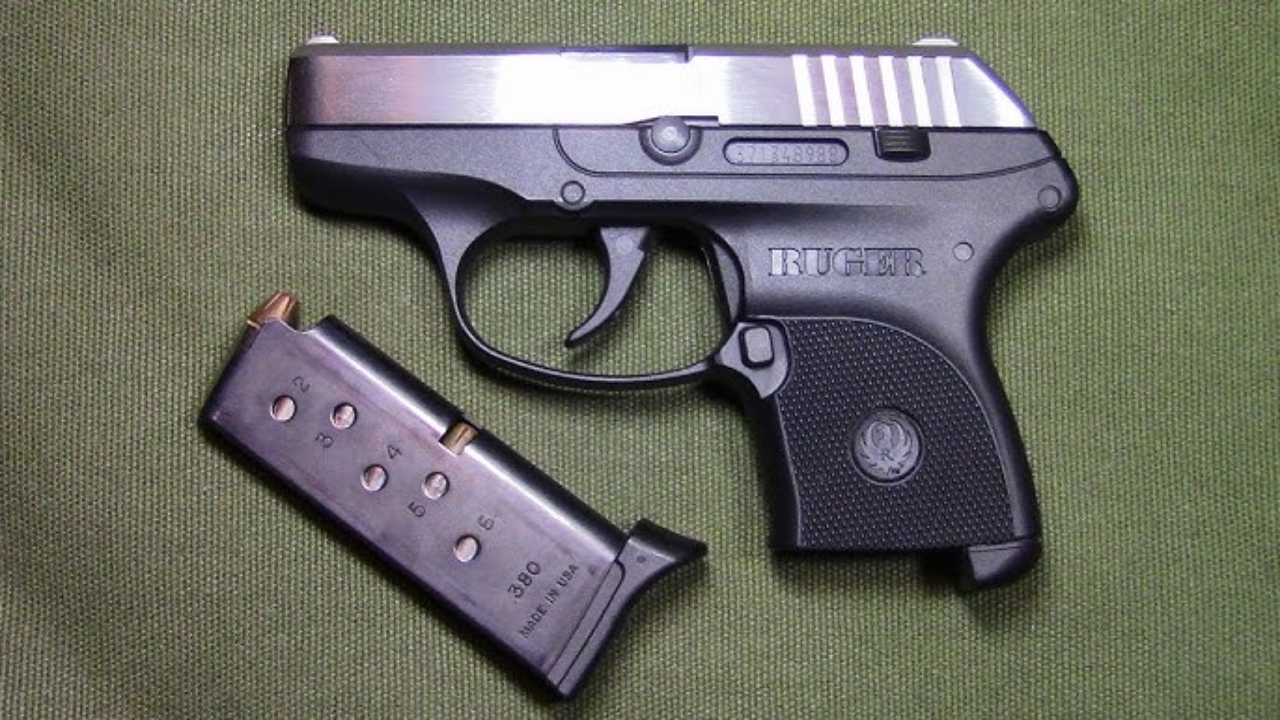
The Ruger LCP is popular because it disappears in a pocket and makes carrying easy. The downside is that it also makes shooting well harder than people want to admit. Tiny sights, a short grip, and a snappy recoil impulse can turn fast, accurate shooting into a struggle, especially when you’re running defensive-style drills.
A pistol you carry for protection should be something you can control and hit with under pressure. Pocket .380s can fill a role, but they’re often carried far more than they’re trained with, because range time isn’t pleasant. That’s how skill gaps grow. The LCP can be better than nothing, but “better than nothing” isn’t the standard when you’re serious about self-defense. You want a gun you’ll actually practice with, not one you tolerate.
Smith & Wesson Bodyguard .380

The Smith & Wesson Bodyguard .380 is another pistol that wins on size and loses on shootability. The long trigger and small grip can make it harder to shoot tight groups quickly, and that matters when you’re trying to build reliable performance instead of lucky hits.
Small .380s also tend to magnify mistakes. If your grip shifts, recoil feels harsher and the sights disappear. If you’re trying to run reloads or clear a stoppage, tiny controls and small slide area can make everything slower. None of that means the gun can’t fire. It means it’s harder to run well when you’re stressed, tired, or cold-handed. For serious self-defense, your pistol should help you. The Bodyguard often feels like it asks you to work around it.
Kahr P380

The Kahr P380 looks like a refined little carry pistol, and it can feel great in the hand. The catch is that small, tight pistols in this category often have narrow operating windows. They can be sensitive to grip, ammunition, and break-in, and that’s the wrong mix for a gun you want to trust without excuses.
With a defensive pistol, you’re not trying to prove a point. You’re trying to remove variables. Guns that demand extra attention to run smoothly can turn training into a constant evaluation instead of skill-building. If you’re meticulous and committed, you might get one running perfectly. The problem is you shouldn’t have to fight for that level of confidence. There are plenty of compact 9mm pistols that are easier to shoot, easier to source mags for, and more consistently dependable across the board.
Bond Arms Backup Derringer
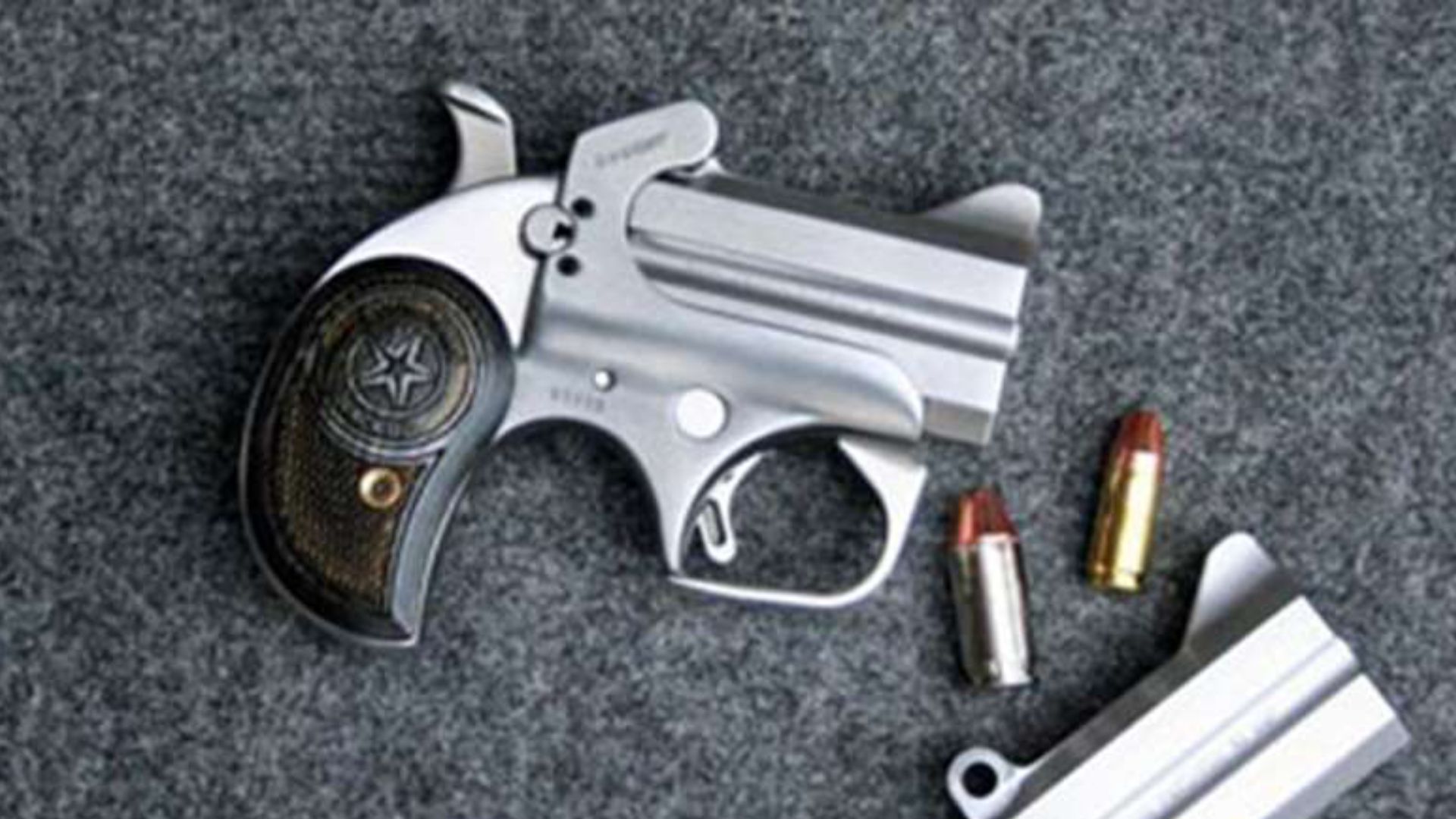
A derringer like the Bond Arms Backup is built like a tank and looks tough as nails, but it’s a poor match for serious self-defense. Two shots, slow reloads, heavy triggers, and harsh recoil are real constraints, not internet arguments. On a calm range bench, you can make it work. Under stress, those constraints become the whole story.
The shape and controls also don’t help you. Short barrels, minimal sights, and a grip that doesn’t support fast follow-up shots make accuracy harder than it needs to be. You also end up carrying a gun that’s difficult to train with, because most people don’t enjoy shooting it for long. A self-defense pistol should give you repeatable performance and enough capacity to solve problems you didn’t plan for. Derringers look decisive. In practical use, they’re limiting.
Taurus Spectrum
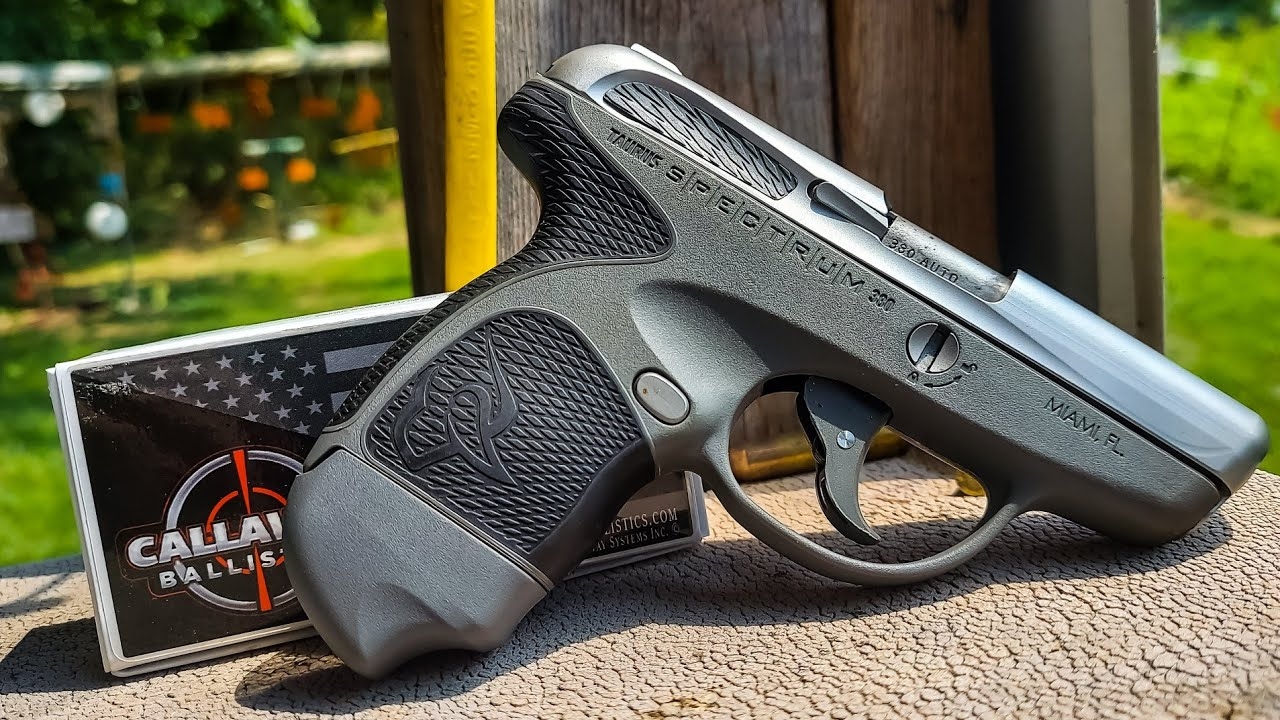
The Taurus Spectrum was marketed as a pocket-friendly .380 with a modern look, but it developed a reputation for problems that made many shooters move on quickly. When a pistol is built for deep concealment and mass appeal, it still has to clear the basic bar: it has to run reliably with common ammo, and it has to do it without constant fuss.
Pocket pistols already start behind the curve because they’re harder to shoot well and easier to limp-wrist when you’re tired or rushing. Add a platform that’s had a shaky reputation in the field, and you’re building a carry setup that relies on hope instead of confidence. If you’re serious about self-defense, the goal is fewer unknowns. The Spectrum became known as an unknown too many.
Like The Avid Outdoorsman’s content? Subscribe to our newsletter so you never miss an article.
Here’s more from us: