Photo credit: Mr. Madness/YouTube
Some guns earn their reputations honestly. Others get carried a little too far by brand loyalty, nostalgia, internet arguments, or one thing they do well while everyone ignores the tradeoffs.
That does not mean every gun here is junk. Some are useful. Some are historically important. Some are even worth owning for the right person. But if you buy them expecting the legend instead of the reality, you may find out fast that the praise got ahead of the gun.
Springfield Armory Hellcat
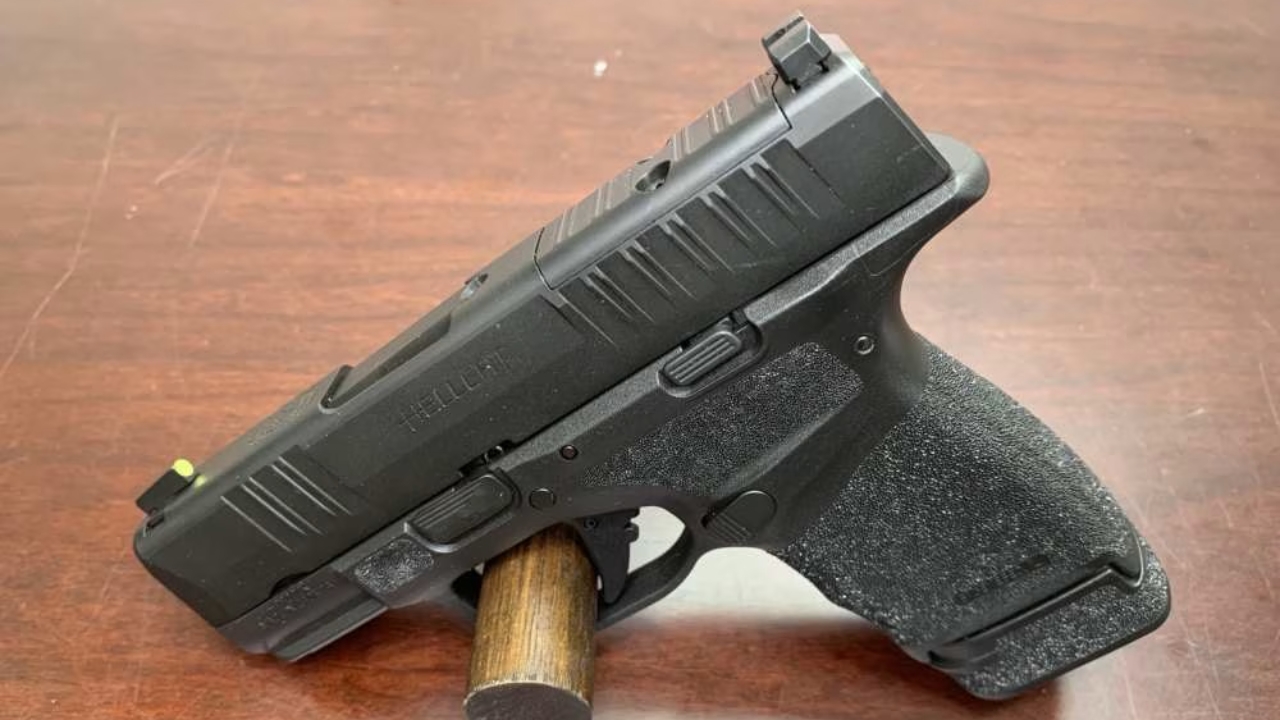
The Hellcat is a successful carry pistol, but it is not the easy button some people make it out to be. The capacity is impressive for the size, and it disappears well under a shirt, which is why so many people give it a serious look.
Where it falls short is shootability. The recoil can feel sharp, the grip can feel cramped, and longer practice sessions remind you how small the gun really is. It is a good carry pistol for some people, but it is not automatically better than larger, softer-shooting options.
SIG Sauer P320

The P320 has a huge reputation because of its modular design, military adoption, and massive aftermarket. On paper, that makes it sound like one of the most important modern pistols you can buy. For some owners, it is exactly that.
For others, it feels overpraised. The bore axis feels higher than some competitors, the grip modules do not solve every fit issue, and certain versions can feel top-heavy. It is capable, but not magical. If you buy one expecting it to feel better than everything else just because the platform is famous, you may be disappointed.
Taurus Judge

The Taurus Judge gets talked about like it is a do-everything problem solver. A revolver that fires .45 Colt and .410 shotshells sounds powerful, versatile, and intimidating. That idea sells the gun before range testing ever happens.
The reality is more complicated. Patterns can spread fast, recoil is not always pleasant, the gun is bulky, and it does not replace a proper handgun or shotgun. It can be fun and has niche uses, but the reputation often makes it sound far more practical than it really is.
Kimber Ultra Carry II

The Kimber Ultra Carry II looks like a premium carry gun, especially if you like compact 1911s. It has the name, the styling, and the classic .45 appeal that pulls in buyers who want something more refined than a plain polymer pistol.
Small 1911s are demanding, though. Slide timing, recoil springs, magazines, extractor tension, and ammunition choice all matter more than owners expect. Some run well. Some become projects. The reputation makes it sound like a sure thing, but compact 1911s rarely forgive neglect or bad setup.
Glock 43
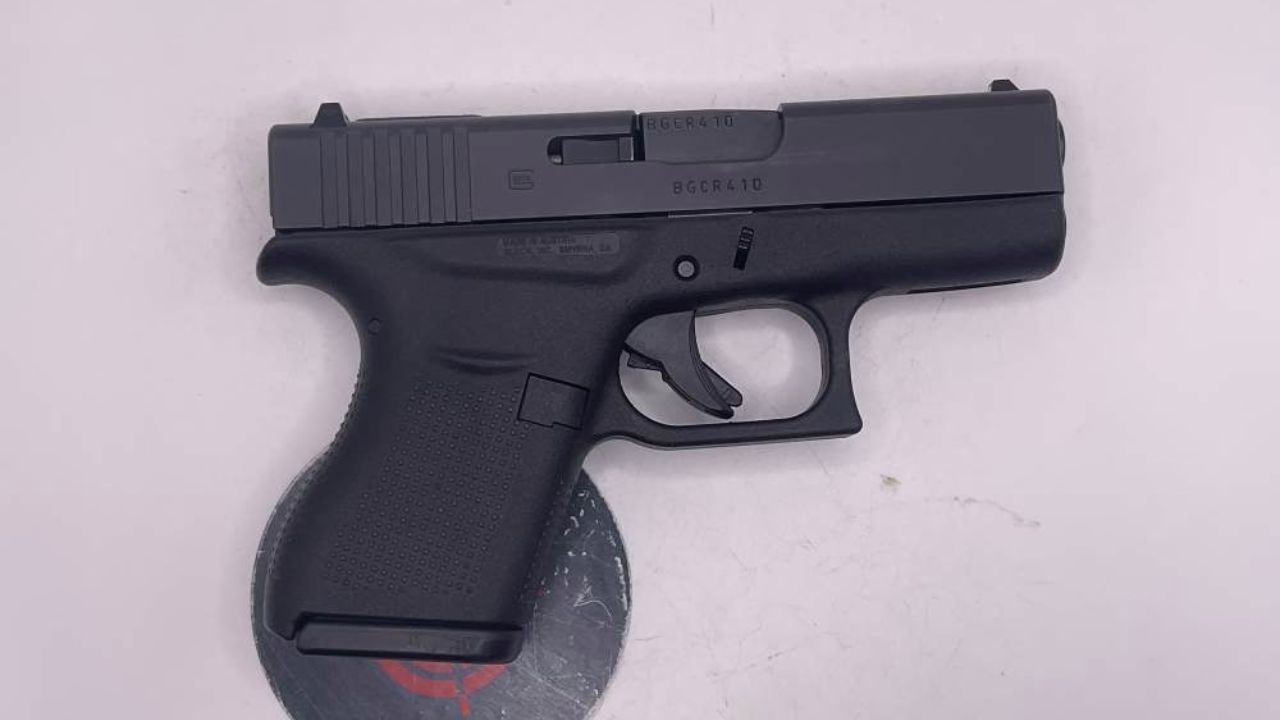
The Glock 43 rode into the market with perfect timing. It was slim, simple, and had Glock reliability behind it. For years, that was enough to make it feel like the safest single-stack 9mm choice.
Today, the praise can feel dated. It has limited capacity, a short grip, and sharper recoil than some owners expect. It still works, and plenty of people carry one confidently. But newer micro-compacts offer more rounds and better shootability in similar sizes. The G43 is dependable, but not as special as the reputation suggests.
Colt King Cobra

The Colt King Cobra gets a lot of attention because it wears the Colt name. That alone raises expectations. Buyers look at it and imagine classic Colt magic in a modern .357 revolver, which is a hard standard for any gun to meet.
The King Cobra is not bad, but it can feel less impressive once you compare price, trigger feel, finish, and sight options against strong Smith & Wesson or Ruger choices. Some owners love it. Others realize they paid partly for the roll mark. The name carries weight, but it does not erase the competition.
KelTec KSG

The KelTec KSG sounds incredible when someone explains it quickly. A compact bullpup 12-gauge with dual magazine tubes gives you a lot of shells in a short package. It looks futuristic, and that makes people want it before they run it hard.
Then the learning curve shows up. The KSG demands firm pump work, careful loading habits, and real practice to run smoothly. It is compact, but not automatically easy. For many shooters, a conventional pump shotgun is faster to understand and easier to trust.
FN Five-seveN

The FN Five-seveN has one of those reputations that gets inflated by mystery. The 5.7x28mm chambering, high capacity, low recoil, and FN name make it sound like a cheat code. People talk about it like it belongs in a different category.
It is light, accurate, and interesting, but it is also expensive to feed and not as universally practical as its fans claim. The terminal-performance debates never completely go away, and most shooters would be better served by a good 9mm. It is cool, but cool is not the same as necessary.
Mossberg Shockwave
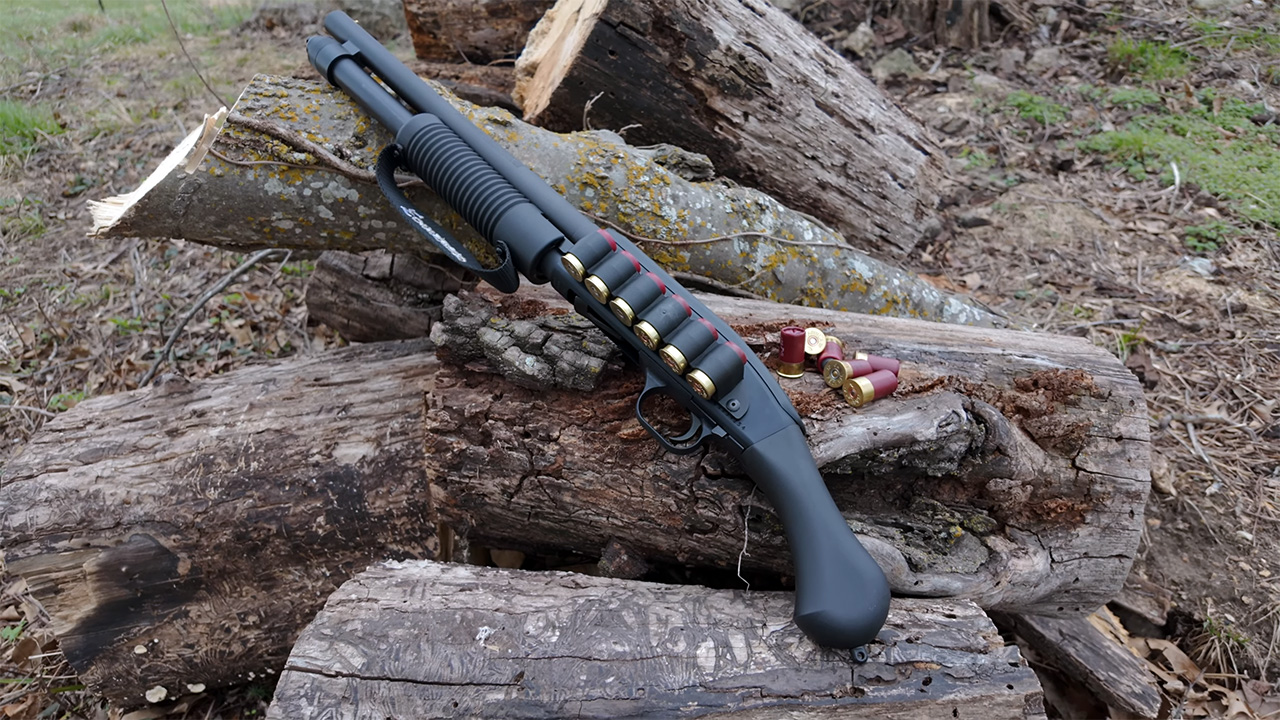
The Mossberg Shockwave gets plenty of attention because it looks serious and compact. A short 12-gauge firearm has instant appeal to people who want something intimidating, easy to store, and different from a normal shotgun.
The problem is that it is harder to shoot well than many people expect. Without a shoulder stock, control, recoil management, and accurate follow-up shots become more demanding. It has legitimate niche appeal, but the average owner may be better off with a properly stocked shotgun.
Walther PPK/S
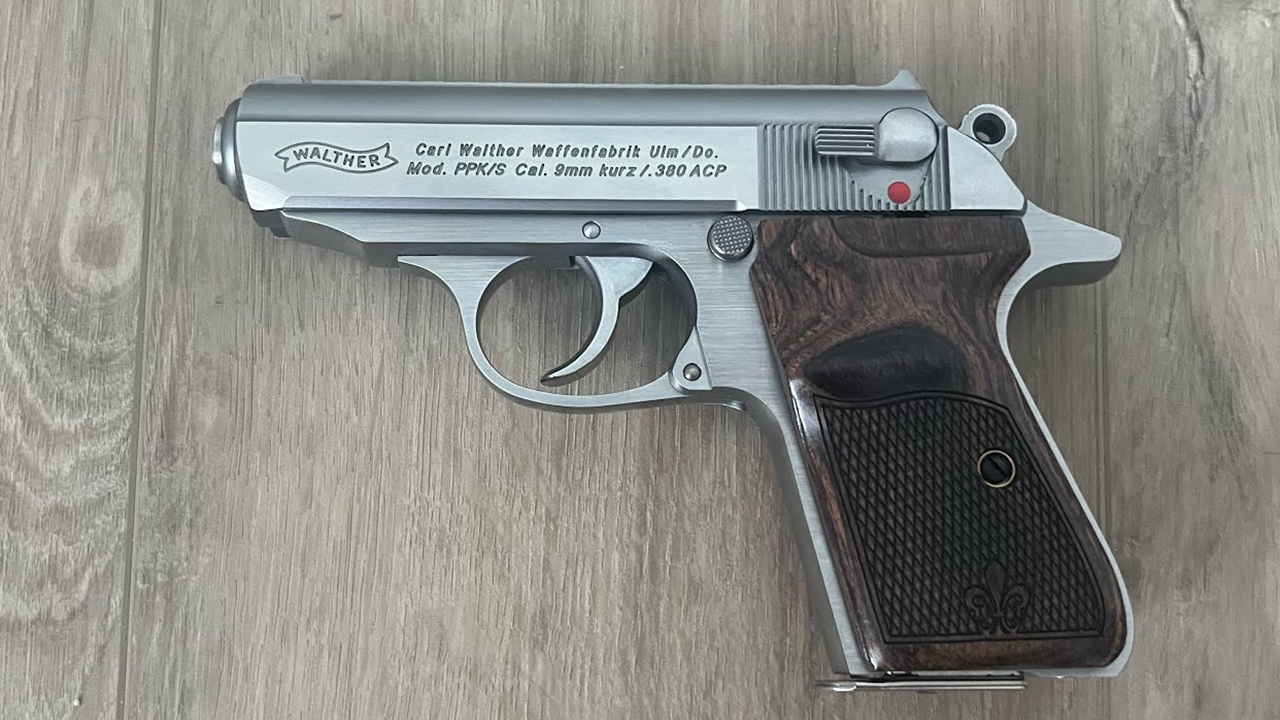
The Walther PPK/S has style for days, and that style has carried its reputation a long way. It is slim, classy, historically interesting, and instantly recognizable. A lot of buyers want one before they ever shoot it.
Range time brings the truth. The double-action pull is heavy, recoil can be snappy for a .380, and slide bite is real for some hands. It is still a cool pistol, but cool does not mean comfortable. As a shooter, it often falls short of the image people have in their heads.
Remington 700 SPS

The Remington 700 name carries decades of hunting and precision-rifle credibility. That reputation helped sell the SPS line to buyers who assumed they were getting the same feel older 700s were known for.
Some did. Others got a rifle that felt more like a starting point than a finished gun. Flexible stocks, basic finishes, and rougher factory feel made certain SPS rifles less impressive than the name suggested. The action still has value, but the complete rifle does not always live up to the legend.
Springfield Armory Saint Victor
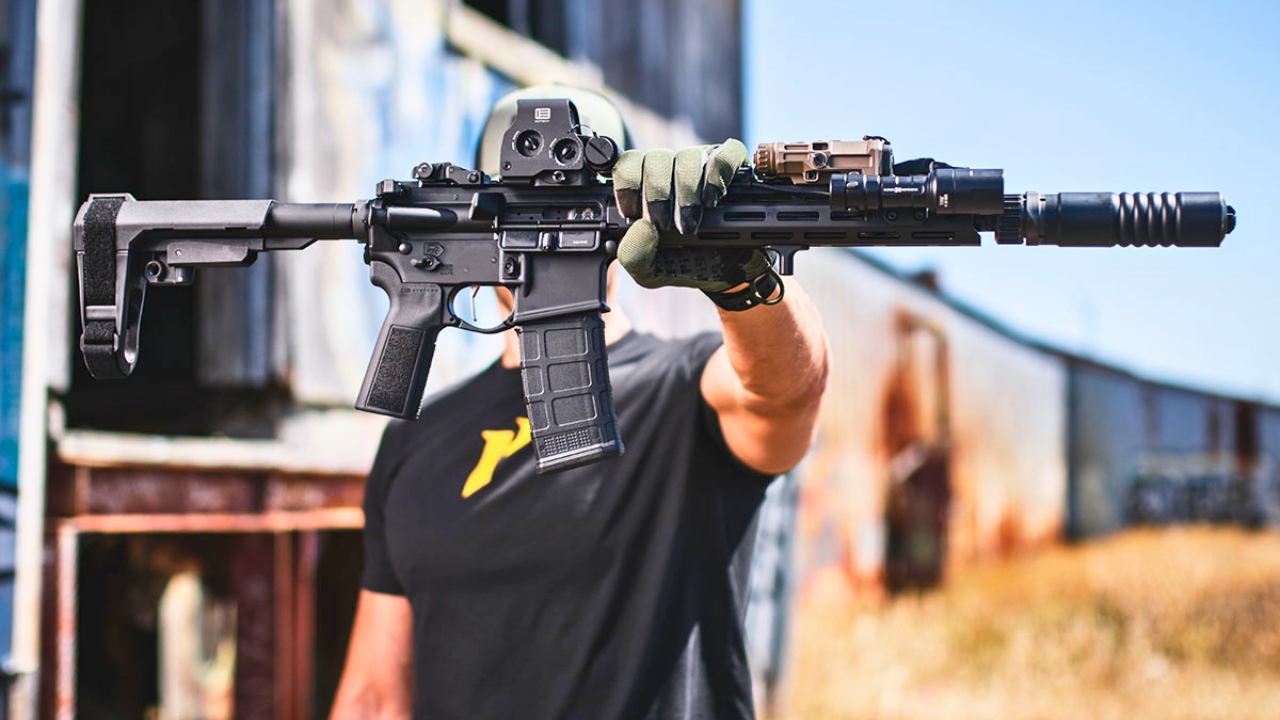
The Saint Victor gets talked about like a smart step above entry-level ARs. It has good features, a recognizable brand, and enough factory upgrades to make buyers feel like they are skipping the bargain-bin stage.
It is a solid rifle, but the praise can oversell it. The AR market is packed with strong options, and once you compare barrels, triggers, rails, gas systems, and price, the Saint Victor may not feel as special as expected. It is competent, but not automatically the standout some buyers imagine.
Henry Golden Boy
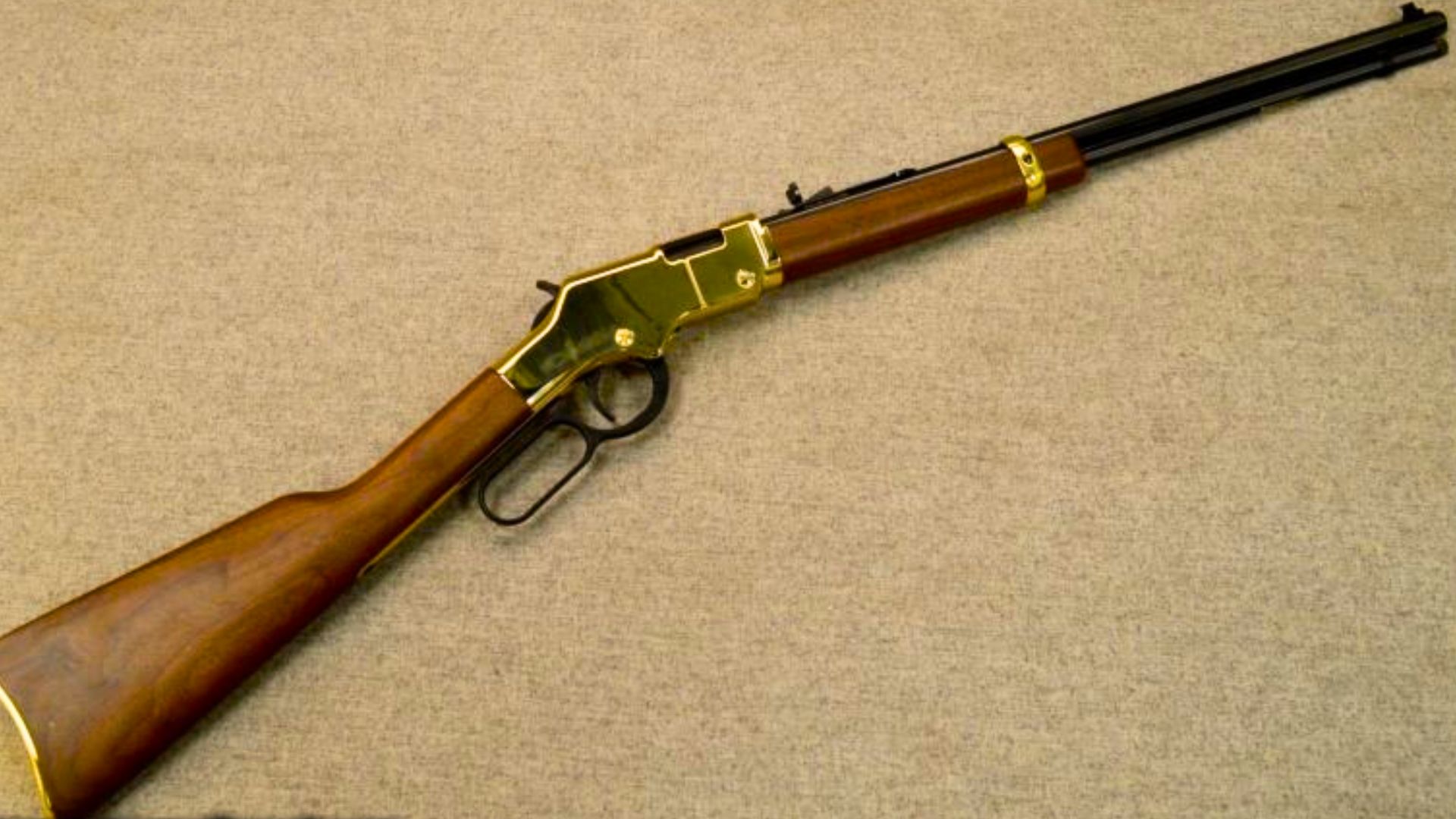
The Henry Golden Boy is a beautiful little rimfire, and that is why people love it. The brasslite receiver cover, smooth action, and classic look make it one of the easiest rifles to admire from across the room.
But as a practical .22, it is not perfect. It is heavier than some buyers expect, the shiny finish is not something everyone wants to drag through rough use, and the styling can matter more than the function. It is a great nostalgia rifle, but not necessarily the best working rimfire for every shooter.
Ruger LCP

The Ruger LCP deserves credit for helping make tiny .380 pocket guns mainstream. It is easy to carry, easy to hide, and simple enough to bring along when bigger pistols feel like a hassle.
That convenience is also the whole problem. The older LCPs are not fun to shoot, the sights are minimal, and the trigger is not exactly confidence-building. It is a useful deep-concealment pistol, but people sometimes talk about it like convenience alone makes it great. It does not. It is a compromise.
Benelli M4
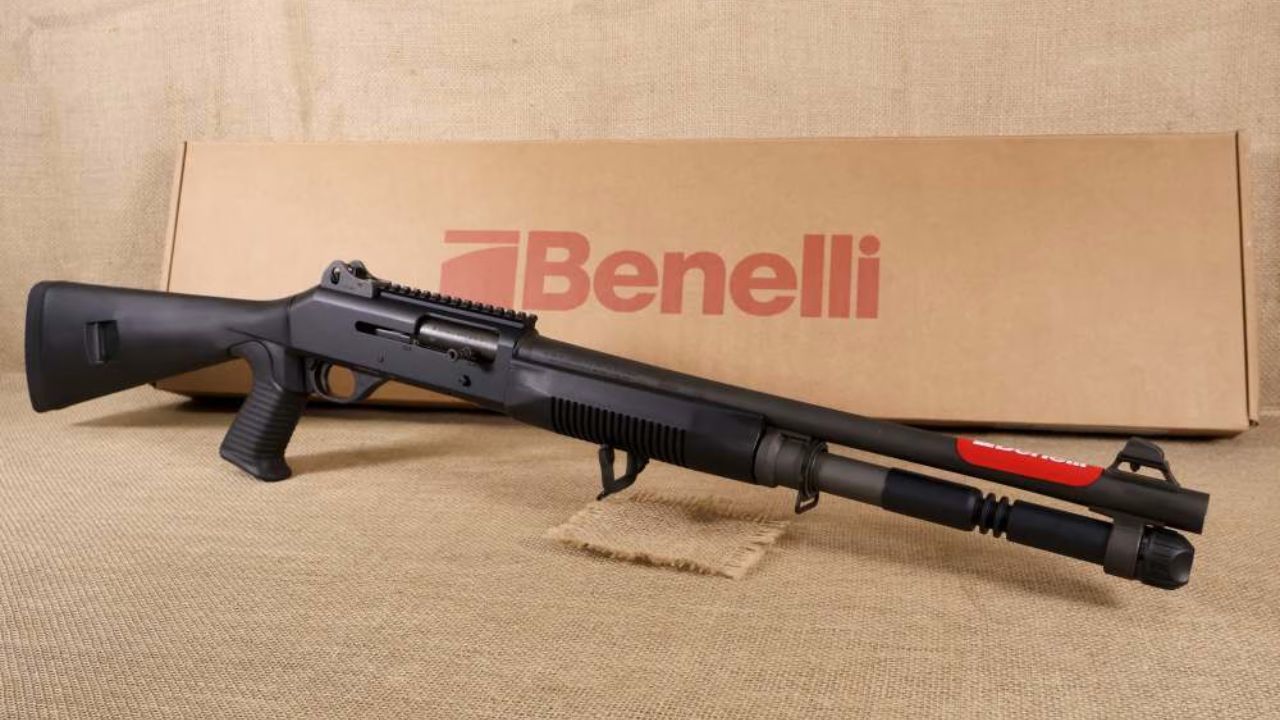
The Benelli M4 is one of the most respected semi-auto shotguns in the world, and much of that respect is deserved. It is tough, proven, and built with serious use in mind. The issue is not that it is bad. The issue is that the reputation can make people ignore the tradeoffs.
It is heavy, expensive, and more shotgun than many owners truly need. For home defense, hunting, or casual range use, plenty of people would be just as well served by something simpler and cheaper. The M4 is excellent, but not everyone who buys one needs what makes it excellent.
Like The Avid Outdoorsman’s content? Subscribe to our newsletter so you never miss an article.
Here’s more from us: