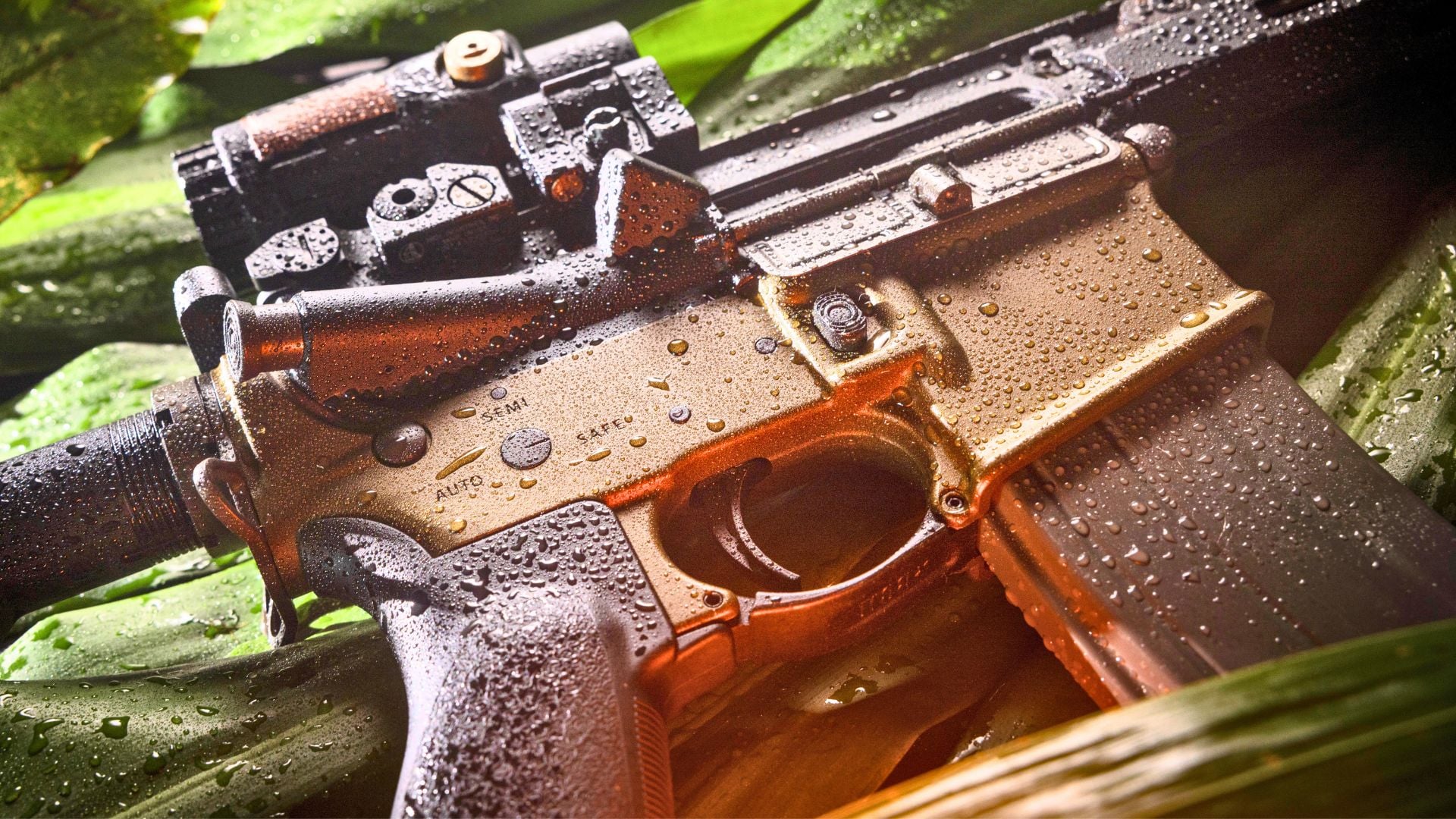
Photo credit: Elmer Laahne PHOTOGRAPHY/Shutterstock.com
Anyone who’s hunted along the Gulf Coast or in a soaked Midwest November knows what humidity can do to a rifle. It’s not just surface rust—moisture gets into stocks, triggers, magazines, and actions, slowly breaking the gun’s rhythm. Rifles that run smooth in dry climates can swell, seize, or corrode fast once the air turns wet. Some finishes hold up well, but others might as well be bare steel in a sauna. The rifles on this list look fine in the store but show their real personalities once the weather turns muggy. If you’ve spent any time around salt air or swamp air, you already know how unforgiving humidity can be to a gun that wasn’t built for it.
Remington 742 Woodsmaster
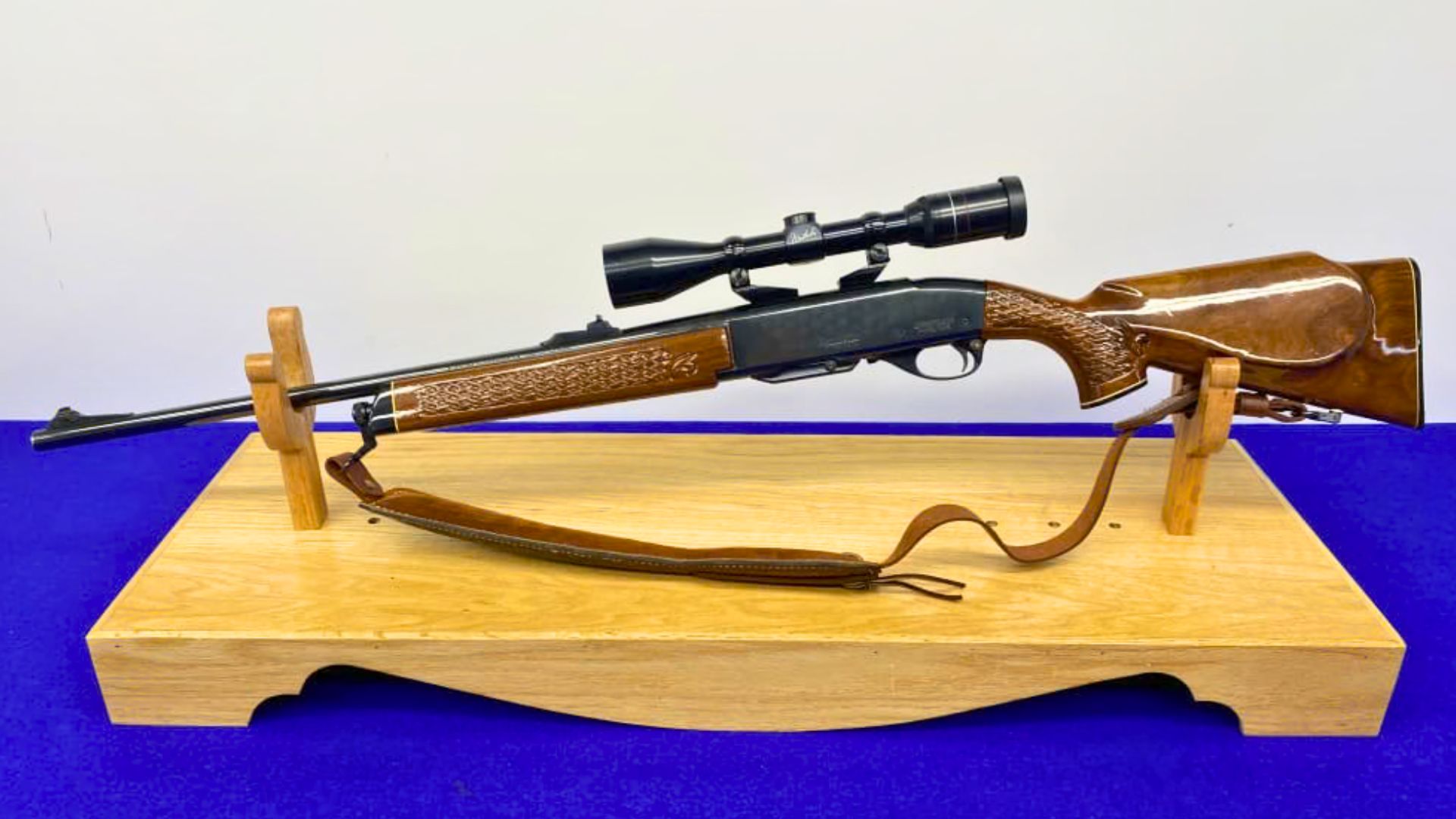
The Remington 742 was a fine-looking deer rifle in its day, but humid air exposes its biggest flaw—soft steel and tight tolerances. Once moisture gets in, the bolt rails and receiver start rusting where you can’t see them. That corrosion leads to binding, and before long, the rifle won’t cycle properly.
Hunters who keep them in damp basements or cabins often find the bolt frozen solid after the offseason. The bluing offers minimal protection, and once it starts to pit, things go downhill fast. The 742 looks like a classic, but in humid regions, it’s more of a maintenance headache than a field companion.
Ruger Mini-14 (early models)
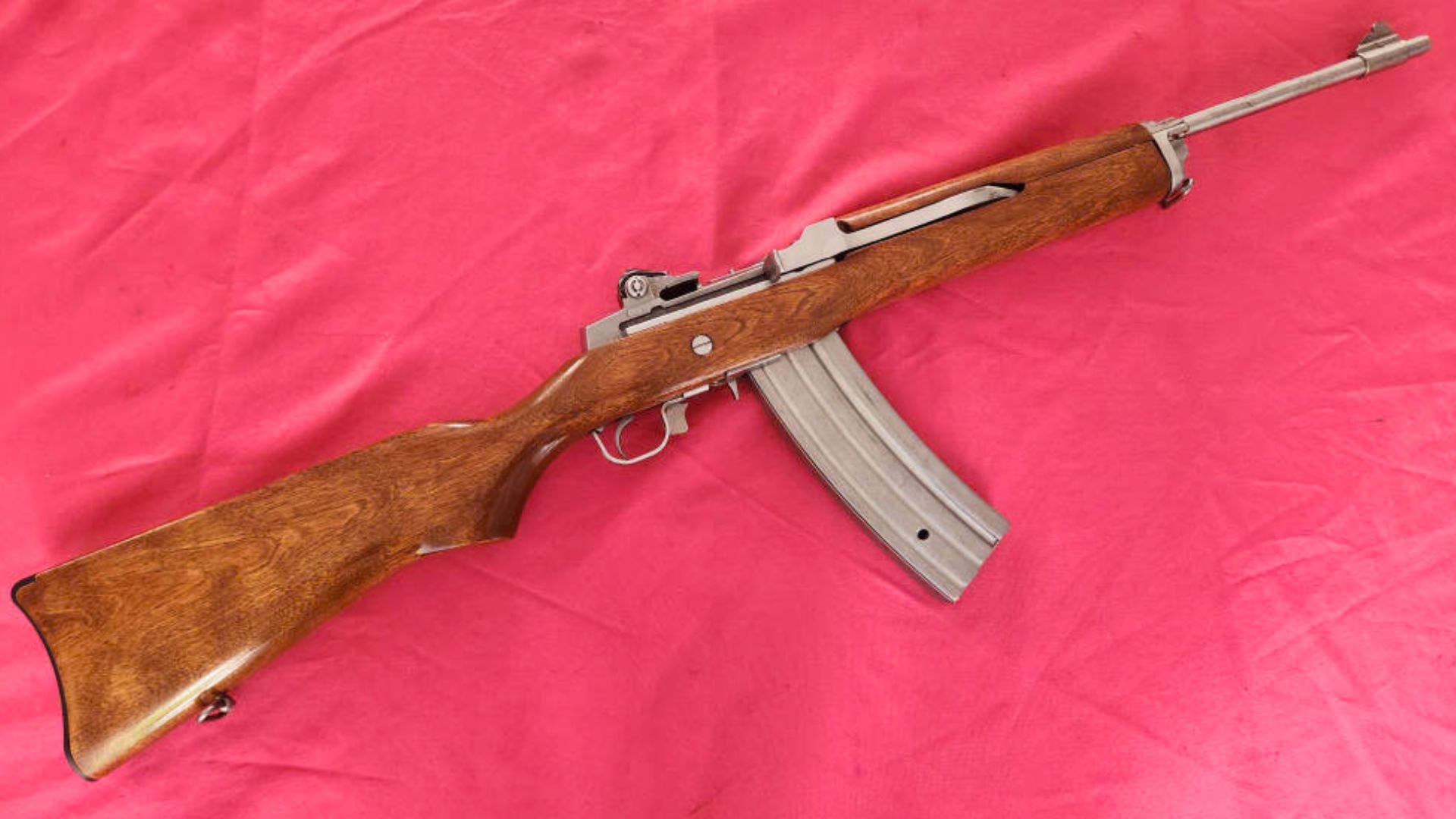
Early Ruger Mini-14s were rugged in design but light on corrosion resistance. The blued steel and uncoated internals didn’t take kindly to moisture. In high humidity, the gas piston and operating rod tend to pick up surface rust that quickly turns into sticky cycling.
The stock finish also absorbed moisture, which led to swelling and point-of-impact shifts. Later stainless models solved much of this, but the older blued versions can rust overnight in a damp truck. The Mini-14 may look like a workhorse, but the early ones weren’t made for wet country.
Winchester Model 94 (pre-64 blued models)

There’s no denying the beauty of an old Winchester 94, but those blued steel and walnut versions don’t tolerate humidity. The exposed action and open ejection port let in air and moisture, which leads to surface rust in all the wrong places.
The hammer and bolt face start corroding fast in swampy climates, and a few days of wet hunting can turn that smooth lever stroke into a gritty grind. These rifles are as nostalgic as it gets, but unless you wipe them down daily and oil every crevice, they’ll let the humidity win.
Remington 700 ADL (wood stock models)
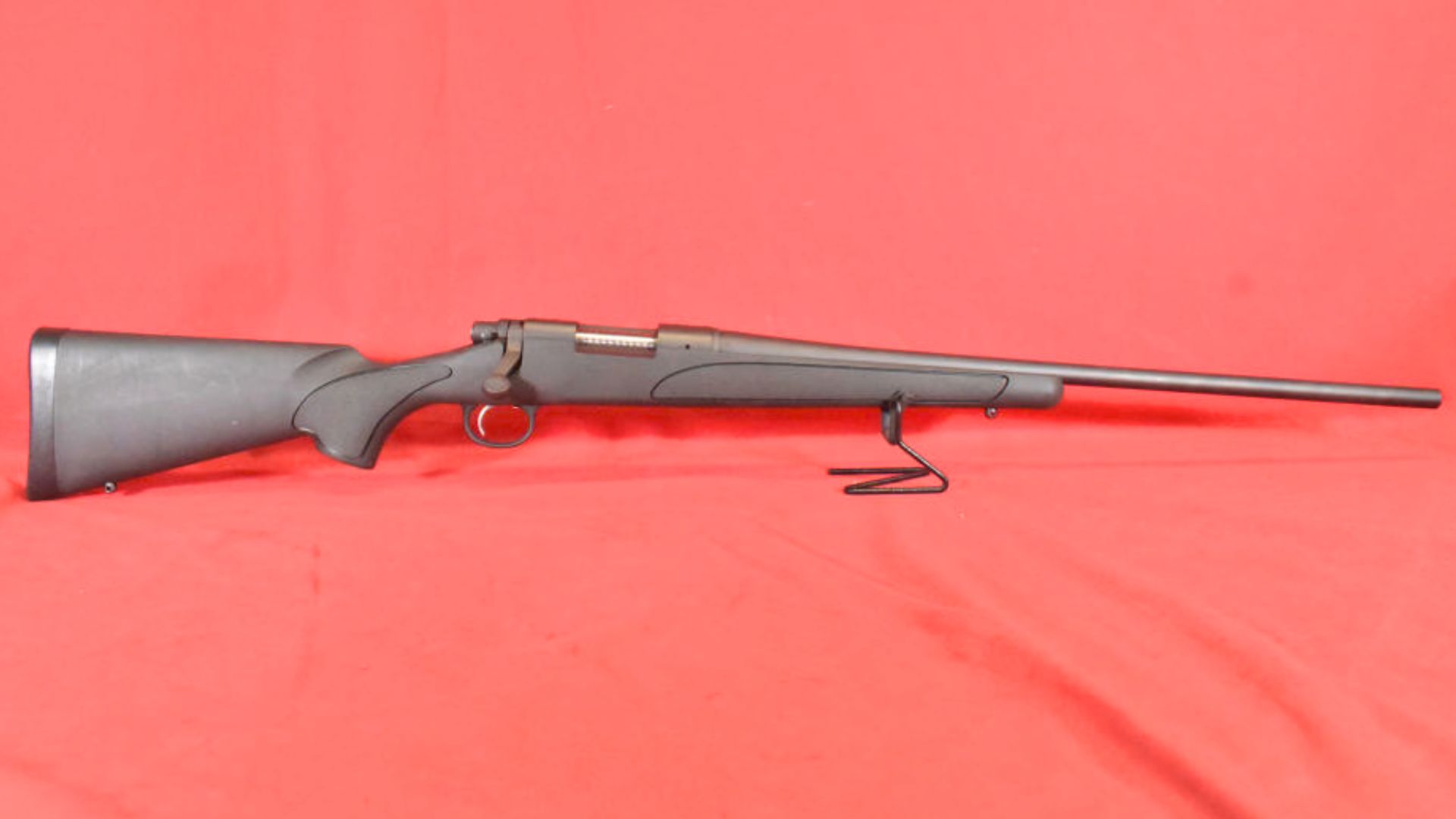
The classic Remington 700 ADL with its walnut stock shoots beautifully in dry air, but in humid environments, that stock swells fast. Even slight moisture changes can warp the forend enough to push against the barrel, ruining accuracy.
It’s not the steel that fails—it’s the wood. If you’ve ever left one in a deer blind overnight in the South, you’ve seen what it does. Tight groups turn to flyers, and by morning, the bolt feels sticky. The ADL’s old-school look comes with old-school problems when the air turns heavy.
Marlin 336 (pre-Remington years)

Older Marlin 336 rifles are durable in many ways, but their steel and walnut build makes them a magnet for humidity problems. The exposed lever-action mechanism collects moisture, and once rust forms around the locking bolt or lifter, cycling turns rough.
Humidity also seeps into the wood, causing swelling that can change headspace slightly over time. A 336 that’s silky-smooth in dry Montana might feel glued shut in Louisiana. It’s a loyal hunting rifle—so long as you keep it wiped down and oiled like a daily ritual.
Remington 597
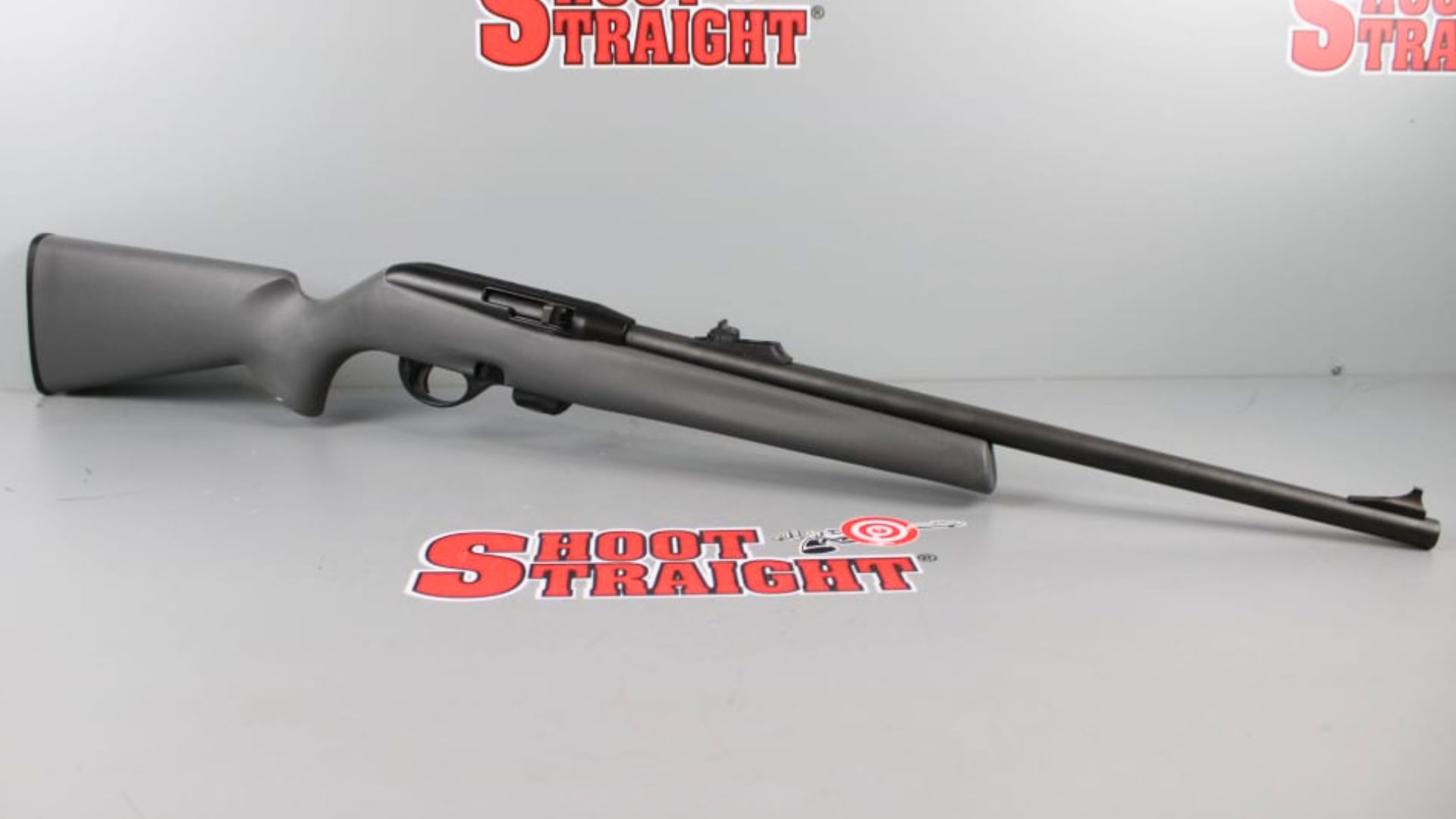
The Remington 597 was a decent .22 in clean, dry conditions, but it doesn’t play well in humidity. The guide rails and extractor are prone to corrosion, and once a little rust sets in, cycling becomes erratic fast. Humid air also causes the polymer stock to expand slightly, which adds friction where the bolt rides.
Even in light mist or damp storage, these rifles can start sticking within a few days. The 597 performs fine on a sunny range, but take it squirrel hunting in humid woods, and you’ll quickly learn how moisture turns it unreliable.
Browning BAR (early Belgium-made models)

The early Browning BARs are beautifully built but not suited for humidity-heavy regions. Their tight tolerances and deep bluing make them prone to rust when moisture seeps into the gas system or trigger group. Once it does, reliability suffers fast.
Hunters who’ve carried them in coastal areas often find the internals freckled with rust despite proper care. The stock finish also doesn’t seal well against constant dampness. Later models improved with coatings and synthetic stocks, but those older wood-and-steel BARs hate muggy weather as much as you do.
Remington Model 7420 (synthetic stock variant)
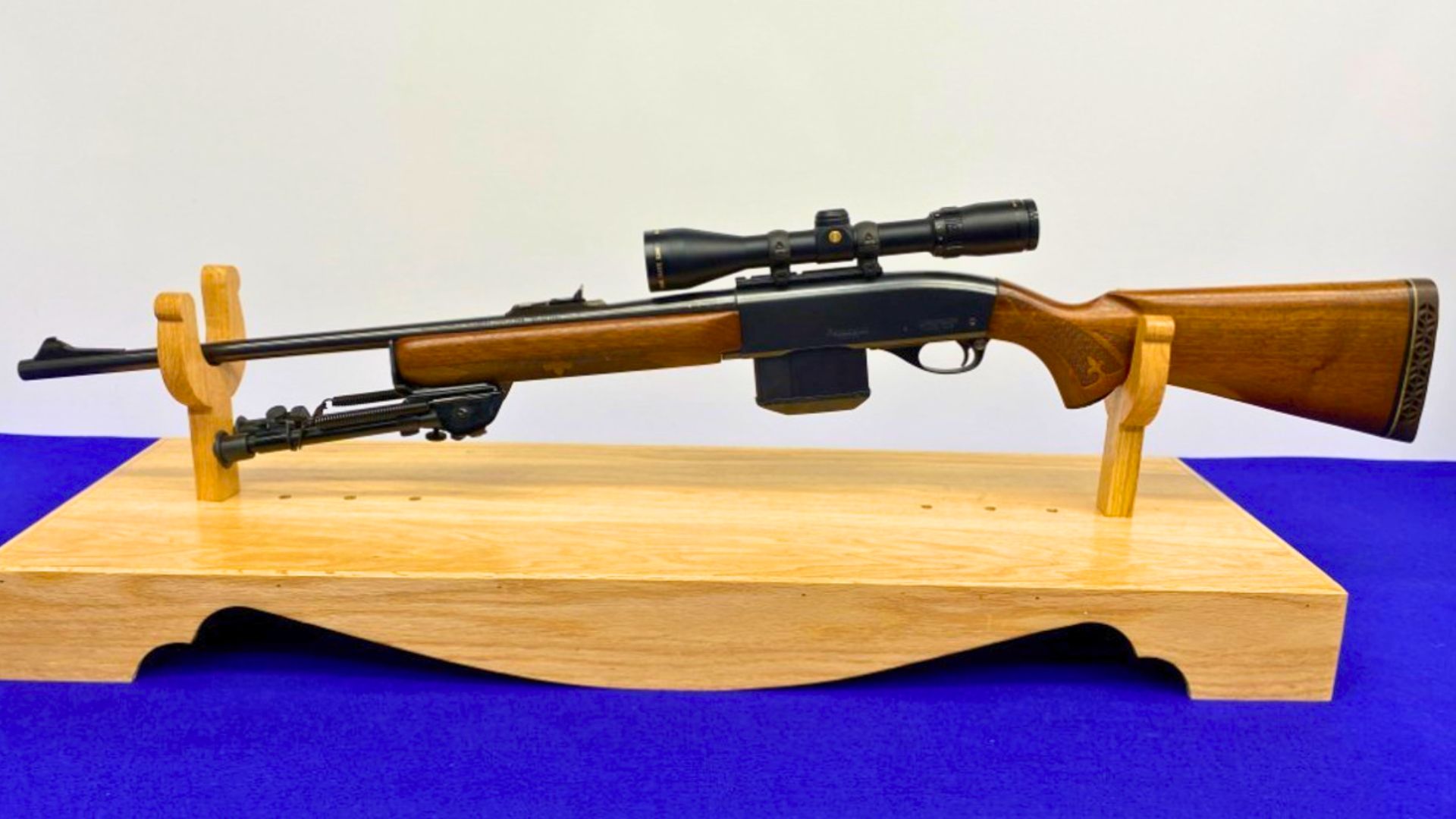
Remington’s 7420 synthetic-stock rifles were meant to handle rough weather, but humidity still eats at their internals. The gas system and recoil spring sit in places that trap condensation, and without constant attention, those parts rust and seize.
Even the stainless finish isn’t fully immune—moist air creeps in, leaving the action sluggish after a few wet weekends. The stock holds up fine, but the mechanics underneath don’t. The 7420 might look ready for the swamp, but its guts say otherwise.
Savage Model 110 (early blued models)
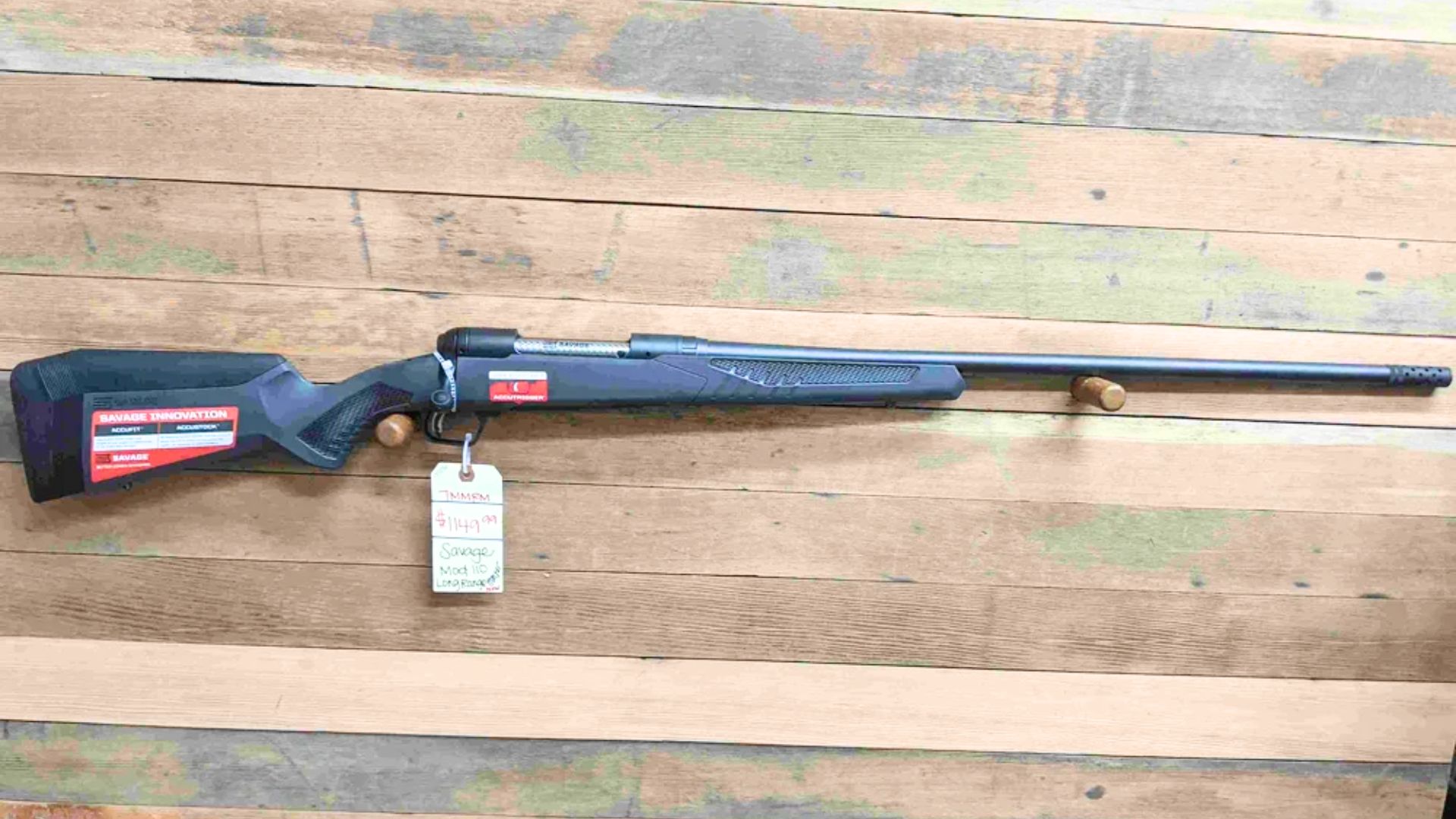
Older Savage 110s are known for accuracy and value, but they’re not fans of moisture. The early blued barrels and untreated bolts corrode quickly when exposed to humidity, especially around the chamber and bolt face. A few days in a damp safe can leave spots of rust that turn into pitting.
While later stainless versions solved the issue, those early models demand constant maintenance. If you hunt in wet country, you’ll need oil, wipes, and vigilance to keep them shooting straight. The 110’s reputation for reliability holds—so long as you stay ahead of the weather.
CZ 452
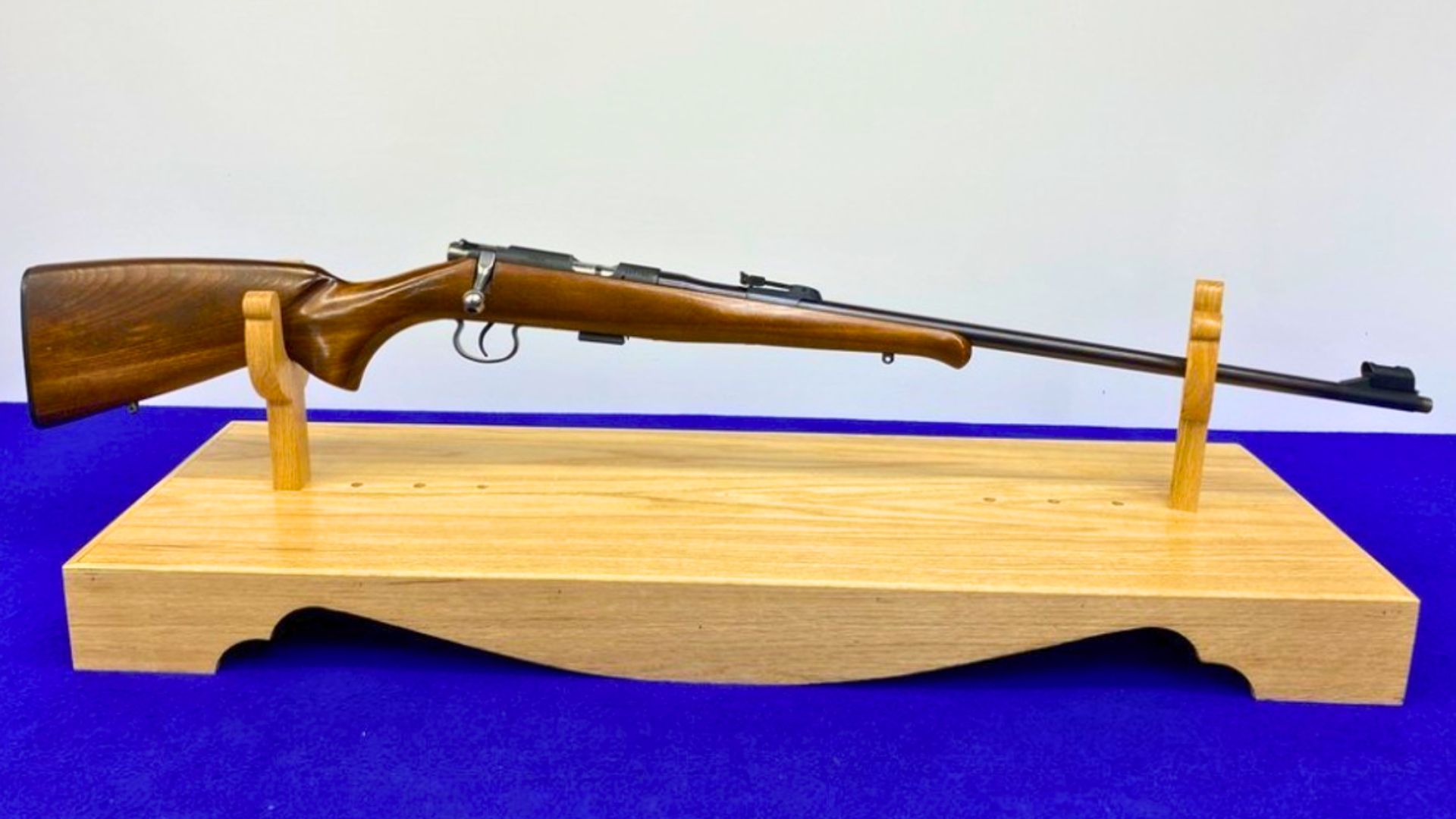
The CZ 452 is one of the finest rimfire rifles ever made, but its old-world craftsmanship doesn’t pair well with humid air. The blued barrel and bolt begin to spot quickly, and the walnut stock soaks up moisture like a sponge.
Humidity causes the action screws to loosen and the zero to drift. If you live where the air feels like soup in August, you’ll find yourself re-sighting it more often than shooting it. It’s accurate, refined, and reliable—so long as the weather stays dry.
Weatherby Mark V (early high-gloss models)

Those early Weatherby Mark V rifles with the high-gloss finish look stunning, but that shine hides a secret—they’re humidity magnets. The finish cracks under constant moisture changes, letting water seep into the stock beneath. Once it does, swelling and rust follow.
The highly polished bluing also wears thin around the muzzle and bolt handle, where corrosion starts fast. Hunters in tropical or coastal areas learned that these rifles don’t age gracefully in wet climates. They’re beautiful on the rack, but in high humidity, they show every flaw that moisture can bring.
Like The Avid Outdoorsman’s content? Be sure to follow us.
Here’s more from us:
The worst deer rifles money can buy
Sidearms That Belong in the Safe — Not Your Belt
*This article was developed with AI-powered tools and has been carefully reviewed by our editors.