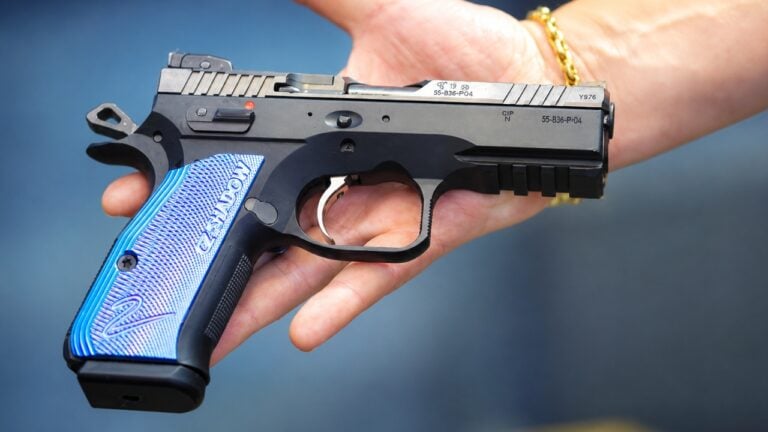
Photo credit: nathanmcc/Shutterstock.com
You’ve probably noticed it before—pick up a used rifle and something just feels different. Maybe the bolt’s smoother, or the groups are tighter than you expected. And no, that’s not dumb luck. A lot of used rifles shoot better than new ones, and there are real reasons for it. While new rifles might come with sharp looks and factory torque specs, they’re often stiff, dry, and untested. Meanwhile, a used rifle has usually been through the wringer—and come out better for it. Someone’s already done the dirty work. If it’s still shooting straight after a few seasons, odds are it’s worth hanging onto.
The barrel’s already broken in
Most barrels need some mileage before they settle in. Out of the box, you might deal with copper fouling, tight bores, and the occasional flyer. But once a rifle has a few hundred rounds through it, those minor imperfections get smoothed out. Accuracy tends to tighten up after the first few boxes of ammo, especially with consistent cleaning and proper break-in. When you buy used, you’re often skipping the annoying part and getting a barrel that’s already seasoned. If it still holds a group after years of use, that’s a good sign it’s stable and consistent.
The action’s been cycled—over and over
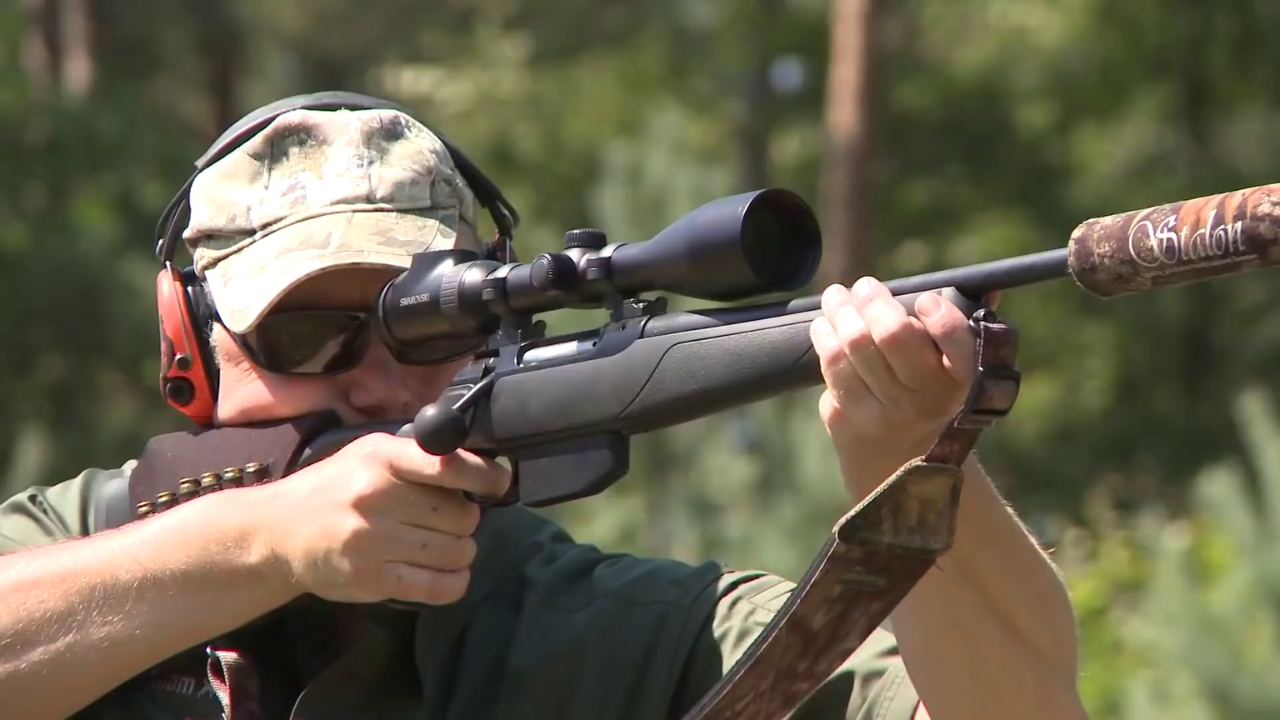
New bolts often feel gritty. Sometimes they require a slap to close or a tug to extract. That goes away with time. Every cycle polishes the contact points, wears in the lug seats, and eases the camming action. When you pick up a used rifle with a butter-smooth bolt throw, you’re holding the product of thousands of reps. And that translates to better feel in the field—less fumbling, quicker follow-ups, and more confidence when things move fast. A rifle that’s been run hard and maintained well is usually far more user-friendly than one that’s barely been fired.
You can see how it actually performs
Spec sheets don’t tell you how a rifle behaves in the wild. But a used rifle comes with its own record. Maybe there’s a target still in the case or a story from the previous owner. You can measure wear on the bolt, examine carbon fouling in the throat, and look for signs of heat or abuse. But most importantly, you can take it to the range and see what it does with real-world ammo. A good used rifle proves itself the second you pull the trigger. You don’t need to wonder if it “has potential”—you’ll know.
The bugs are already worked out

New rifles sometimes ship with issues—loose screws, bedding flaws, poor crown jobs, or even extractor problems. A rifle that’s been hunted with, carried, and cleaned likely had those problems surfaced and fixed already. Someone else put in the time to test different loads, torque the base screws, and maybe even bed the stock. If it’s still accurate and cycles reliably after a few years of use, it’s probably already been tuned where it counts. And if not, you’ll usually find a well-documented trail of what’s been done, making your job easier when it comes to tuning it further.
It’s more forgiving with ammo
New rifles are often tight. Chambers can be snug, feed ramps can be sharp, and barrels might show a strong preference for one load over another. But once a rifle has been shot enough, it tends to loosen up in helpful ways—not sloppy, but settled. Feed issues go away, chambering gets easier, and point of impact stays more consistent across different brands. You’ll often find that used rifles are less picky with ammo, especially if they’ve been shot with a wide range of factory loads or handloads. That flexibility is a real advantage when you’re short on time or budget.
The price leaves room for better glass

One of the most practical upsides of a used rifle is the price tag. What you save upfront can go straight into better optics, mounts, or even a trigger job. And that alone can make it shoot better than a brand-new rifle with budget glass. A good scope, mounted properly on a proven rifle, is worth more than the flashiest new model with junk on top. Used rifles have already depreciated. You’re not paying for the box or the finish—you’re paying for function. That savings lets you build a rig that performs where it counts.
You’re not afraid to train with it
With a new rifle, a lot of folks baby it—afraid to scratch the finish or put too many rounds down the pipe. But with a used gun, the pressure’s off. You’re more likely to train with it, carry it through brush, shoot from rough positions, and really get to know it. That familiarity is what tightens groups and builds confidence. A rifle that’s been used—and continues to be used—is usually the one that gets the job done. The field doesn’t care how clean your stock is. It cares whether you can make the shot when it counts.
Like The Avid Outdoorsman’s content? Be sure to follow us.
Here’s more from us:
The worst deer rifles money can buy
Sidearms That Belong in the Safe — Not Your Belt
*This article was developed with AI-powered tools and has been carefully reviewed by our editors.