Photo credit: IMPACT SHOOTING/YouTube
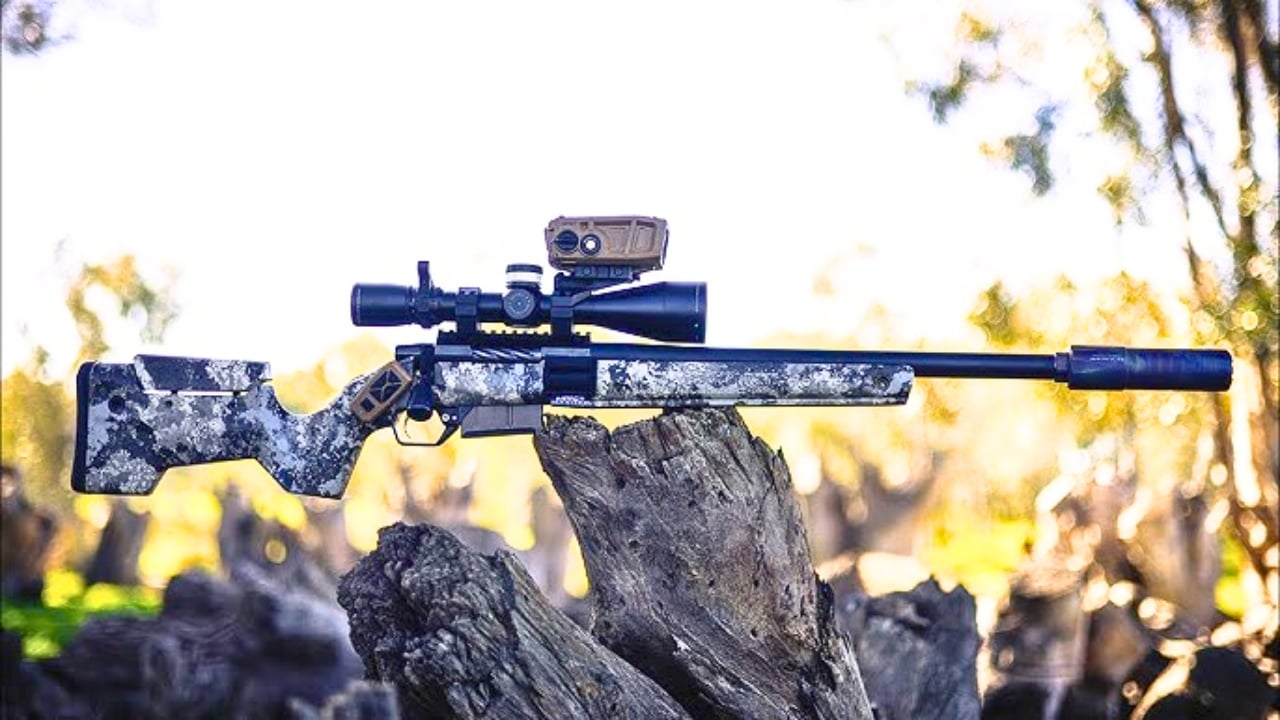
There’s a strange moment when you realize your custom rifle doesn’t shoot as well as the stock one it replaced. You spent more, waited longer, handpicked every piece—and now it’s stringing groups or refuses to feed right. It’s frustrating, especially when that off-the-shelf hunting rifle you passed over is punching tighter holes. Truth is, a lot of custom builds underperform, and not because the parts are bad. It’s because building a rifle that runs and shoots right takes more than a parts list and a torque wrench. If one thing is even slightly off, the whole system suffers. And too often, folks chase features before they’ve built a solid foundation.
Parts don’t always play nice together
You can buy top-tier components, but if they don’t mate up perfectly, the result can be sloppy. A tight action, premium barrel, and fancy stock don’t guarantee accuracy if the tolerances between them are mismatched. One thousandth off on lug engagement or rail height can throw off your whole setup. Factory rifles are built with known specs and tested as a unit. A custom build, especially one done by a hobbyist or rushed gunsmith, might not be so lucky. When parts don’t align or stack tolerances wrong, your groups will tell the truth—fast.
Bedding and torque matter more than people think

It’s easy to underestimate the role bedding and action screw torque play in accuracy. Float the barrel? Sure. But if the action isn’t properly bedded or torqued evenly, you’re asking for trouble. A little stress in the wrong place shifts your point of impact every time the barrel heats up. Some custom stocks are sold as “drop-in,” but that doesn’t mean they fit right. Even tiny inconsistencies between the stock and recoil lug can cause the action to rock or twist under recoil. Factory rifles are usually torqued and tested in batches. DIY builds skip that step, and it shows.
Barrels need more than a brand name
Buying a high-end barrel doesn’t mean much if it’s not properly installed. Timing the threads, cutting the chamber, and crowning the muzzle all require skill. A barrel that’s overtorqued, crooked, or improperly headspaced won’t shoot no matter what you feed it. Even something like gas port size or thread alignment can mess with harmonics. Factory rifles benefit from consistency. They may not use the best blanks, but they’re usually chambered by experienced technicians. Some custom builders rush this part or rely too heavily on the reamer and forget to check runout. That’s where good parts get wasted.
Triggers can introduce more problems than precision
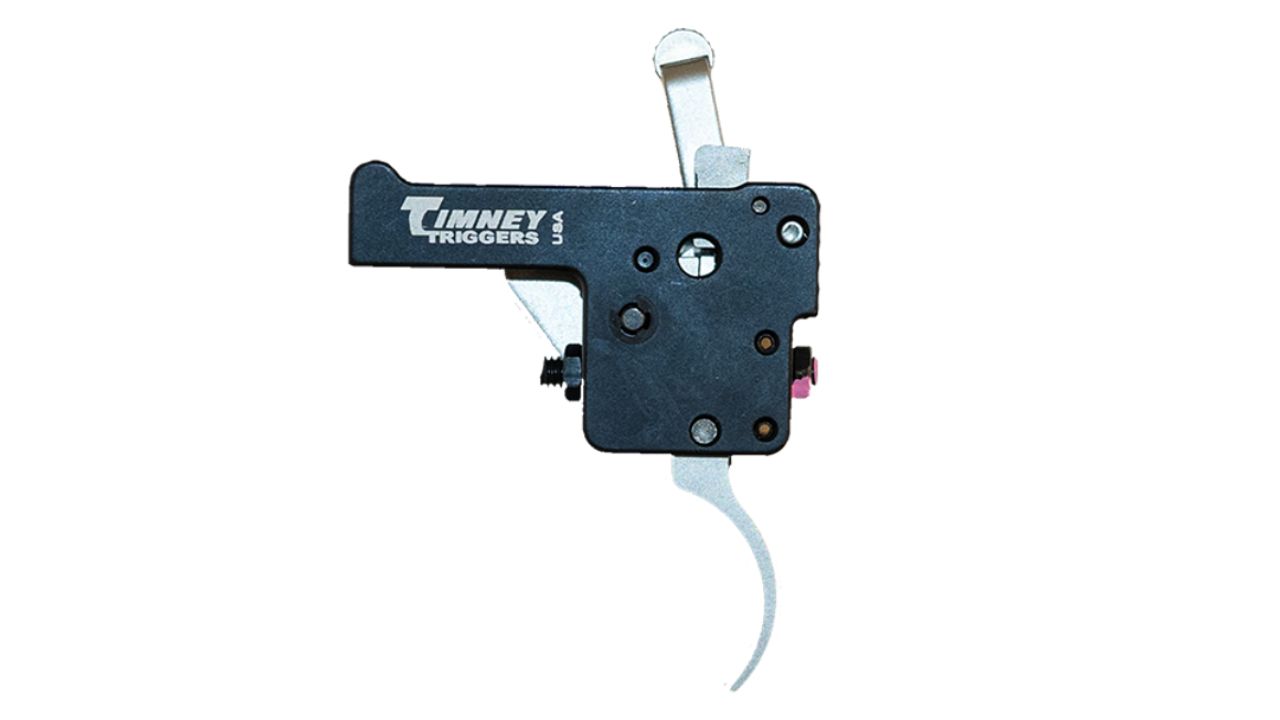
A match-grade trigger sounds like an upgrade, but too light or too crisp can cause real issues in the field. If it breaks before you’re fully settled or surprises you when your finger brushes it, your groups suffer. Some aftermarket triggers also don’t mate well with every action, leading to reliability issues or slam fires. Factory triggers may be heavier or grittier, but they’re tuned to be safe and reliable out of the box. A badly installed or poorly chosen trigger can turn your dream build into a liability, and a frustrating one at that.
Scope mounting gets sloppy on builds
You’d be shocked how many custom rifles are hobbled by crooked scope bases or improperly torqued rings. Folks obsess over MOA rails and throw on bubble levels, but don’t lap the rings or check if the reticle is level. Worse, some builders install bases without checking alignment, especially on Remington-style actions where receivers vary. If the scope gets stressed by poor mounting, it can shift under recoil or cause tracking issues. Factory rifles often come with matched bases or even built-in rails. A clean, square mount goes a long way toward keeping shots on paper.
Gas systems and recoil impulse can clash

For semi-auto builds, especially AR-style rifles, getting the gas system right is critical. Too much gas? The bolt slams back too hard and bounces. Too little? Failure to feed or short-stroking. Even with adjustable blocks, many custom rifles aren’t tuned right, and that inconsistency shows up in group size. Overgassed rifles also wear parts faster and introduce more felt recoil, making follow-up shots sloppier. Factory setups aren’t perfect, but they’re often better balanced. Custom builds give you more control—but only if you know how to dial everything in properly.
Shooters overthink specs and ignore fundamentals
Sometimes the rifle’s not the problem—it’s how it’s being shot. Custom builds attract tinkering types who get wrapped up in twist rates, barrel profiles, and fancy optics, but don’t spend enough time learning how the system works together. You can’t torque your way past poor fundamentals. Factory rifles are often more forgiving because they’re built to be. But custom setups? They demand you get everything right: cheek weld, trigger press, even loading technique. When things go south, it’s tempting to blame the parts. But often, the shooter’s expectations outpace their habits—and the rifle doesn’t get a fair shake.
Like The Avid Outdoorsman’s content? Be sure to follow us.
Here’s more from us:
The worst deer rifles money can buy
Sidearms That Belong in the Safe — Not Your Belt
*This article was developed with AI-powered tools and has been carefully reviewed by our editors.