Photo credit: The Avid Outdoorsman
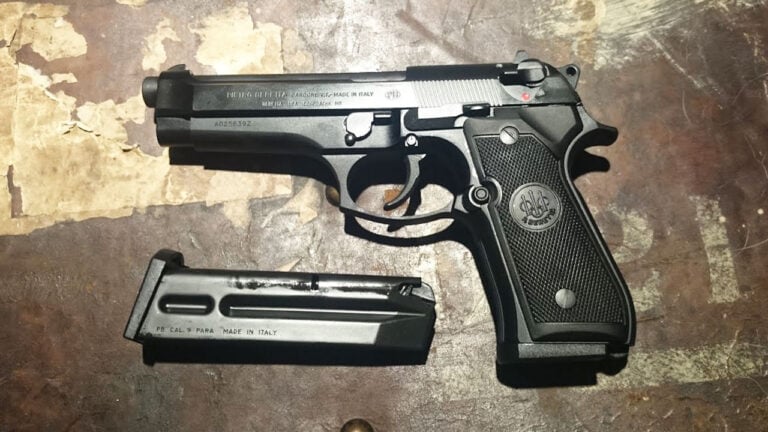
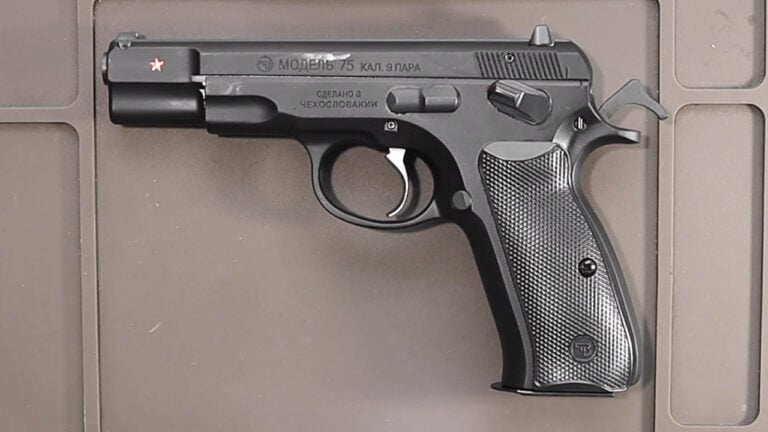
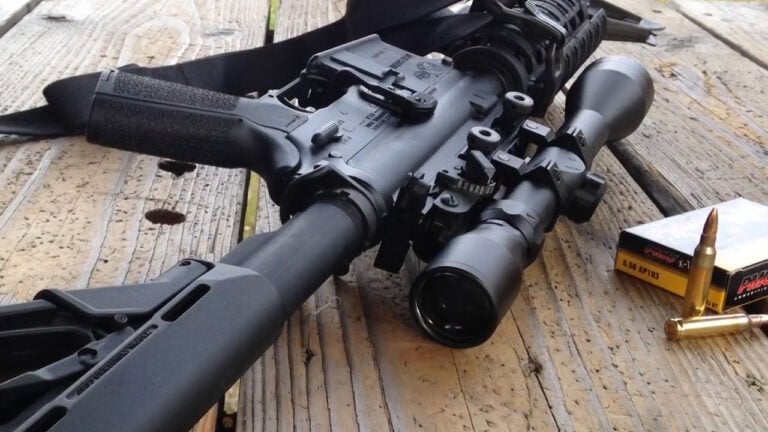
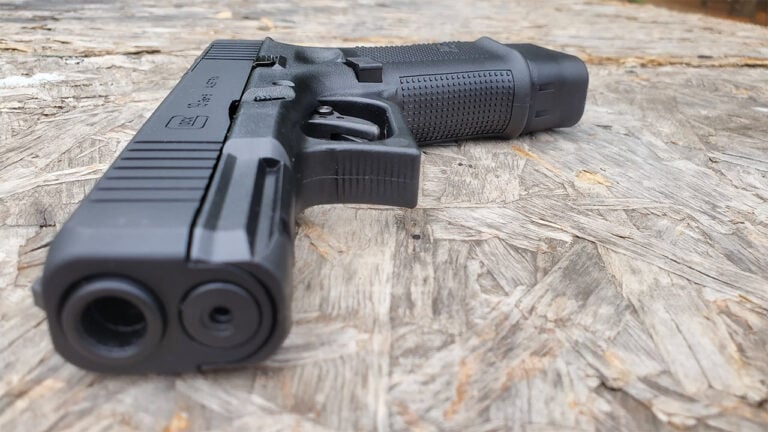
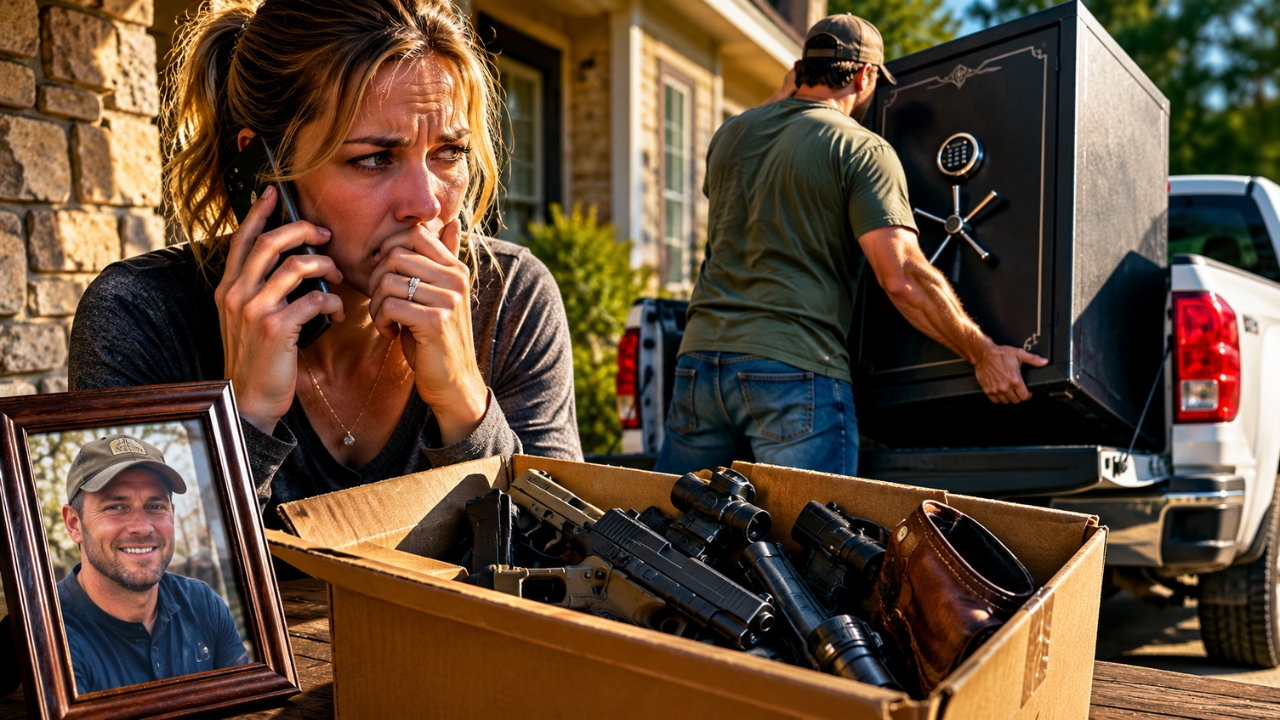
The widow said the dispute started after her husband died, when everyone should have been focused on grief, paperwork, and settling the estate the right way. Instead, according to the Reddit post, her brother-in-law came onto her property and removed weapons that had belonged to her husband.
The original Reddit post can be found here: https://www.reddit.com/r/legaladvice/comments/1oysh4v/brother_in_law_removed_weapons_from_my_property/
That would be a serious dispute with almost any property, but firearms make it more complicated. A gun is not just something a relative can casually take because they believe it was promised to them. Ownership, possession, estate rules, transfer laws, and safe storage all matter.
The brother-in-law allegedly claimed the weapons had been promised to him. That is the kind of claim families hear often after a death. Someone says a relative told them they could have a truck, a watch, a tool collection, a safe, a rifle, or some other valuable item. Sometimes that is true. Sometimes it is misunderstood. Sometimes it is just convenient after the person who supposedly made the promise is no longer alive to confirm it.
For the widow, the issue was not only whether her husband may have said something before he died. It was that the brother-in-law allegedly took the weapons from her property without the estate being settled. Even if he believed he had a claim, that does not mean he could simply remove firearms on his own timetable.
The situation also created a safety and liability concern. Once the guns left her property, she had to wonder where they went, whether they were stored safely, whether transfers were handled legally, and whether she had any record showing she did not authorize the removal.
Estate fights over firearms can get ugly fast because they combine family emotion with regulated property. One person may see the guns as sentimental heirlooms. Another may see them as valuable assets. Another may believe a verbal promise outweighs the formal estate process. But after a death, the legal process matters more than who speaks the loudest.
The widow needed to know how to get the weapons back or at least make the removal official. That likely meant documenting what was taken, finding serial numbers if possible, checking estate documents, and speaking with law enforcement or an estate attorney.
Commenters focused on the estate process. Several said the brother-in-law’s claim that the guns were “promised” to him did not automatically give him the right to take them. If there was a will, trust, probate process, or surviving-spouse rights involved, those rules would control.
Others said she should document the missing firearms immediately. That meant making a list of what was taken, gathering serial numbers, finding purchase records or photos, and saving any messages where the brother-in-law admitted removing them.
Some commenters suggested filing a police report if the guns were taken without permission. Even if the brother-in-law believed he had a family claim, taking firearms from someone else’s property could still be treated seriously.
A few people also told her to contact an estate attorney. Firearms can be property of the estate, and an attorney could help determine who had legal authority to possess, distribute, or demand return of them.
The post ended with the widow stuck in a painful family dispute at exactly the wrong time. Her husband had died, his firearms were gone, and the person who took them was claiming a promise that may or may not have had any legal weight.
Like The Avid Outdoorsman’s content? Subscribe to our newsletter so you never miss an article.
Here’s more from us: