Photo credit: ZEISS
A season of hunting can be harder on optics than recoil ever will be. The real test is vibration in the truck, rifles sliding on floorboards, a sling swivel smacking a turret, and that one fall you swear did not happen. If your scope or bino can’t keep its guts tight through all that, you end up chasing a wandering zero or fighting a fuzzy image when the light gets thin.
The good news is you don’t need a vault door around your gear. You need smart design: solid internals, repeatable adjustments, good sealing, and a housing that can take a knock without shifting. These are hunting optics that have a track record for staying together through the kind of use most people won’t admit their gear sees.
Leupold VX-3HD

The VX-3HD is a classic “set it and hunt” scope for a reason. It keeps the controls straightforward and the internals stable, which is exactly what you want when the rifle is getting bounced around day after day. When you mount it right and leave the turrets alone, it tends to hold zero without acting temperamental halfway through the season.
It also fits how real hunters handle rifles. You can run it on a lightweight mountain rifle or a hard-used deer gun and not feel like you need to babysit it. The eyebox is forgiving enough that fast shots stay fast, and the scope body doesn’t feel like it’s begging for a padded case. It’s a work scope that stays boring, and that’s a compliment.
Leupold VX-5HD
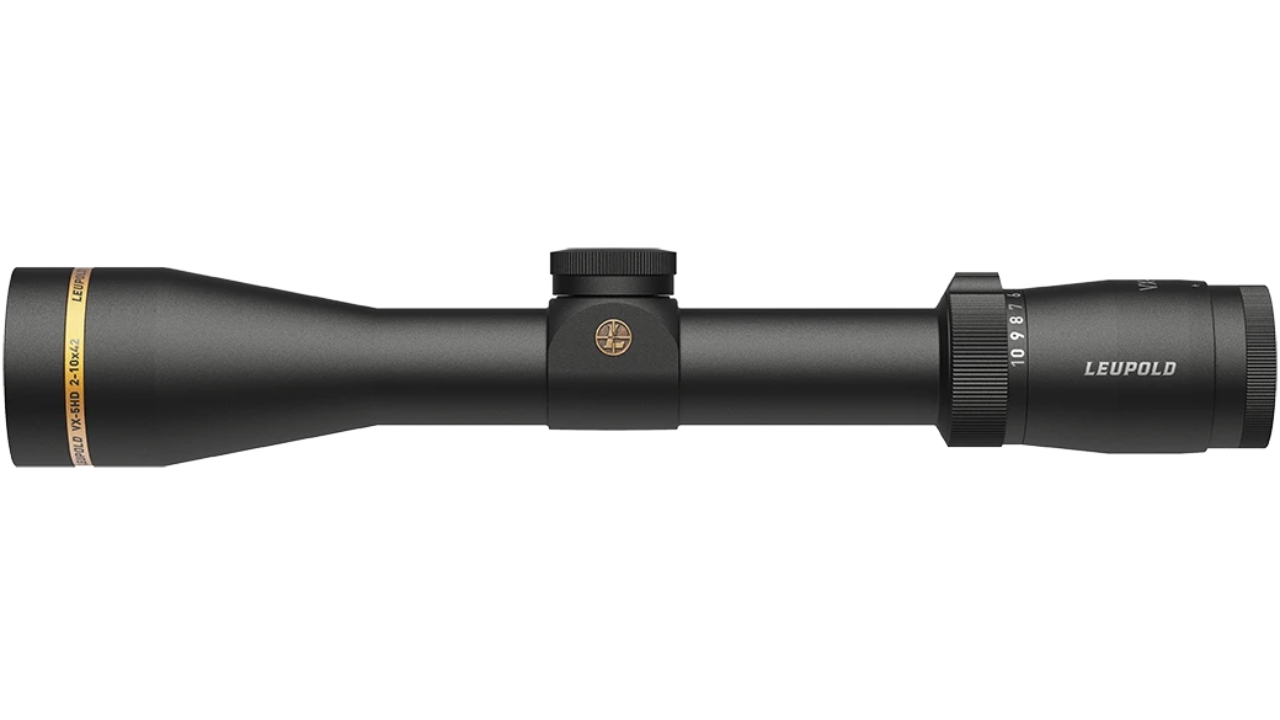
The VX-5HD steps up in features, but it still feels built for the field, not a bench. It’s the kind of scope you can dial when you need to, then lock down and keep hunting without worrying that every bump is going to change something. The build quality shows up when you are weeks into the season and nothing has loosened up.
Where it shines is balance. You get a brighter, sharper image and more refined controls without turning your hunting rifle into a top-heavy project. It’s also a scope that tends to tolerate travel well, which matters if your rifle lives in a truck and your hunts involve rough roads. Treat it like a hunting tool and it generally acts like one.
Nightforce SHV

The SHV is popular with hunters who want that “built like a tank” feel without going full tactical rig. It’s not light, but it’s steady, and the internal build is the reason people trust it when conditions get ugly. If your rifle rides in a rack, gets strapped to an ATV, or gets dragged through brush, this is the kind of scope that’s hard to rattle.
It also rewards a simple approach. Zero it, confirm it, and go hunt. The controls are positive, the scope body feels rigid, and it tends to shrug off the kind of vibration that kills lesser optics over time. You still need good rings and proper torque, but the SHV gives you a strong foundation that doesn’t feel fragile when the season gets rough.
Nightforce NXS
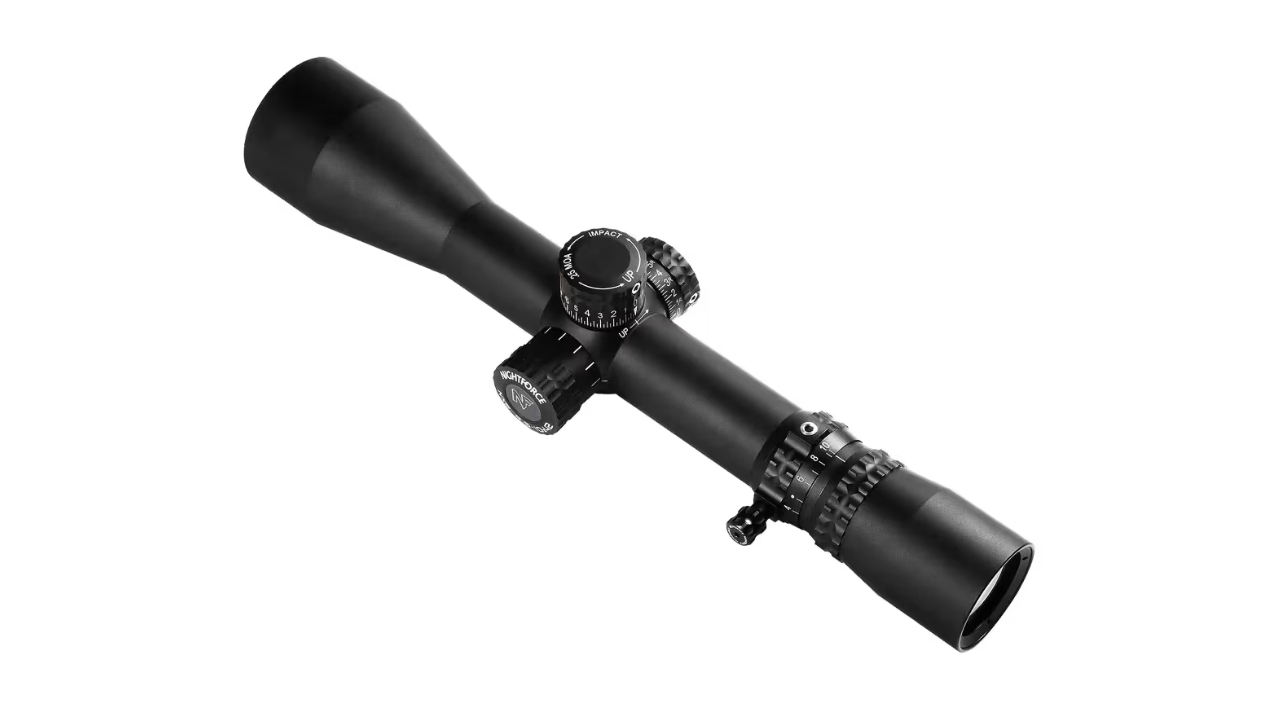
The NXS earned its reputation with people who beat on gear for a living, and hunters benefit from that same toughness. It’s built to keep working after recoil, knocks, and the constant micro-abuse of travel. When your rifle gets bumped getting in and out of a truck for two months straight, that kind of durability matters more than fancy features.
The other advantage is consistency. When you do adjust it, it tends to behave predictably, which builds confidence fast. For a hunter who mixes long sits with hard miles, the NXS is the sort of scope you stop thinking about, and that’s the goal. It’s not the cheapest route, but it’s one of the safer bets when the season is going to test everything you own.
Trijicon AccuPoint
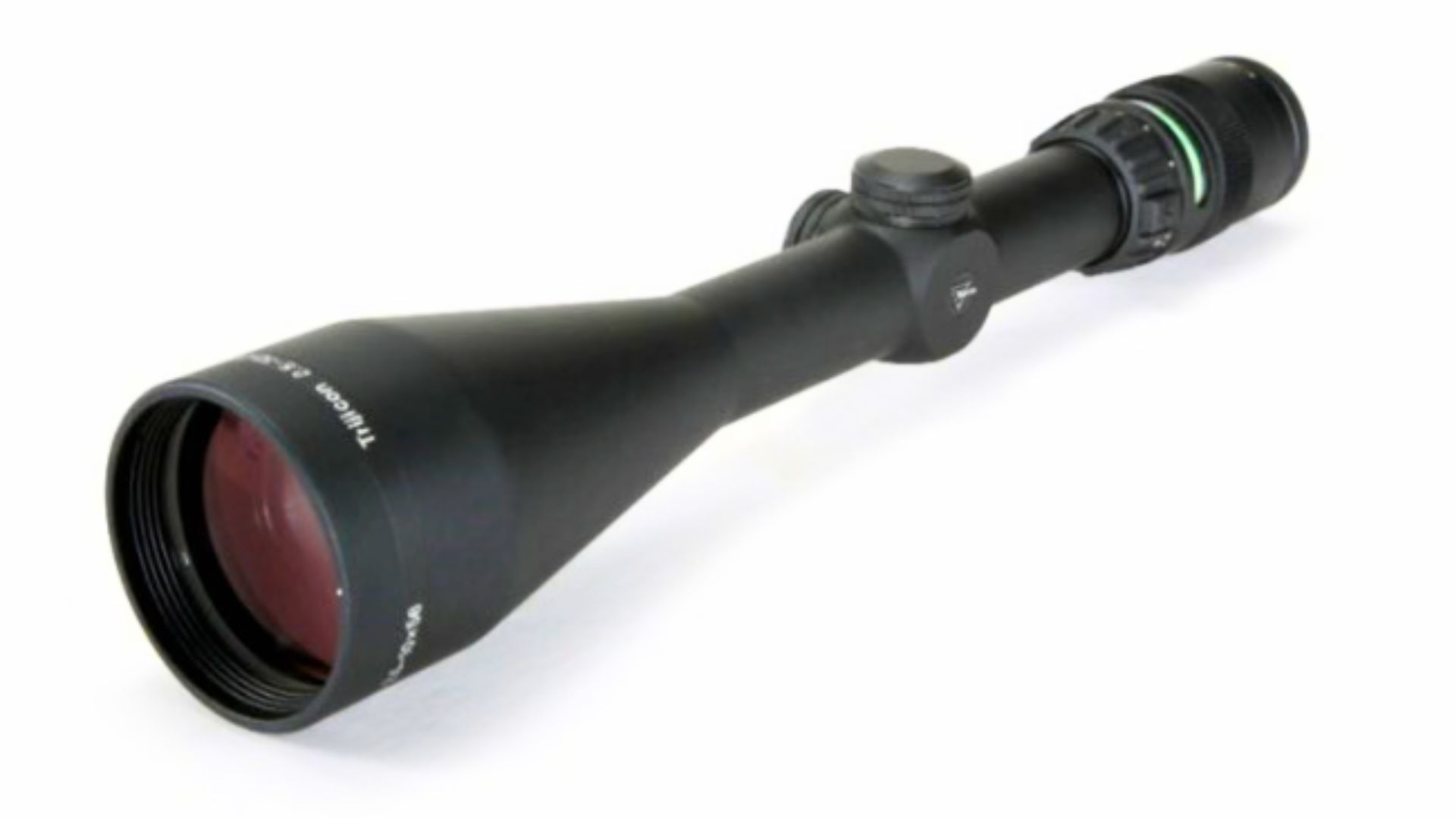
The AccuPoint is a great fit for hunters who want reliability and speed without relying on complicated electronics. It’s a tough scope with a simple, practical layout, and it’s been around long enough that plenty of rifles have proven it through real seasons. When your gear takes a hit, you want a scope that keeps doing its job without drama.
It also works well for the way most people actually hunt. You get fast target acquisition in the woods and enough precision for open-country shots, all while keeping the scope rugged and straightforward. The housing feels stout, the adjustments stay put, and the overall system is less likely to get knocked out of confidence by normal field use. It’s a hunting optic built for hunting lives.
Trijicon Credo
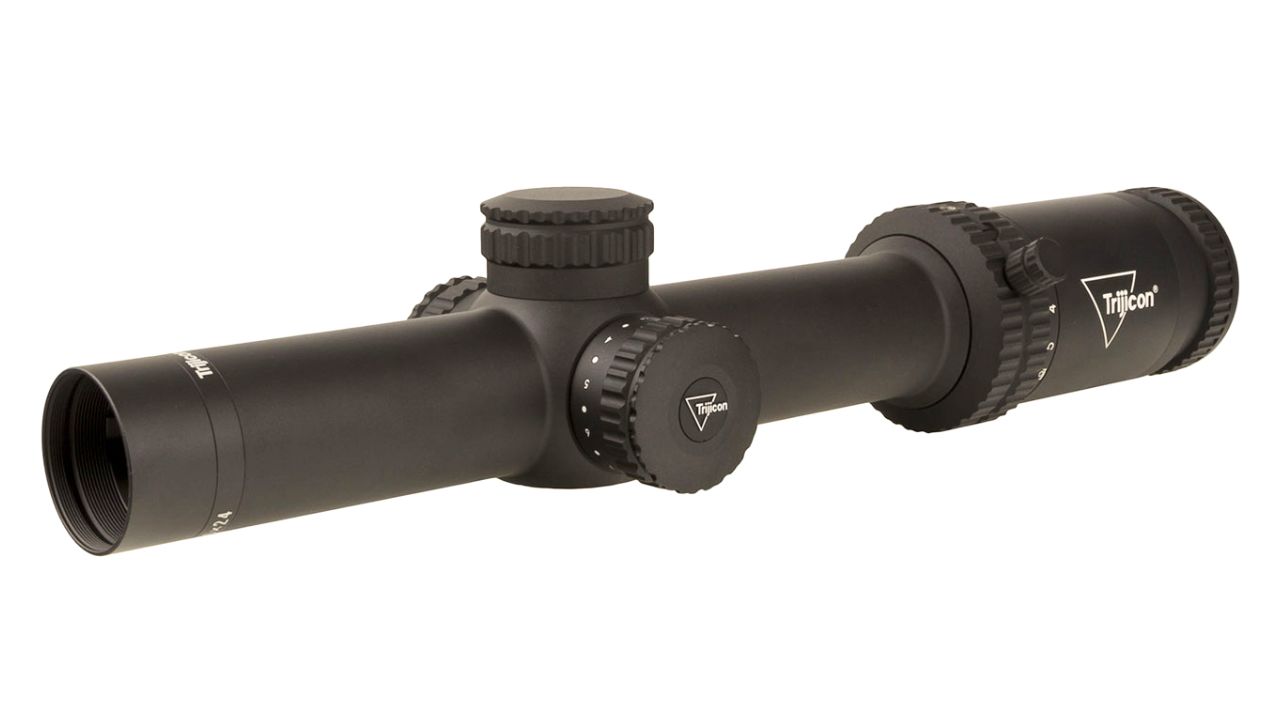
The Credo line is built for hunters who want modern performance but still demand durability. The scope body and controls feel tight, and it tends to hold up well to daily carry and vehicle miles. When you’re rough on gear, the Credo’s appeal is that it feels like it was designed to survive that reality.
In the field, it’s easy to live with. The image is sharp enough to pick out hair and shadow at the edges of legal light, and the scope doesn’t punish you with a picky eyebox when you’re shooting fast. You can run it on a deer rifle, a coyote rifle, or a general-purpose hunting rig and expect it to stay consistent. It’s a modern hunting scope that still feels built, not merely assembled.
Zeiss Conquest V4

The Conquest V4 is one of those scopes that feels refined without feeling delicate. Hunters like it because it holds up to travel and still delivers a clear, usable image when the woods get dim. It’s a scope you can mount, confirm, and then focus on hunting instead of fussing over equipment.
Durability shows up in little ways. Turrets stay where you set them, the scope body doesn’t feel thin, and it tends to keep its point of impact through the normal bumps of the season. It also balances well on hunting rifles, which matters if you’re carrying all day. If your rifle spends a lot of time riding behind a seat and then gets pulled out for a quick shot, the V4 fits that rhythm.
Swarovski Z5i
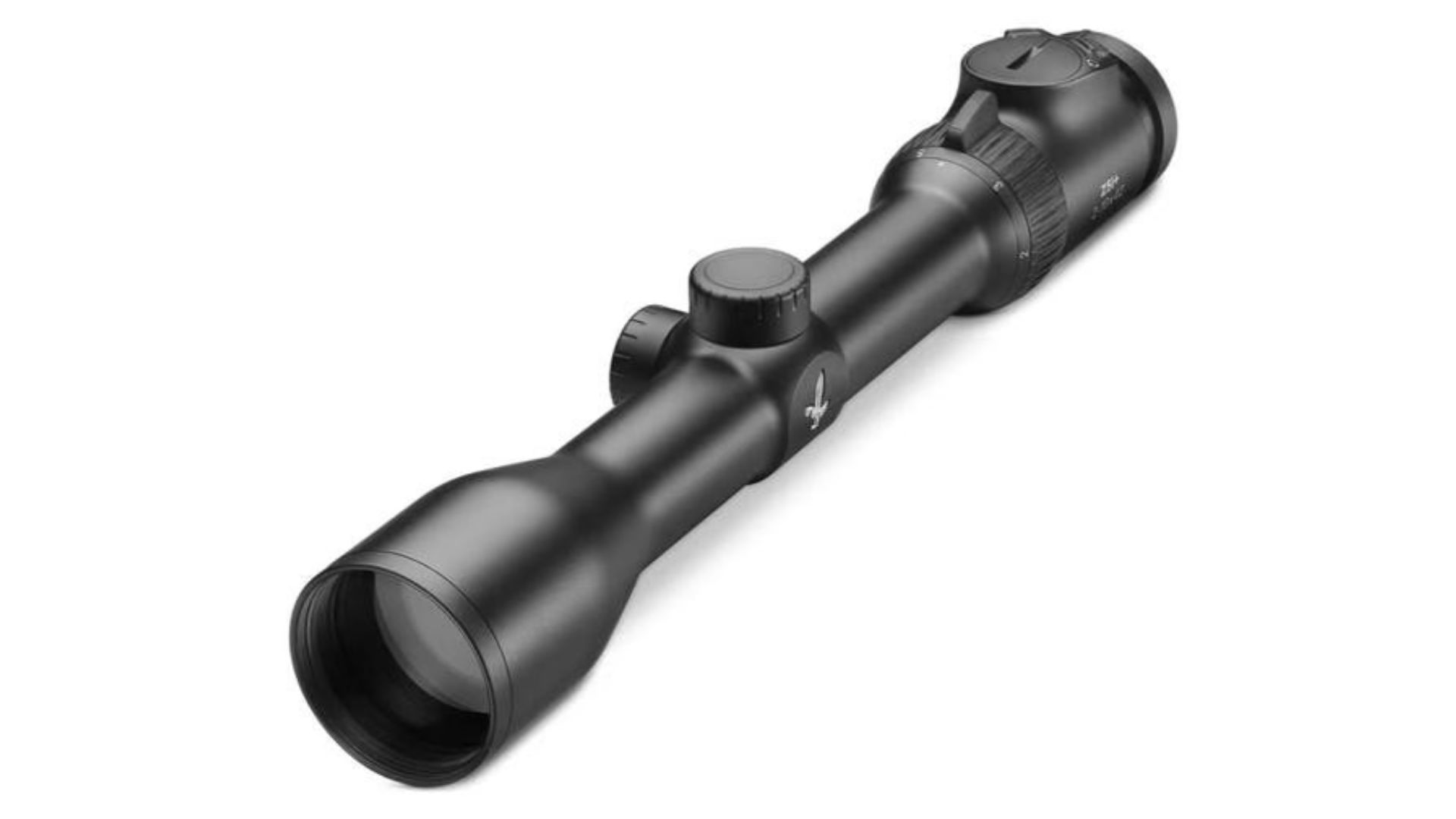
The Z5i is often bought for the glass, but it holds up well in the real world too. It’s slim, it carries nicely, and it doesn’t feel like it needs special treatment just because it’s premium. If you hunt hard and want a scope that stays sharp and stays consistent, this is one that earns its place.
Where it shines is low-light clarity and a calm sight picture when you’re tired and the shot window is tight. That matters when you’ve been bouncing down back roads all morning and then you finally get your chance in the evening. It’s not a scope you buy to abuse, but it’s one that handles a real hunting season without turning fragile. Mount it properly and it tends to stay steady.
Vortex Razor HD LHT

The Razor HD LHT is built for hunters who want a lighter scope that still feels solid. Lightweight optics sometimes get a reputation for being more easily knocked around, but the LHT has proven itself as a dependable option for rifles that get carried far and ridden hard. It’s a good match for the hunter who covers miles and still wants a scope that can survive the ride back to town.
It’s also easy to use in the field. The image stays crisp, the controls are practical, and the scope doesn’t feel like it’s going to punish you for normal bumps. This is the kind of optic that makes sense on a do-everything hunting rifle, the one that ends up in the truck most often. If that’s your reality, you want a scope that keeps showing up.
Vortex Viper PST Gen II
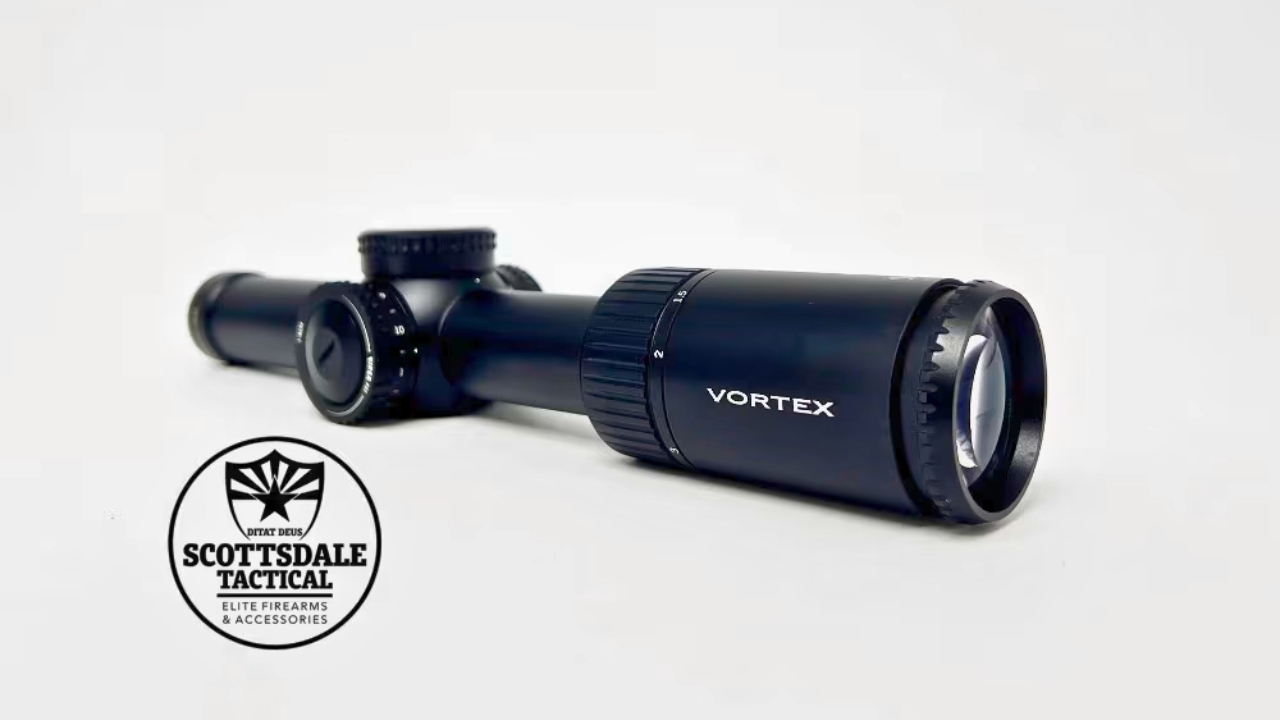
The Viper PST Gen II isn’t marketed as a delicate hunting scope, and that’s why some hunters trust it when their gear takes a beating. It’s a sturdy, feature-rich optic that can handle being hauled around, bounced around, and still hold together through a long season. It’s heavier than some pure hunting scopes, but that weight often comes with a more solid feel.
If you like dialing or you shoot a lot in the offseason, the PST Gen II can pull double duty. You can practice hard, travel hard, and not worry that the scope is going to loosen up after a month of use. The key is to mount it with good hardware and treat your rifle like a working tool. Do that, and this scope usually keeps up.
Burris Fullfield IV
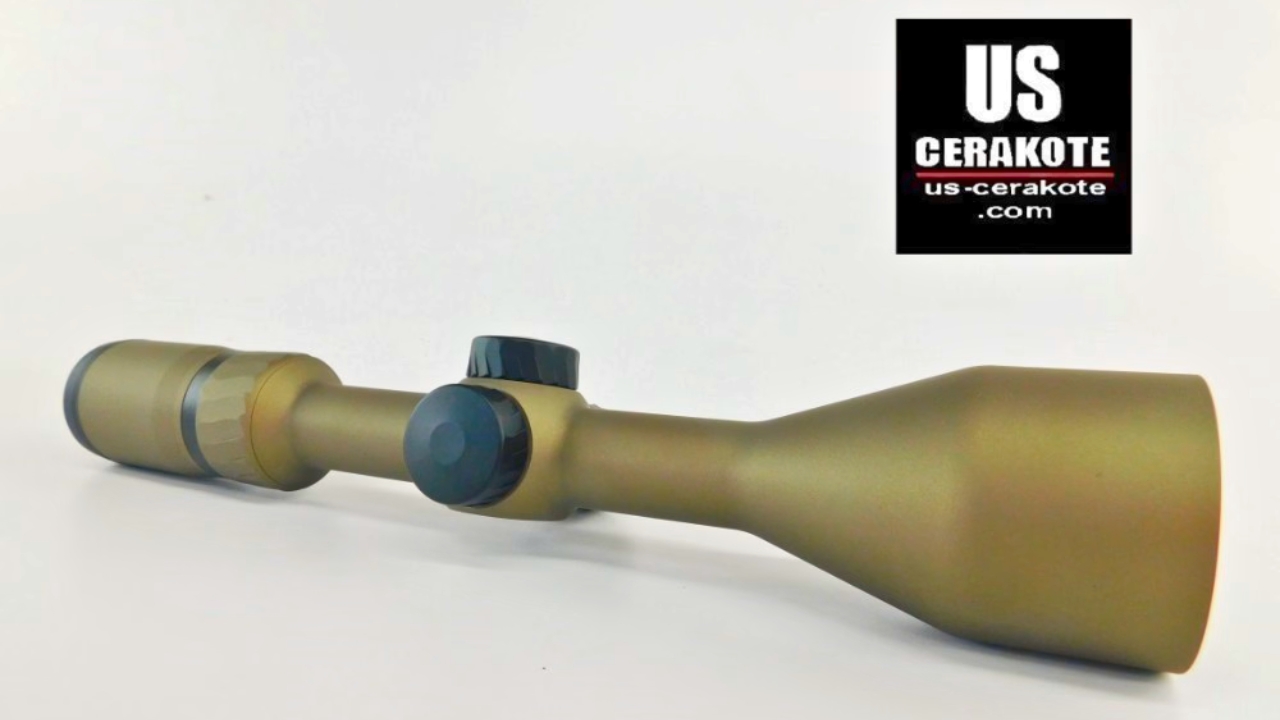
The Fullfield IV is the kind of scope that ends up on a lot of rifles that actually get used. It’s reasonably priced, built for hunting, and it tends to hold zero when you’re not pampering the gun. That matters because a whole lot of deer rifles live in trucks, ride in UTVs, and still need to land the bullet where you aimed when the moment shows up.
It’s also practical in the best way. The controls aren’t trying to impress anybody, and the scope is easy to shoulder and shoot with. If you want a scope that can ride through a season without acting finicky, this is a strong value pick. It’s not the flashiest option, but it’s the kind of optic you can trust to keep doing its job.
Meopta Optika6
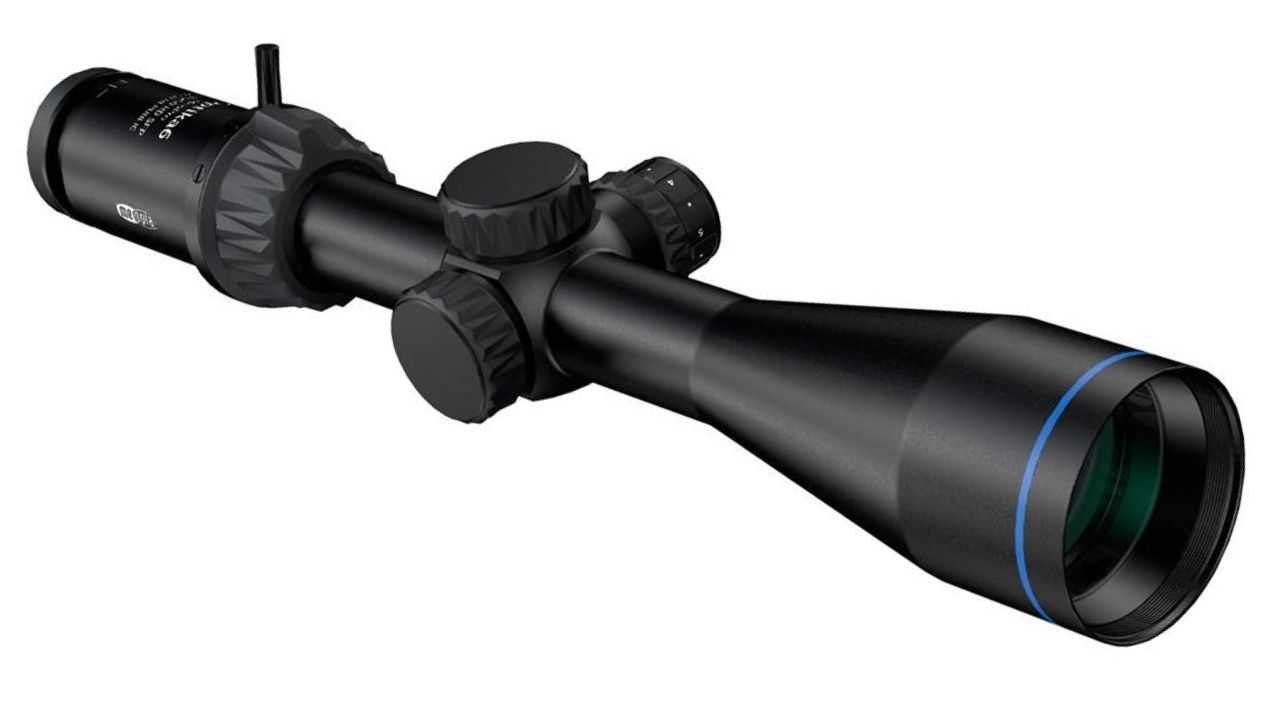
Meopta makes optics that feel like they were built with hunters in mind, and the Optika6 is a good example. It’s solid, it handles real field carry, and it offers a clear image that helps when you’re glassing timber edges or picking a lane in the brush. The durability shows up in how consistent it stays through travel and rough handling.
It also makes sense for hunters who run one rifle for everything. You can take it from early season to late season, bounce down gravel roads, and still feel confident that nothing has shifted inside the scope. The controls are usable without feeling delicate, and the overall build has a tight, sturdy character. If you want something different than the usual big-name picks, the Optika6 deserves a look.
Steiner T5Xi
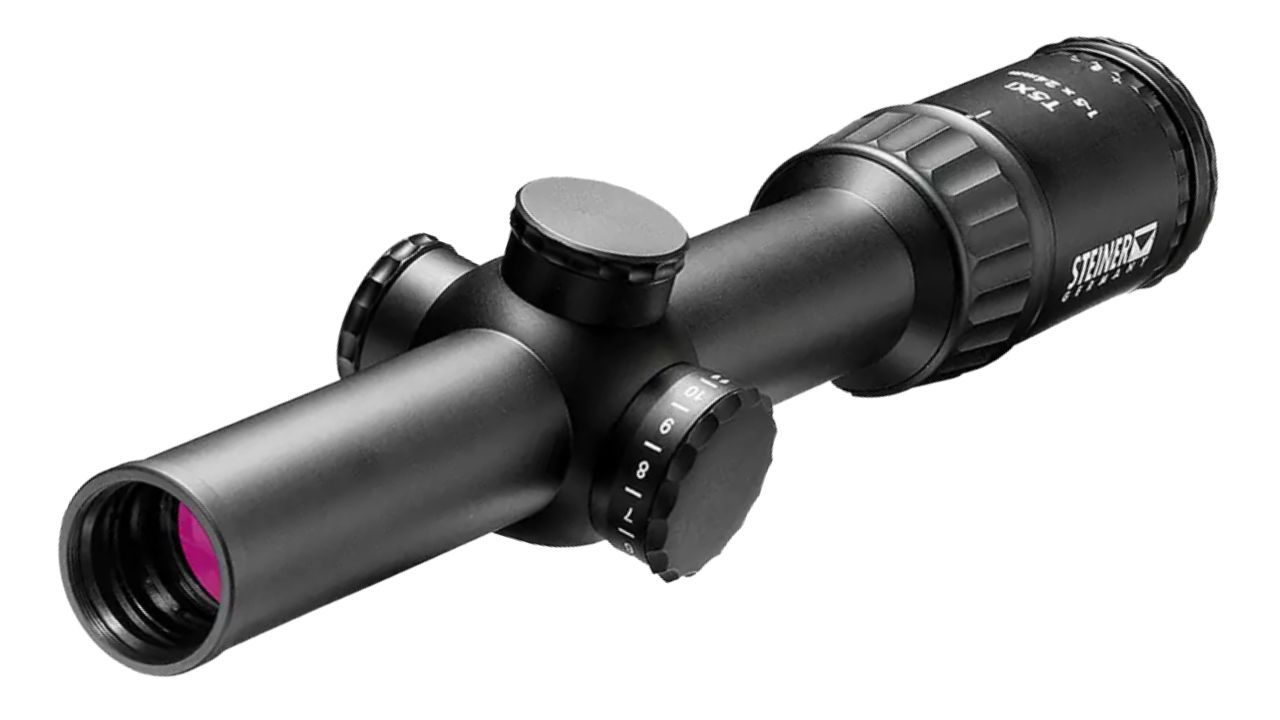
The T5Xi is built with toughness as a priority, and hunters who are hard on gear appreciate that quickly. It’s the kind of scope that feels like it can take repeated bumps and still keep tracking and holding zero. When your rifle has seen a few seasons of rough handling, you start valuing optics that are not easily rattled.
In practice, it rewards you with confidence. You can ride it hard, check zero, and usually find it right where you left it. It’s heavier than some hunting-only optics, but that’s often the trade for a more rugged build. If your hunting includes truck miles, rough camps, and gear piled together, the T5Xi is the kind of optic that can survive the chaos without losing its mind.
Aimpoint Micro H-2
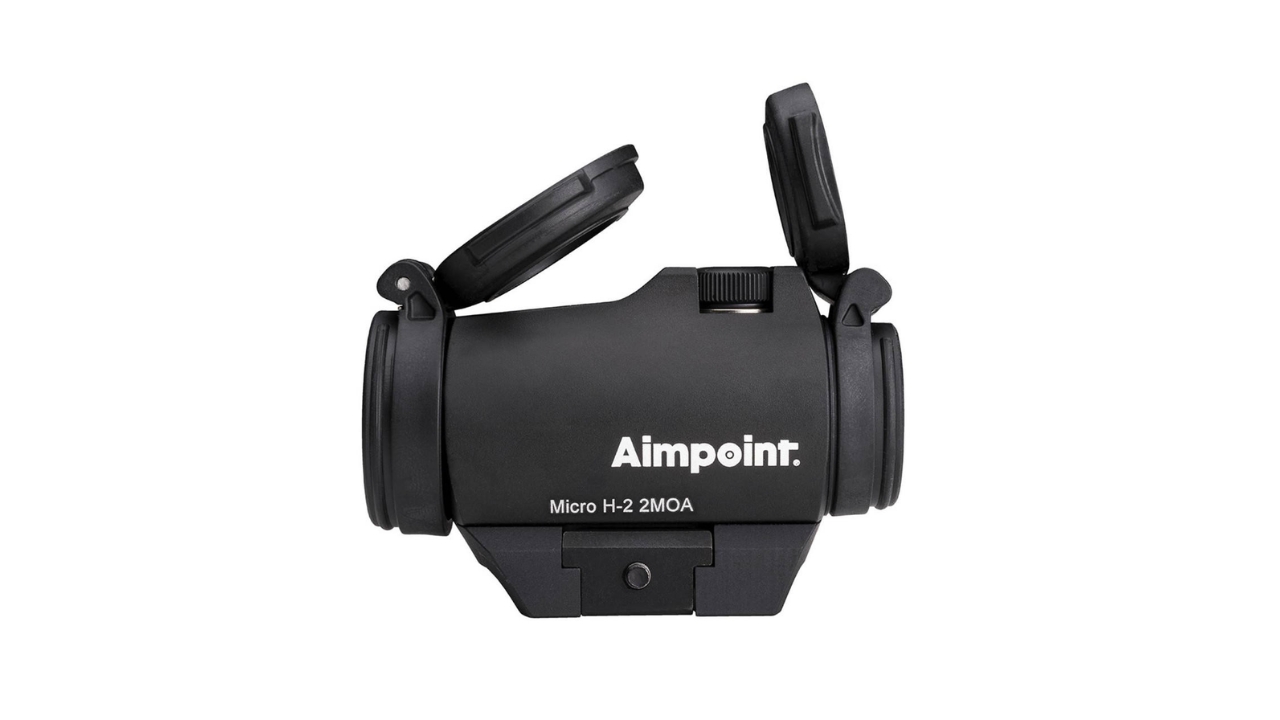
A red dot might not be your first thought for hunting, but on close-range rifles it can be the toughest, most reliable sight you can run. The Aimpoint Micro H-2 is built for hard use, and that shows up when it lives on a rifle that gets banged around in the real world. If you hunt thick cover, run a hog gun, or carry a brush rifle, durability and speed matter more than magnification.
The Micro also keeps things clean and uncomplicated. It stays compact, it doesn’t snag, and it shrugs off vibration and bumps that can loosen lesser sights. Mount it correctly, confirm it, and you can go a whole season without thinking about it. For the hunter who wants “grab the rifle and go” reliability, this is one of the safest optics choices you can make.
Leupold BX-4 Pro Guide HD

Binoculars take abuse in a different way than scopes. They bounce on your chest for miles, they get tossed into the passenger seat, and they get used one-handed when you’re tired. The BX-4 Pro Guide HD is built to handle that kind of hunting life, with a tough housing and a design that holds up to constant carry.
The real value is reliability in the field. You can glass hard all day and not feel like you’re going to knock them out of alignment the first time they swing into a truck door. They also ride well in a harness, which is where most hunters actually keep them. If your season involves a lot of miles and a lot of glassing, these are the kind of binoculars that can take the bumps and keep working.
Sig Sauer KILO Rangefinder
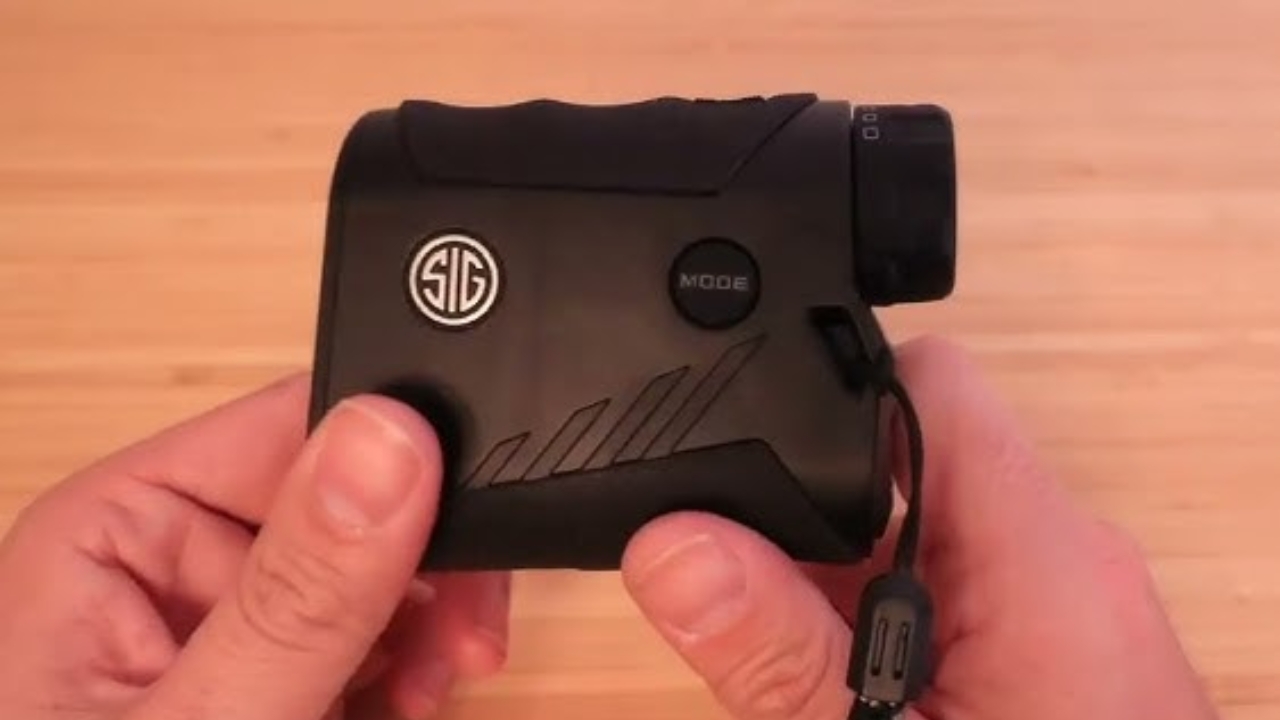
Rangefinders live in pockets, cup holders, bino harnesses, and pack lids, which means they get smacked around constantly. A KILO unit is built for that sort of handling, and it’s the kind of tool that keeps earning its place when your season gets hectic. If you hunt open country or shoot across fields and cuts, a rangefinder is only useful if it still works after weeks of travel.
The best part is how it fits real hunting routines. You can pull it out fast, get a reading, and move on without babying it. Keep it protected from grit and moisture the way you should, but don’t worry about every little bump. A rangefinder that can survive the season becomes part of your system, and it helps you make cleaner decisions when the shot window is tight.
Like The Avid Outdoorsman’s content? Subscribe to our newsletter so you never miss an article.
Here’s more from us: