Photo credit: Lefty/Youtube
Upgrading sounds smart until the new gun starts reminding you what the old one did right. Maybe the older firearm fit better, ran cleaner, carried easier, or didn’t need half the attention the shiny replacement seems to demand. Sometimes the “upgrade” is real. Sometimes it is just newer.
A lot of owners learn this after they already spent the money. The gun they traded or pushed to the back of the safe keeps looking better because it was already proven, already familiar, and already doing the job. These firearms make people wonder why they ever upgraded in the first place.
Glock 19 Gen 3
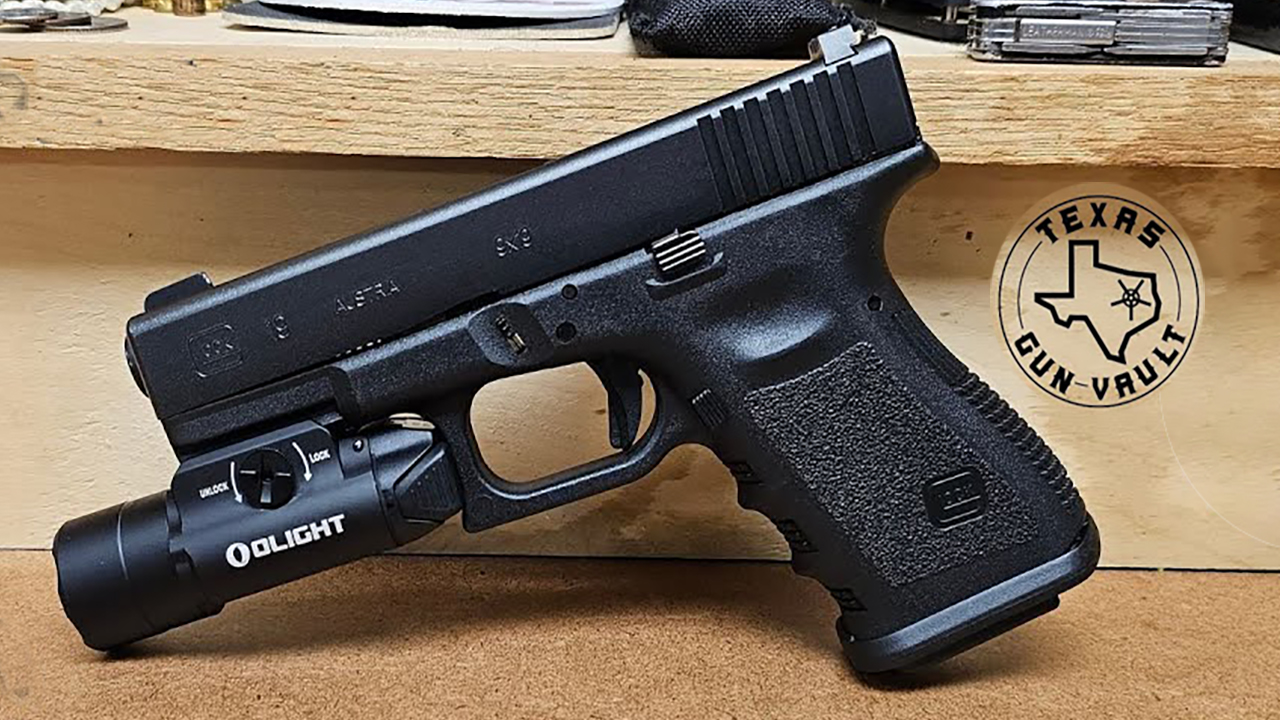
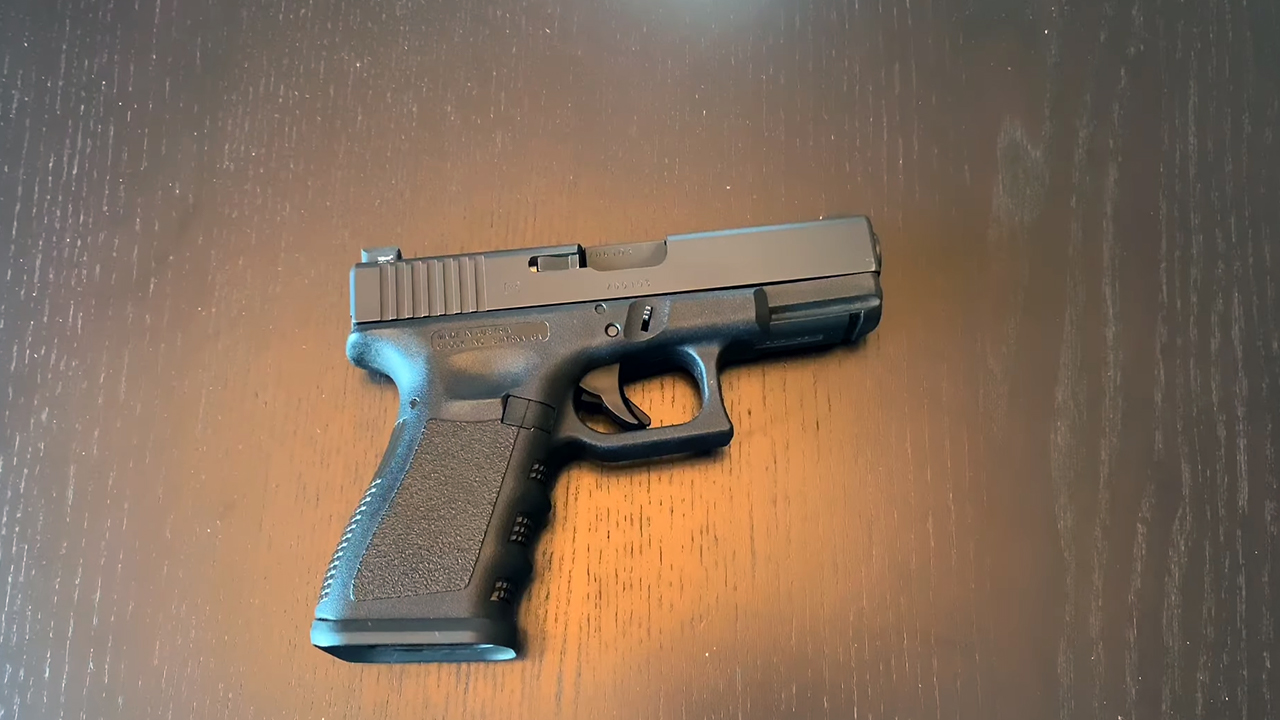
The Glock 19 Gen 3 has made plenty of owners question why they chased something newer. It is not the most refined compact 9mm anymore, and newer pistols offer better factory triggers, nicer textures, optic cuts, and more modern ergonomics. On paper, moving on seems easy.
Then the old Gen 3 keeps running. It has endless magazine support, endless holster options, simple maintenance, and a track record that newer guns are still trying to build. Shooters who already trained with it often realize the “upgrade” didn’t make them shoot better. It just gave them something different to learn. A familiar Glock that works can make a new pistol feel unnecessary fast.
Remington 870 Wingmaster
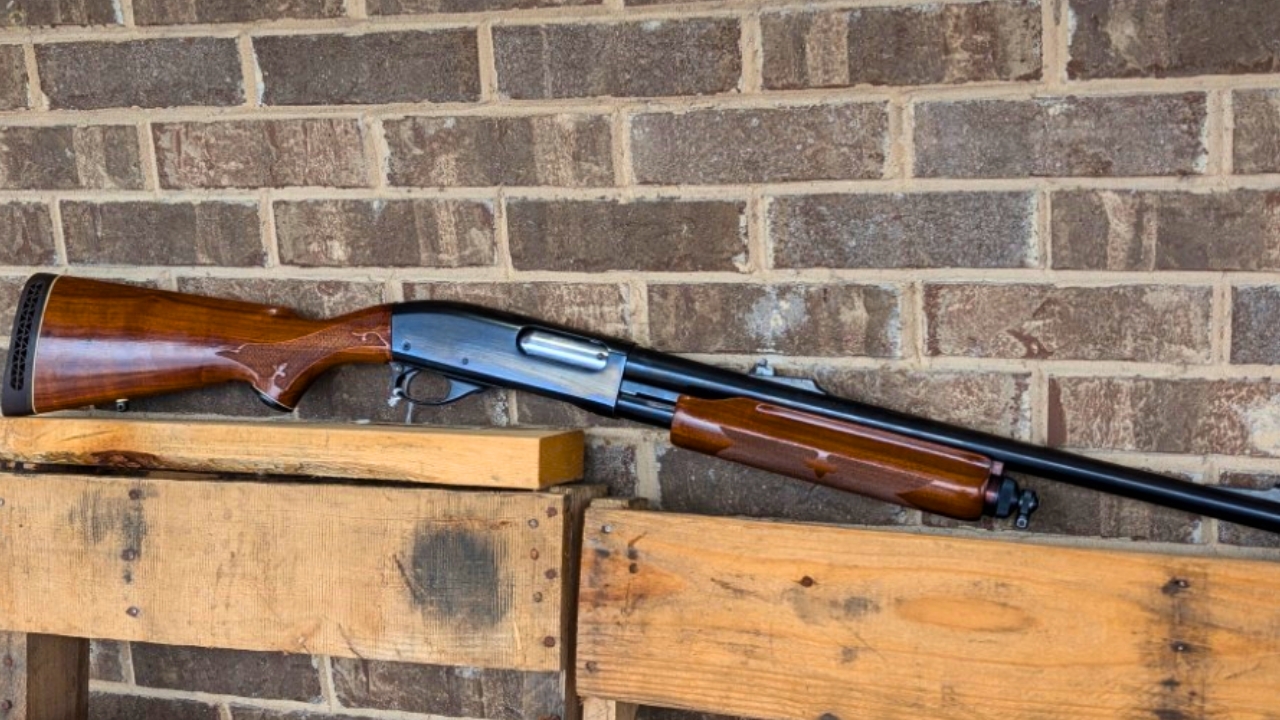
A lot of shotgun owners upgraded from an 870 Wingmaster to something newer, lighter, or semi-automatic, then found themselves missing the old pump. The Wingmaster has a smooth action, solid feel, and a level of finish that many modern working shotguns do not match. It feels like a shotgun built to stay around.
Semi-autos have their place, and some newer pumps are perfectly useful. But the Wingmaster reminds owners that simplicity and feel matter. It can hunt birds, shoot clays, handle deer barrels, and cover general shotgun work without feeling like a compromise. If the “upgrade” feels rougher, fussier, or less natural, that old 870 starts looking pretty hard to beat.
Marlin 336

The Marlin 336 is one of those rifles hunters often move on from when they start chasing flatter trajectories, bigger scopes, and newer deer cartridges. That makes sense if their hunting changes. But for thick woods and normal deer distances, a good 336 still does exactly what it was built to do.
Owners who upgrade to rifles that are heavier, longer, or less handy sometimes wonder what they actually gained. The 336 carries easily, shoulders quickly, and puts .30-30 Winchester or .35 Remington where it needs to go inside its lane. It does not pretend to be a long-range rifle. That honesty is why hunters miss it when the new setup feels like too much gun for the woods they actually hunt.
Smith & Wesson Model 686

The Smith & Wesson Model 686 makes a lot of handgun upgrades feel less convincing. Owners may move toward high-capacity semi-autos, lighter carry guns, or more specialized pistols, but the 686 keeps offering something hard to replace: strength, balance, and a wide range of usefulness.
It shoots .38 Special gently, handles .357 Magnum confidently, and works as a range revolver, woods gun, home-defense option, or hunting sidearm depending on barrel length. Newer handguns may be more practical for some defensive roles, but few feel as satisfying across so many uses. A good 686 has a way of making owners wonder why they ever thought it was expendable.
Tikka T3 Lite

The Tikka T3 Lite is a rifle some hunters “upgrade” from only to realize the replacement does not shoot any better. The Tikka’s plain stock and simple look can make it seem like a stepping-stone rifle. Then it keeps grouping well, cycling smoothly, and carrying easily through season after season.
That is where the regret starts. A more expensive rifle may have a nicer stock, better finish, or fancier name, but if it does not shoot better or feel more natural, what was gained? The T3 Lite built its reputation on smooth bolts, good triggers, and dependable accuracy with factory ammunition. Sometimes the boring rifle was already the right rifle.
Beretta 92FS

The Beretta 92FS often gets replaced because it is large, heavy, and old-school. A newer pistol may carry easier, mount optics more cleanly, or hold similar capacity in a smaller package. Those are real advantages. But the Beretta still has a way of making owners question the move.
On the range, the 92FS is smooth, soft-shooting, and easy to enjoy. The metal frame, long sight radius, and open-slide design make it feel calm in a way smaller pistols rarely match. The DA/SA trigger takes practice, but many owners already had that practice. A newer gun may check more boxes, but if it is less pleasant to shoot, the old Beretta starts looking better every trip.
Ruger 10/22

The Ruger 10/22 makes owners wonder why they upgraded when the replacement turns out to be less simple, less supported, or less fun. Plenty of rimfires look more modern now. Some are more tactical, more precise, or more specialized. But the 10/22 keeps winning because it is so easy to live with.
Magazines are everywhere, parts are everywhere, and the rifle can stay basic or become a project. It is useful for new shooters, plinking, small game, and cheap practice. A fancier rimfire may do one thing better, but the 10/22 does a lot of things well enough to stay in constant use. That kind of usefulness makes many upgrades feel like side trips.
SIG Sauer P226
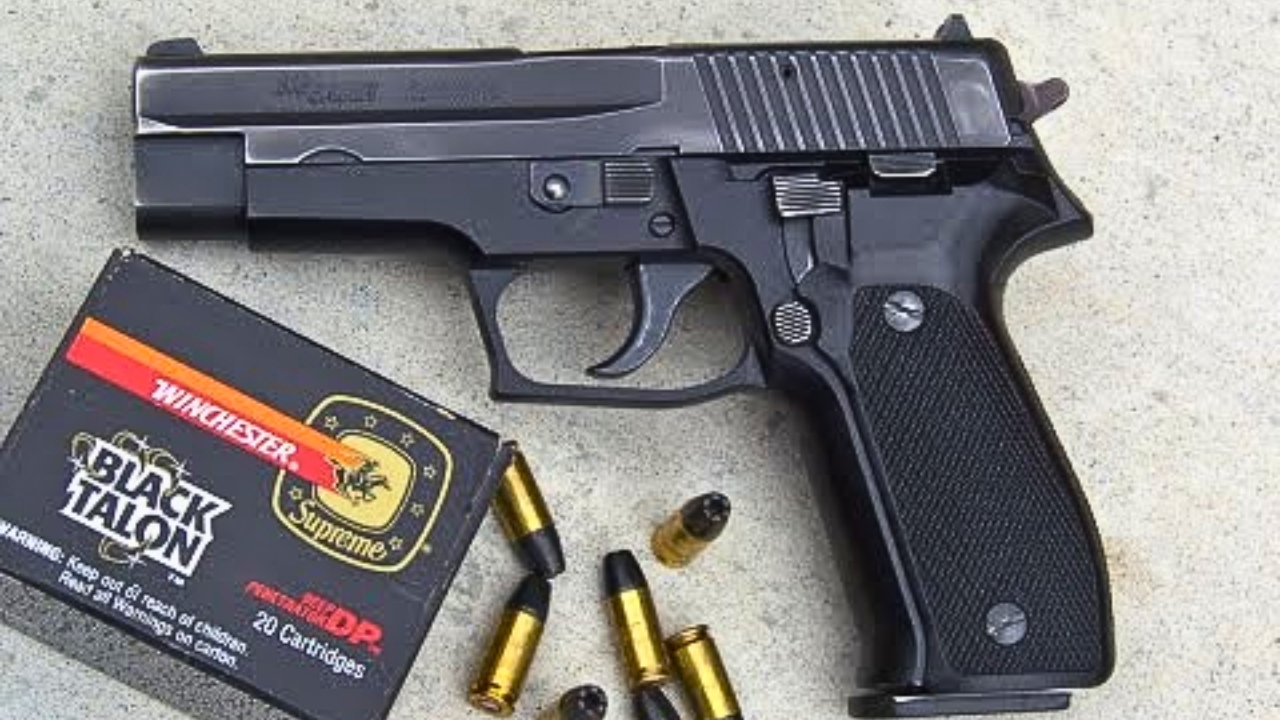
The SIG P226 gets replaced by lighter, cheaper, striker-fired pistols all the time. For carry or department-wide simplicity, that can make sense. But for an individual shooter who already knows the platform, the P226 often remains the pistol they shoot best.
Its weight helps control recoil, the grip feels steady, and the DA/SA trigger rewards training. The P226 feels like a serious service pistol every time it comes out of the safe. Newer guns may be easier to carry or easier to mount optics on, but they do not always feel as planted. Owners who move on sometimes discover the upgrade made life simpler on paper, not better on target.
Winchester Model 70 Featherweight

The Winchester Model 70 Featherweight is a rifle hunters sometimes replace with lighter synthetic rifles or newer long-range setups. Then they miss the balance. The Featherweight trims weight without feeling hollow, and it still carries that classic Model 70 field confidence.
A newer rifle may be more weatherproof or come with more modern features, but not all of them shoulder the same way. The Featherweight feels like a hunting rifle, not a product trying to win a spec comparison. The three-position safety is excellent, and controlled-round-feed versions add even more trust. If the replacement feels less natural in the field, the old Model 70 starts looking like the rifle that never needed replacing.
CZ 75B

The CZ 75B is often “upgraded” to lighter polymer pistols with optic cuts, bigger aftermarket support, and easier carry manners. Those upgrades have their place. But the CZ’s steel-frame feel, excellent grip shape, and low bore axis still make it a pistol many owners shoot better than the newer gun.
That is the part that matters. The CZ 75B feels planted, points naturally, and makes 9mm recoil easy to manage. It may not be the best everyday carry choice for everyone, but as a range, home-defense, or training pistol, it remains hard to beat. A newer pistol with more features can still feel less satisfying if it does not fit the hand as well.
Mossberg 500
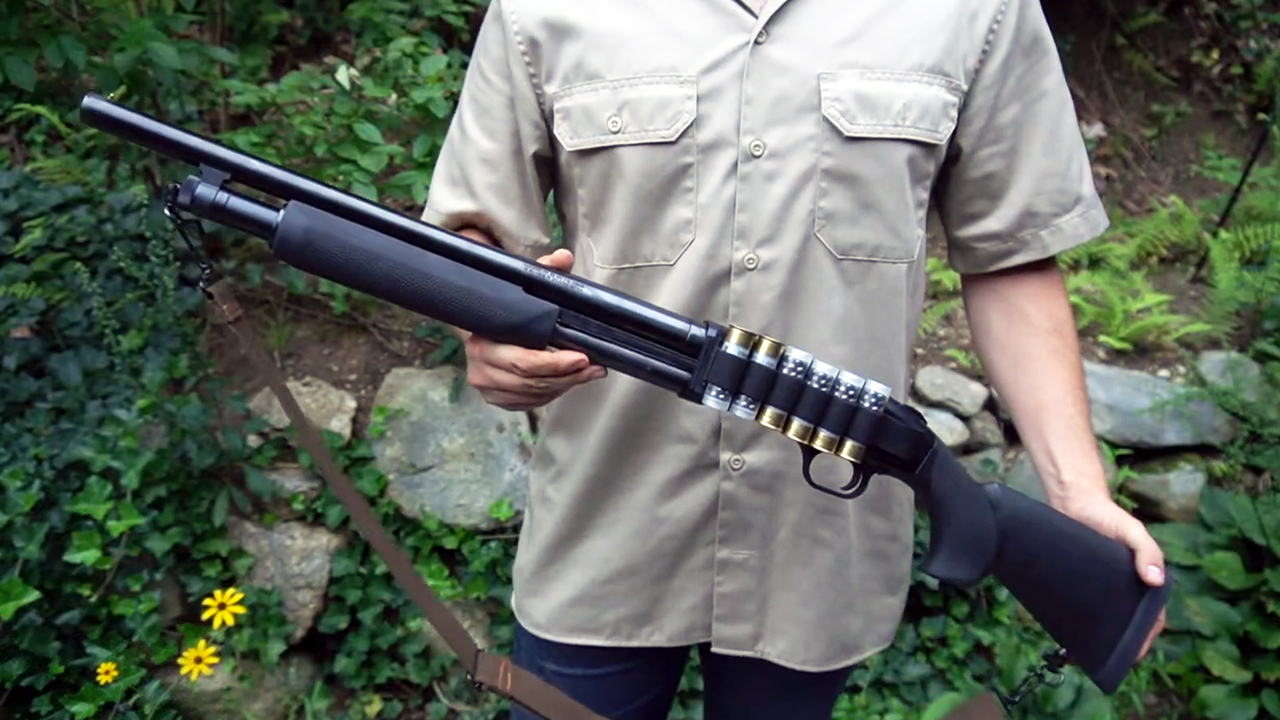
The Mossberg 500 is the shotgun people upgrade from when they want something smoother, faster, or flashier. Sometimes that works out. Other times, they realize the old pump did everything they actually needed. It was simple, supported, and reliable enough for the work.
The 500 can cover birds, deer, turkey, home defense, clays, and rough property use depending on configuration. The tang safety is easy for many shooters, and the platform is easy to maintain. A newer shotgun may look more impressive, but if it is pickier, heavier, or less familiar, the Mossberg starts looking like the safe answer. Not every upgrade improves usefulness.
Browning Buck Mark
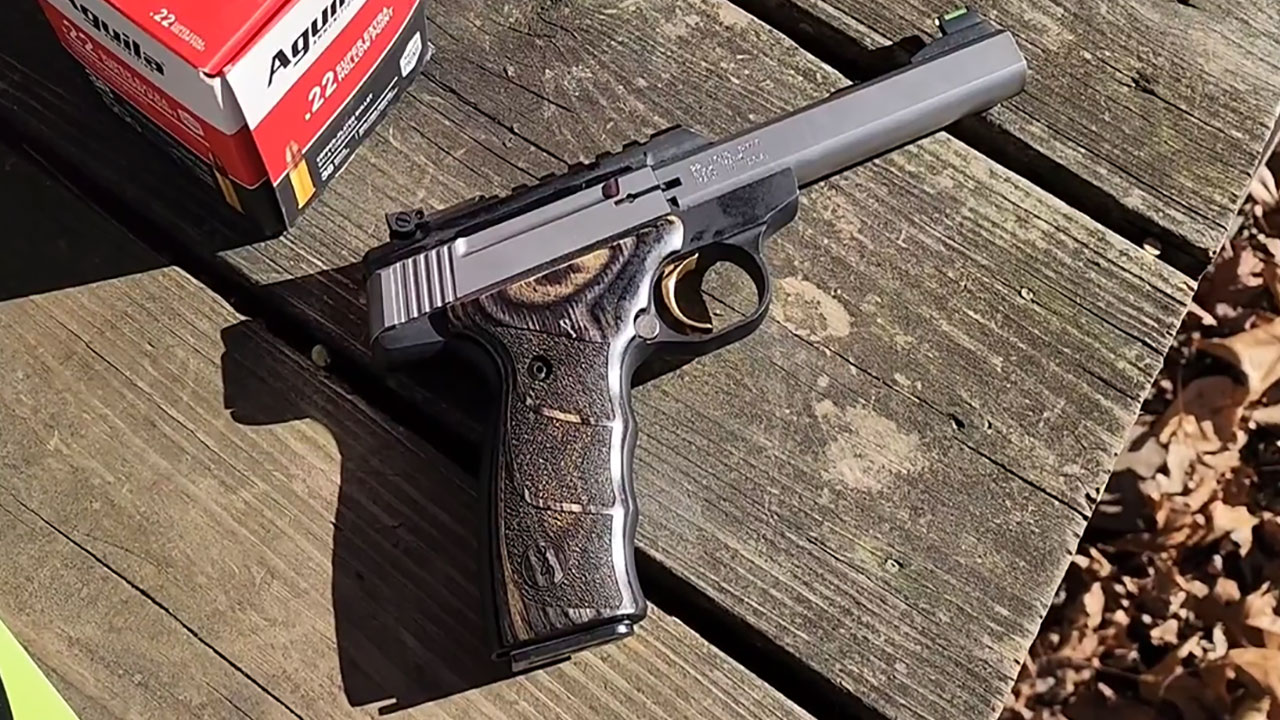
The Browning Buck Mark makes rimfire pistol upgrades feel questionable when the new gun is less accurate, less comfortable, or more complicated. The Buck Mark is simple in the best way: good grip, solid trigger, useful accuracy, and a shooting experience that makes practice enjoyable.
A lot of modern .22 pistols come with rails, threaded barrels, tactical styling, and lighter frames. Some are excellent. But the Buck Mark’s strength is how naturally it shoots. It is a pistol that helps new shooters build confidence and gives experienced shooters cheap, productive trigger time. If the upgrade does not make practice more enjoyable, the old Browning still has the edge.
Weatherby Vanguard
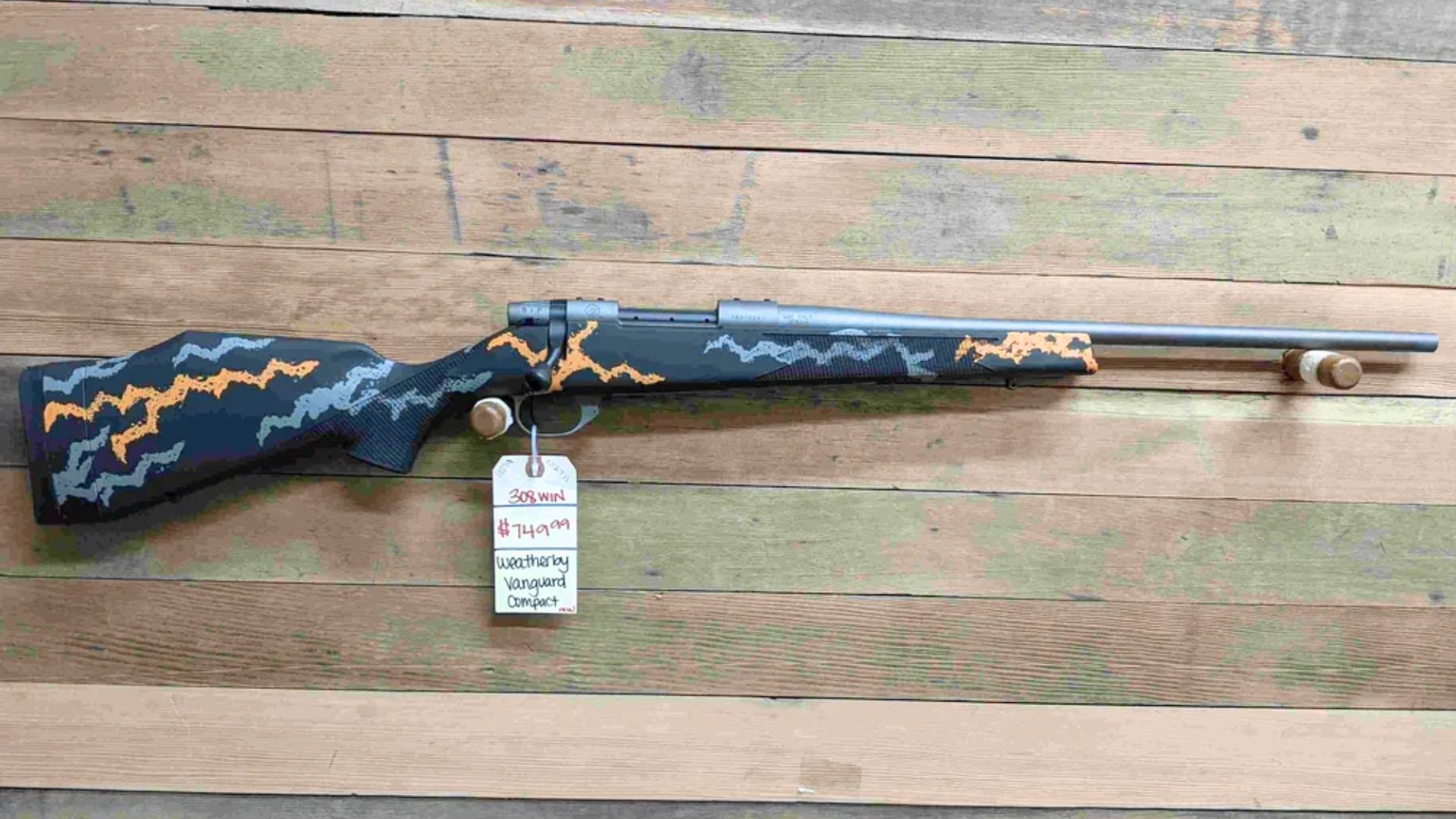
The Weatherby Vanguard is one of those rifles hunters sometimes trade up from because it is the practical Weatherby, not the fancy one. Then the new rifle costs more, kicks harder, feels flimsier, or does not shoot any better. That is when the Vanguard’s value becomes clearer.
Built on the Howa action, the Vanguard feels sturdy and usually shoots well. It may be heavier than some newer rifles, but that weight can help with recoil and steadiness. The Series 2 trigger made the line even stronger. A hunter who already had a Vanguard that grouped well and held zero may eventually wonder why they spent more money to solve a problem they didn’t actually have.
Colt Government Model 1911

The Colt Government Model 1911 gets replaced by modern pistols with more capacity, lighter weight, and fewer manual-of-arms demands. That can be practical. But for shooters who love the 1911, the replacement often lacks the thing they liked most: the way the Colt shoots.
A good Government Model has a slim grip, clean single-action trigger, and a recoil impulse that feels steady and controlled. It requires good magazines, maintenance, and training, but it rewards that attention. Newer pistols are often easier to justify, especially for carry. Still, when owners head back to the range, the old Colt can make them wonder why they ever thought practical meant better.
Henry H001 Lever Action .22
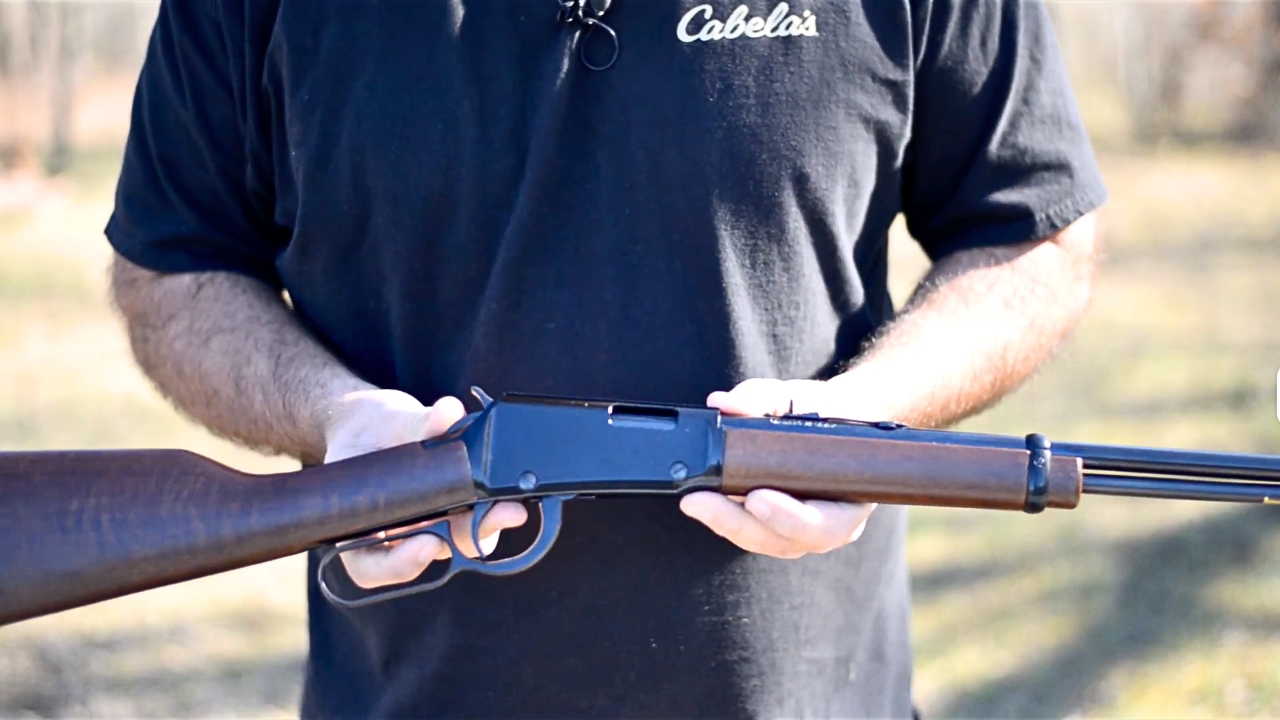
The Henry H001 is easy to replace on paper. Plenty of rimfires are more accurate, faster to reload, easier to mount optics on, or more modern in layout. Yet the little Henry keeps making owners smile, and that matters more than people admit.
It is smooth, approachable, and fun. New shooters enjoy it. Experienced shooters enjoy it. Families enjoy it. A lever-action .22 slows the pace down and makes a simple range day feel worthwhile. If an upgrade turns rimfire shooting into another gear comparison instead of a good time, the H001 starts looking like the rifle that understood the assignment all along.
Like The Avid Outdoorsman’s content? Subscribe to our newsletter so you never miss an article.
Here’s more from us: